D’après les maquettes de*
This diary, set in 12-point Plantin, is unfinished. Or rather, it remains open, reflecting attentively the stories and encounters that the books belonging to the ‘Clubs movement’ bring forth and foster. More than any other editorial production, these volumes seem deeply intertwined with the lives of their readers, their ways of reading and collecting. Could this be a consequence of the subscription-based mode of distribution of the Clubs? Or could it be because the design of these books is so distinctive, so eye-catching, that it produces a kind of “frequency illusion”? Once you notice a Club book for the first time, you then have the impression of seeing them everywhere.
Whether you’re a design or typography student, or simply a lover of secondhand bookshops, you can’t help but be captivated by these intriguing, playful books, each of which invites you to read in its own way. Such was my own experience, and the Clubs have been (and still are) an extraordinary education of the eye, an eloquent lesson in how graphic writing brings literature to life.
Beyond any historical or technical study of the Clubs – or any graphic or biographical exegesis – one marvels at the way these volumes express the essence of what a book fundamentally is, as a sensitive object and a vehicle for stories. No erudition is needed to grasp these generous objects, which stage in the most radiant and primordial way the spaces and temporalities of the book — much in the manner of Bruno Munari’s prebooks. This celebration of the book as matter is at the same time a celebration of the book as a cultural object. Over time, Club volumes magnetize traces of reading with remarkable detail, while poetically embodying the life and travels of a book. Is this a result of the editorial structure of these Clubs series? The fruit of graphic energy and inventiveness at its best? The consequence of a revolution in the field of book distribution?
What interests me here is the actual dissemination of Club volumes. During their era, these books were distributed outside conventional bookshop channels, and today one encounters them in a myriad of situations: on the shelves of secondhand bookshops, on online resale platforms, at flea markets, or one simply happens to inherit or stumble upon them, more or less accidentally. As a flâneur along the banks of the Seine, an assiduous and enthusiastic visitor of bouquinistes, I decided to conduct an experiment: to focus my attention on each Club book I would come across during one of my weekly book-foraging sessions. This would allow me to encounter these volumes as living beings, in their natural habitat, and also to meet the readers and booksellers who share an interest in them. I would document this journey in a diary, which are the lines you are now reading. Dictated solely by my own schedule, this happened on July 3, 2024, in the late morning, in Paris.
July 3, 2024
Our diary begins right across the street from the Musée national du Moyen Âge, on the corner of Place Paul Painlevé. The first bookshop on our route is at number 1; its name appears nowhere on the storefront.
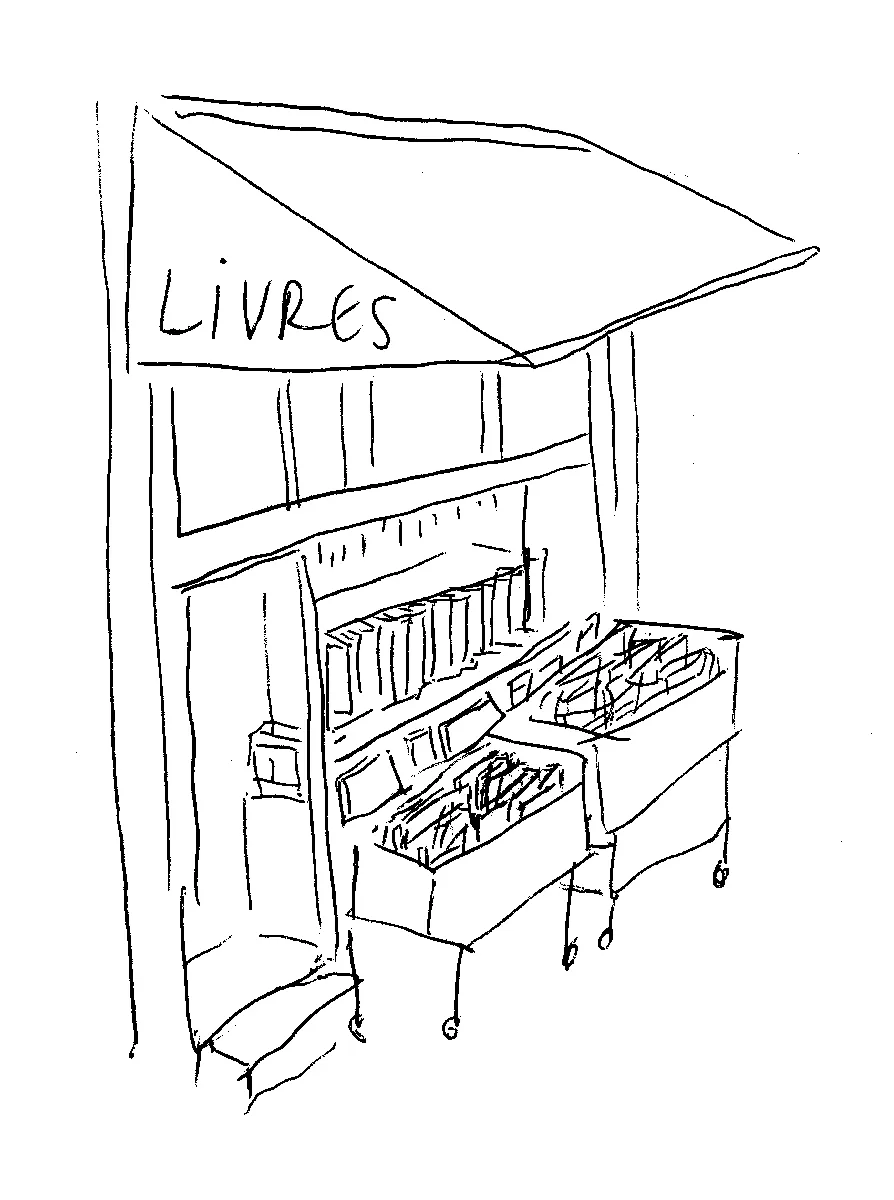
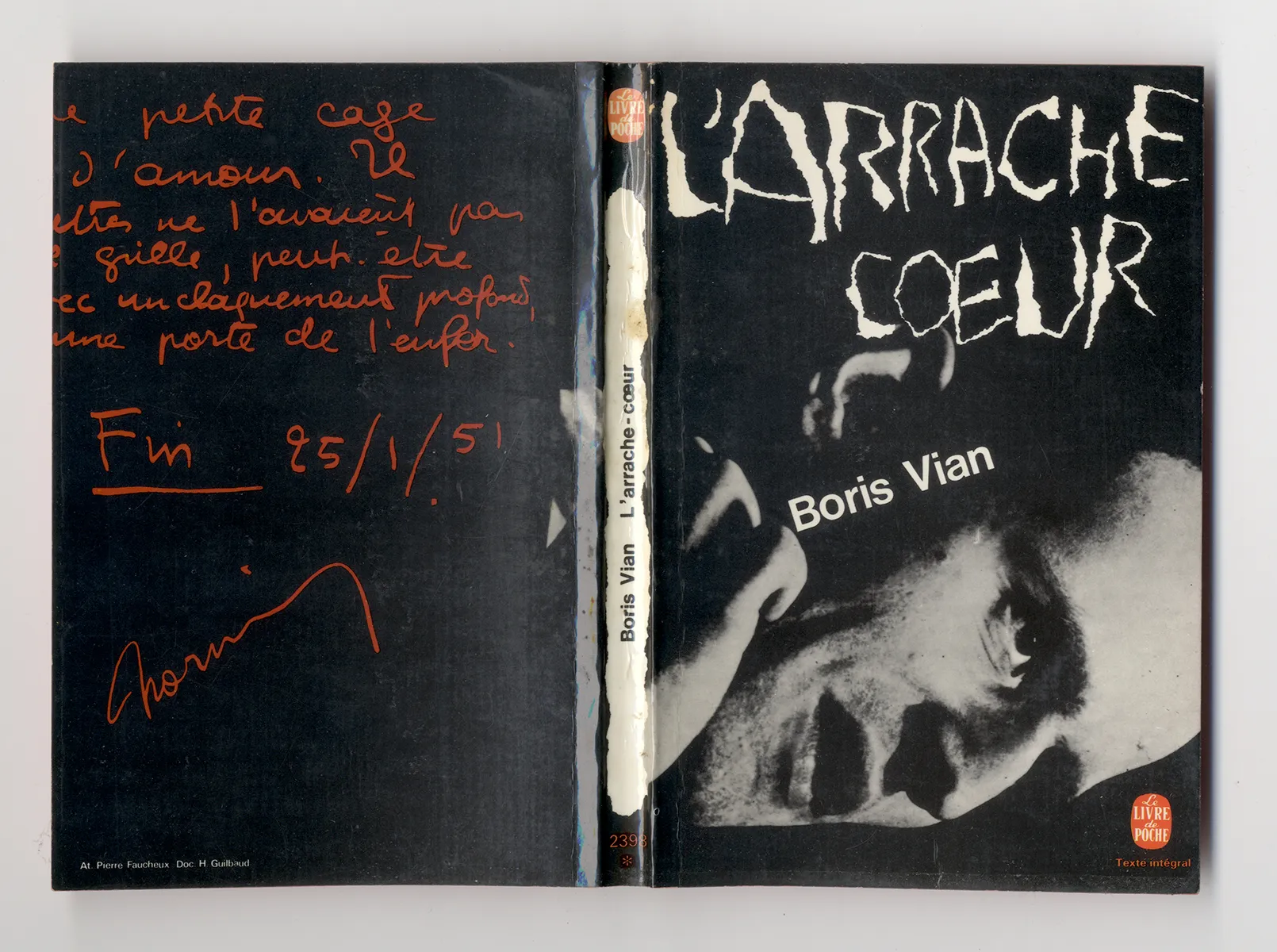
It is a secondhand bookshop with a high turnover, a beloved place with a faithful clientele, owing much to its proximity to the historic Sorbonne. Club volumes sometimes turn up in the bargain boxes by the entrance. Not today. But one does come across some familiar Club faces, like Pierre Faucheux, who designed many beautiful paperbacks, including this one:
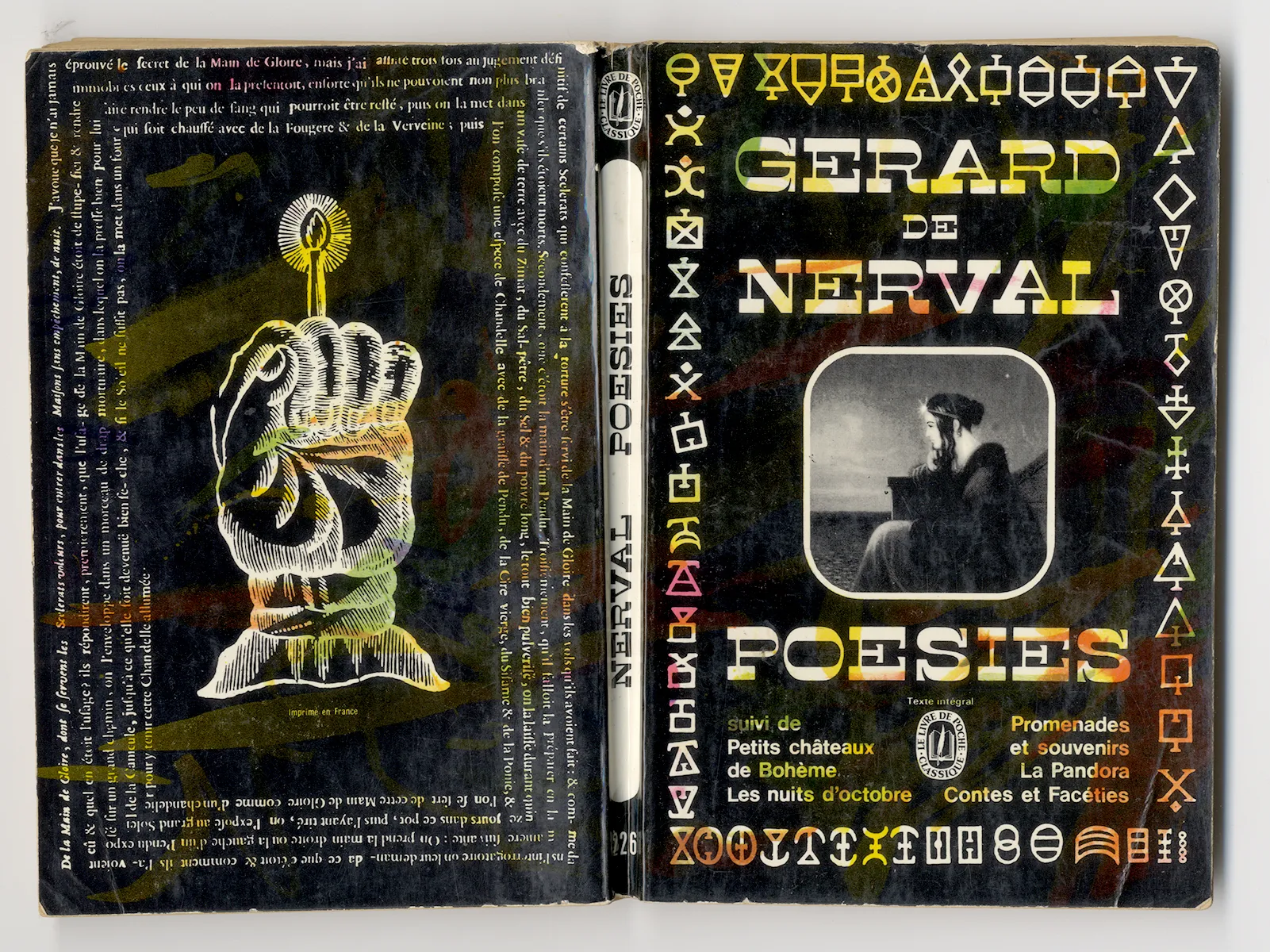
or this one:
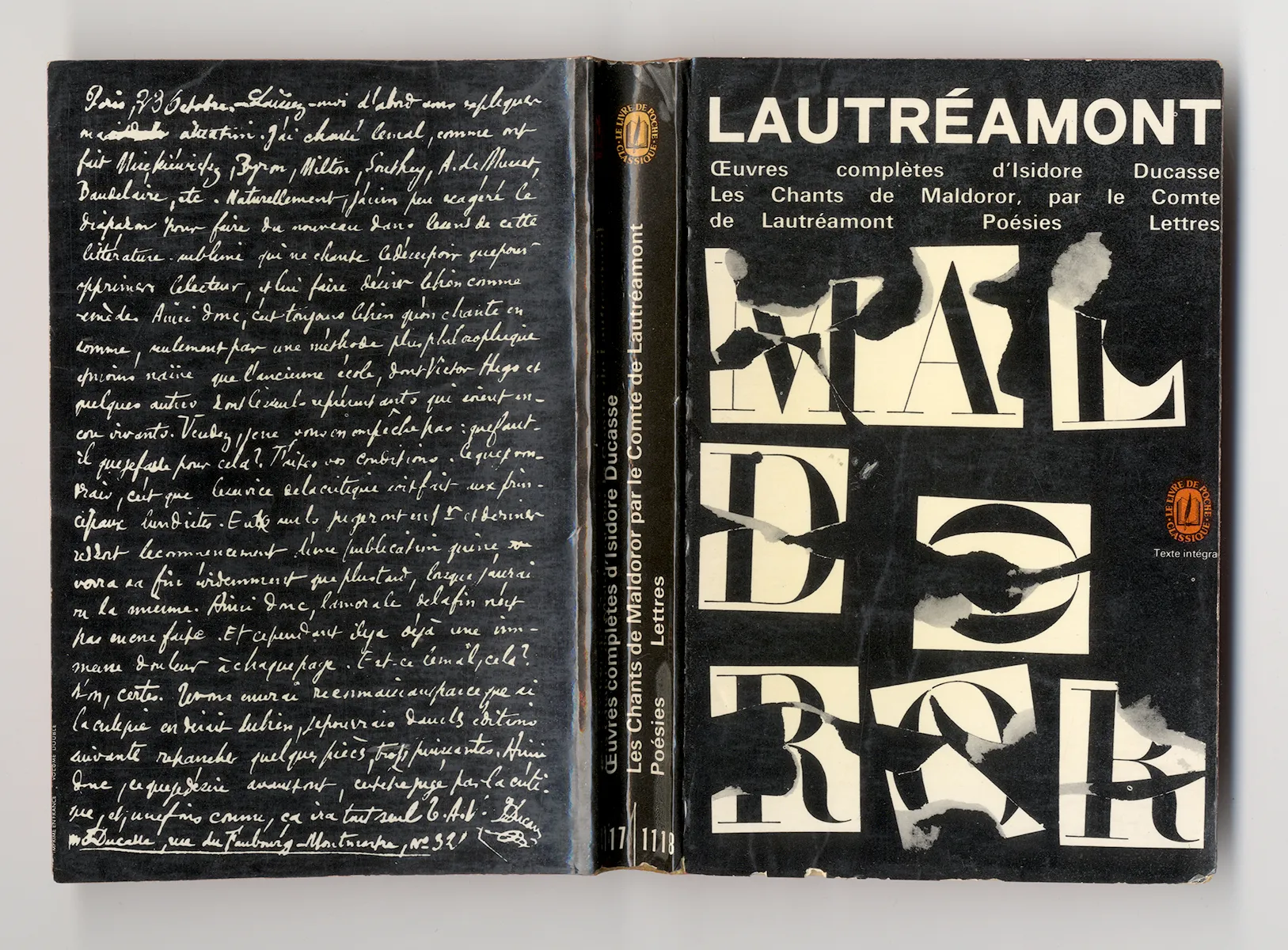
I promise myself to come back to them. But I am drawn inside, eager to discover the new arrivals on the two central tables, with their ever-changing selections. Because the bookshop buys substantial book lots — often whole personal libraries liquidated after a death — I have seen massive lots from the Club Français du Livre, the Club des Libraires de France or the Club du Meilleur Livre appear there before, piled up like a mirage. Afterwards, there is always the regret of what I should have bought but didn’t — the book-forager’s esprit de l’escalier.
The first table holds large or oversized books, catalogues, hardcover volumes, sometimes pamphlets or ephemera. The second one holds smaller-format books, essays, humanities, literature, sciences. Among these new arrivals, Clubs can be found on either table. Today, there is this one on the first table, CFL288
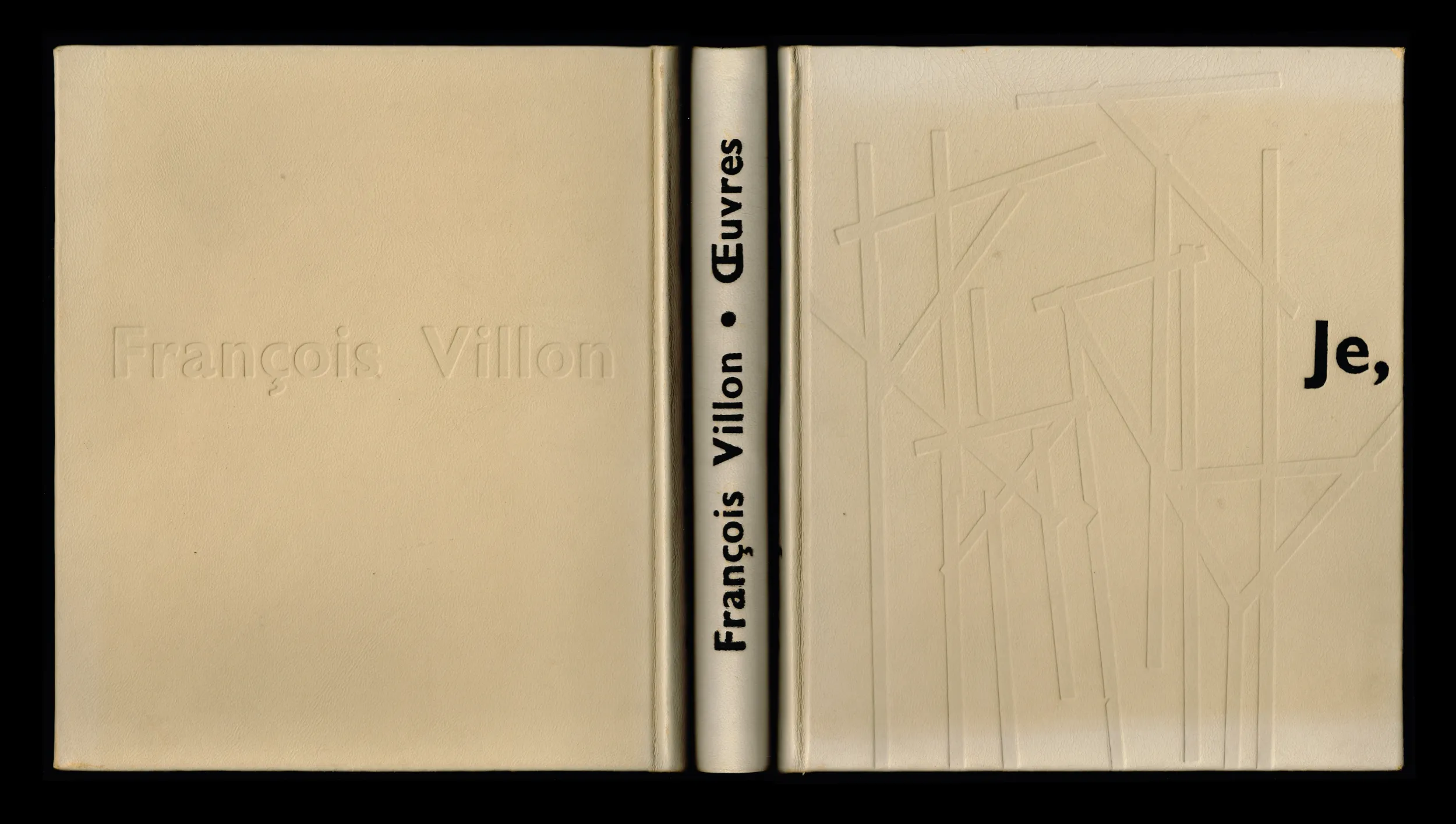
which I already have in my collection. You have to come every week, books come and go so fast. Not long ago, I saw this one, CFL247
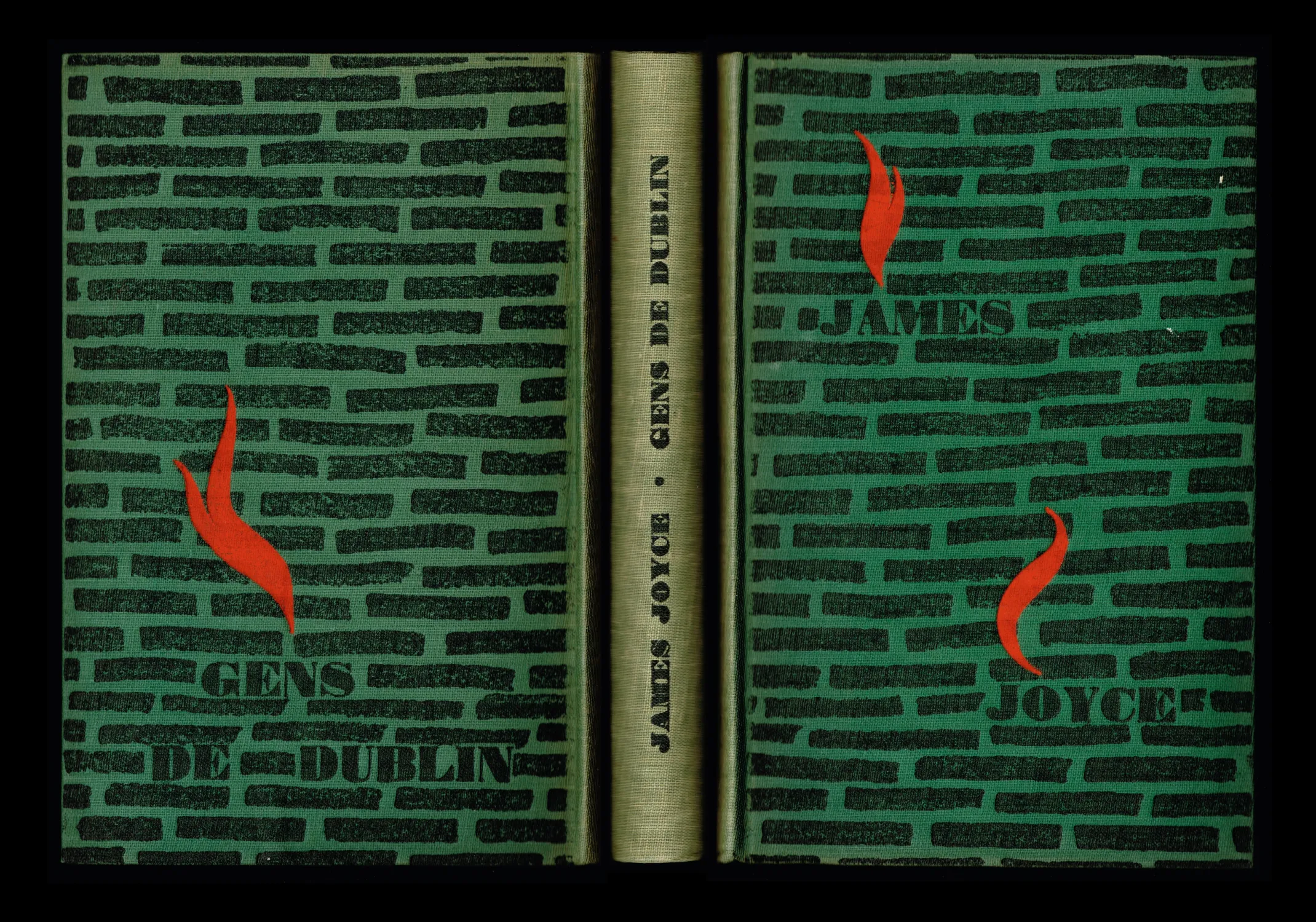
and this one. CFL364
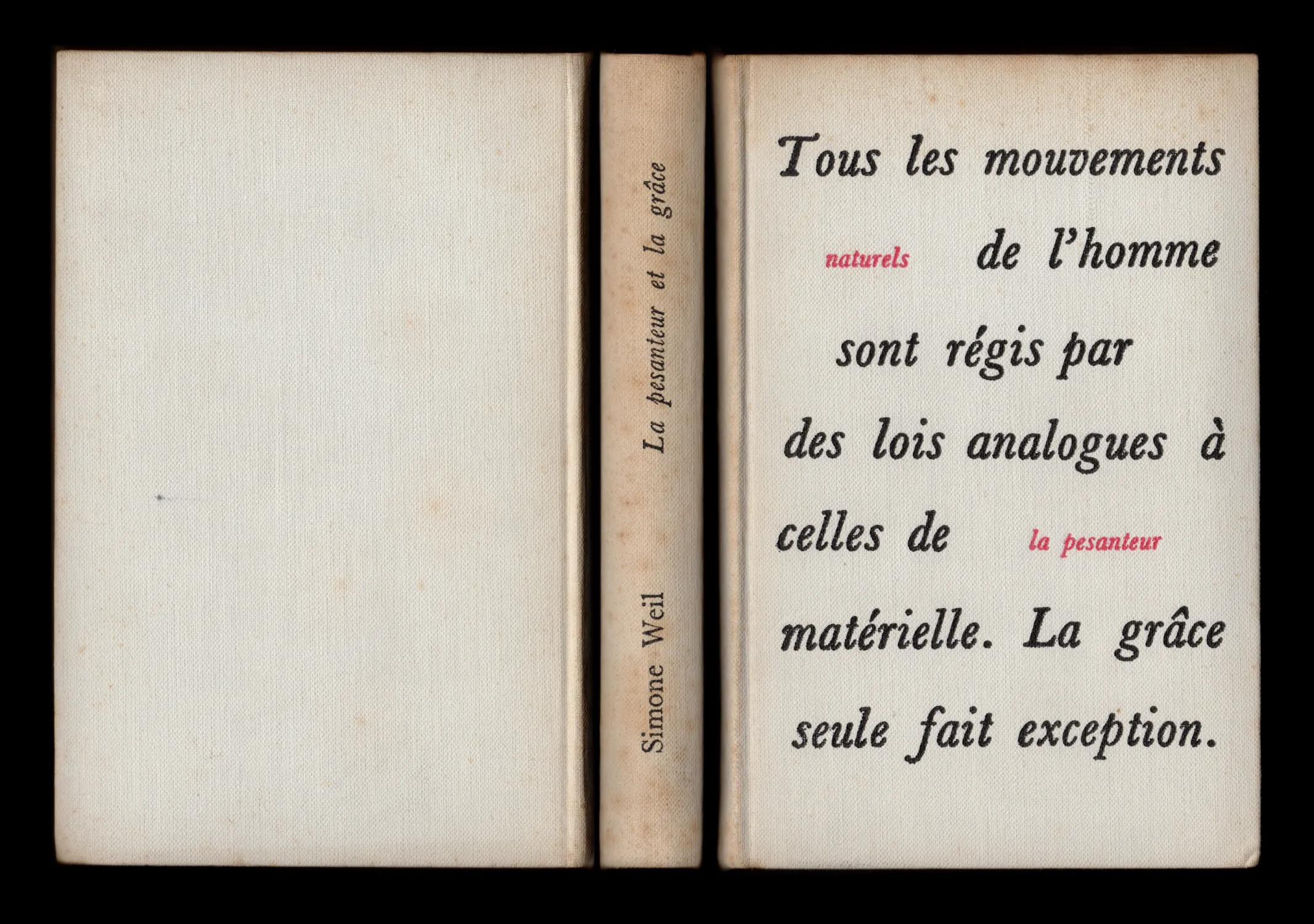
However, the place where the Clubs are most numerous today, forming something of a real collection, is not — as one might expect — in the literature section. It is in the massive piece of furniture installed at the very back of the room, which holds — jumbled together — literary journals, history, anthropology, esoterica and science fiction.
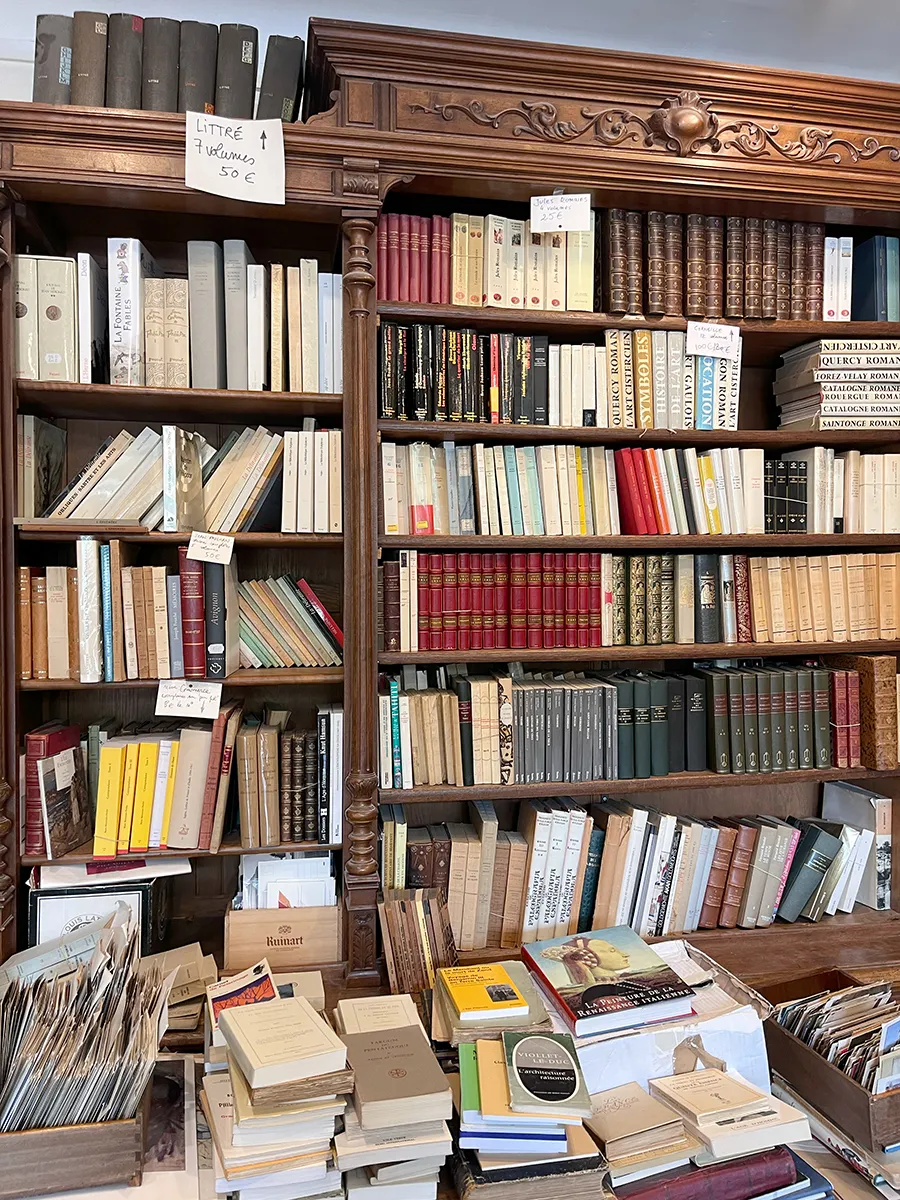
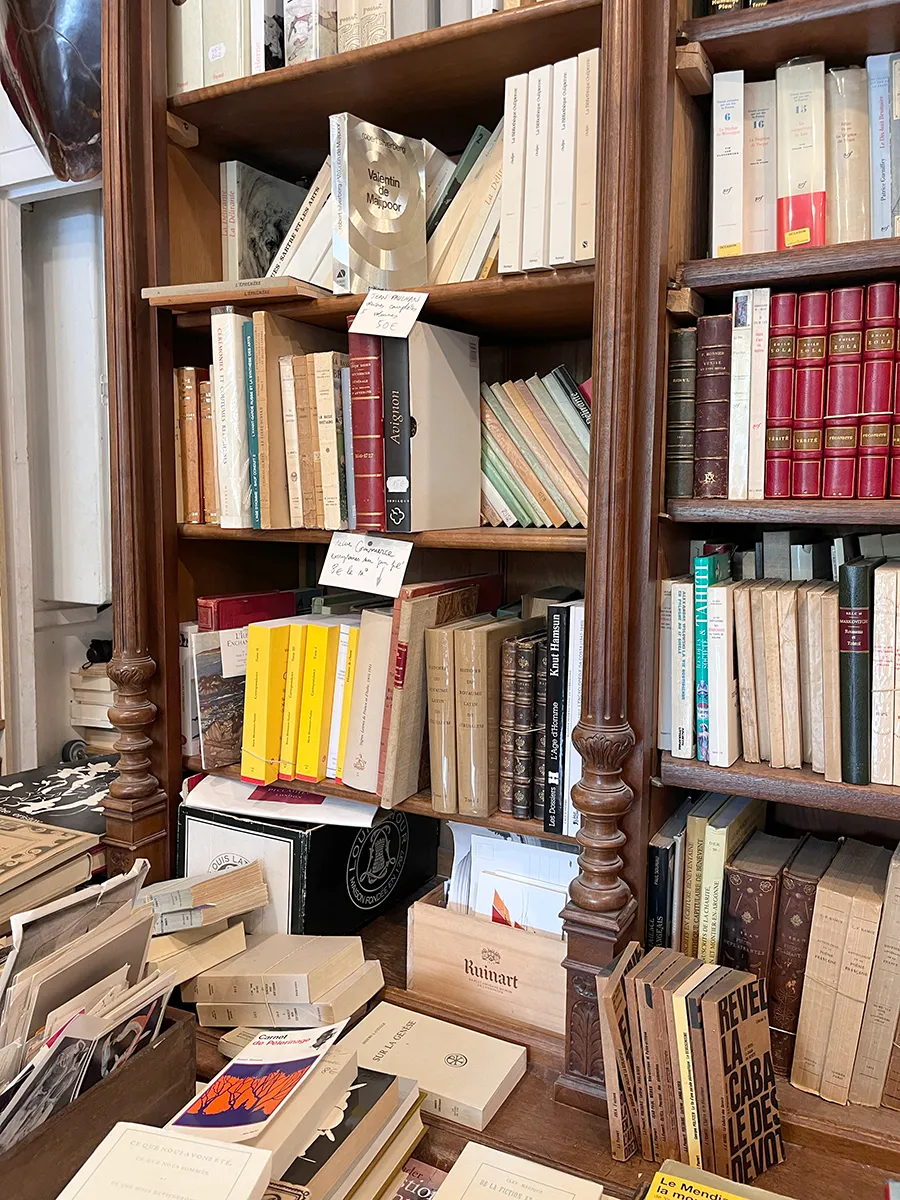
There, one notices the Éditions Zodiaque volumes, some issues of the journal Obliques, the anthologies of the Bibliothèque Oulipienne, the famous volumes of the Littré dictionary designed by Jacques Darche, and the volumes of the Liberté collection designed by Pierre Faucheux for Jean-Jacques Pauvert. My eyes make their way toward the shelf where the Clubs sit.
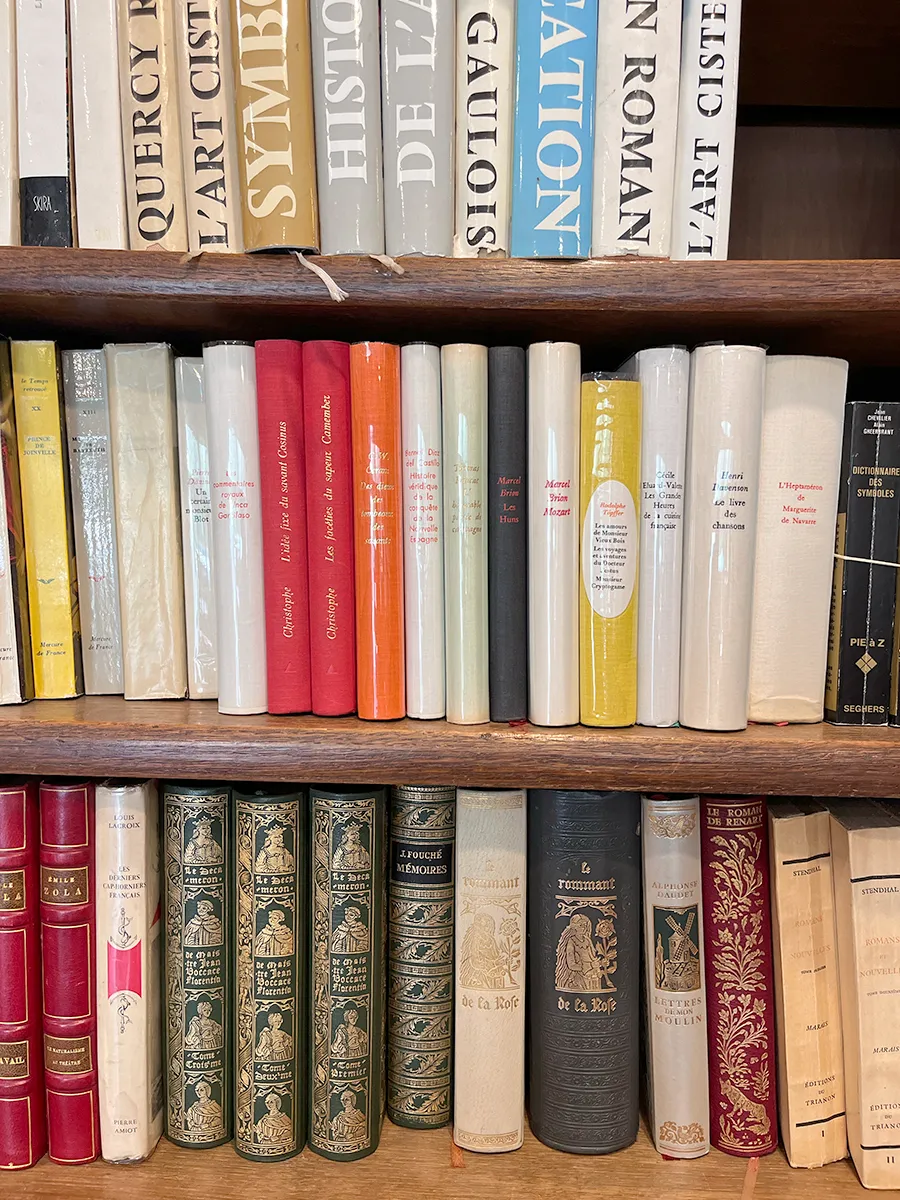
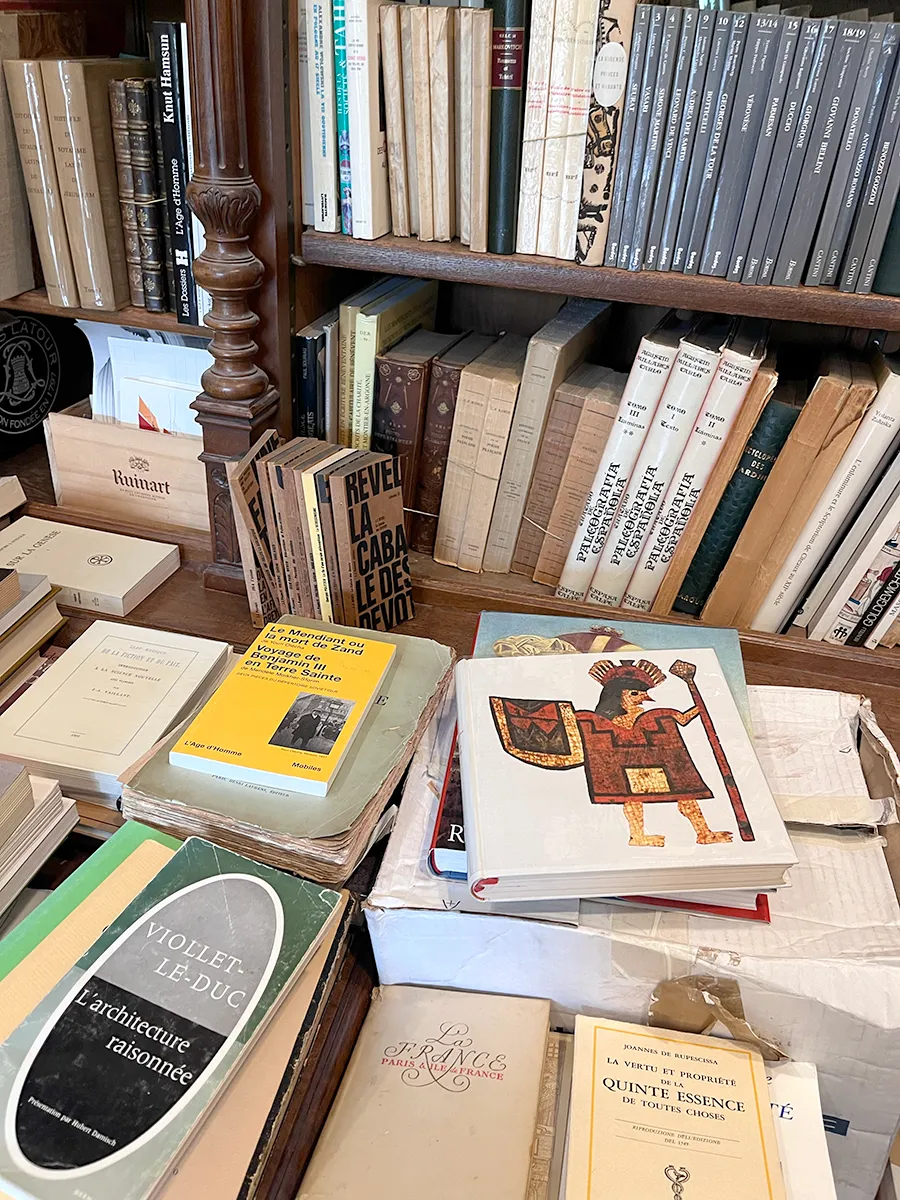
I am struck by the spine of Les Commentaires royaux de l’Inca Garcilaso CLF235, set in the Europe typeface — an anachronism that surprises and intrigues me. I pick it up: it is a Club des Libraires de France volume, the nineteenth in the series Découverte de la Terre, designed by Pierre Faucheux. Editorially speaking, this volume holds a special place: it is the first critical edition in French of this landmark work on the history of Inca culture and the conquest of Peru, written by the Peruvian chronicler Garcilaso de la Vega in the early seventeenth century.
Here, the graphic and editorial choices seem intimately bound, these gestures feel somehow inseparable: the delicate and attentive work of re-editing is palpable, in a way characteristic of the Clubs and especially of the Club des Libraires de France. The primary textual and visual material is set alongside carefully chosen editorial additions that enrich its reading. A documentary and iconographic apparatus accompanies the whole. In other words, there is no loss in the process of re-editing, quite the opposite: a metabolism is at work — a transformation. This calls to mind the facsimile edition of Francesco Colonna’s Songe de Poliphile CLF (also at the Club des Libraires de France), orchestrated by Pierre Faucheux. The binding, the careful reproduction of the original documents, and the choice of materials confer an astonishing modernity upon the 1546 original — and this is how a historical volume gets ‘Clubified’.
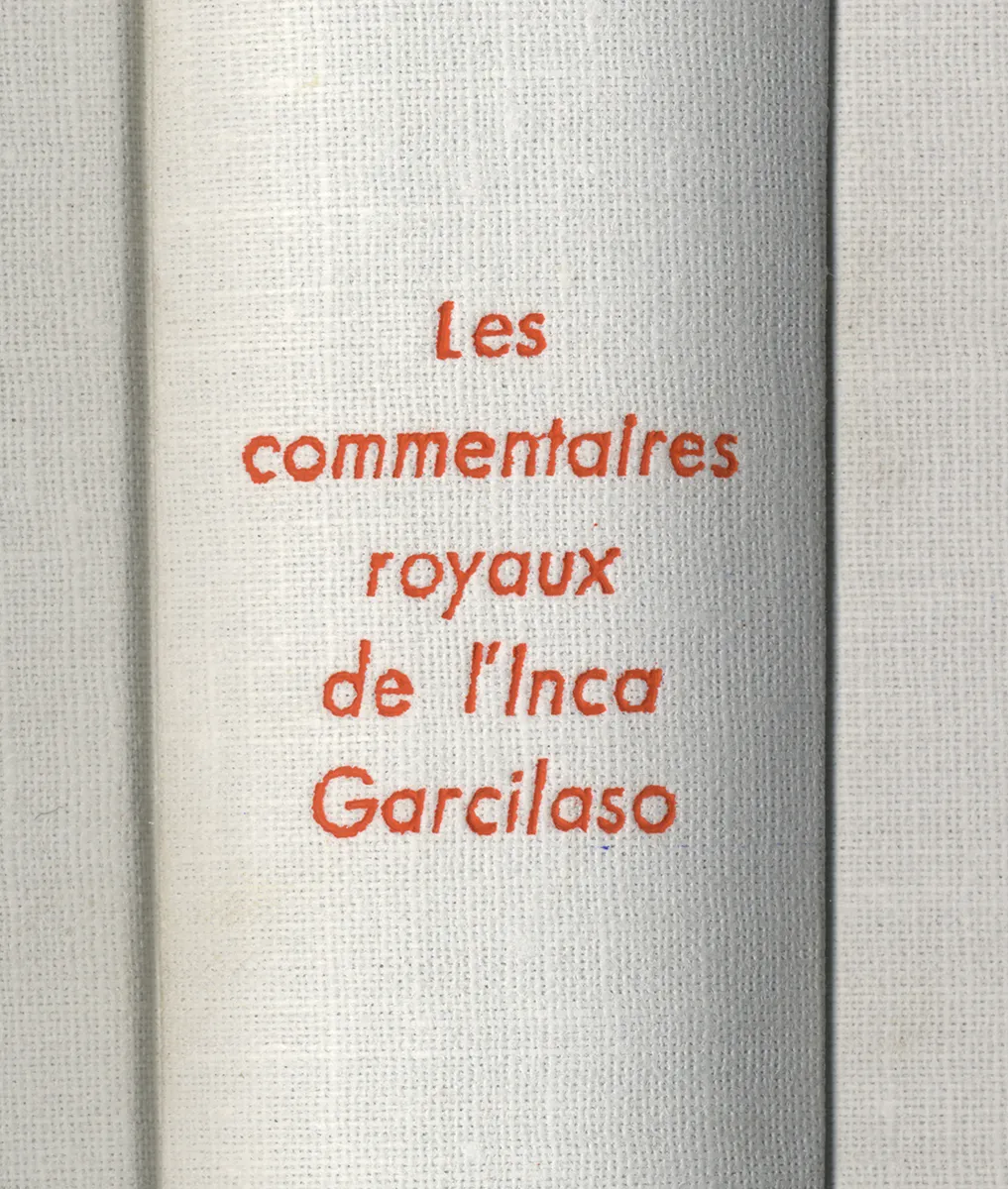
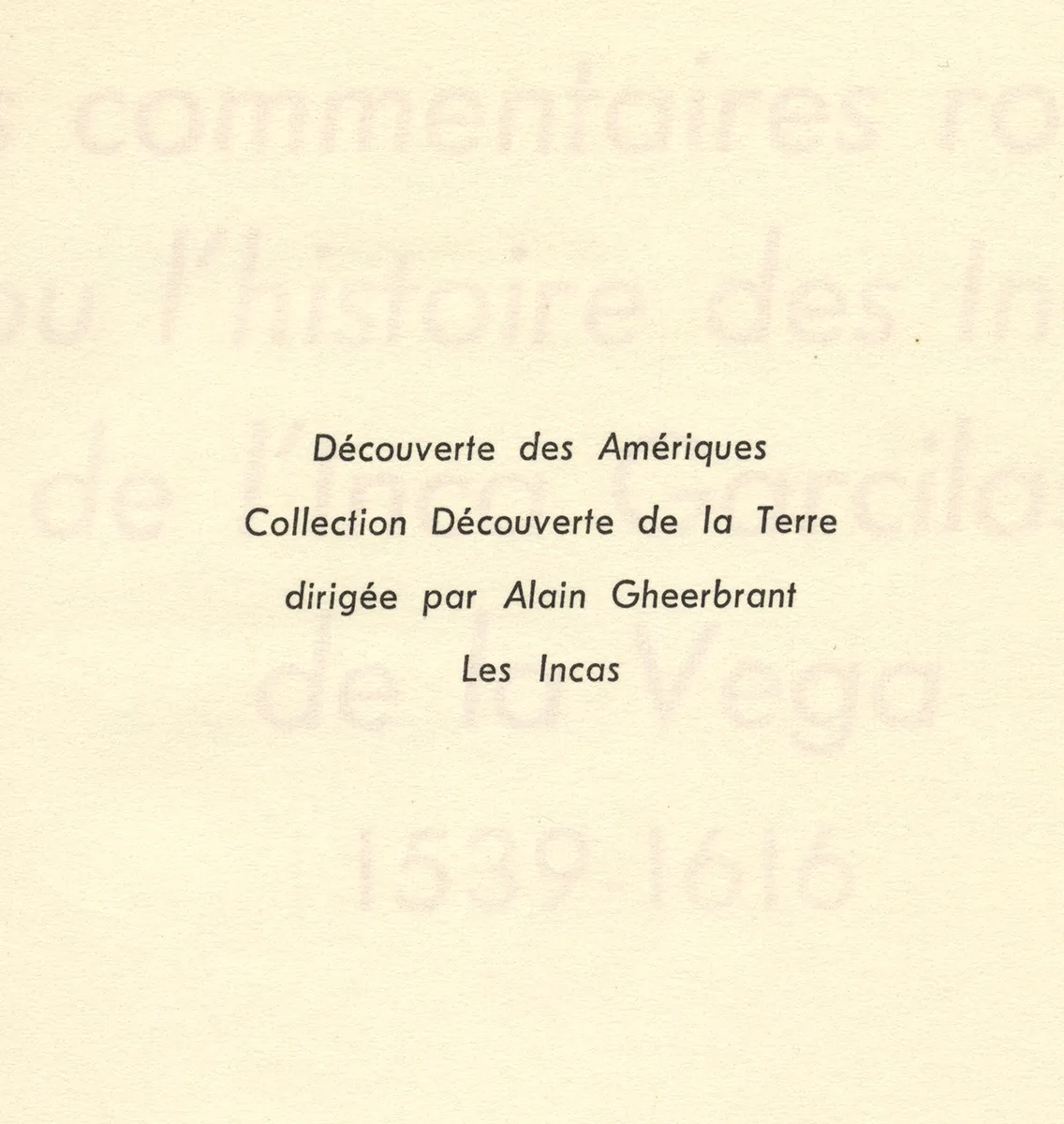
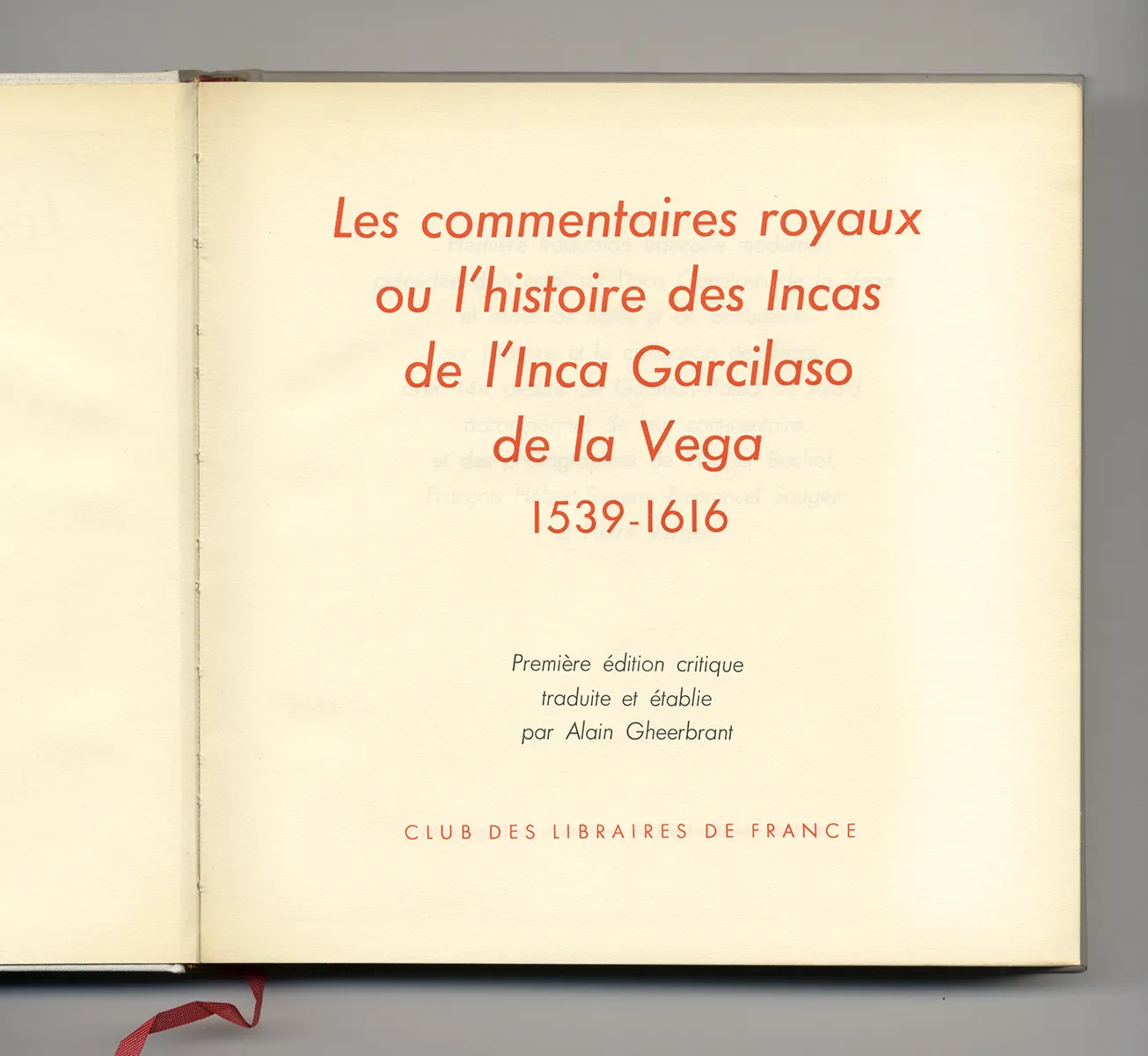
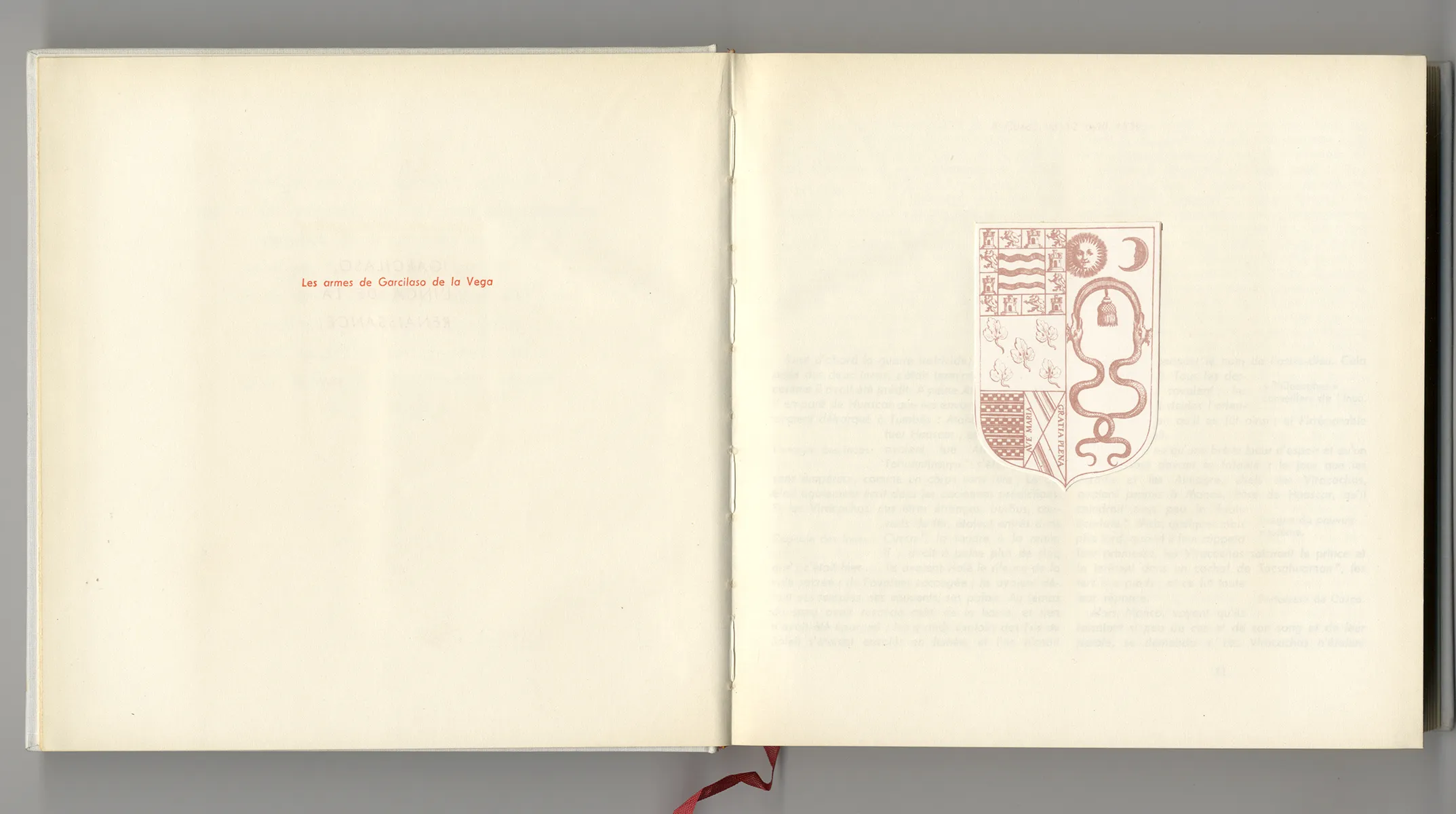
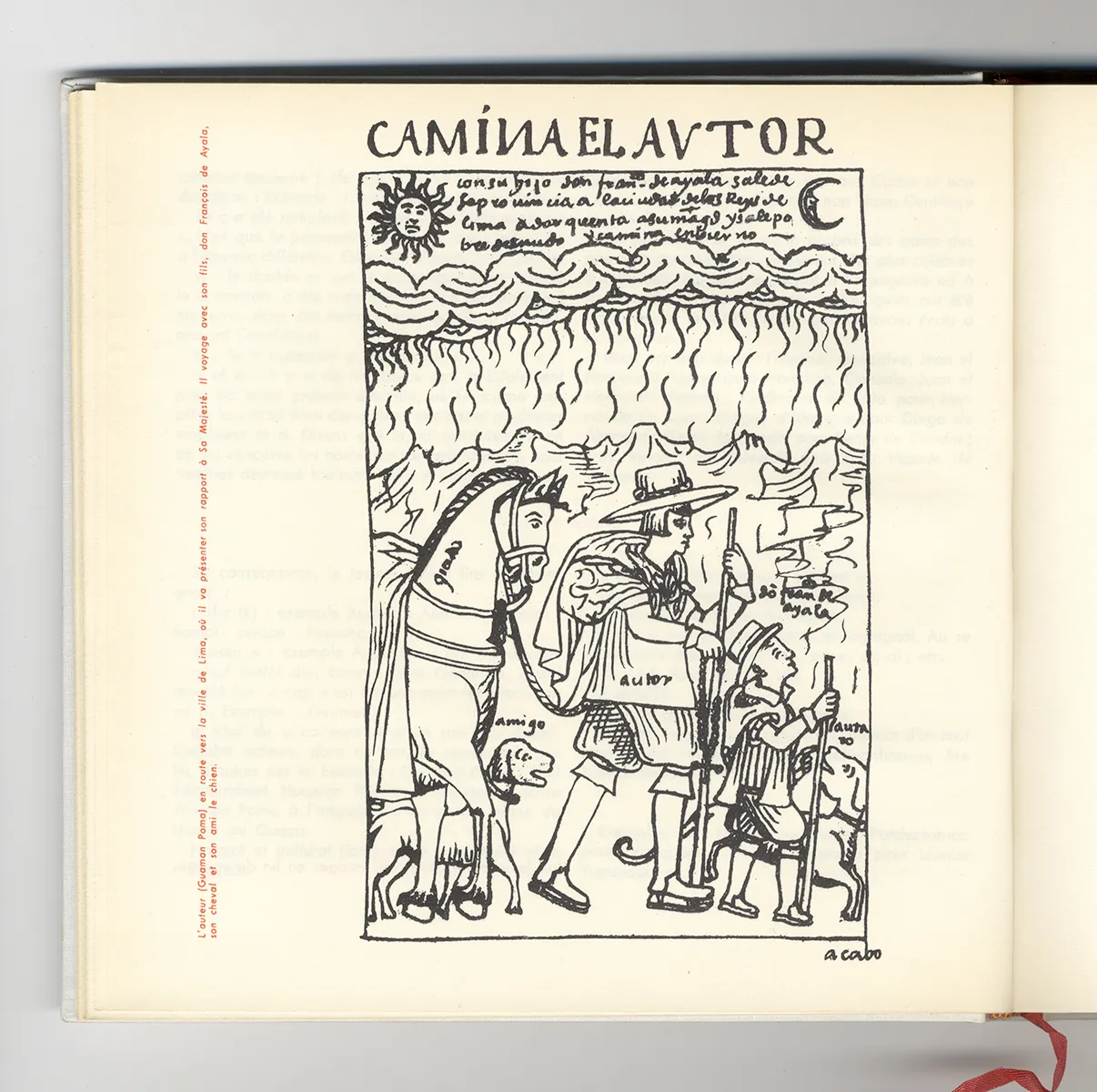
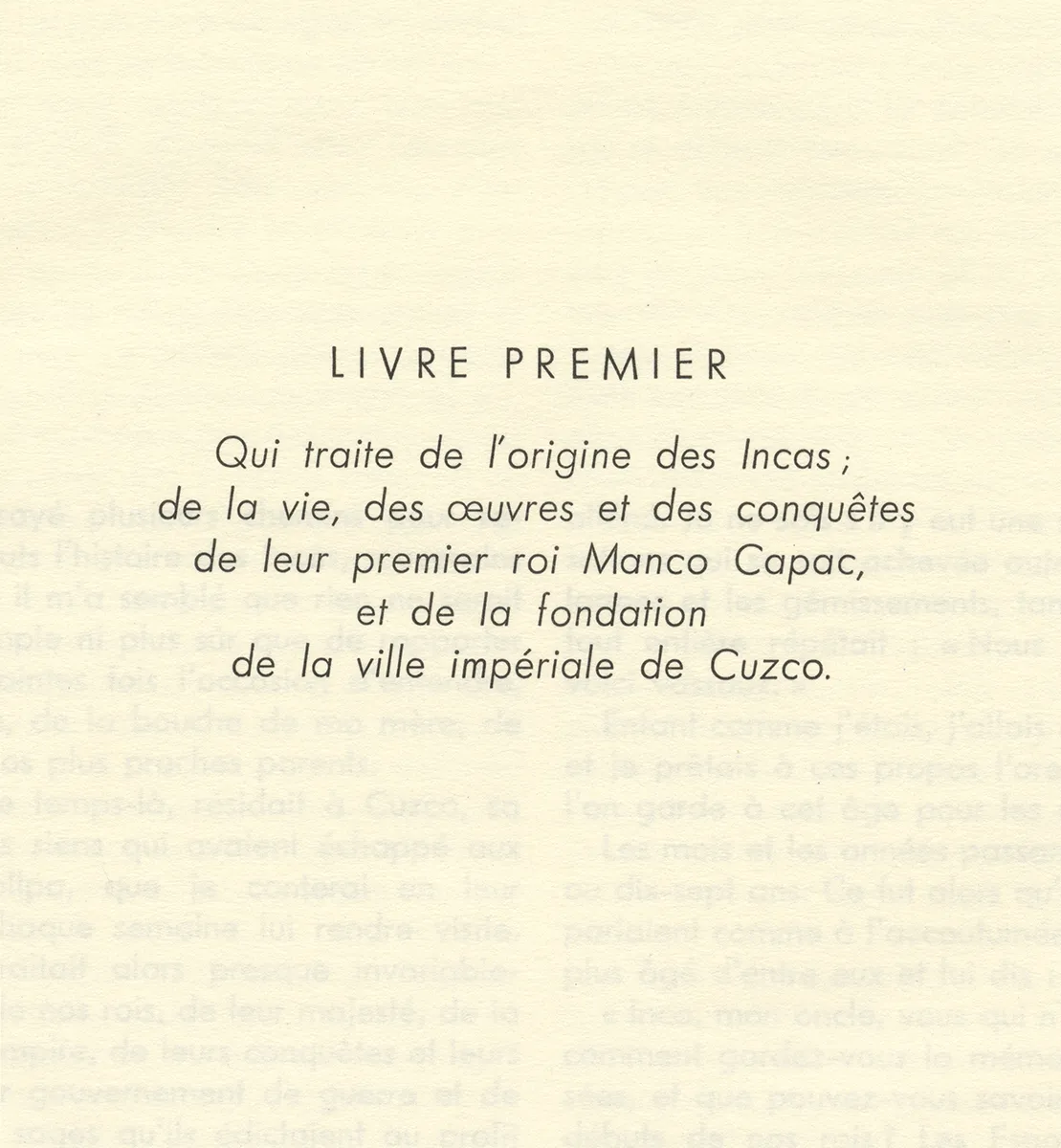
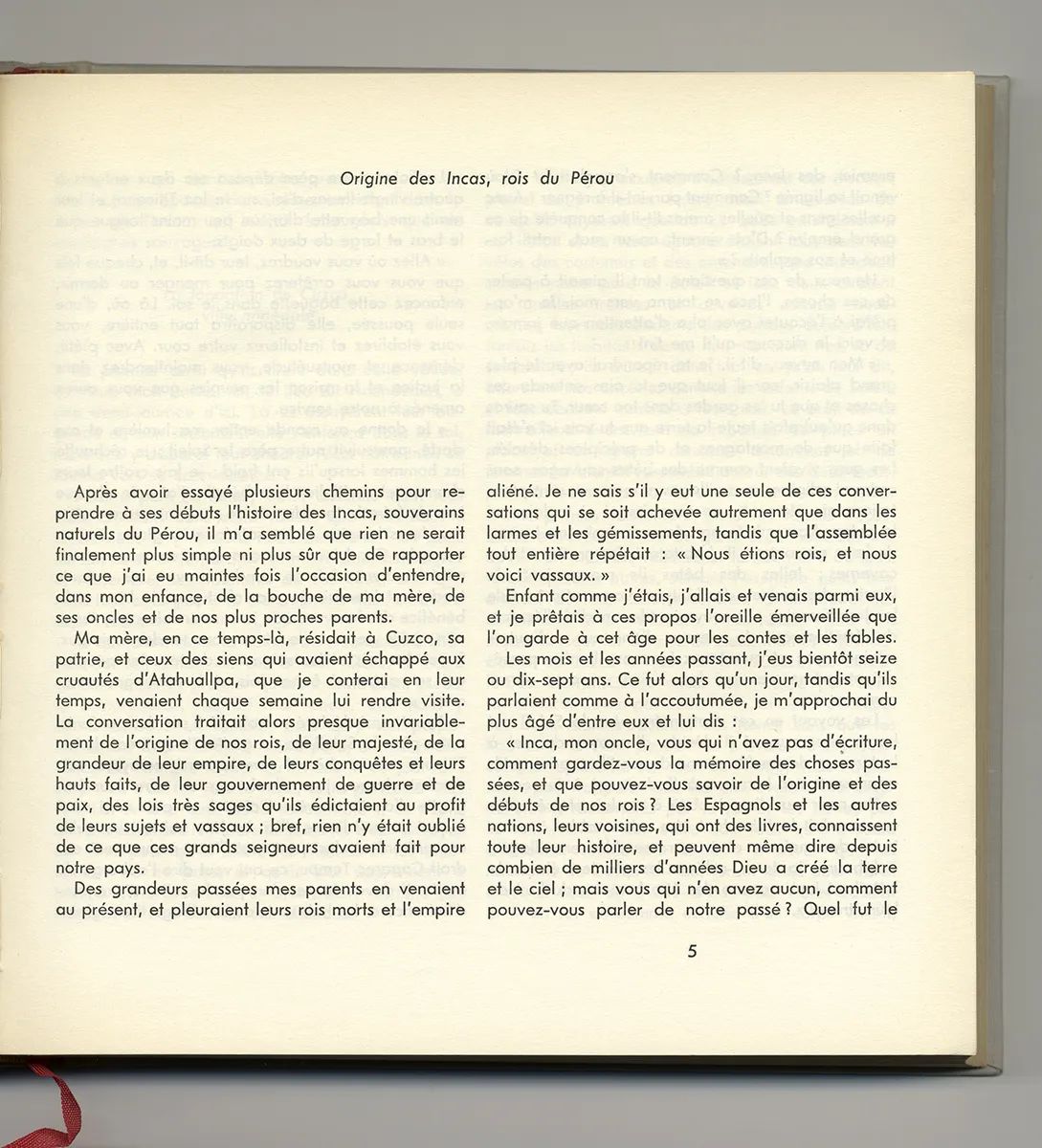
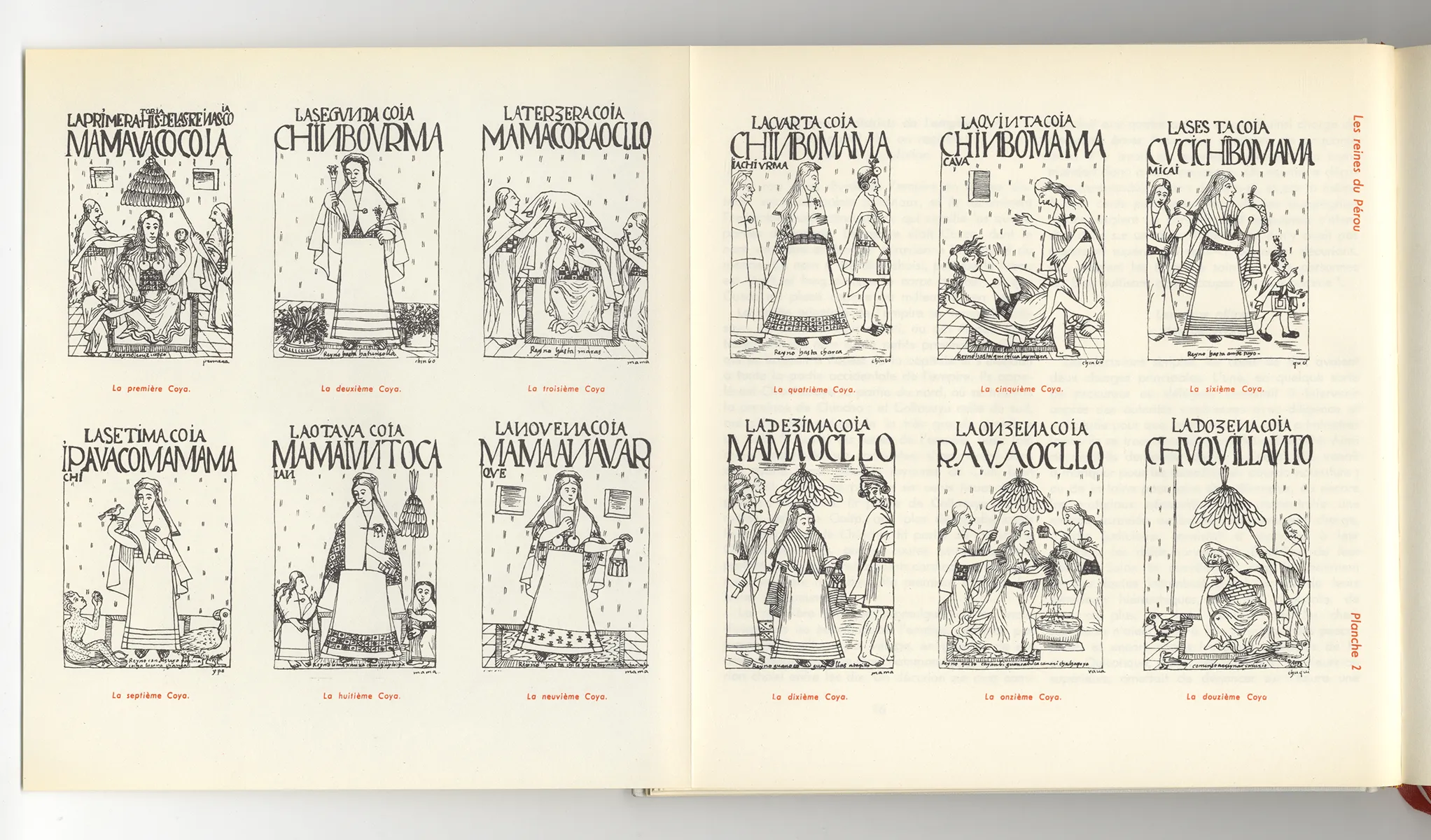
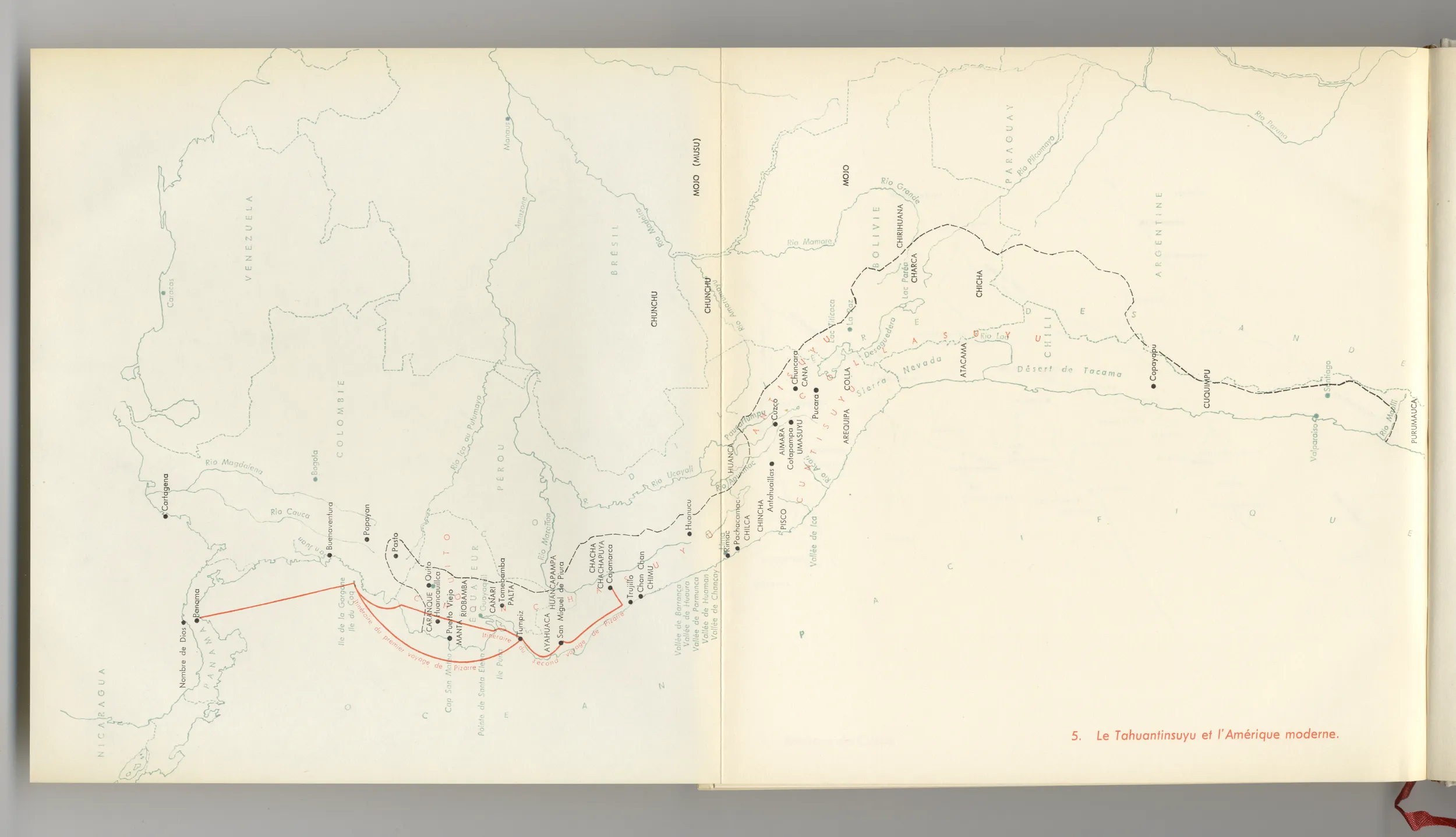
Moreover, Les commentaires royaux by the Inca Garcilaso is enriched with a new iconographic and cartographic corpus that contextualizes the text. In the opening pages, we learn that the editor of this volume (and of the Découverte de la Terre series) is none other than Alain Gheerbrant, a major figure in the French publishing scene of the second half of the twentieth century. Gheerbrant — both author and publisher — also founded the publishing house K éditeur, which published, among others, Antonin Artaud and Henri Pichette. For the design of the books by these two authors, Gheerbrant worked in tandem with, precisely, Pierre Faucheux.
Closing the loop, it is worth recalling that it was Alain’s brother, Bernard Gheerbrant, who was one of the principal figures behind the Club des Libraires de France, and also the founder of the famous Parisian bookshop La Hune, for which Pierre Faucheux designed the interior and several important pieces of furniture.
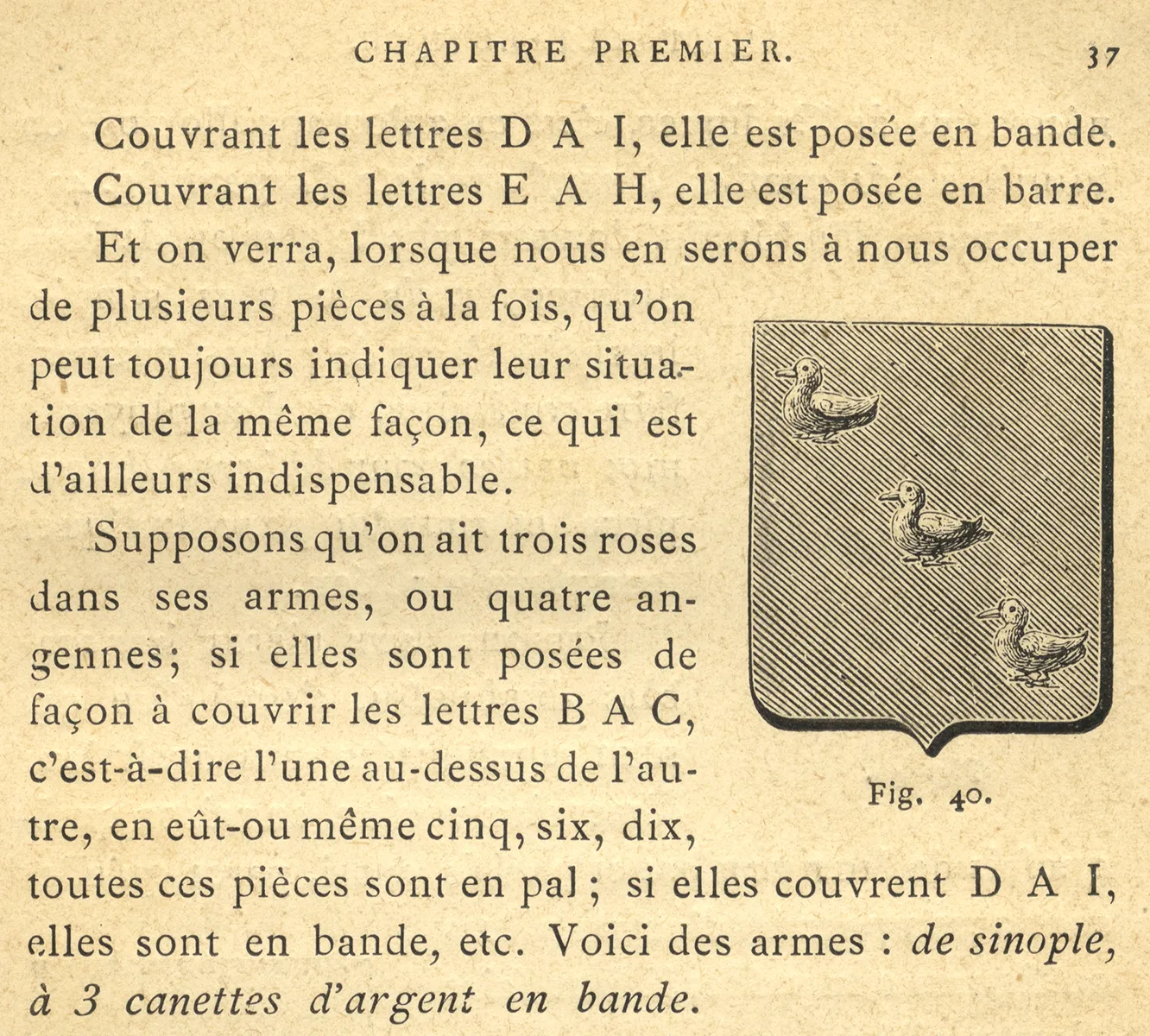
By a happy coincidence, it is another volume co-edited by Alain Gheerbrant that follows, on this same shelf, the sequence of Club volumes: Le Dictionnaire des Symboles, an encyclopedic work that sheds light on Gheerbrant’s interests and erudition regarding the cultures, customs, histories and mythologies of the past. A few shelves below, my eyes are caught by L’Art héraldique by H. Gourdon de Genouillac, devoted to the history of coats of arms and their interpretation. I return to Les commentaires royaux by the Inca Garcilaso: just before the preface, the arms of Garcilaso de la Vega are reproduced as a tipped-in escutcheon. Inside the labyrinth of the bookshop, volumes always find a way to each other.
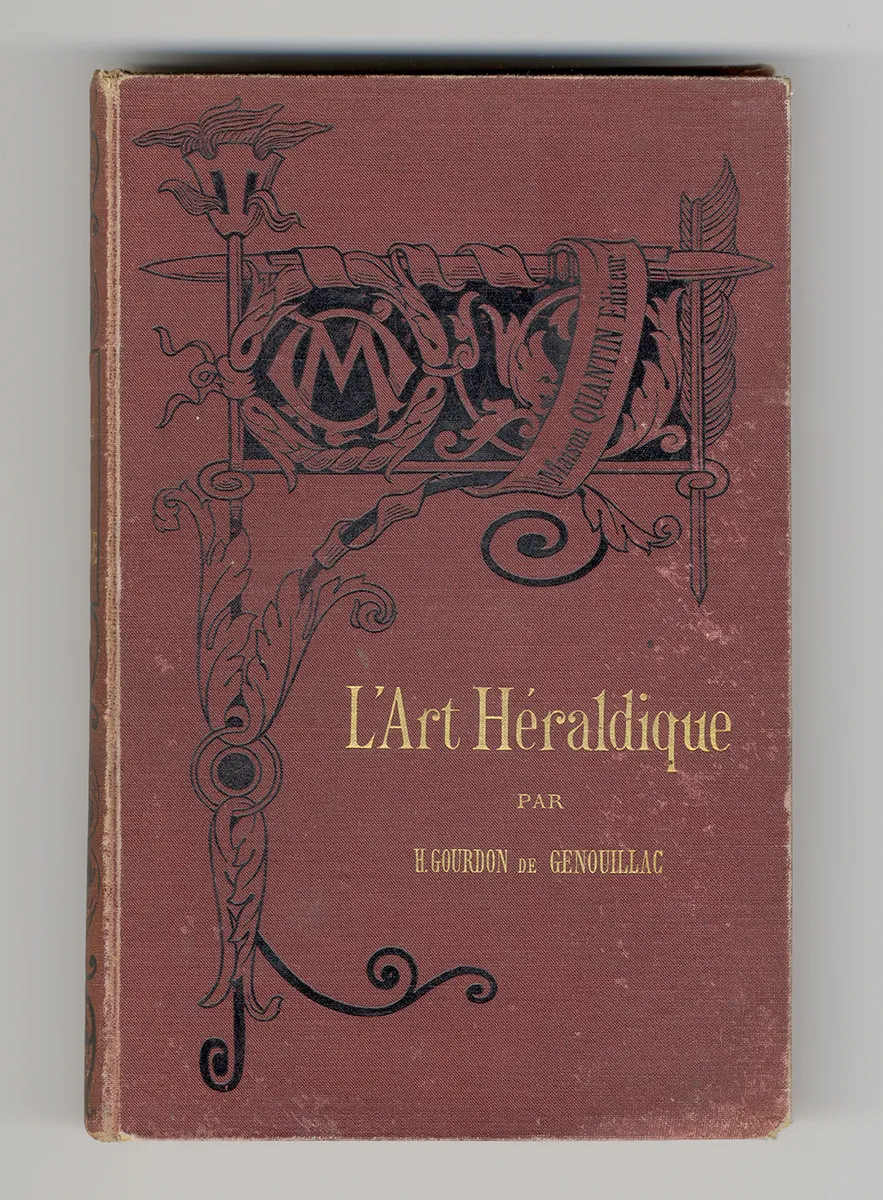
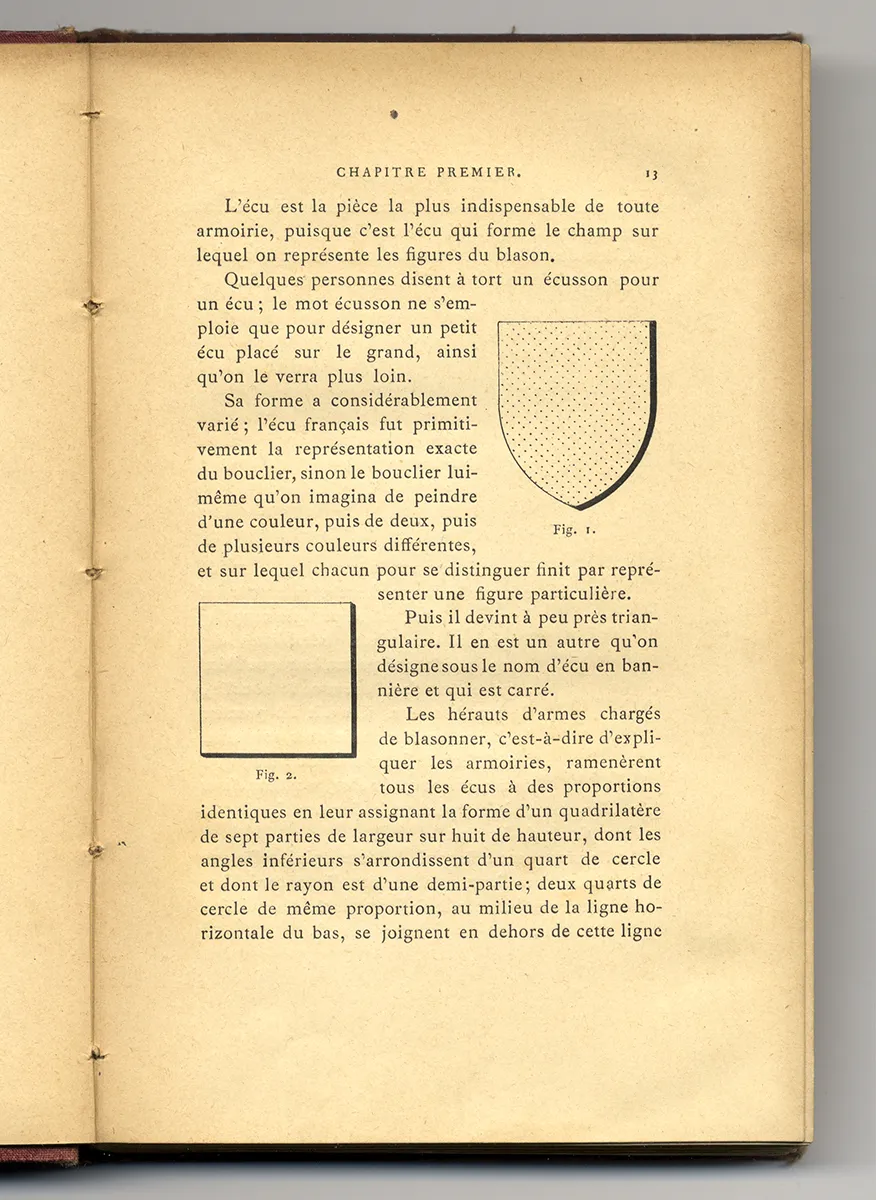
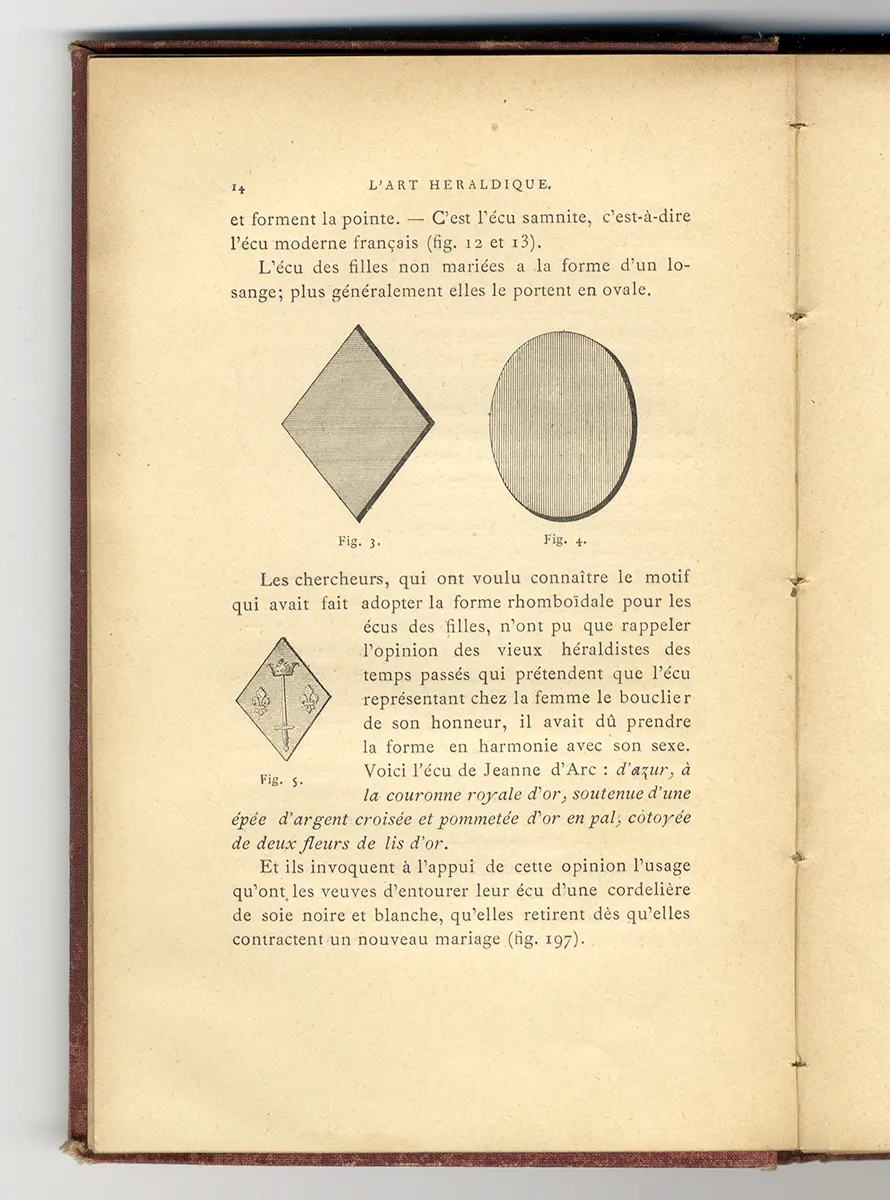
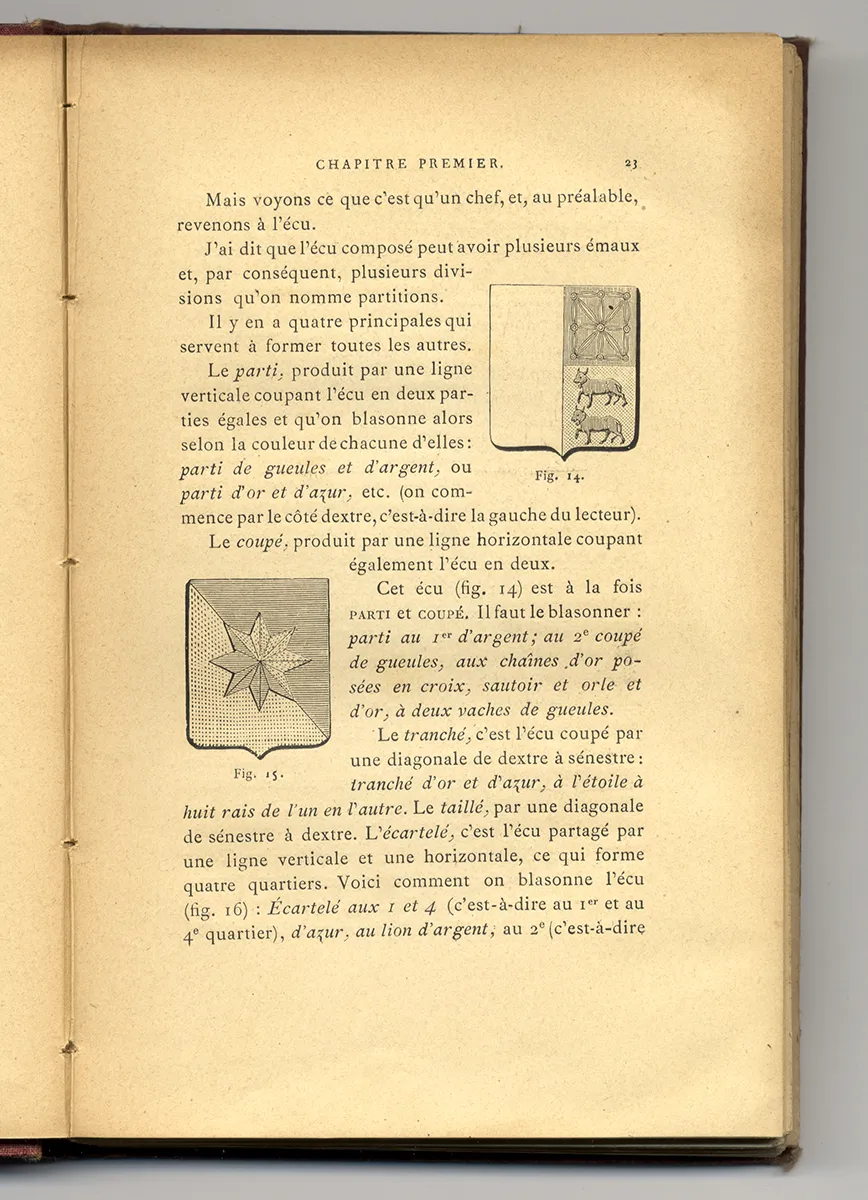
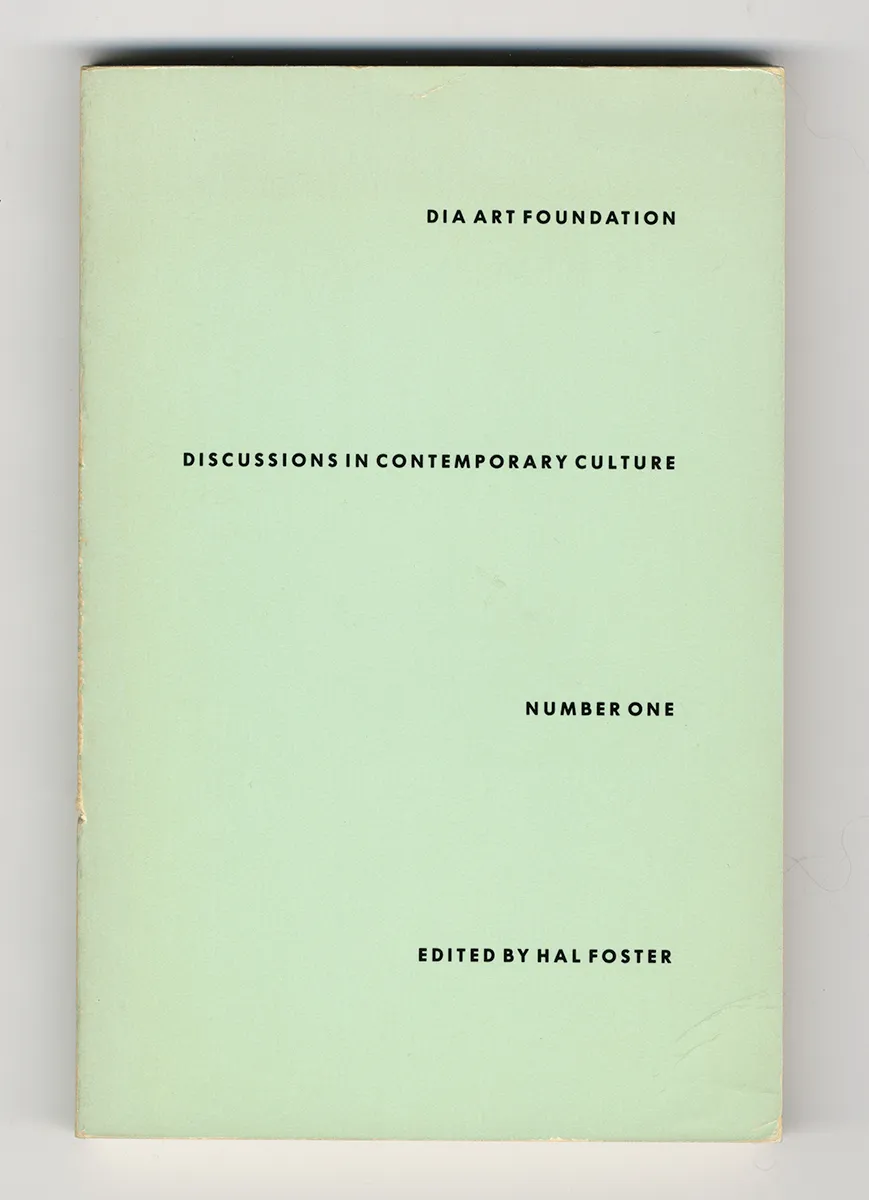
Now leaving the bookshop, I think about what it means to republish these ‘royal commentaries’ in the context of twentieth-century France. I think about the way history, transmission and colonization are approached across different editorial eras. As if in answer to this question, I discover — in the 2-euro bargain bin — a small anthology from the Dia Art Foundation, with a light typographic cover. Inside is a transcribed conversation with the artist Trinh T. Minh-Ha on the paradigm of the ‘savage’ in the fields of ethnography and art.
I make my way to Boulinier, 300 meters away. This legendary secondhand bookshop, which ‘will take anything off your hands,’ offers low-priced books with a brisk turnover. A landmark address on the Boulevard Saint-Michel, the store used to be open until 10 p.m. You can find anything and everything, including records and DVDs.
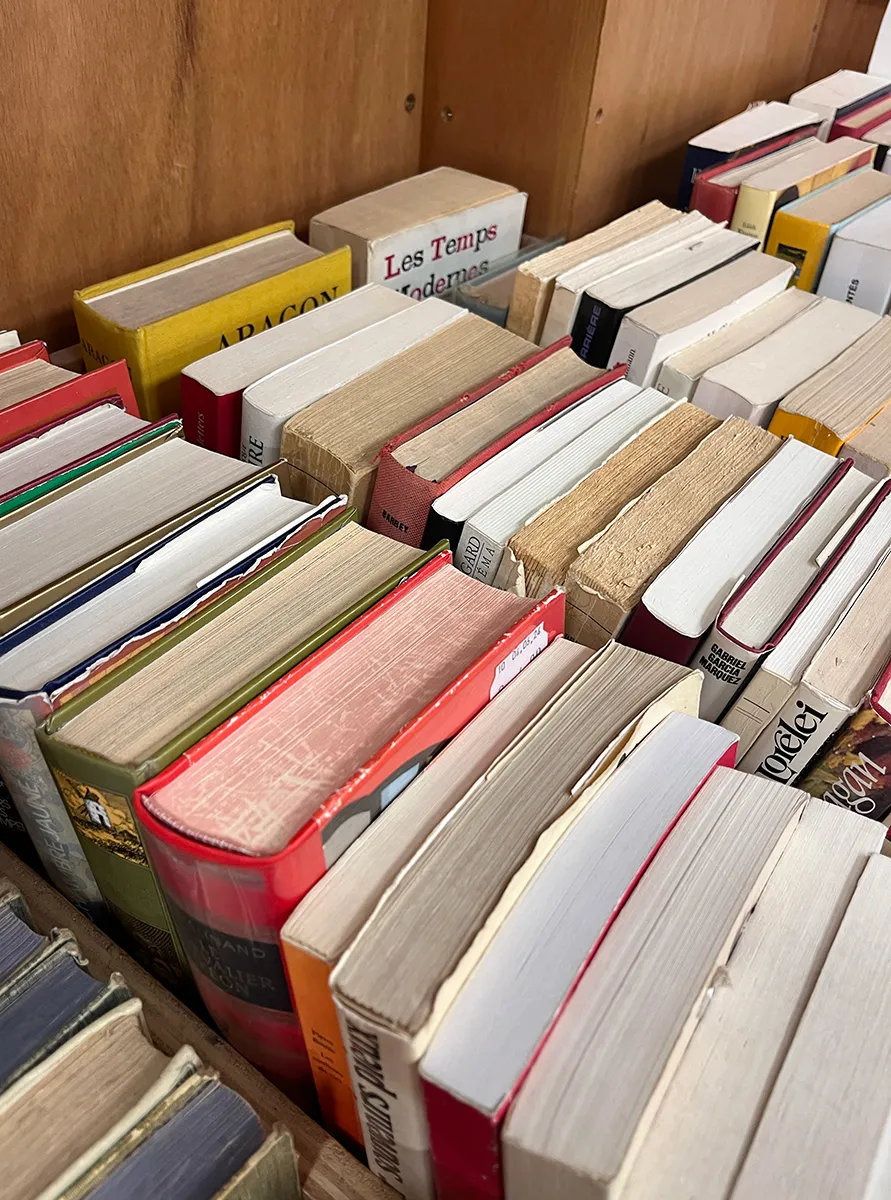
Here, books are arranged in bins, sorted by size and type (hardcovers, softcovers, paperbacks, etc.). The visibility of the front cover is not the priority; speed and efficiency of browsing are. The Clubs are rarer here, and the fact that books are in bulk rather than classified by series makes them harder to identify. Readers come and go; the flow is fast.
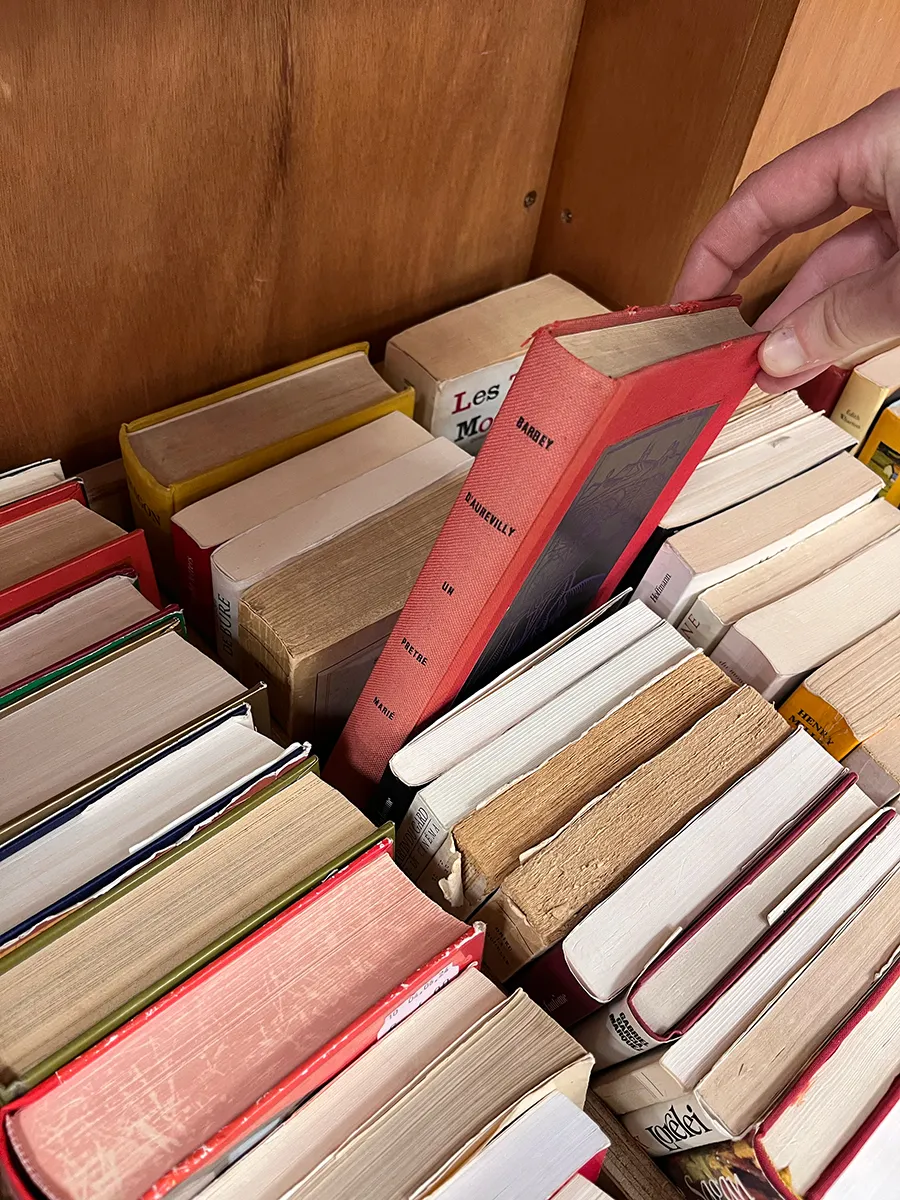
I work my way down the aisles between the bins and a fragment of red clothbound cover catches my attention — tucked just after a Simone de Beauvoir volume in the Blanche series. I recognize the ‘tiered’ typographic composition typical of the spines of the Club Français du Livre. It is Un prêtre marié by Barbey d’Aurevilly CFL643. It is striking how recognizable the Clubs can be among so many other books, even when only a tiny detail or two are visible.
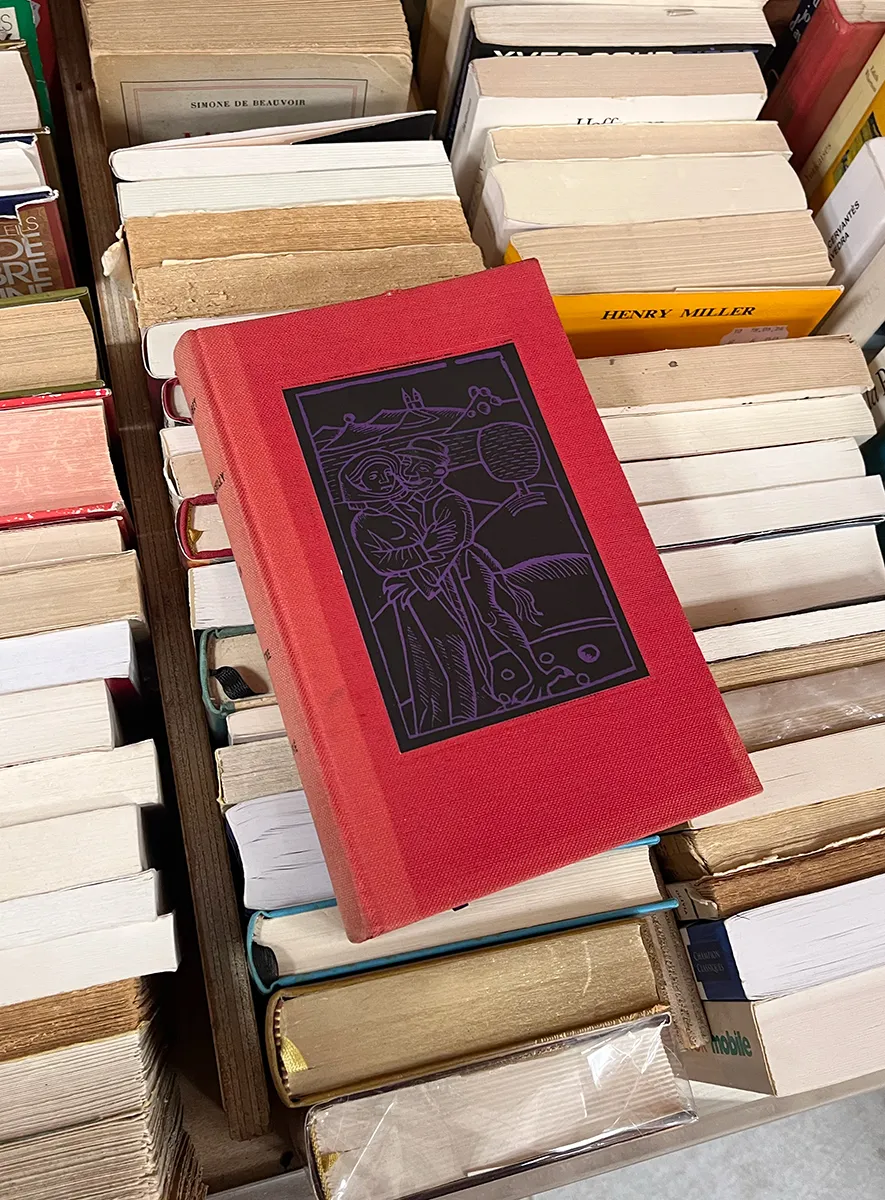
In the same bin, broadly labeled ‘Literature,’ I recognize other hardcover volumes, including several from the Soleil collection at Gallimard. This series, designed by Robert Massin — himself a celebrated designer of Club du Meilleur Livre books — looks like a hybrid creature born of a Club volume and a Blanche. And for good reason: the Soleil collection had in fact been conceived as a more refined, more luxurious version of the Blanche.
At Boulinier, books usually cost 20 cents, 50 cents, 1 euro or 2 euros — this happens to be the price of this Un prêtre marié volume. It is worth pausing for a moment to reflect on the question of a book’s value. Online, a Club (in this case Un prêtre marié) is generally priced between 10 and 15 euros. A new paperback re-edition of one of these ‘classics’ is also around 10 euros. The PDF of the same book may also be available free of charge on Gallica or archive.org if the book is past copyright.
What would prompt one to read this text in a Club edition? Where does the appeal of a Club lie today? Should we conclude that the interest lies primarily in the graphic form, as a work of art in its own right? Or is it the fascination with objects from the past, bearing witness to an era of exceptional graphic freedom? With this in mind, I wonder how Club books sit alongside recent books, and head toward a bookshop whose shelves have the particularity of holding both new and secondhand books side by side.
So here I am at Gibert Joseph, another institution of the Boulevard Saint-Michel, three minutes from Boulinier. I make my way up to the second floor, between the ‘Poetry’ and ‘Fine Arts’ sections. In a corner, slightly out-of-the-way, there is a small bibliophile section with a few art editions, as well as display cases holding first editions, rare books and signed copies.
Here there is a whole shelf devoted to the Clubs, even arranged by family, giving the impression of an intentional curatorial gesture. There too are the colorful volumes of the Soleil collection that I saw earlier at Boulinier. This intrigues me, and I begin to picture, as in a daydream, a specialist bookseller in charge of the Clubs department at Gibert Joseph, a connoisseur and exegete of the work of Jeanine Fricker or Jacques Darche. I convince myself enough to ask the booksellers at the register whether they can tell me anything about the Clubs section and direct me to the person who choreographs it.
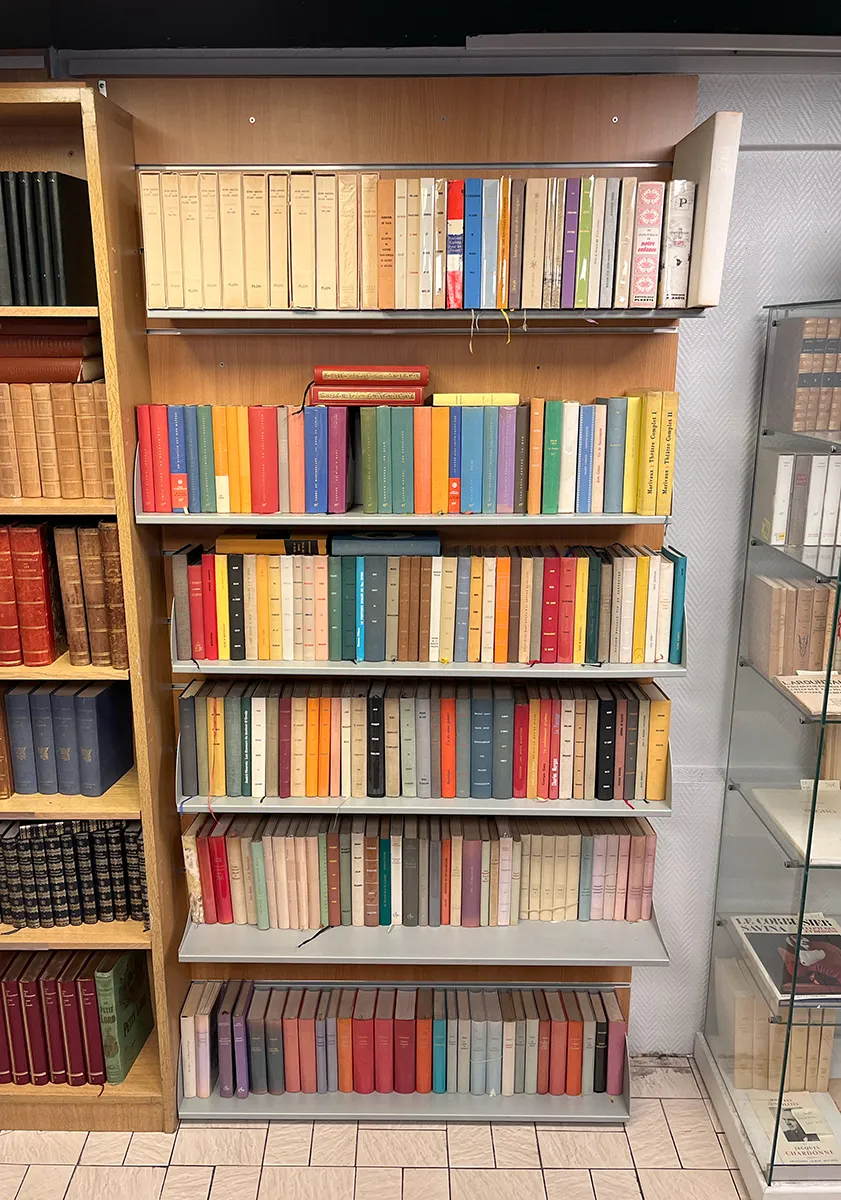
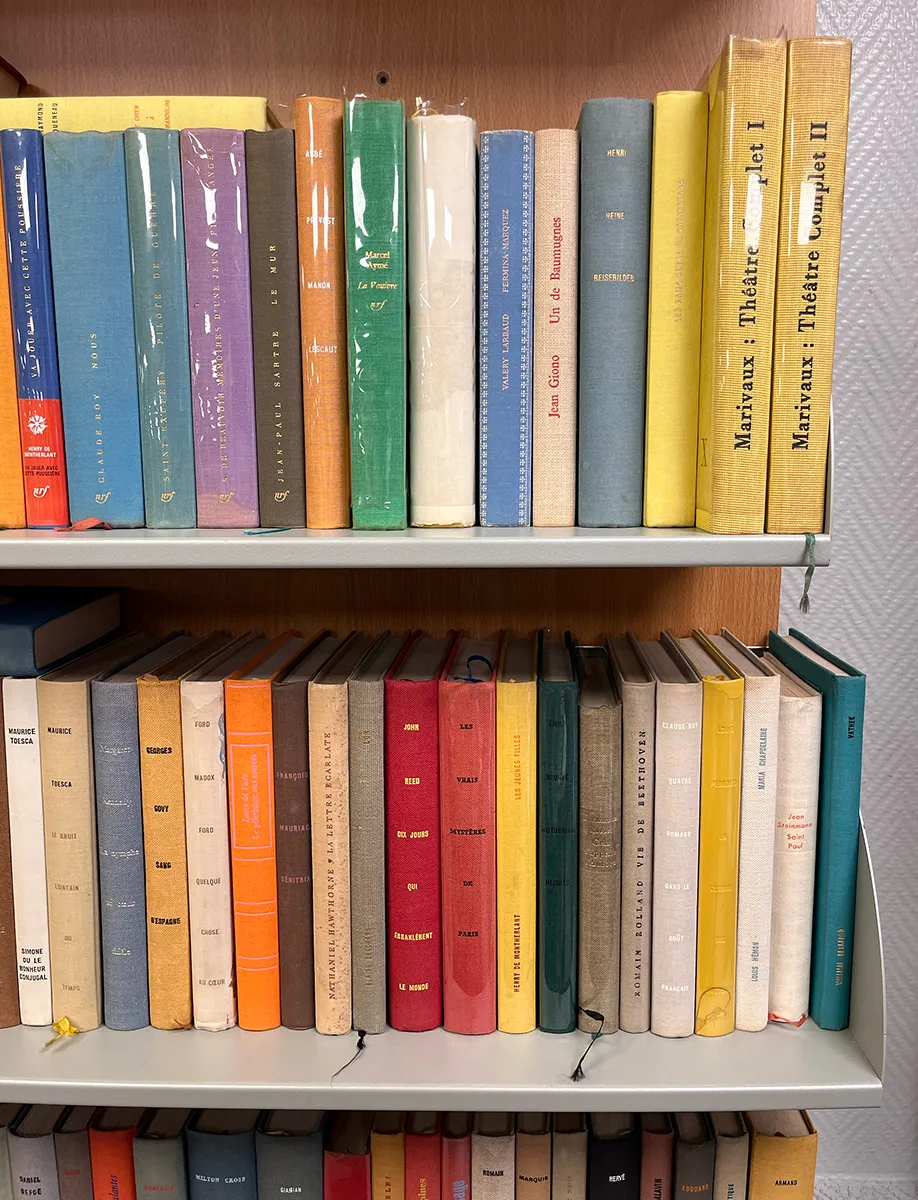
‘We don’t have an old-books specialist’ — the answer pulls me out of my biblio-reverie. ‘The arrangement happens naturally, depending on what comes in, on the people who sell us their books,’ adds the bookseller, who seems to be discovering these volumes on the occasion of my question. And yet the effect is remarkable: this is the first time today that I have seen so many Club spines gathered together, almost as if we were in the living room of a private collector. In Paris, the only comparable example might be the Clubs section at the Librairie de l’Avenue, in Clichy. There, the organization is intentional, as the names of the designers penciled inside the books testify, like a sales argument or an added value. Even so, the idea of a natural sedimentation, of Clubs shelved as they naturally come into stock, pleases me a great deal. The reasonable price of each volume (5 euros) also de-sacralizes the ‘bibliophile corner’ effect of the place.
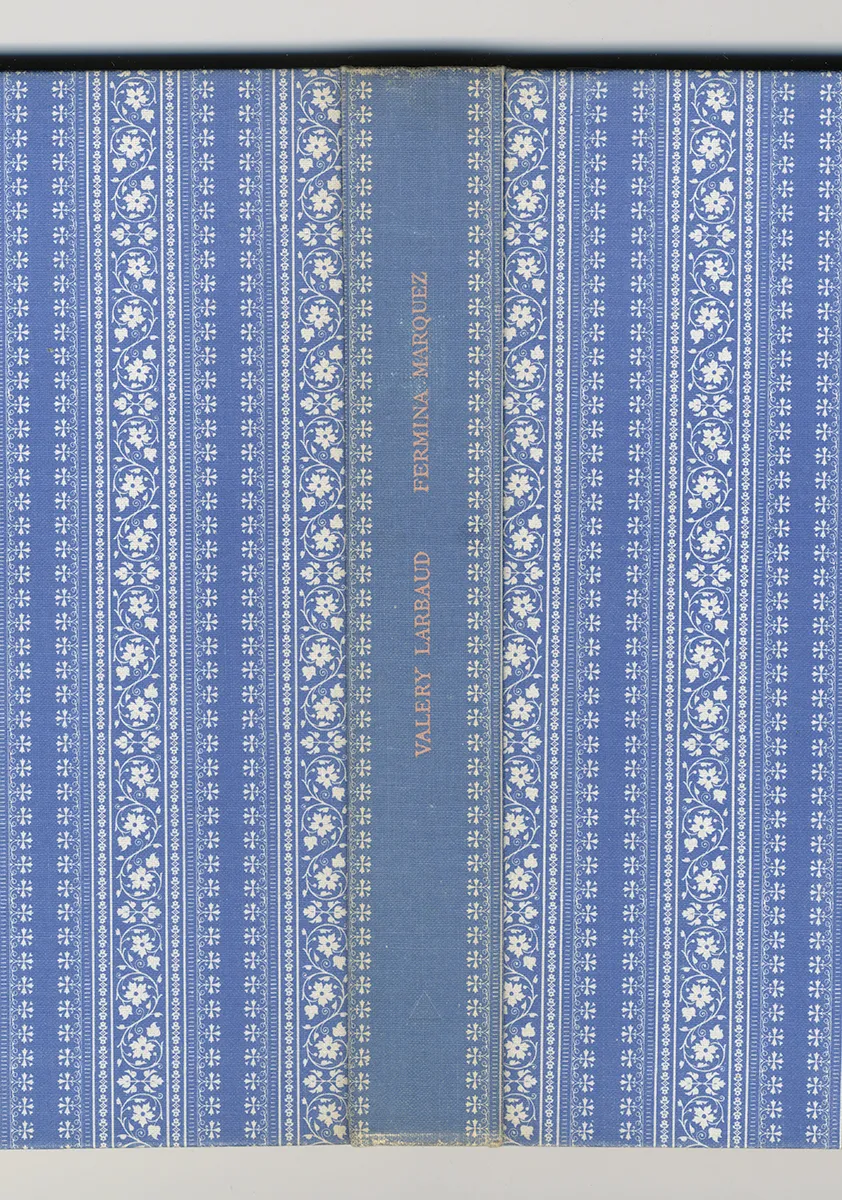
Facing this display of Clubs, I take a look at the spines, and one stands out: edges decorated on both sides along their full length, from head to tail. It is Fermina Márquez by Valéry Larbaud, at the Club du Meilleur Livre, in a design by Jeanine Fricker, 1957 CML143. The book is set in Ronaldson, a typeface drawn in 1884 by Alexander Kay, a Scottish type designer based in Philadelphia. Ronaldson is said to be the first typeface ever drawn in North America. For me it remains associated with another Club book, Cette mer qui nous entoure (The Sea Around Us) by Rachel L. Carson, designed by Jacques Daniel for the Club Français du Livre, also in 1957 CFL520. Ever since that reading, this typeface has been forever linked, in my mind, to the oceanographic world, to the discovery of marine life. Its sharp serifs cleaving the water, swordfish snouts. It so happens that another edition of Carson’s book exists, this time at the Club du Meilleur Livre, published in 1954, designed by… Jeanine Fricker.
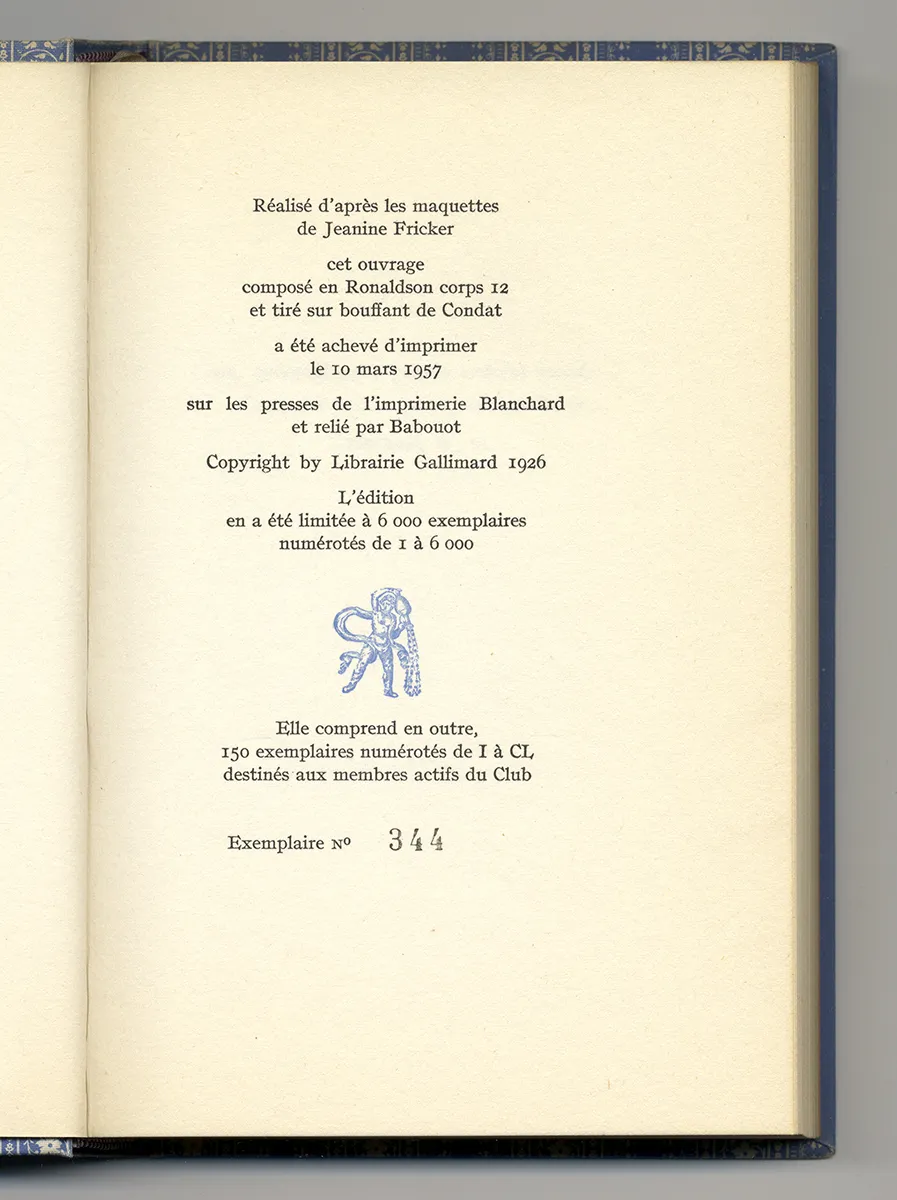
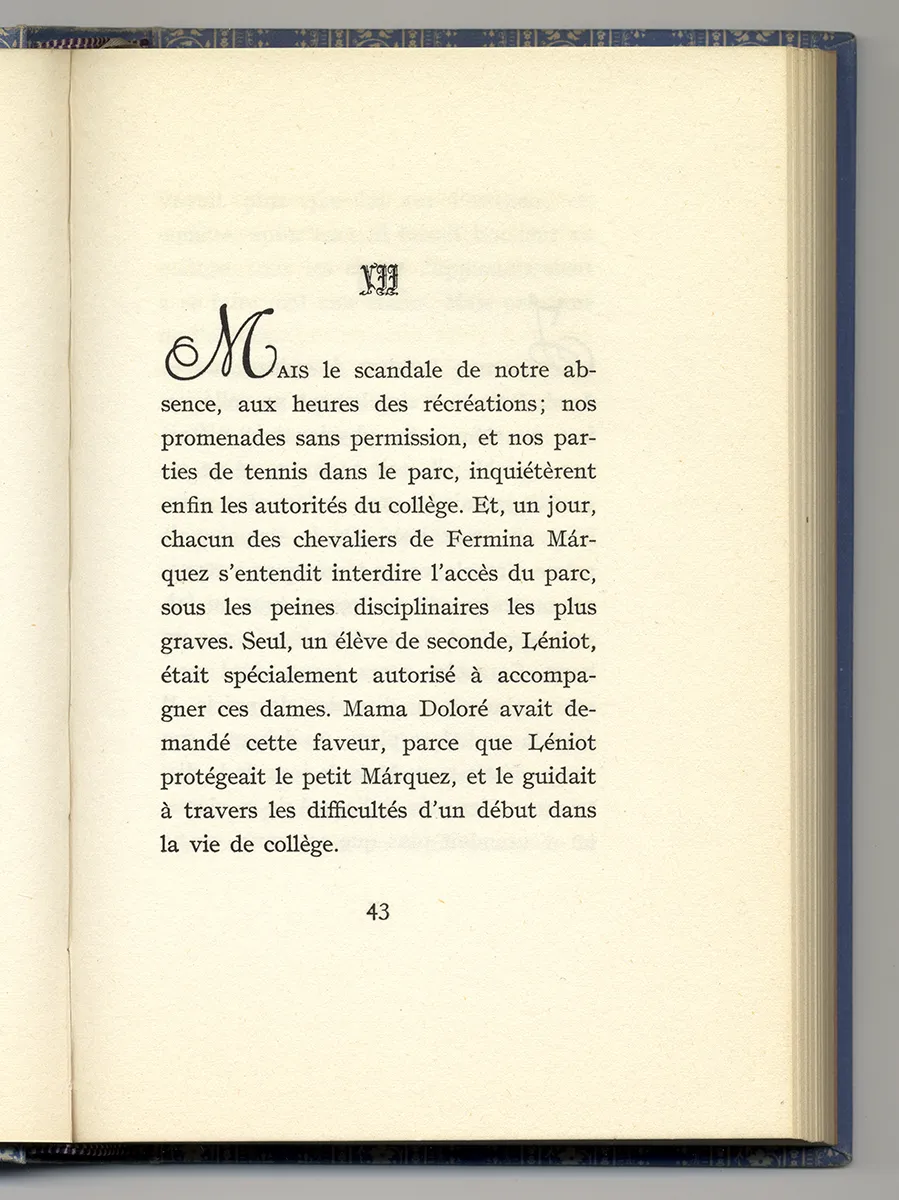
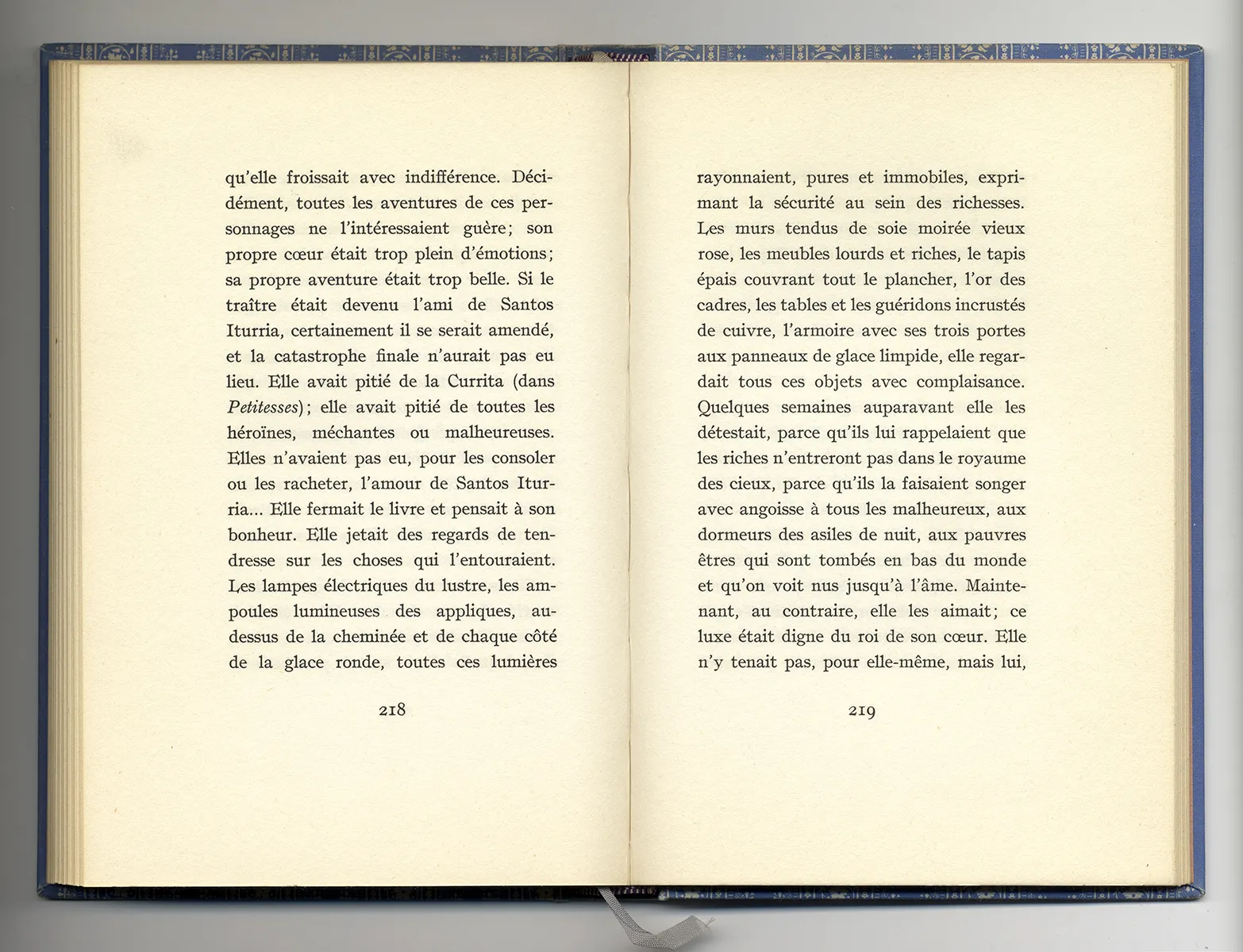
In Fricker’s Fermina Márquez, Ronaldson is set in 12-point, the columns of text are narrow, with at most seven or eight words per line. The margins are ample, and Ronaldson takes on the piercing elegance of the rose; the double-page spread becomes a window onto a memory, that of a fleeting bloom and of the precious, rare space of what will not return.
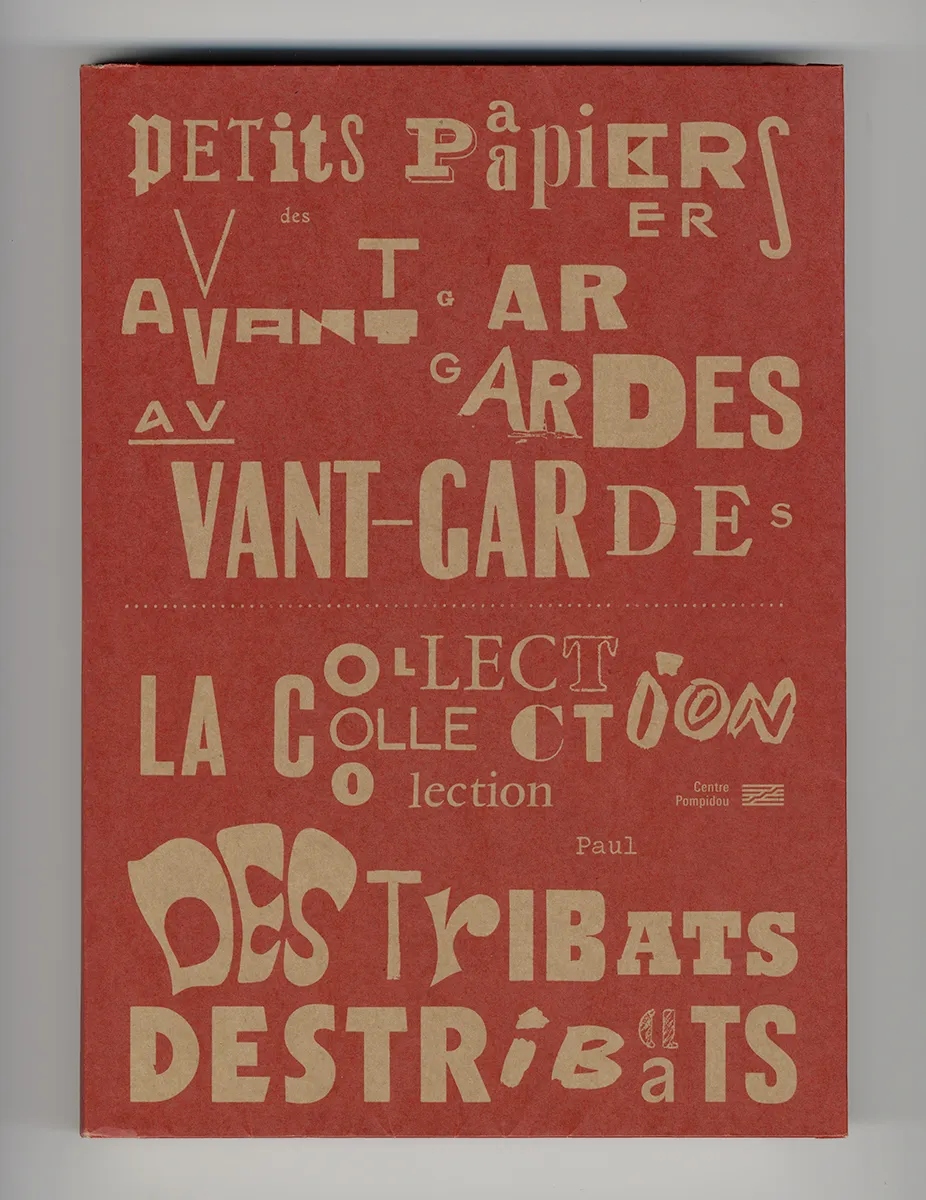
I want to see Fermina Márquez’ cover and its motif in daylight. Before leaving Gibert Joseph, I wander into the neighboring ‘Fine Arts’ section, where I come face to face with a newly published book I had been searching for. It’s Petits papiers des avant-gardes, drawn from the Paul Destribats collection, edited by Nicolas Liucci-Goutnikov, Bernard Blistène and Mica Gherghescu. The book is a celebration of the richness of those small, ephemeral, light documents produced by the protagonists of the experimental artistic currents of the twentieth century. These are singular, inventive, free objects which — in all their fragility and instability — circulated actively within the avant-garde movements while escaping any classification. Their activations and displacements carried them to unexpected places, far from their origin. In particular, the book examines how these little papers slip between the pages, coming over time to ‘truffle’ books.
This practice of the ‘truffled’ book — when a book is stuffed with paper inserts by its readers — brings me back to the memory of the Club edition of Boaistuau’s Histoires prodigieuses CFL700, that I came across one day at the Cluny bookshop. Inside are more than thirty documents — postcards, press clippings, conspiracy-theory chronicles, bibliographic inventories and other speculations on the occult and the paranormal — all added by its previous owner.
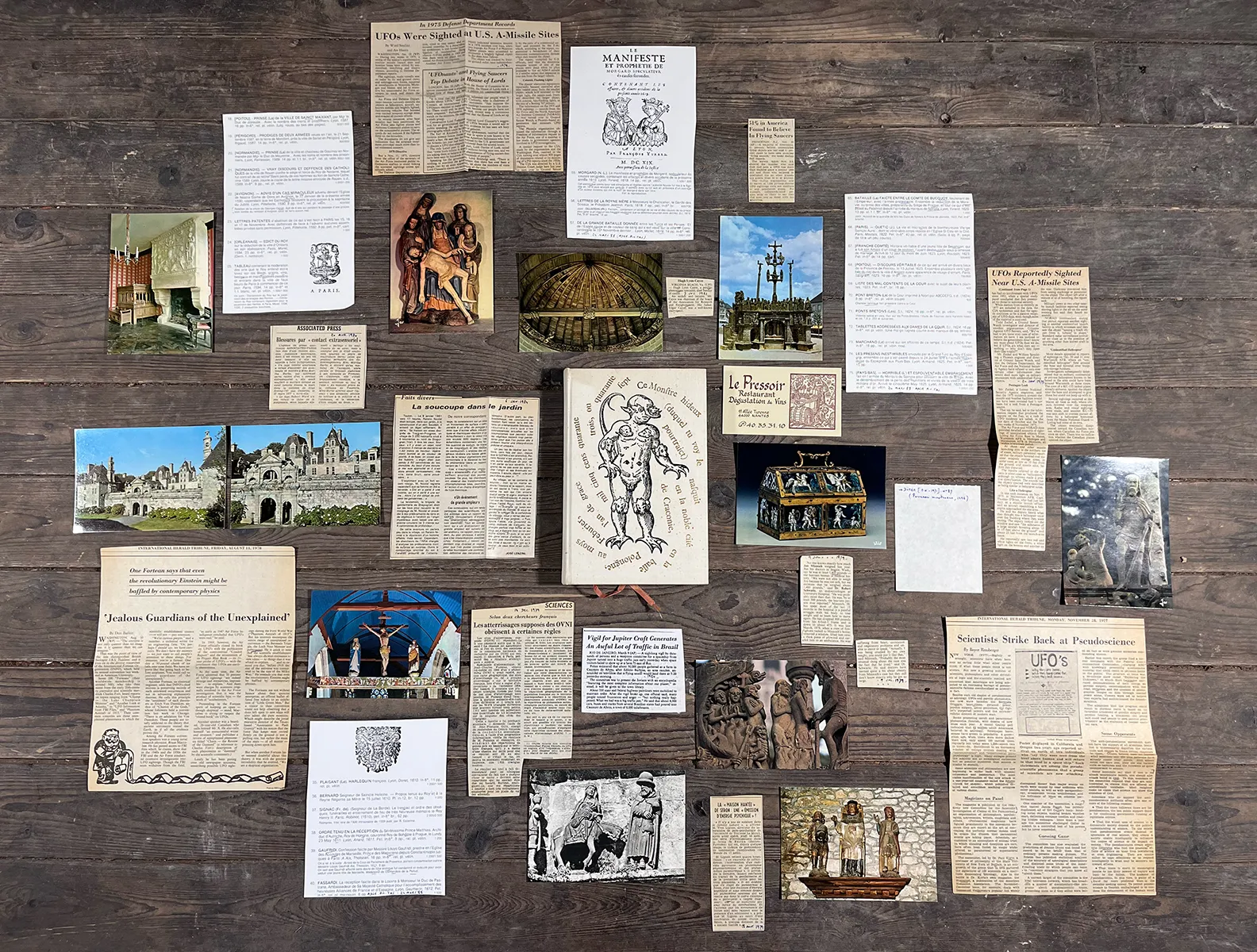
Carrier of the living gestures of earlier readings, the book also becomes a box, a container or suitcase for all these little papers in transit. In this respect, the Club books seem to be the most attractive to such itinerant ephemeral objects, to the point where one wonders whether their narrative graphic energy might not naturally magnetize other stories and clues, setting the senses to work as much as the imagination.
The discovery of Petits papiers des avant-gardes makes me instinctively turn back. Returning to the Clubs shelf, I notice the complete run of Guillaume Apollinaire’s Complete Works, edited by André Balland. Nestled among these volumes are the four book-shaped boxed sets containing a fabulous corpus of documents related to Apollinaire, prepared by Daniel Jacomet and reproduced in facsimile. The idea of the book as a shell for printed ephemera finds its apex here, with a beautiful coincidence: the graphic design of this set is by Pierre Faucheux.
I continue my Club-foraging along the river bank, heading toward the Institut du monde arabe. Beyond the Pont de la Tournelle, I find several bouquinistes whose boxes I know regularly contain Clubs. Two of them in particular specialize in literature and also carry books from the Blanche collection and from Éditions de Minuit.
Arriving there, under a sky that is overcast and cool for a July afternoon, only one of them is open, and the selection of Club books seems thinner than usual. The bouquiniste has four boxes, the fourth devoted to ’2-euro volumes. In search of the unexpected, I make my way toward that one, uncertain of its potential treasures.
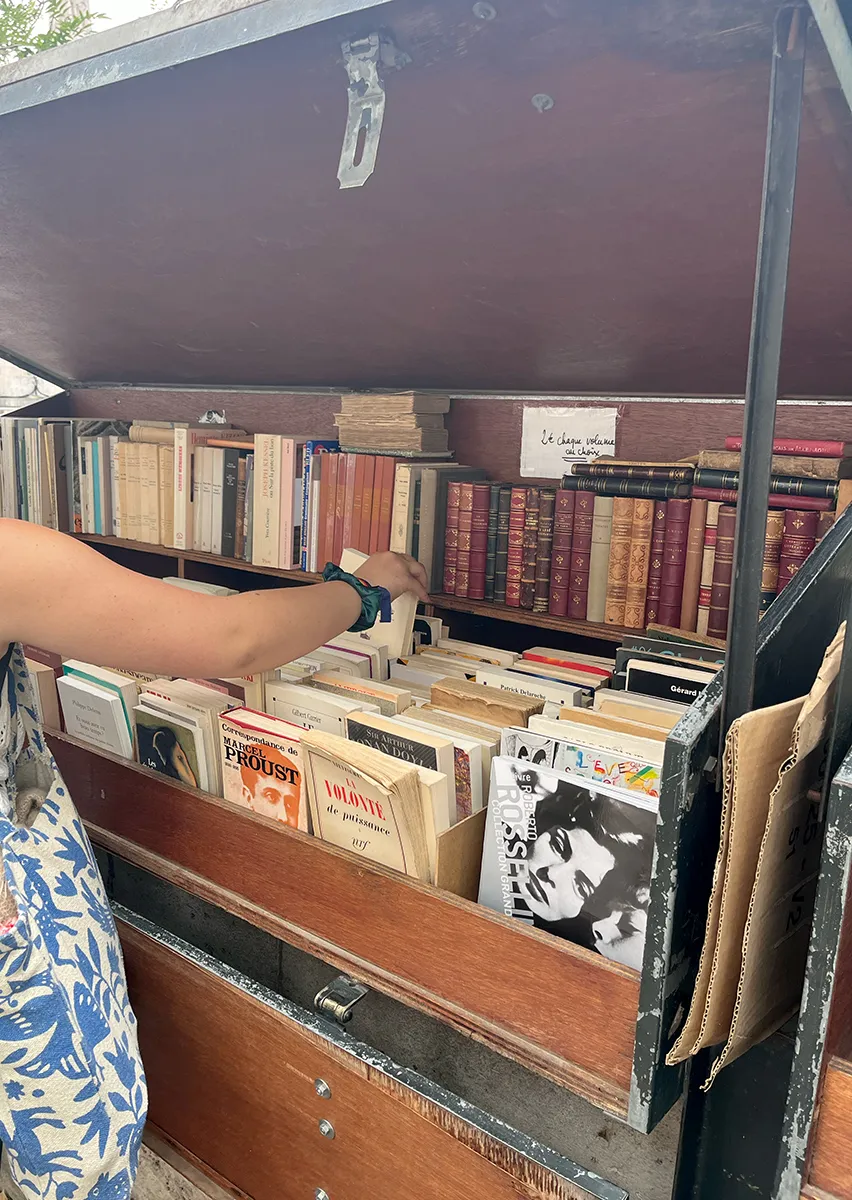
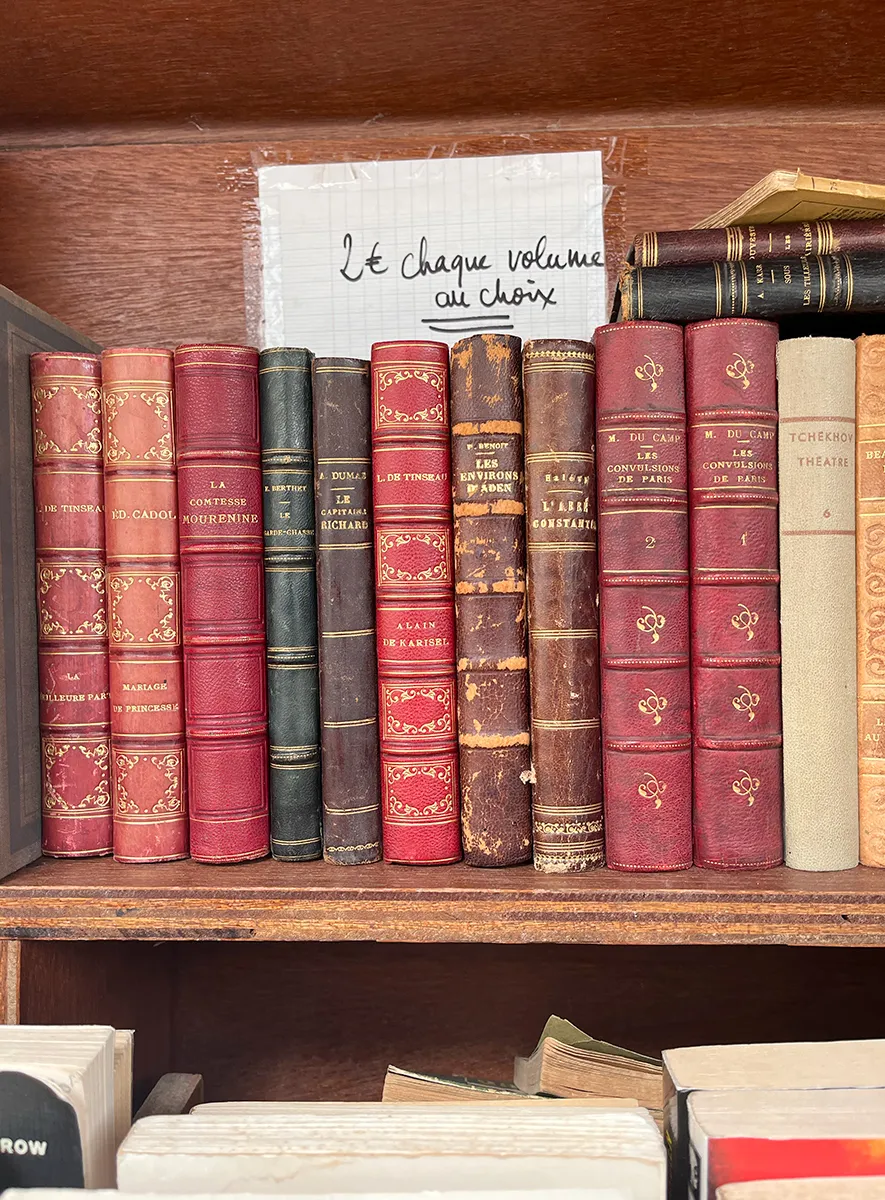
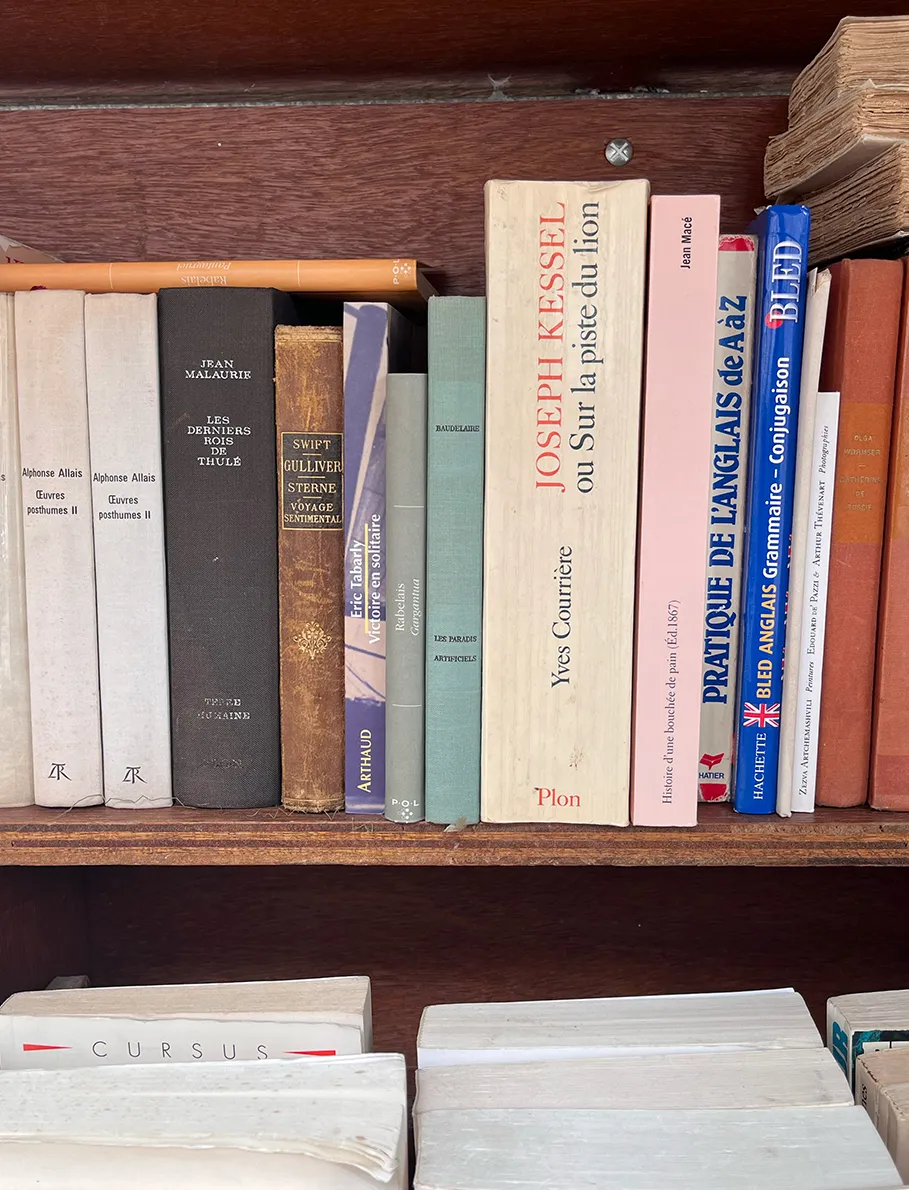
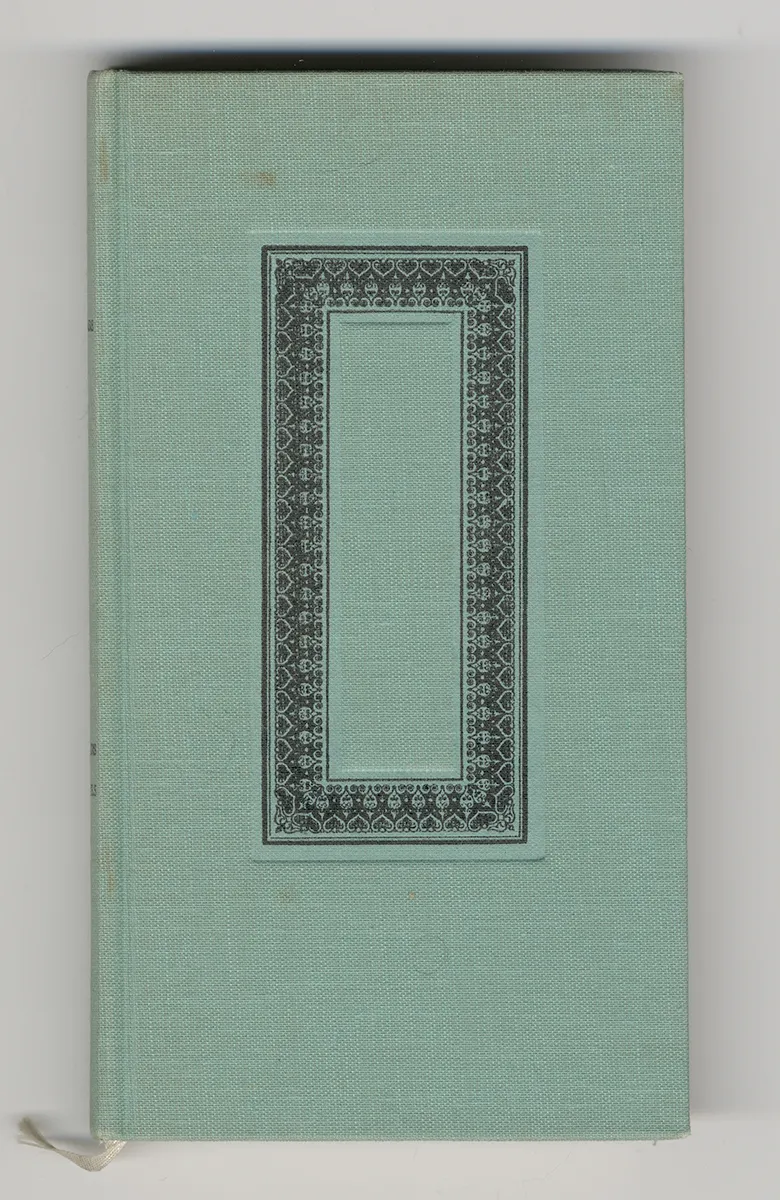
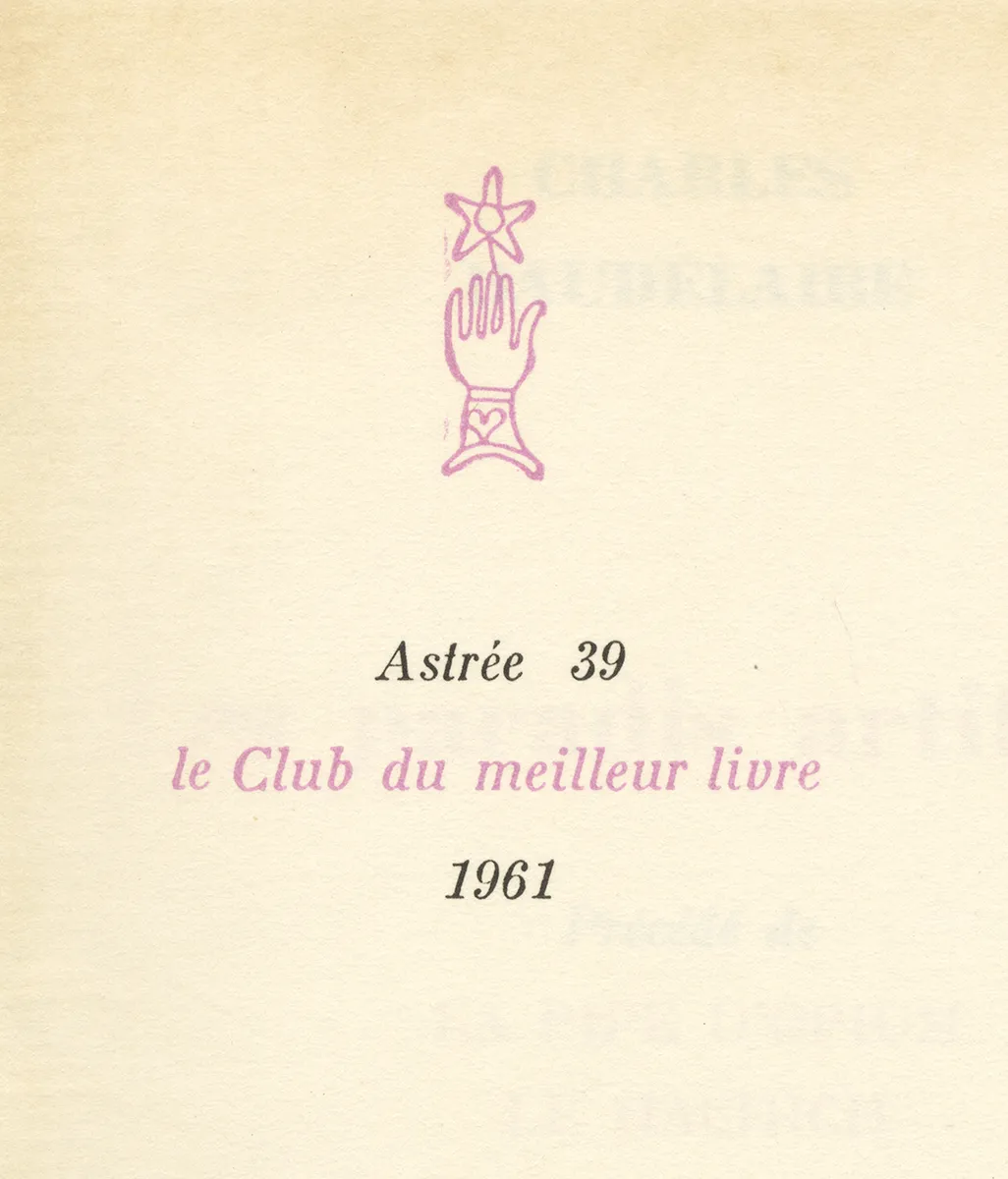
Browsing the small shelf running above the book bin, I notice a discreet cloth spine that could easily dissolve into the misty reflections of the Seine. It is Les Paradis Artificiels by Baudelaire, in the Astrée collection of the Club du Meilleur Livre CMLS49. The two inscriptions on the spine, set in their inset panels, signal themselves in a subtle yet magnetic way, like two irresistible poles: “BAUDELAIRE” and “LES PARADIS / ARTIFICIELS”.

I pick up the volume and open it, to discover that it has been generously truffled and annotated. The previous owner’s notes (perhaps the sociologist Jean Ziegler, if we rely on the dedication inside?) mingle with Baudelaire’s own annotations, reproduced in facsimile, in a delicious impression of continuity and inframince writing. This returns me to the living presence of the document in Club books and to the little papers I encountered at Gibert Joseph. I am moved by this sympoietic relation.
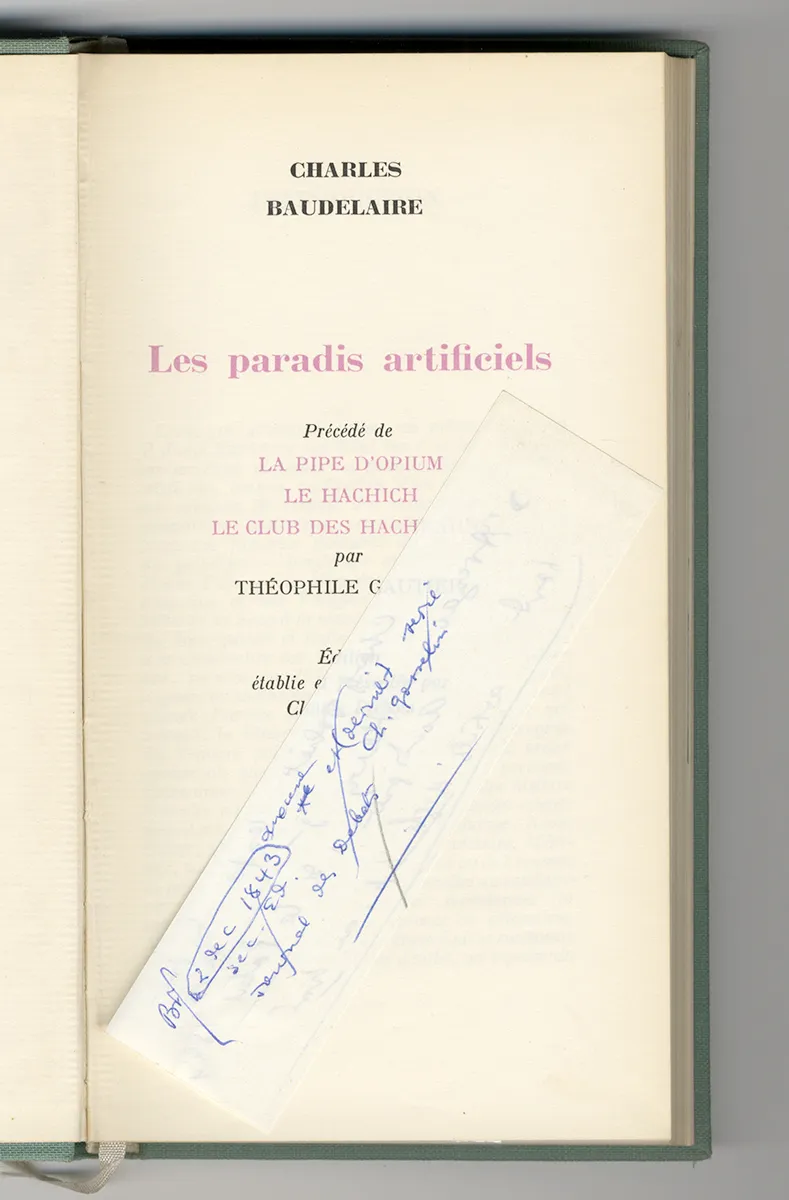
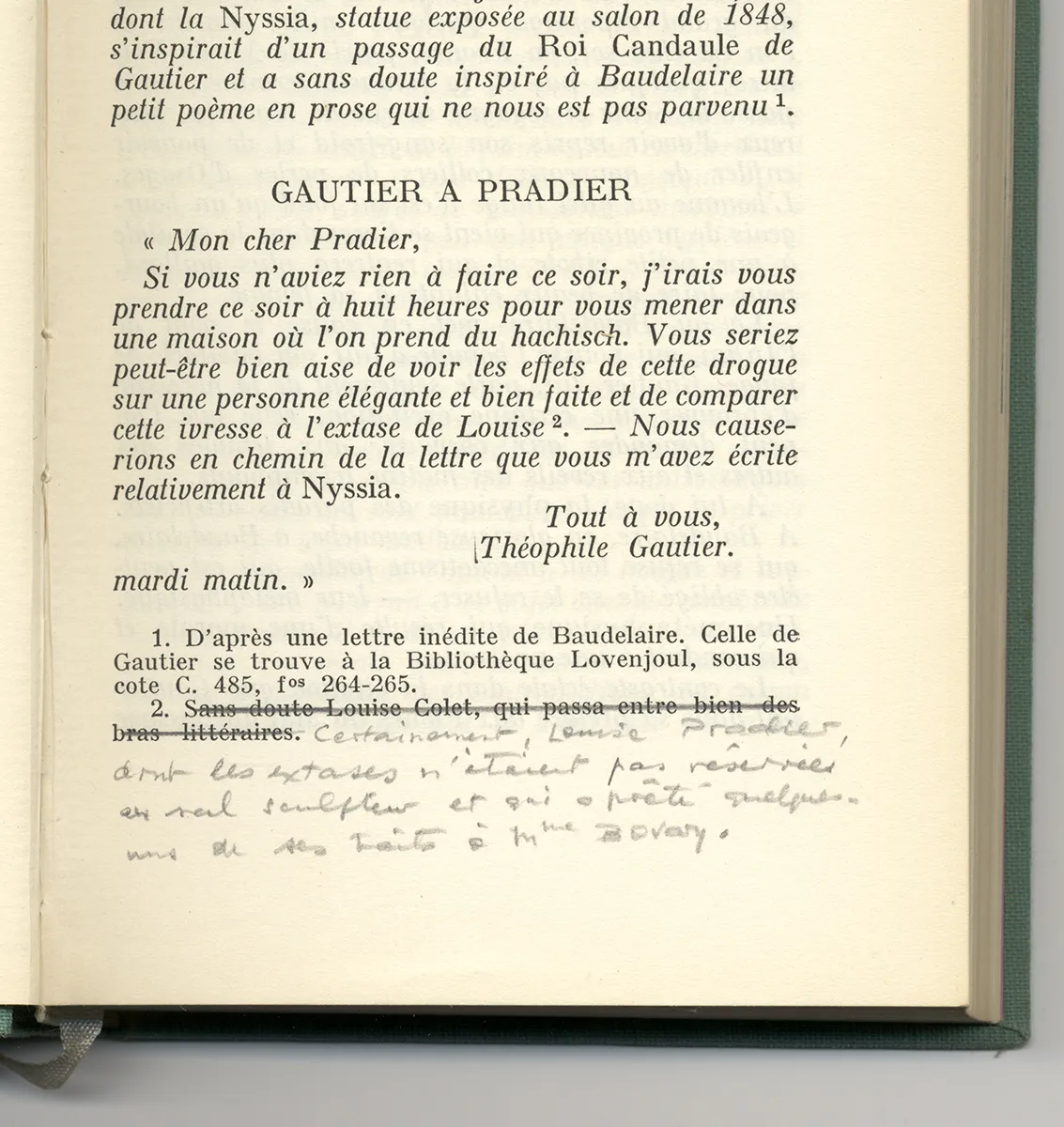
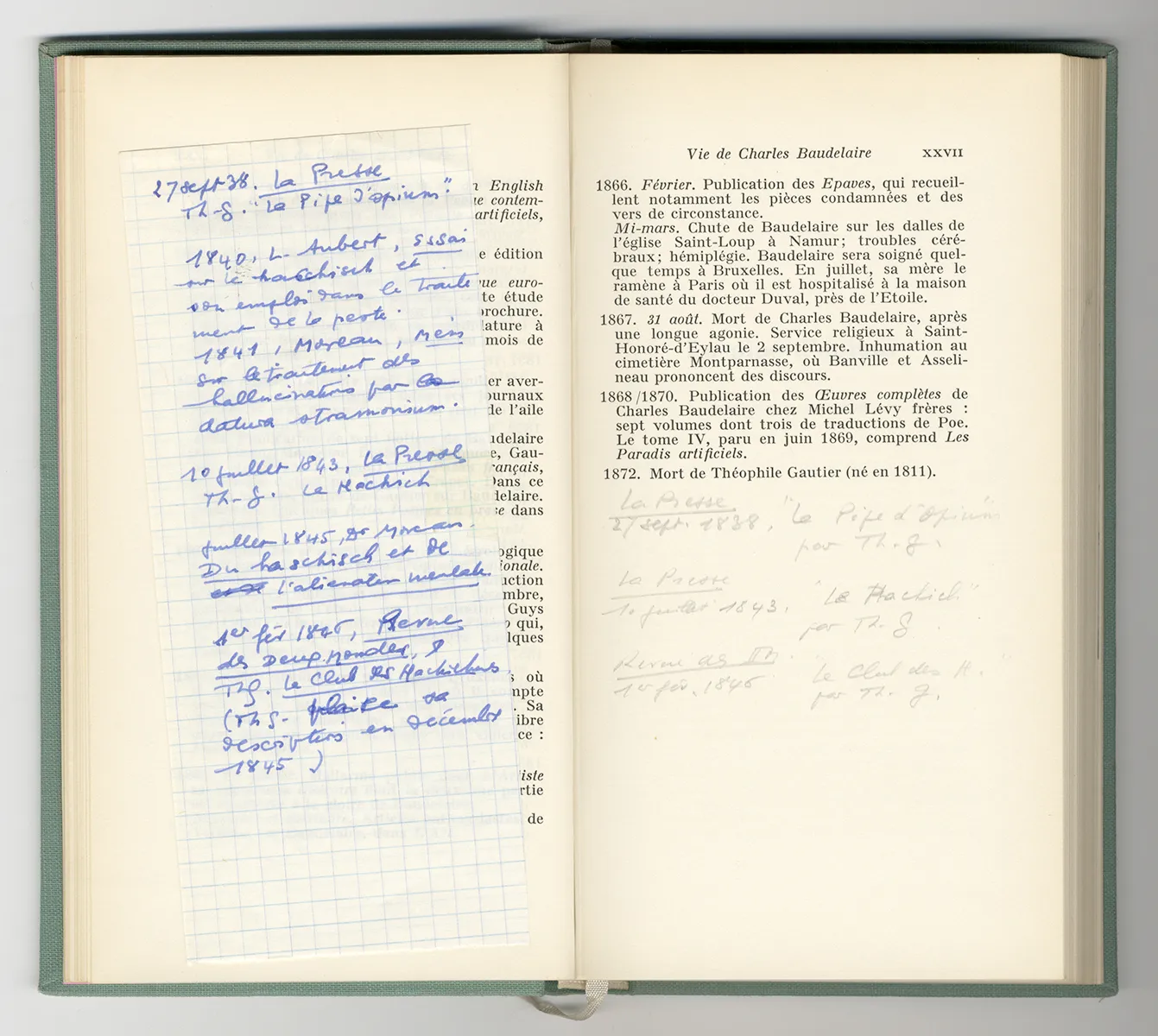
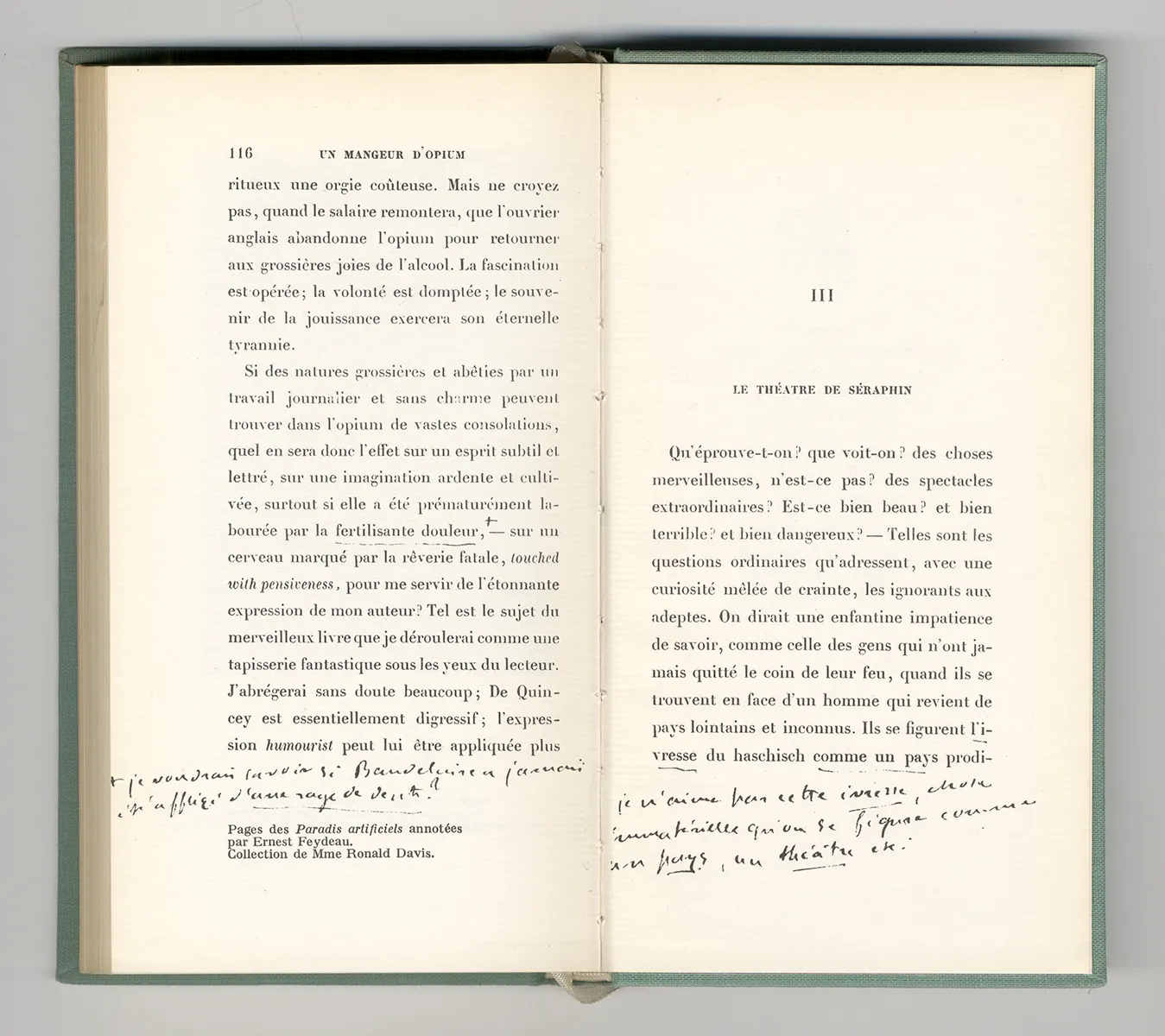
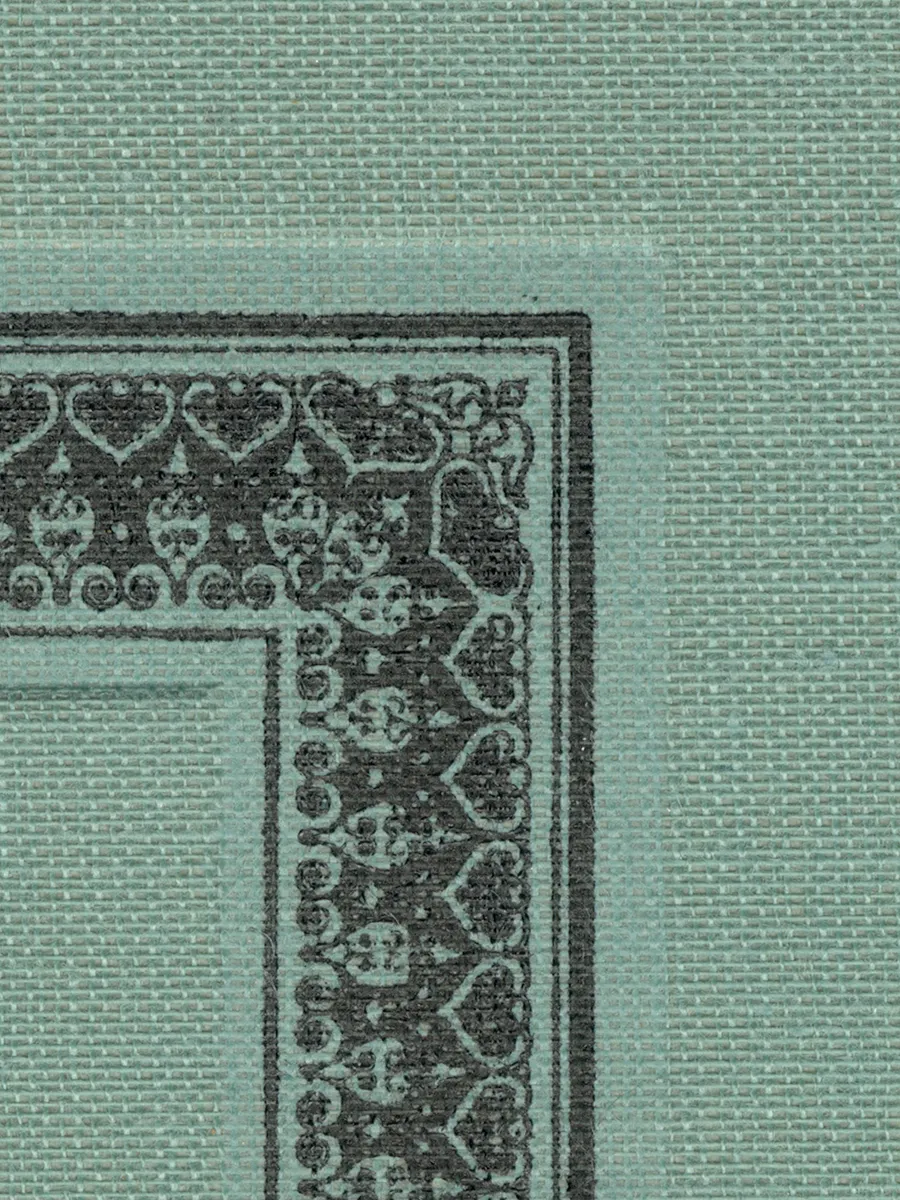
This volume of Paradis artificiels was designed by Jeanine Fricker, just like the Fermina Márquez I picked up earlier. Its front cover — like that of all the volumes in the Astrée collection — has an ornamental frame whose pattern seems to respond mischievously to Fermina’s.
I decide to buy this 2-euro volume, but I have no change on me. I tell the bouquiniste that I am going to withdraw cash on the other side of the bridge — he agrees, then, when I come back, changes his mind and hands me the book with an equally mischievous look: “It’s on me.”
The Gift
It is August 26, and some weeks have passed since that journey to meet the Clubs on the Left Bank. I haven’t been back since the memorable gift of the Astrée volume. However, a reader I had met while working on a different project recently wrote to me to offer a substantial donation of Club du Meilleur Livre volumes, which I am to collect today. Her house is two villages away from where we now live. She tells me she inherited these books from her aunt, who worked for the Club du Meilleur Livre. She also tells me how vividly she remembers the importance of these books — which she has lived with since she was very young — in her artistic education, in shaping her eye for reading and for the form of a book. But for her a page is turning, and she would like these books to take a different path.
As for me, I have been a father for almost a month, and in the reverie of these new hours, I see my son growing up among all these Club books, the foraged, the found, the gifted ones… and accompanying him graphically in his awakening, among stories and clues.
And I know that he and I will have fun making books together, doing as the Clubs did, inventing new formats: learning by observing and handling; passing it on by drawing our own designs, d’après les maquettes de.
D’après les maquettes de is a formulation used in the Clubs to credit the designer of the book, literally meaning ‘after/following the layouts of…’