Le Club de la Femme, between eclecticism and standardization
Bibliothèque du Club de la Femme and Cercle du Bibliophile
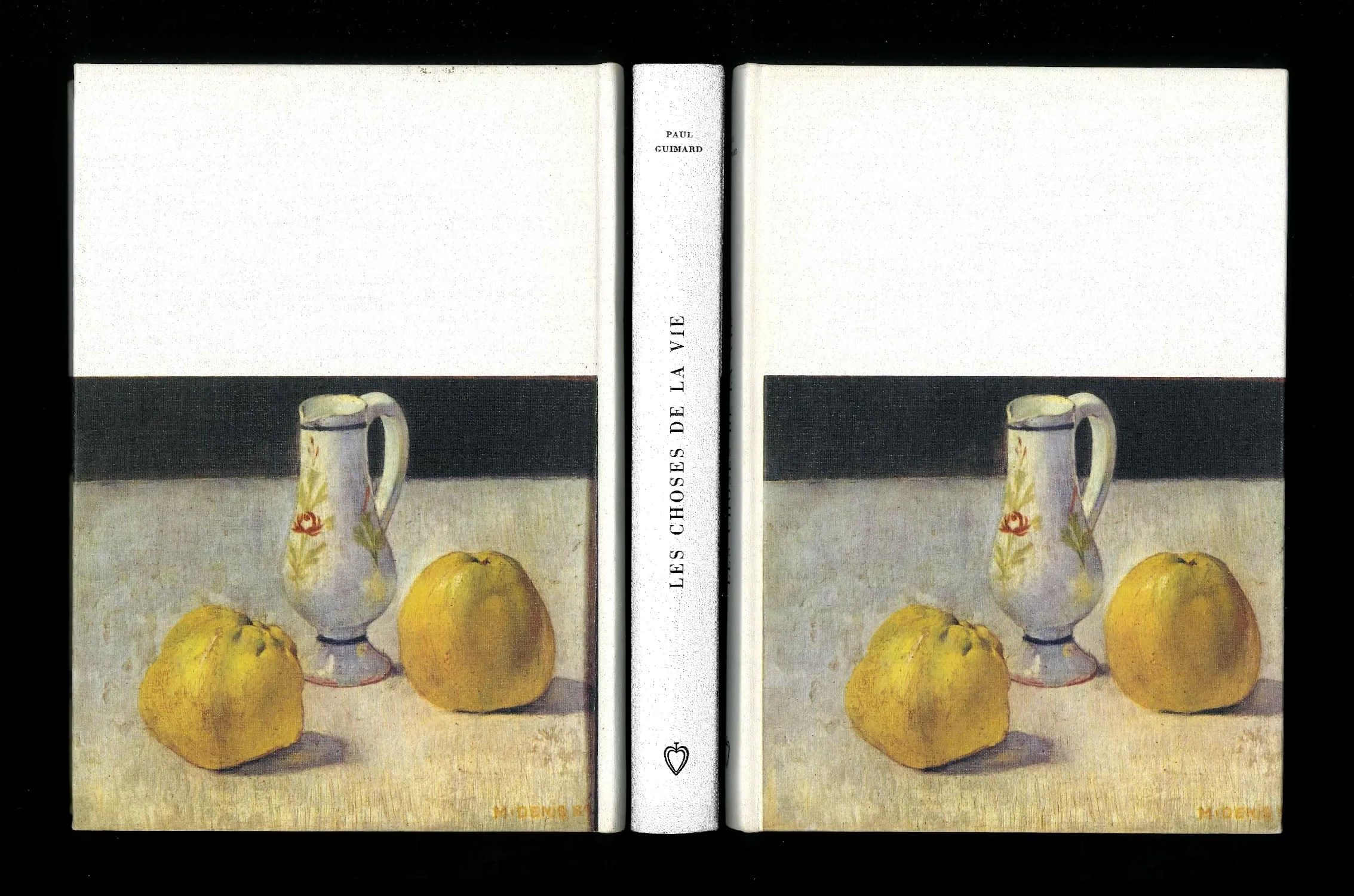
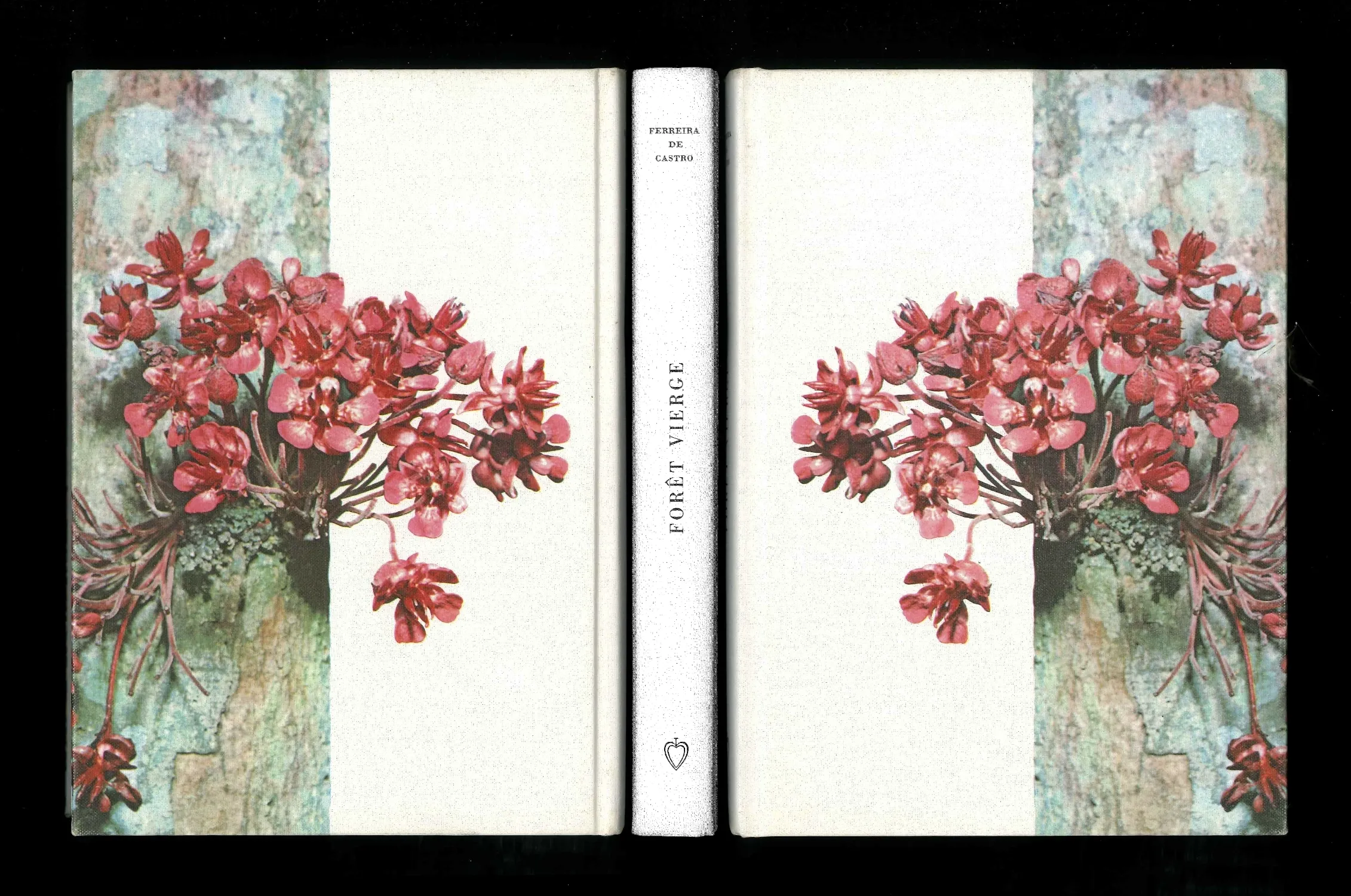
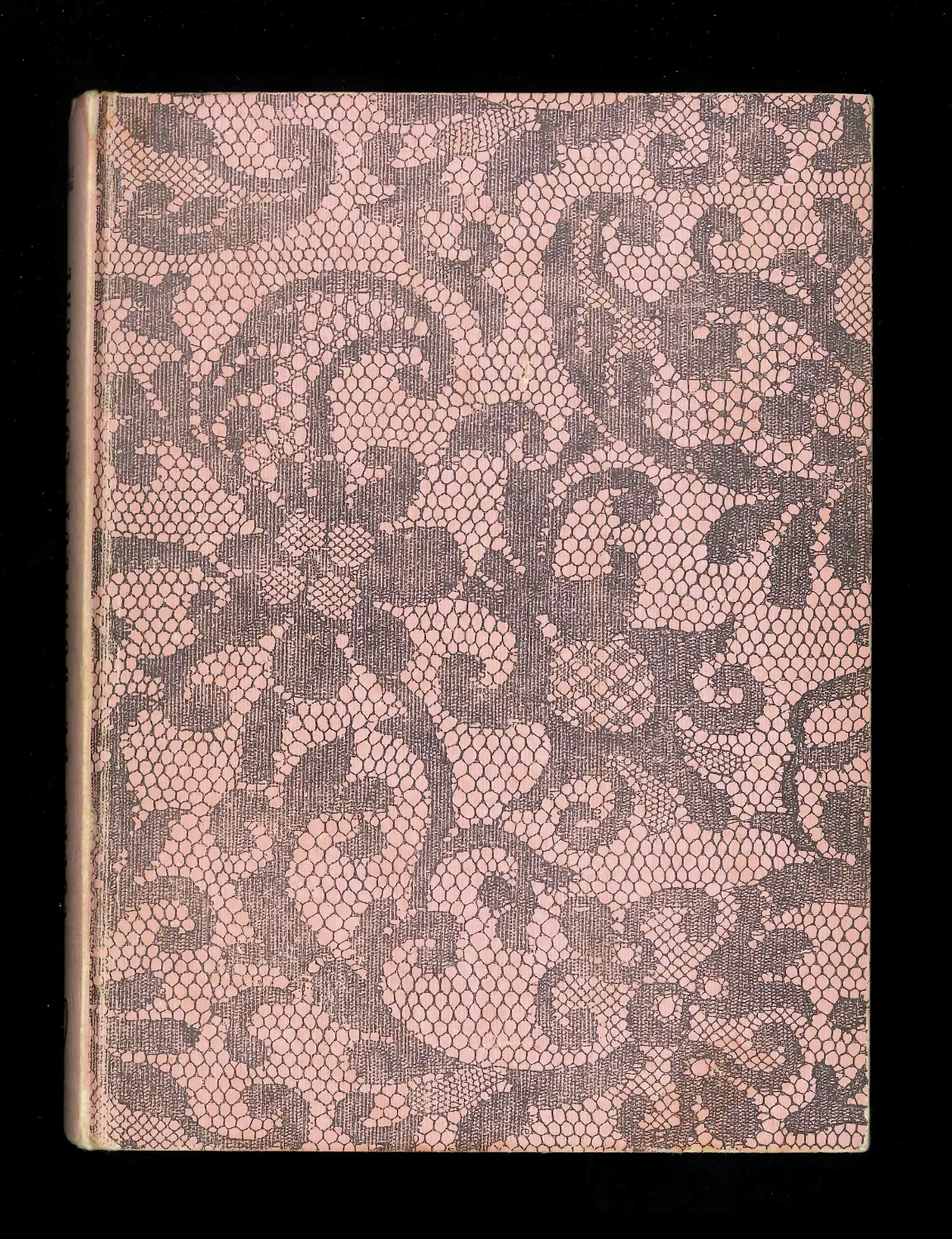
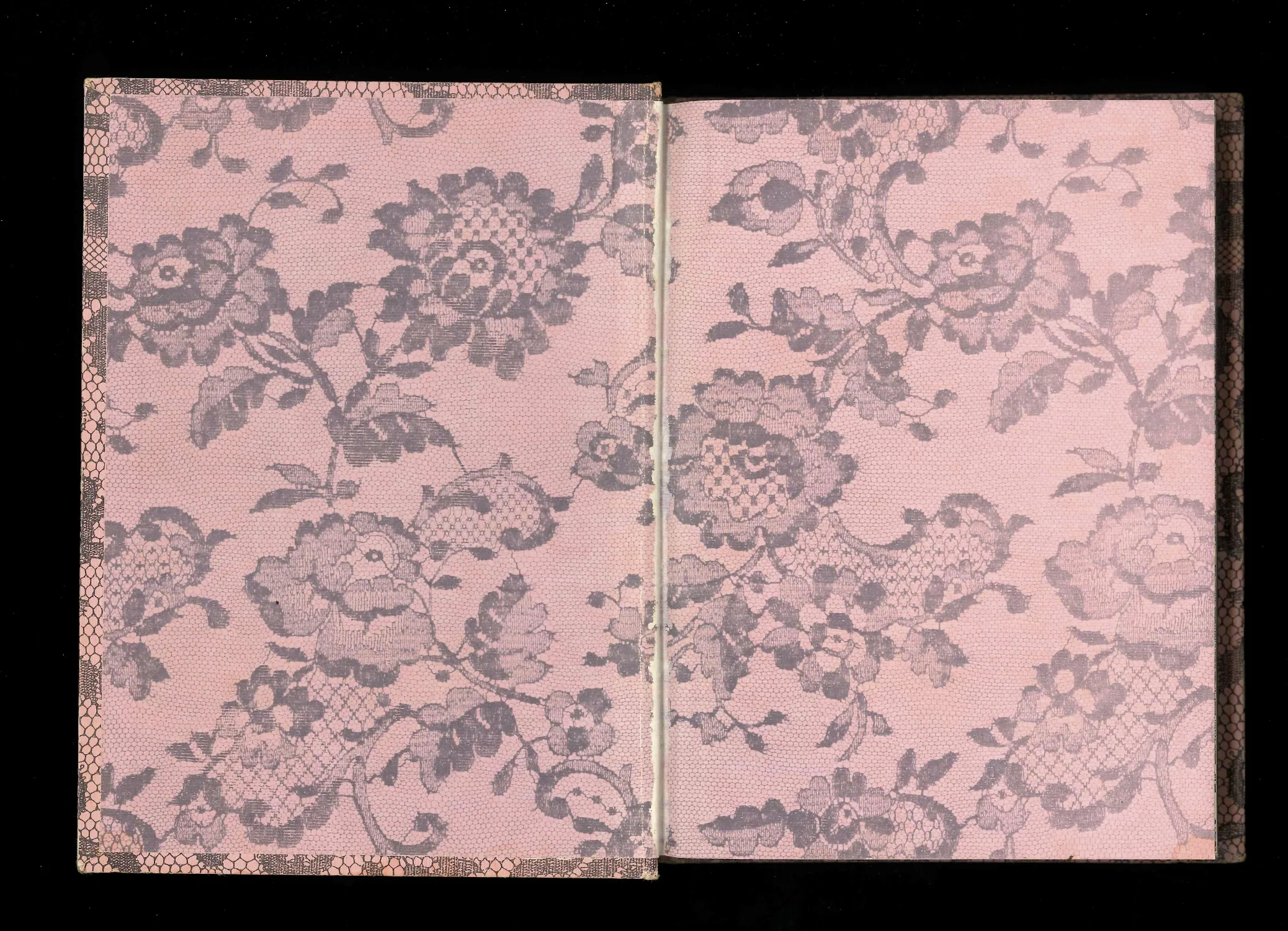
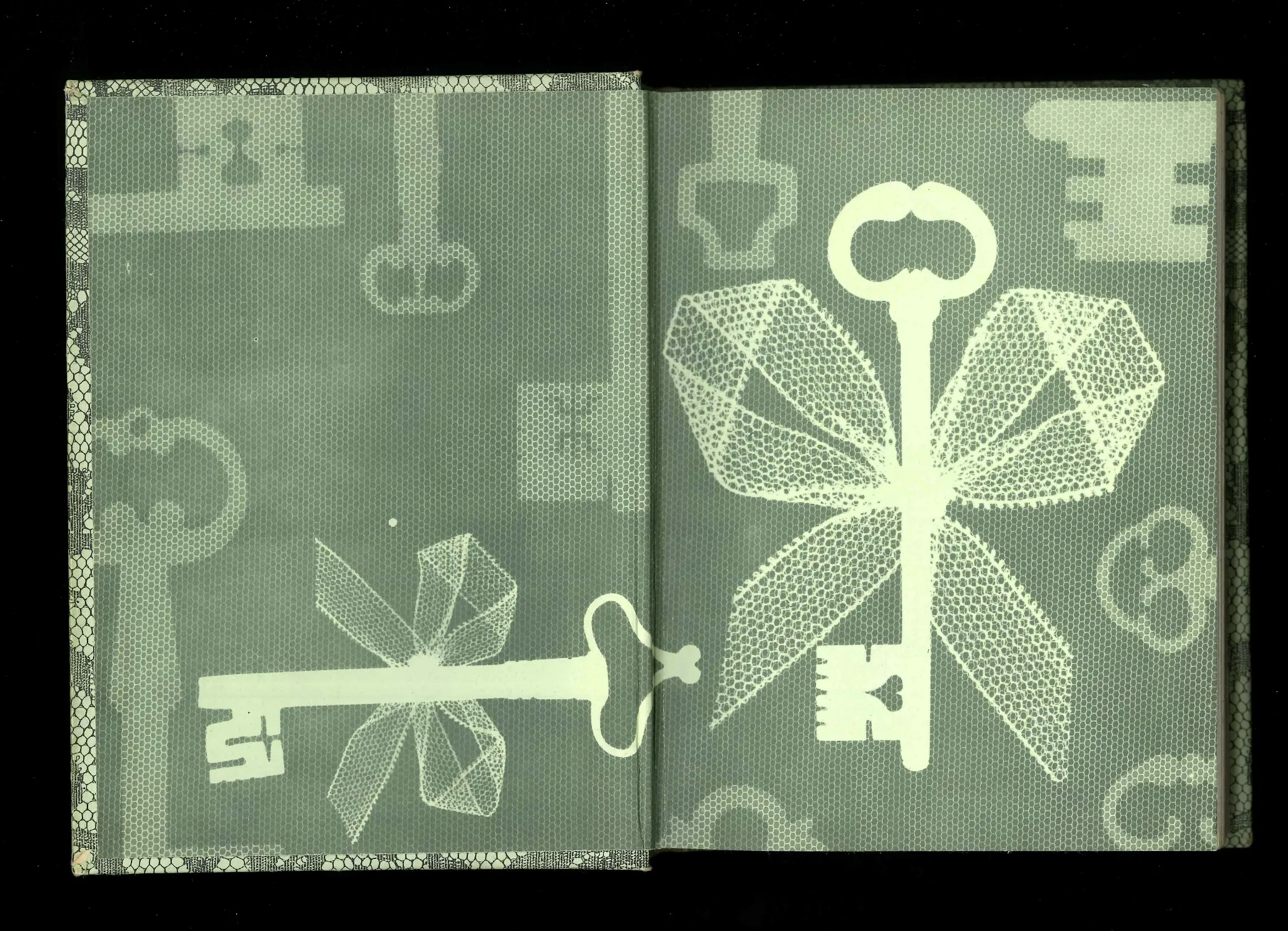
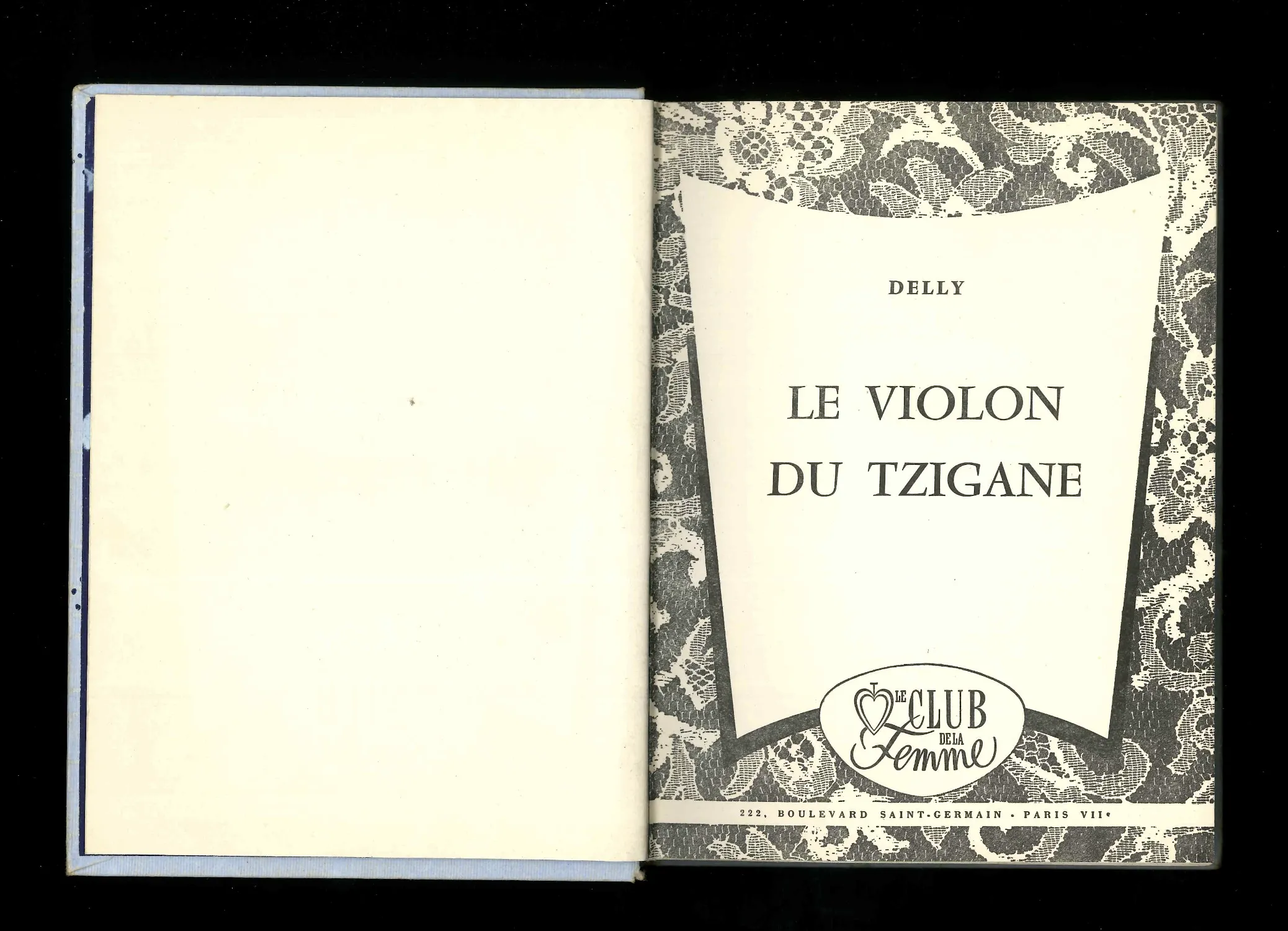
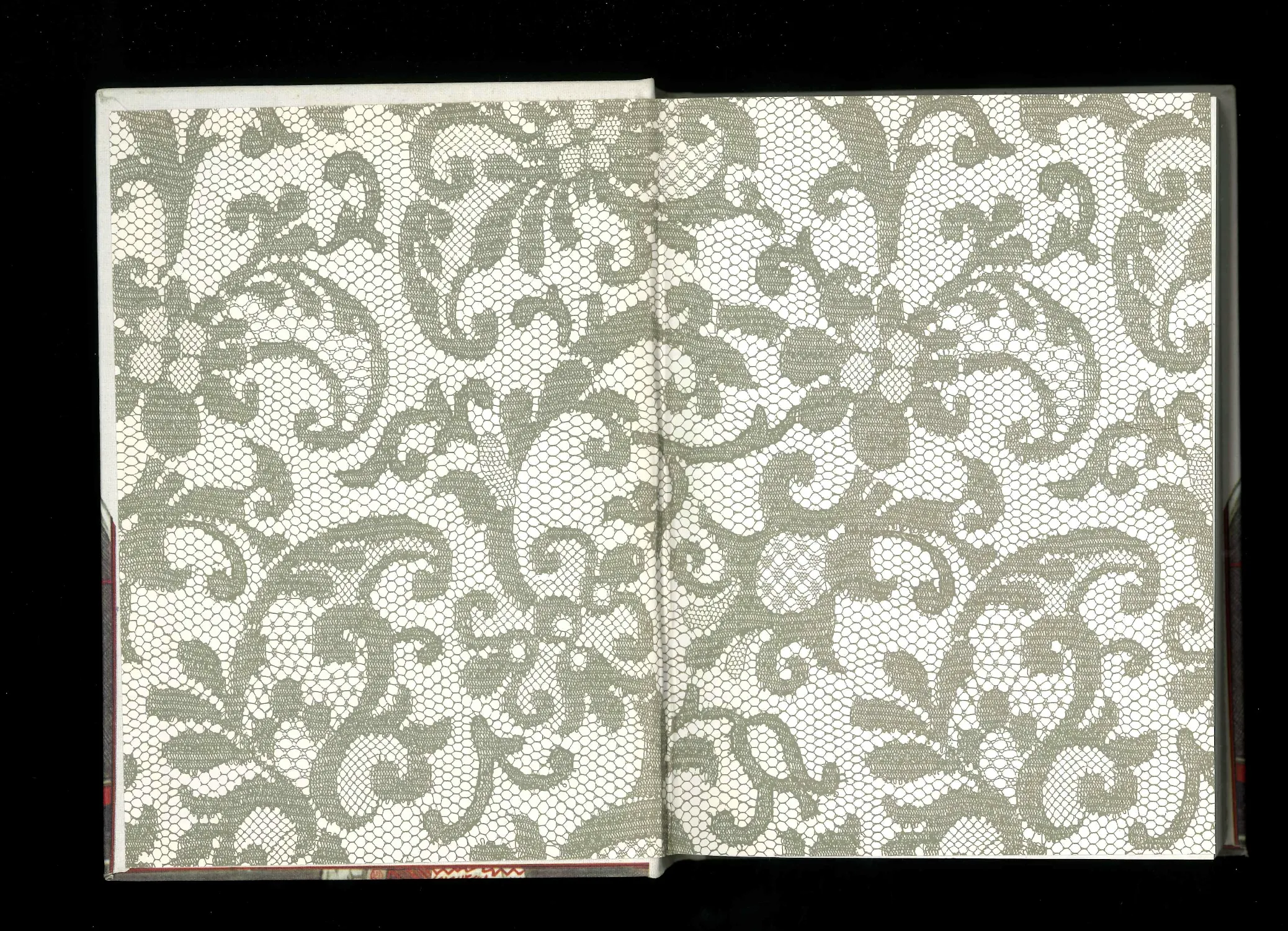
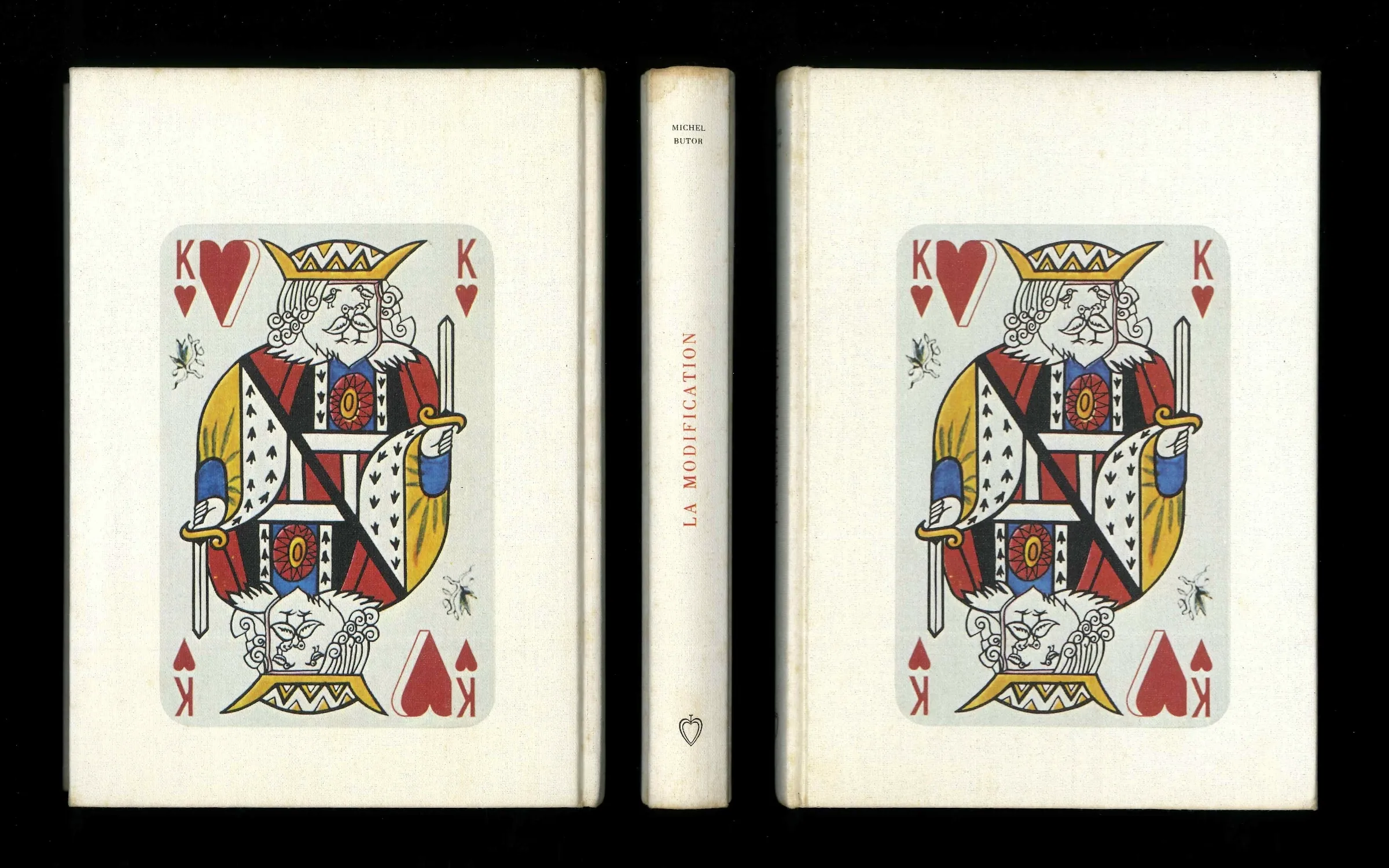
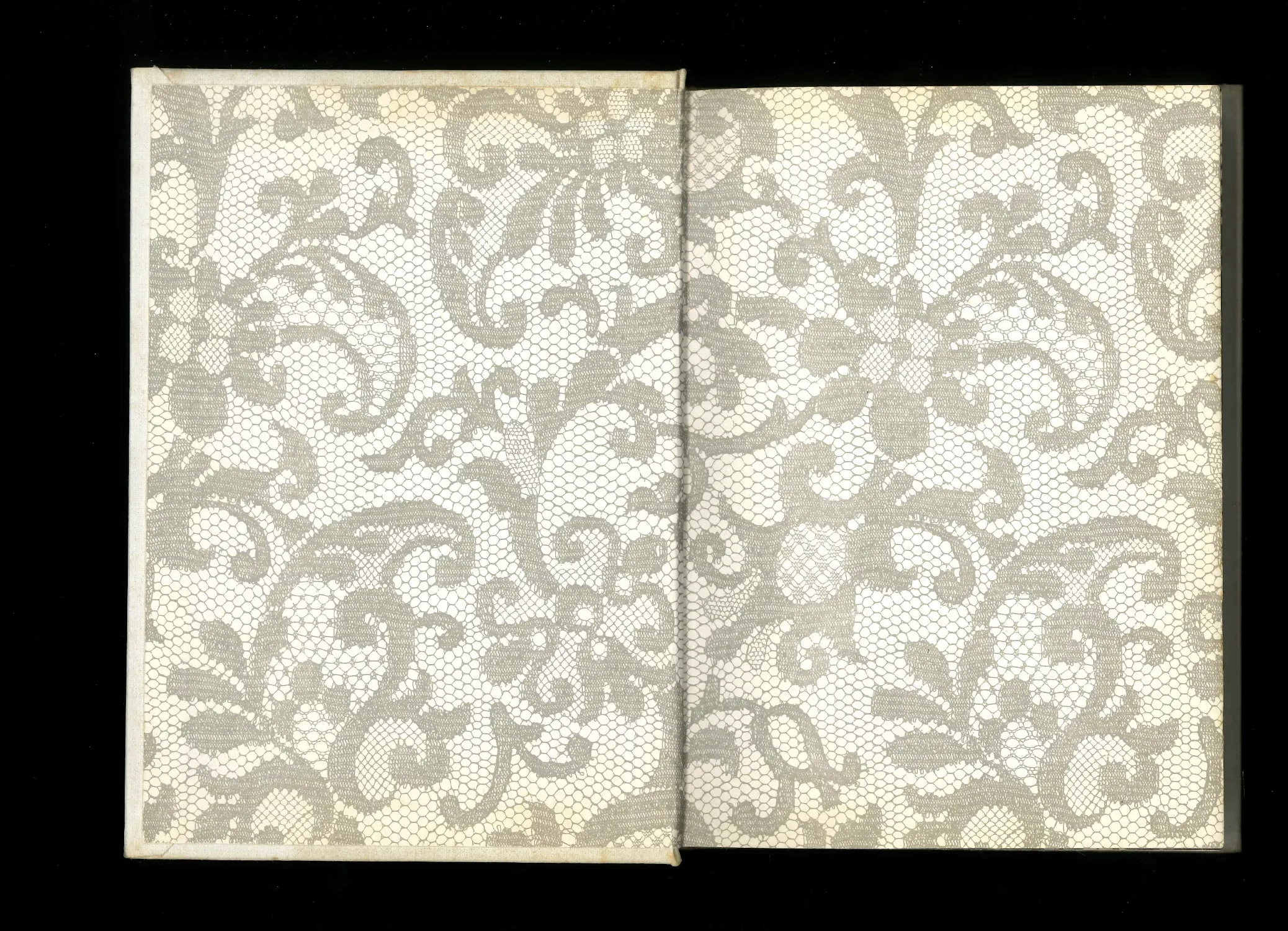
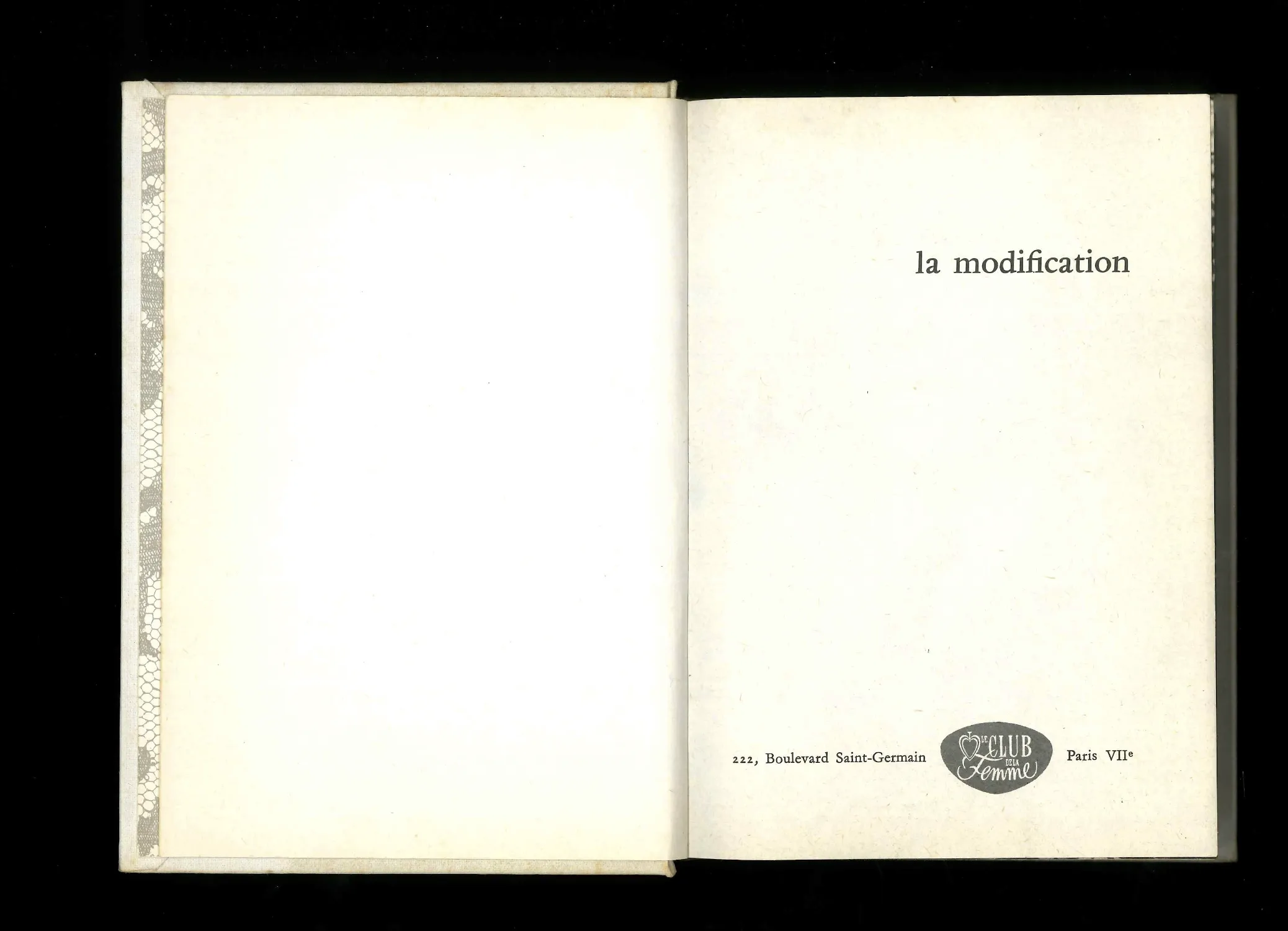
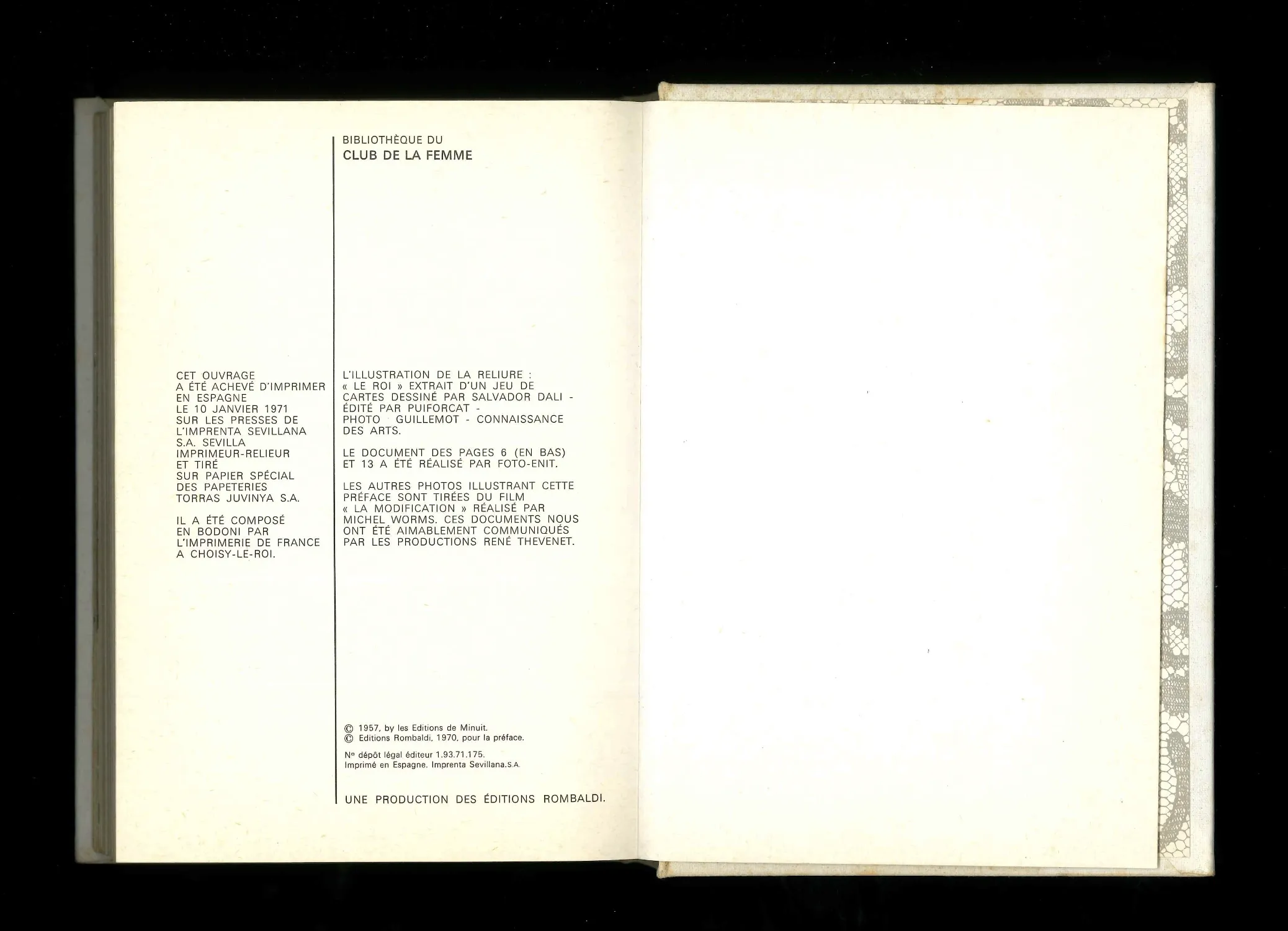
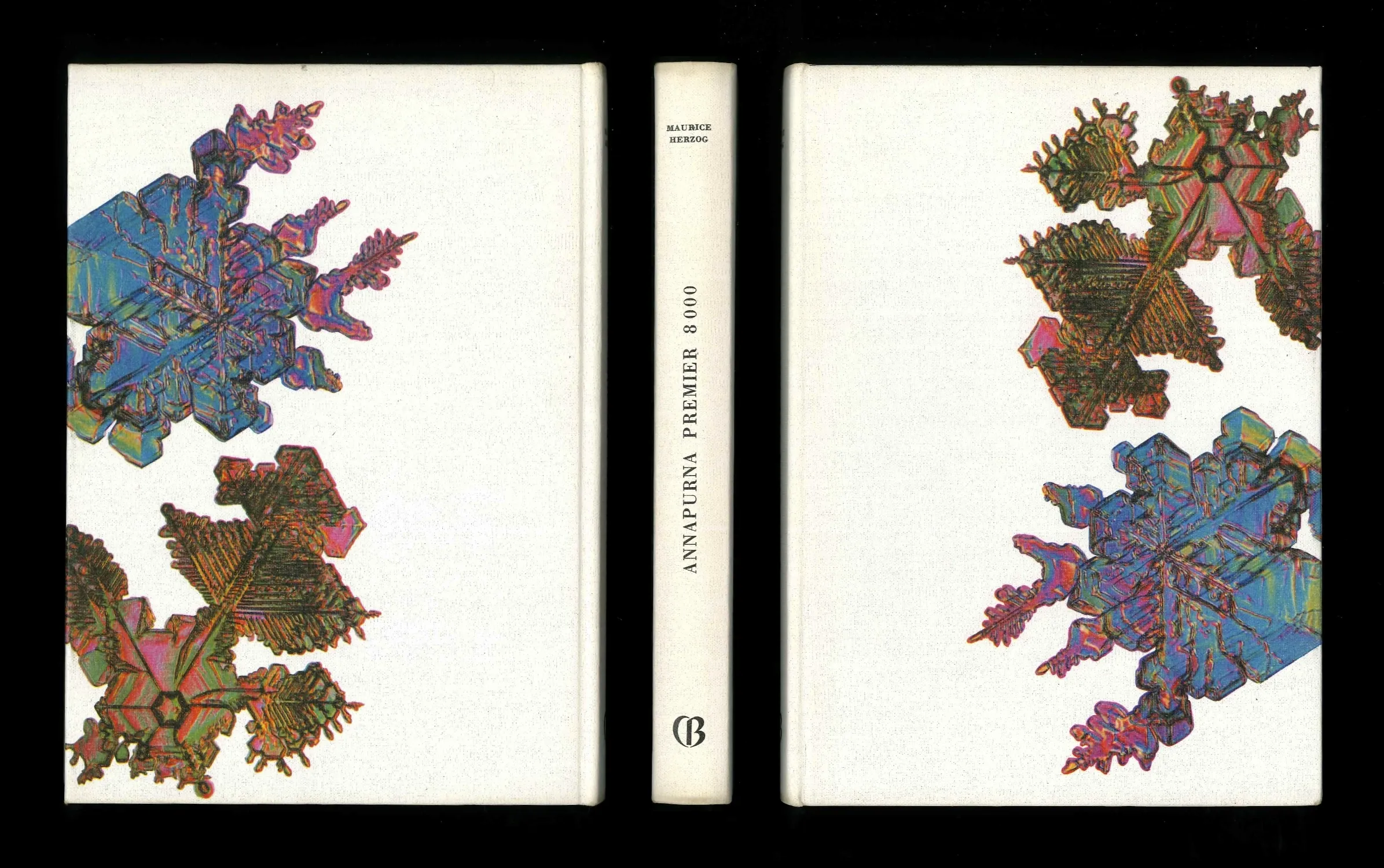
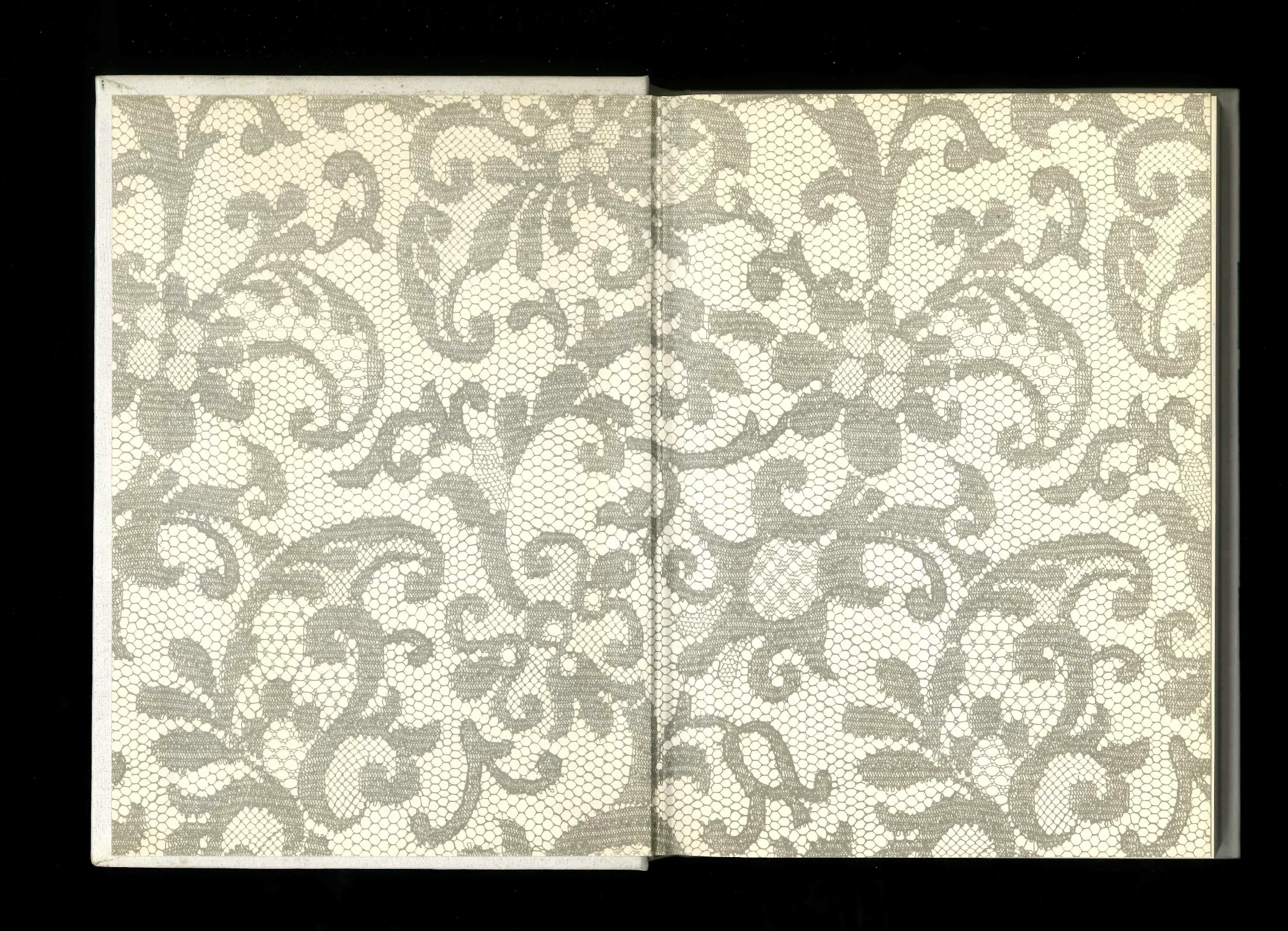
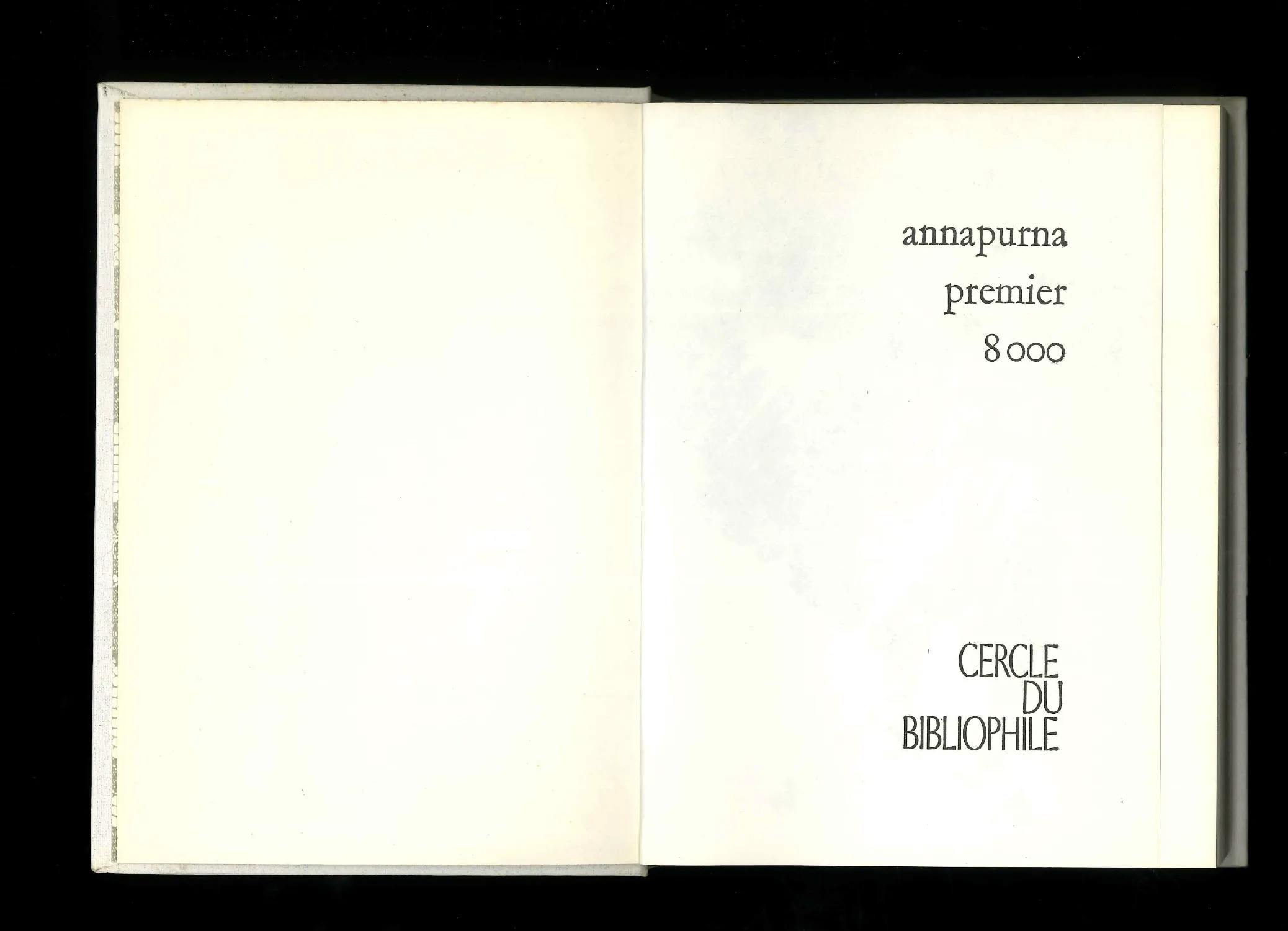
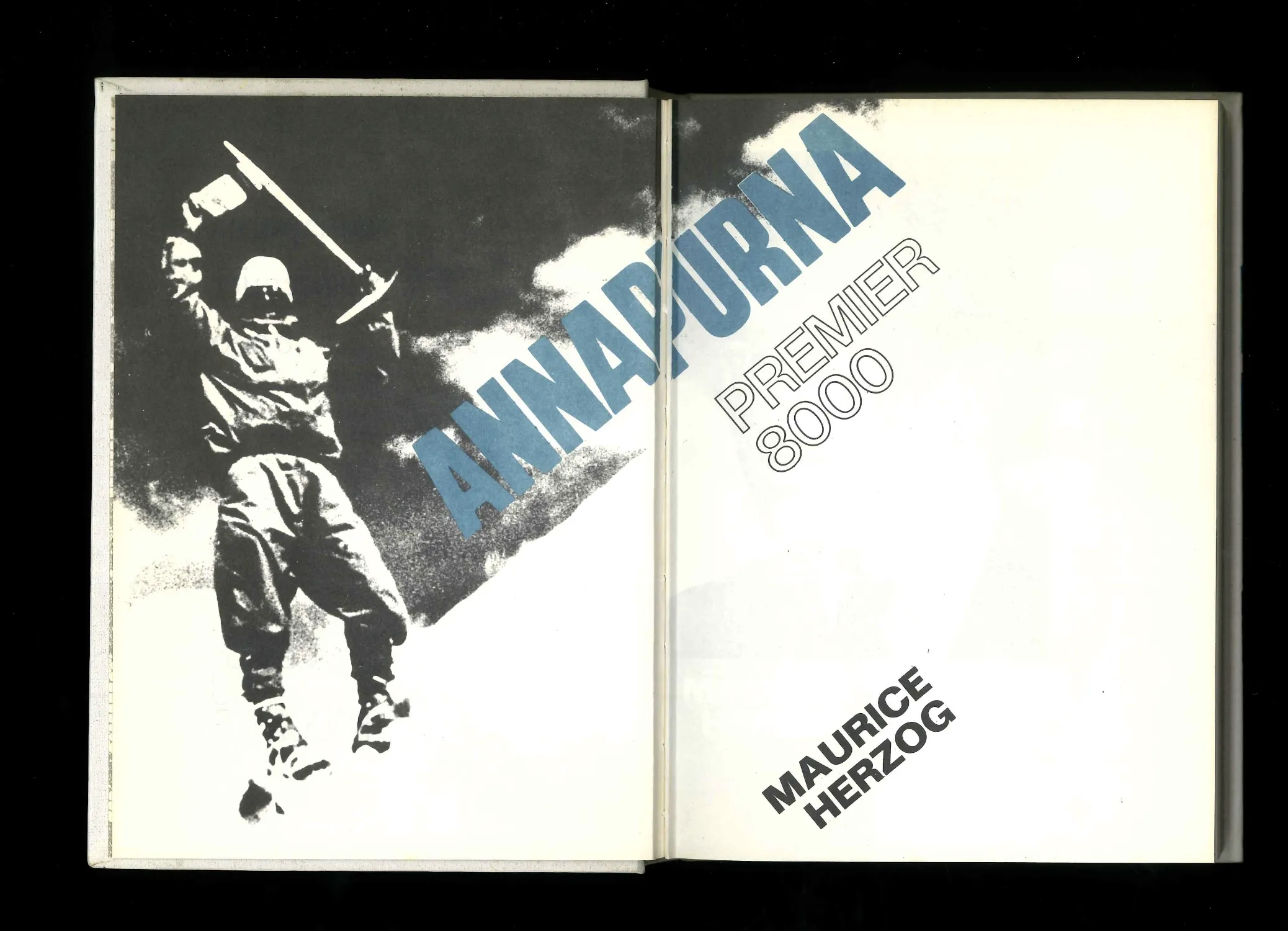
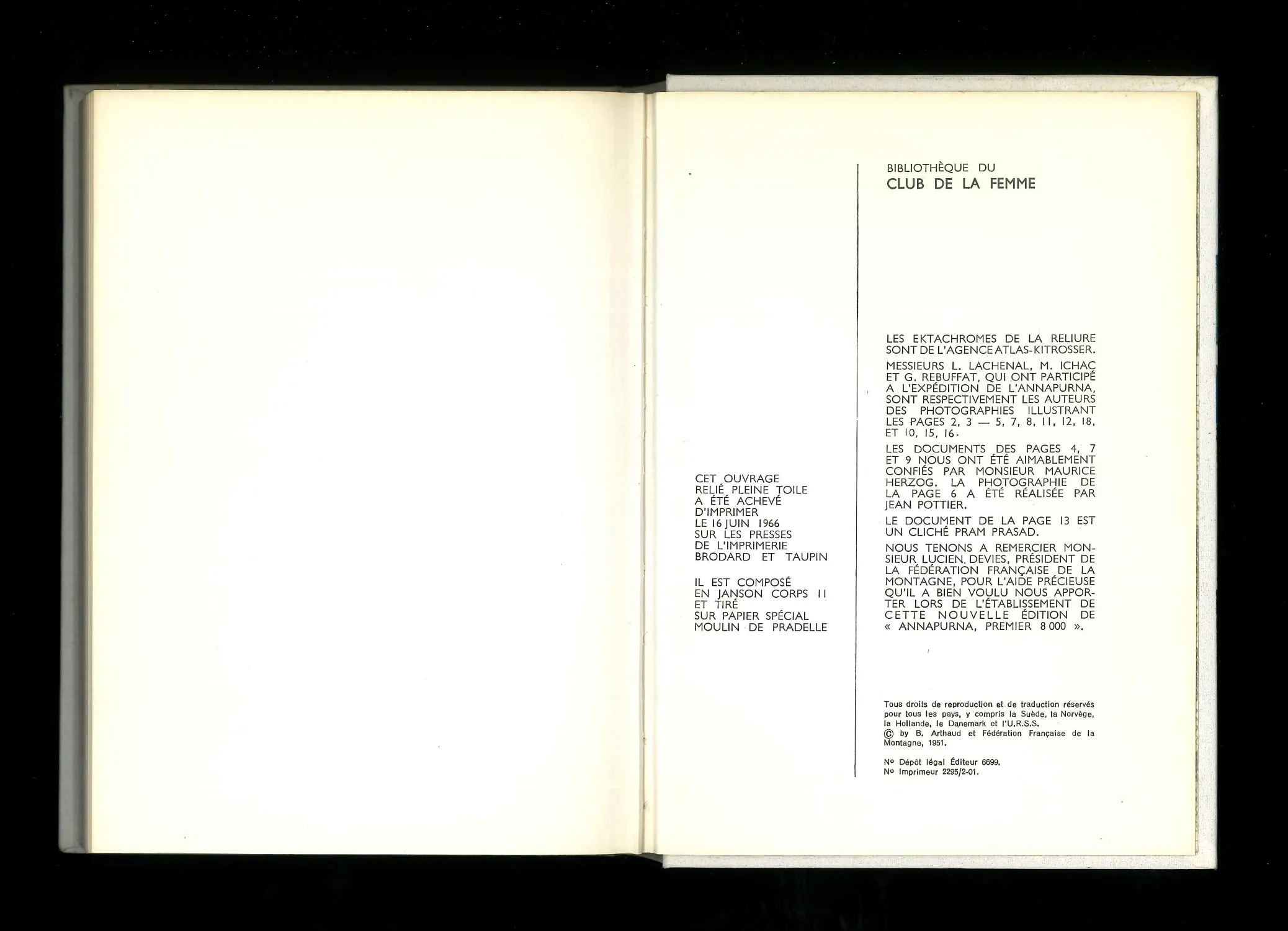
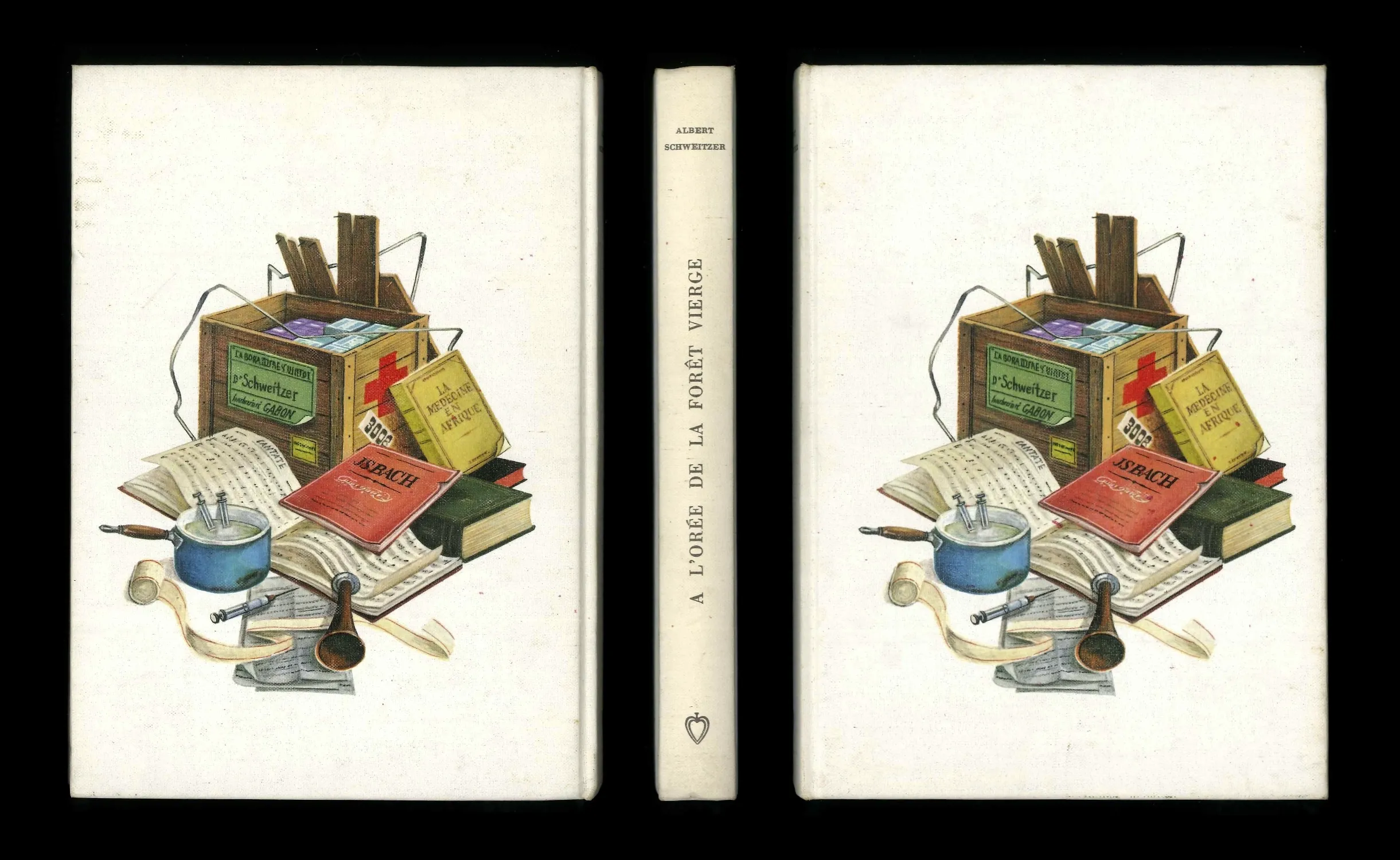
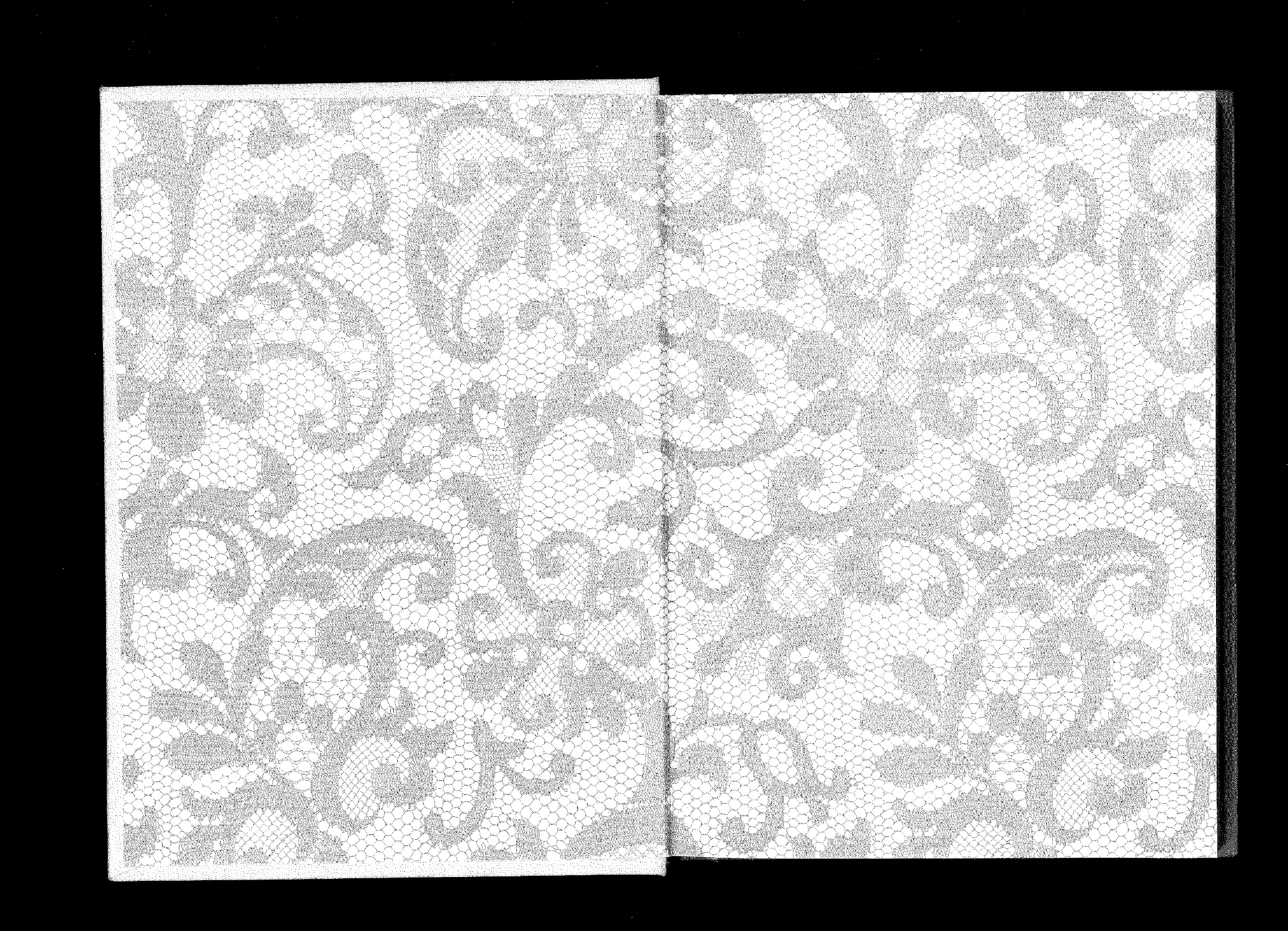
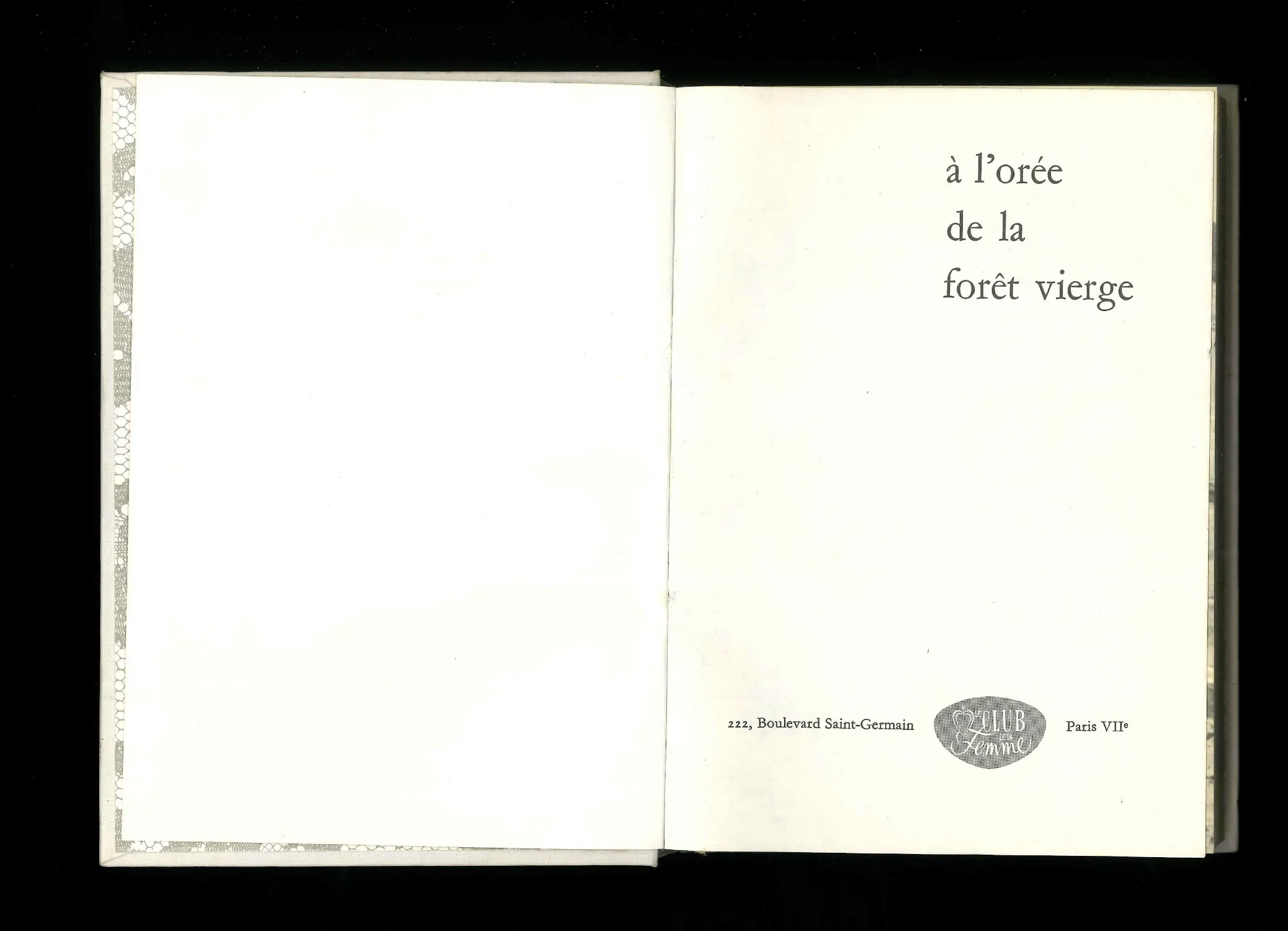
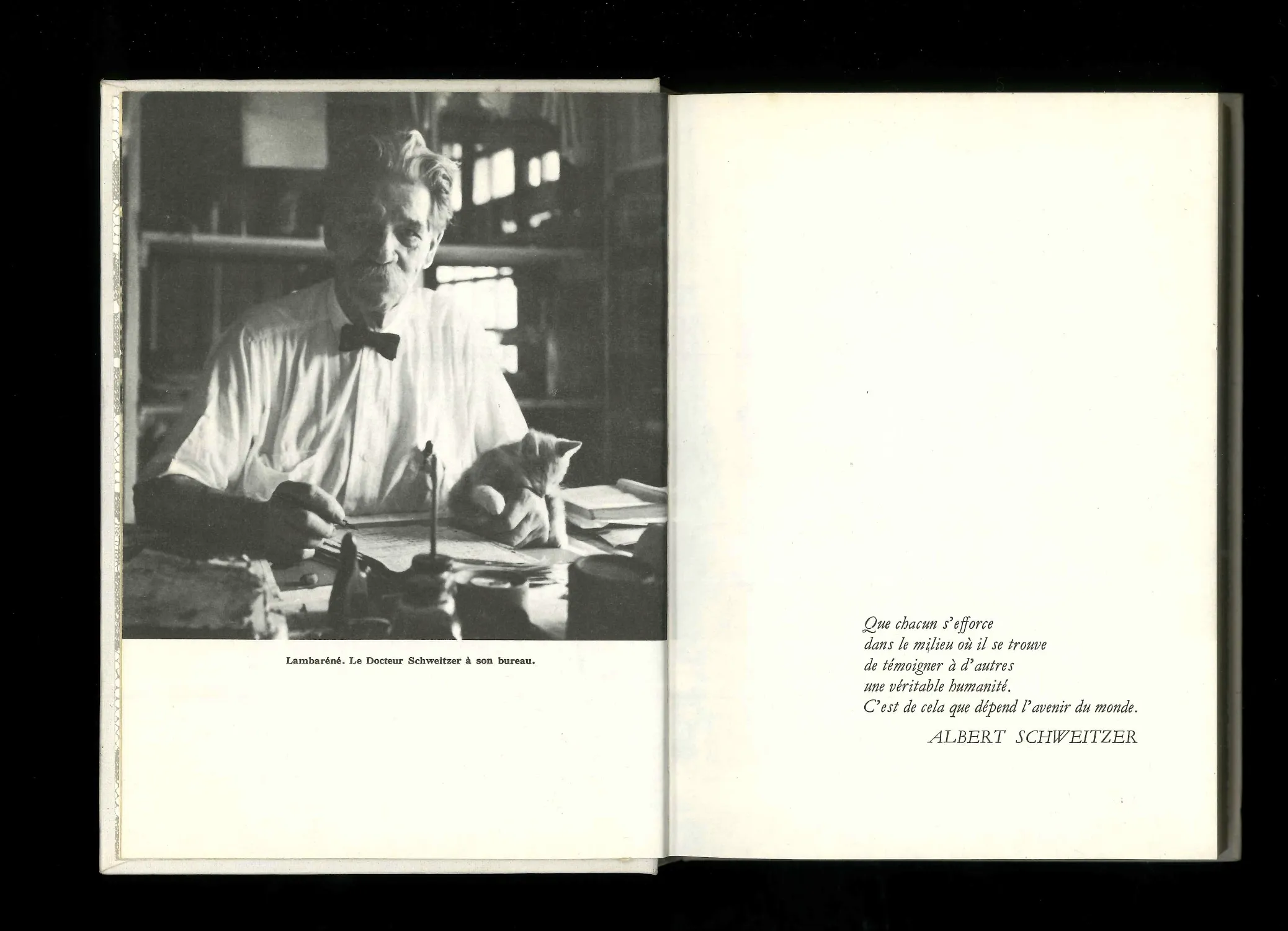
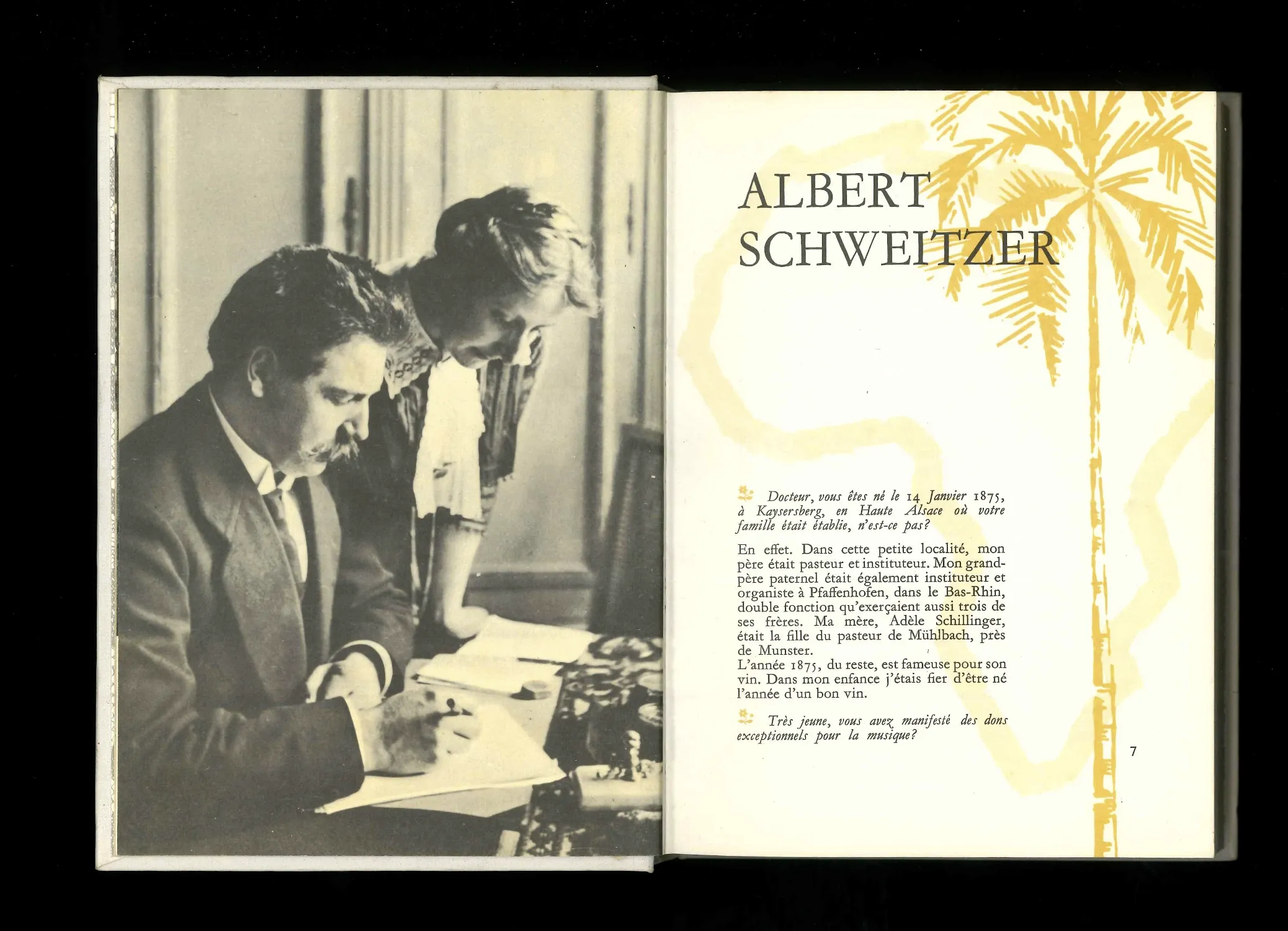
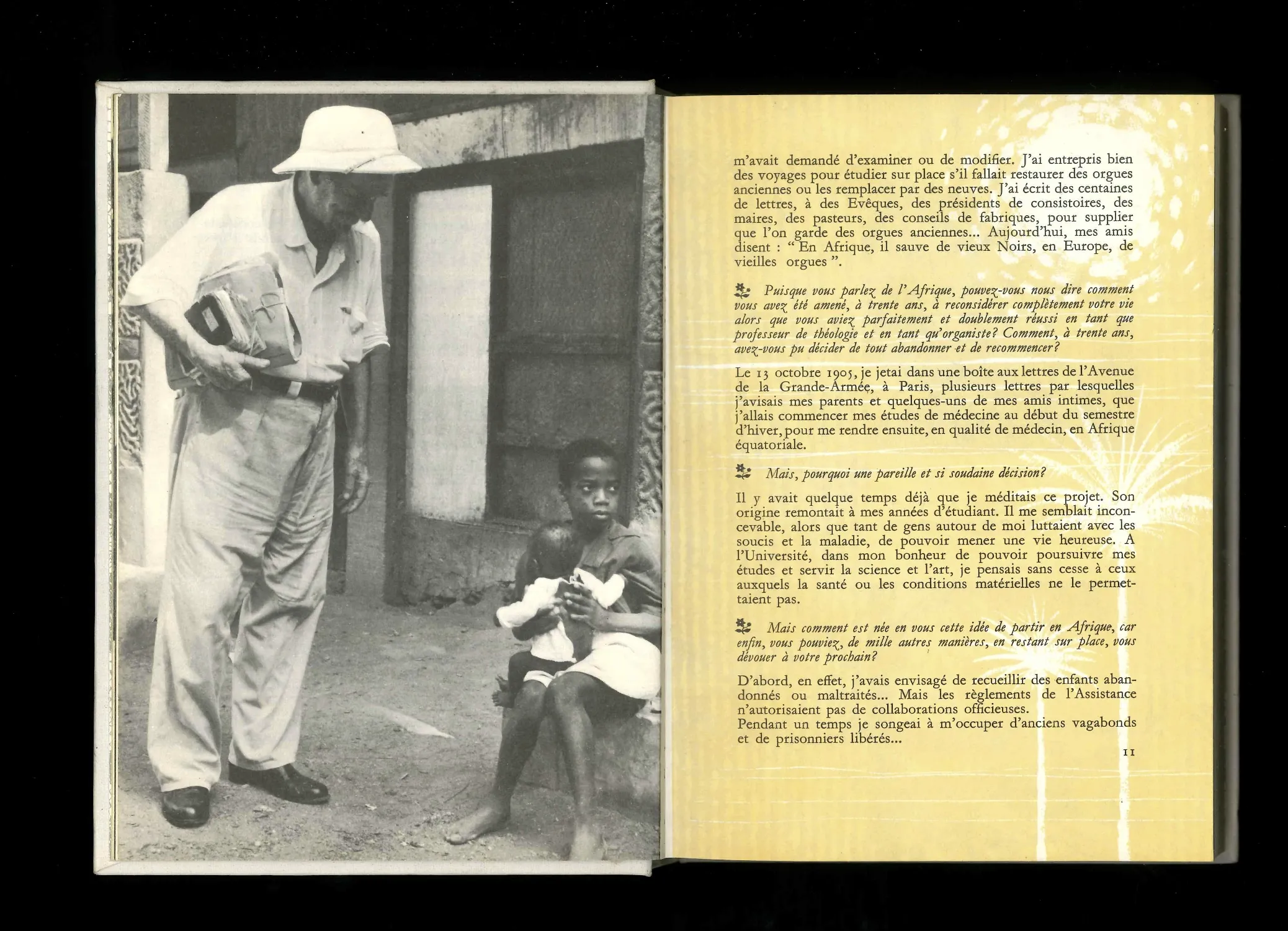
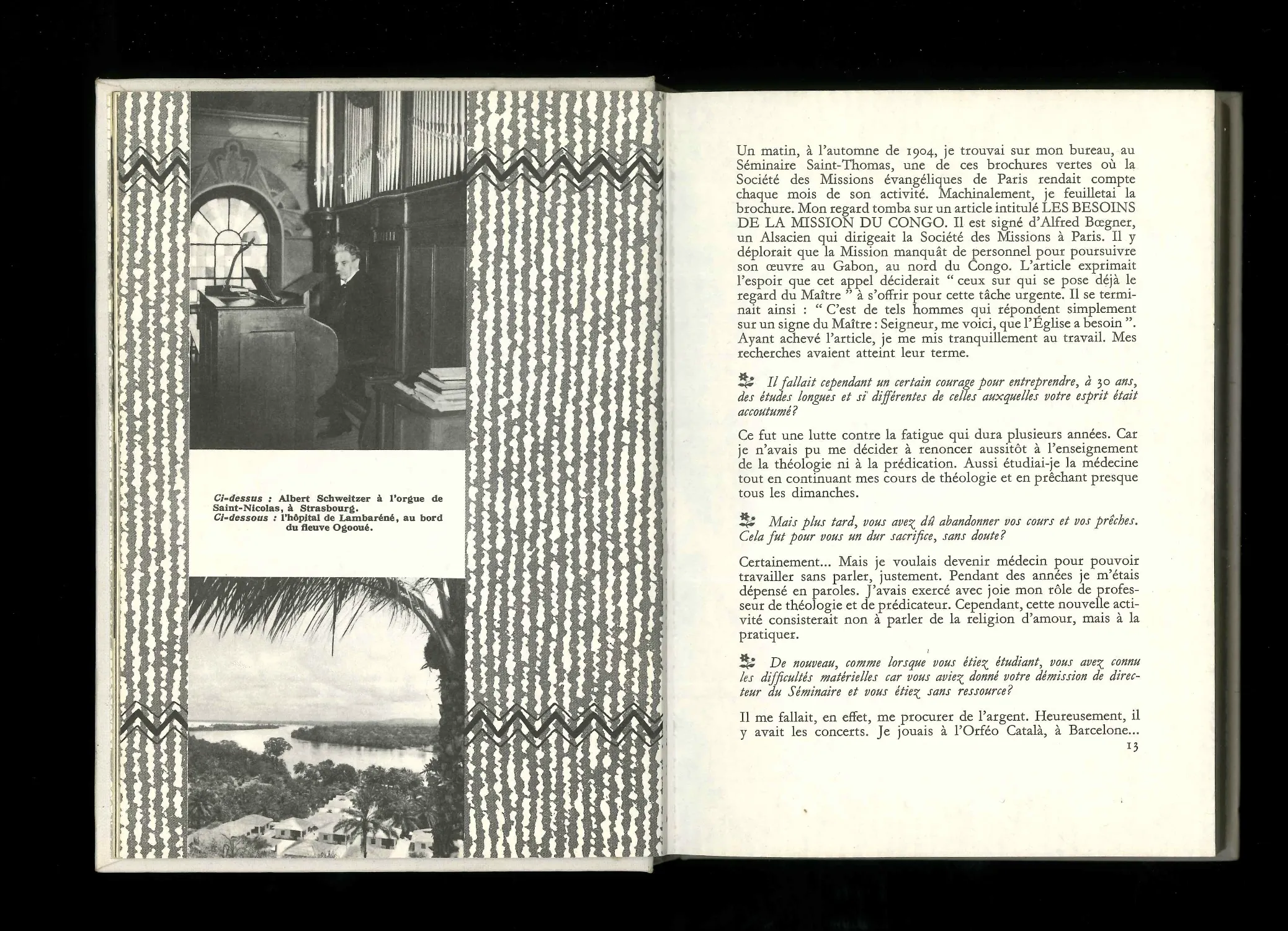
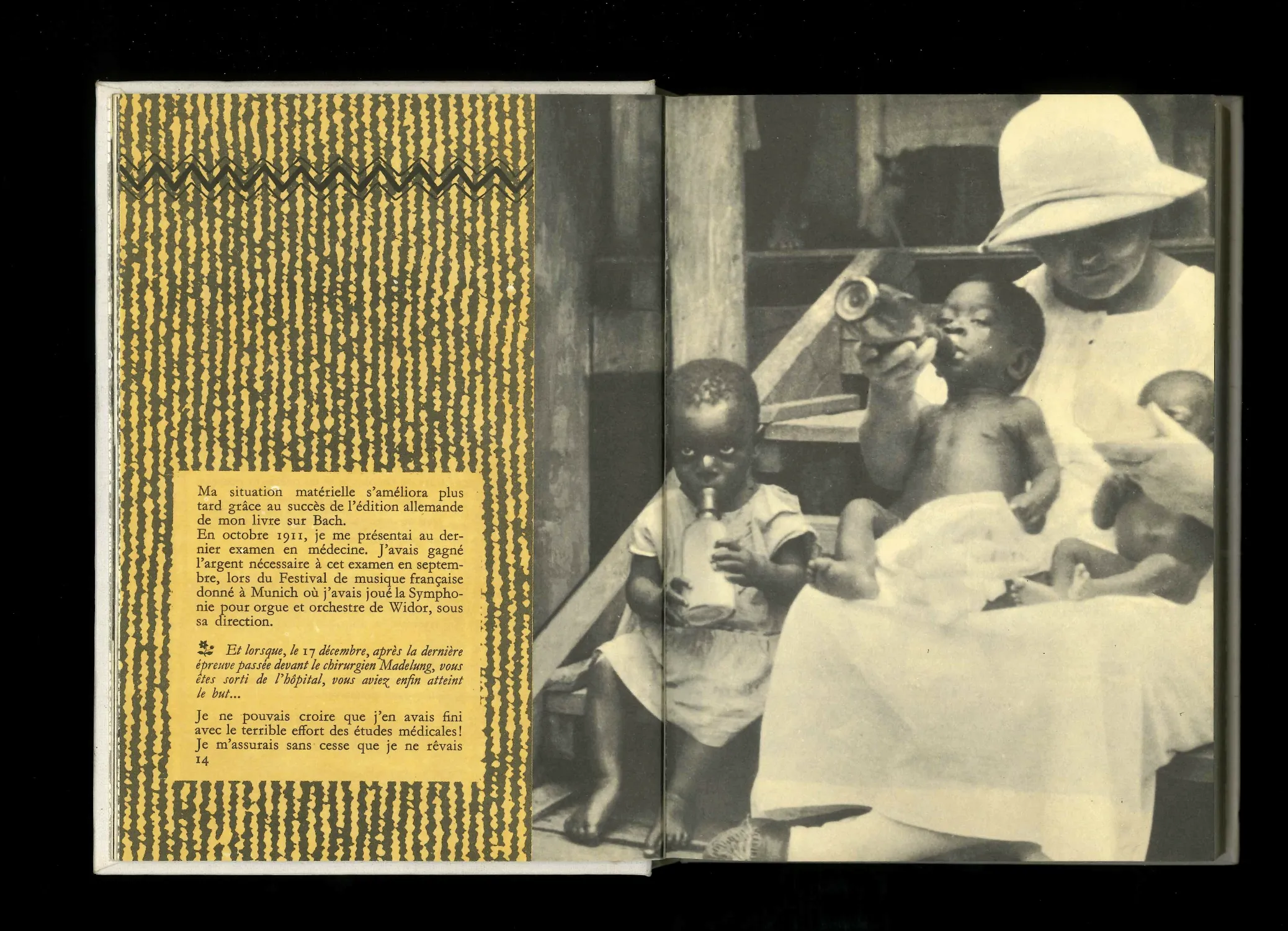
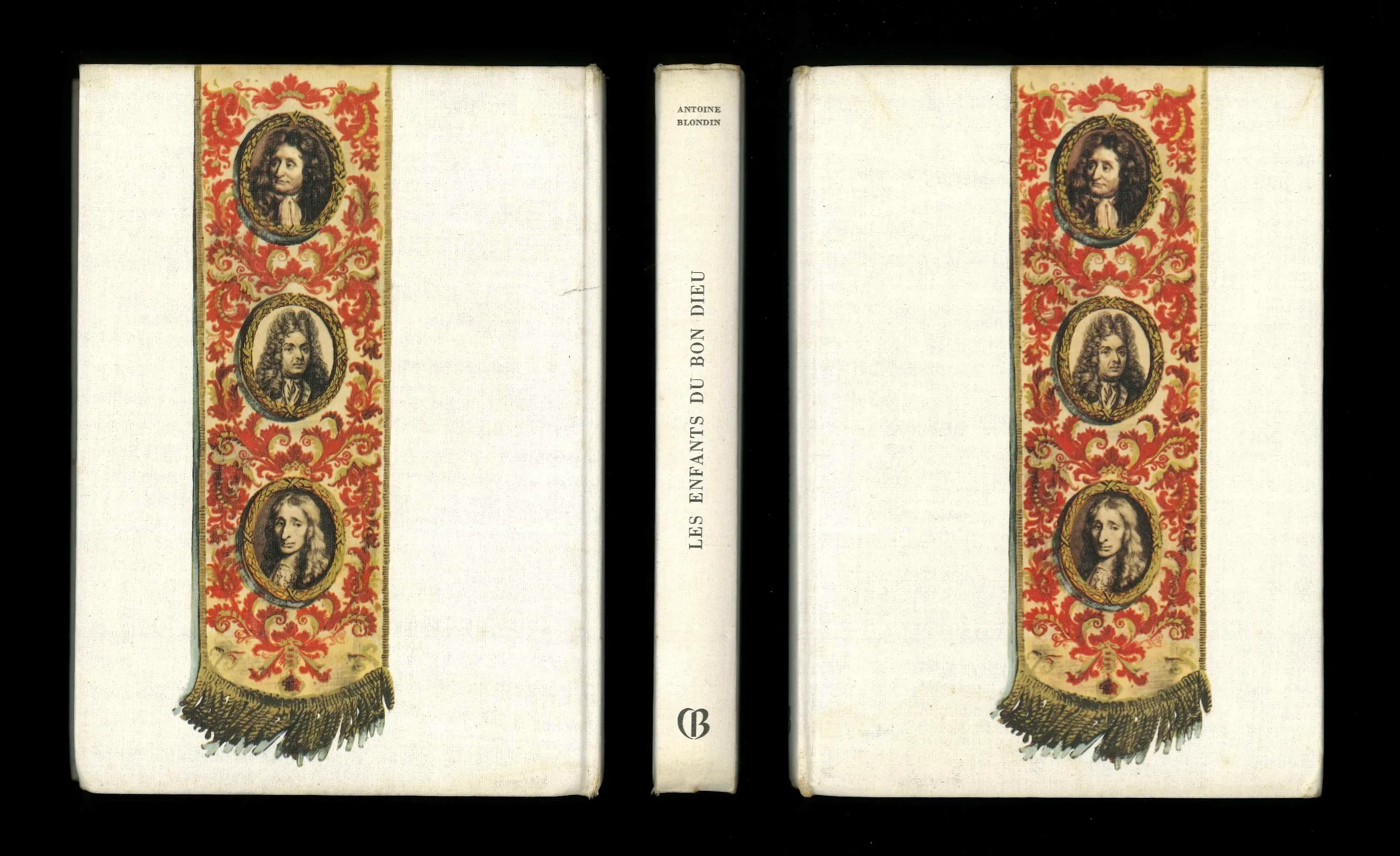
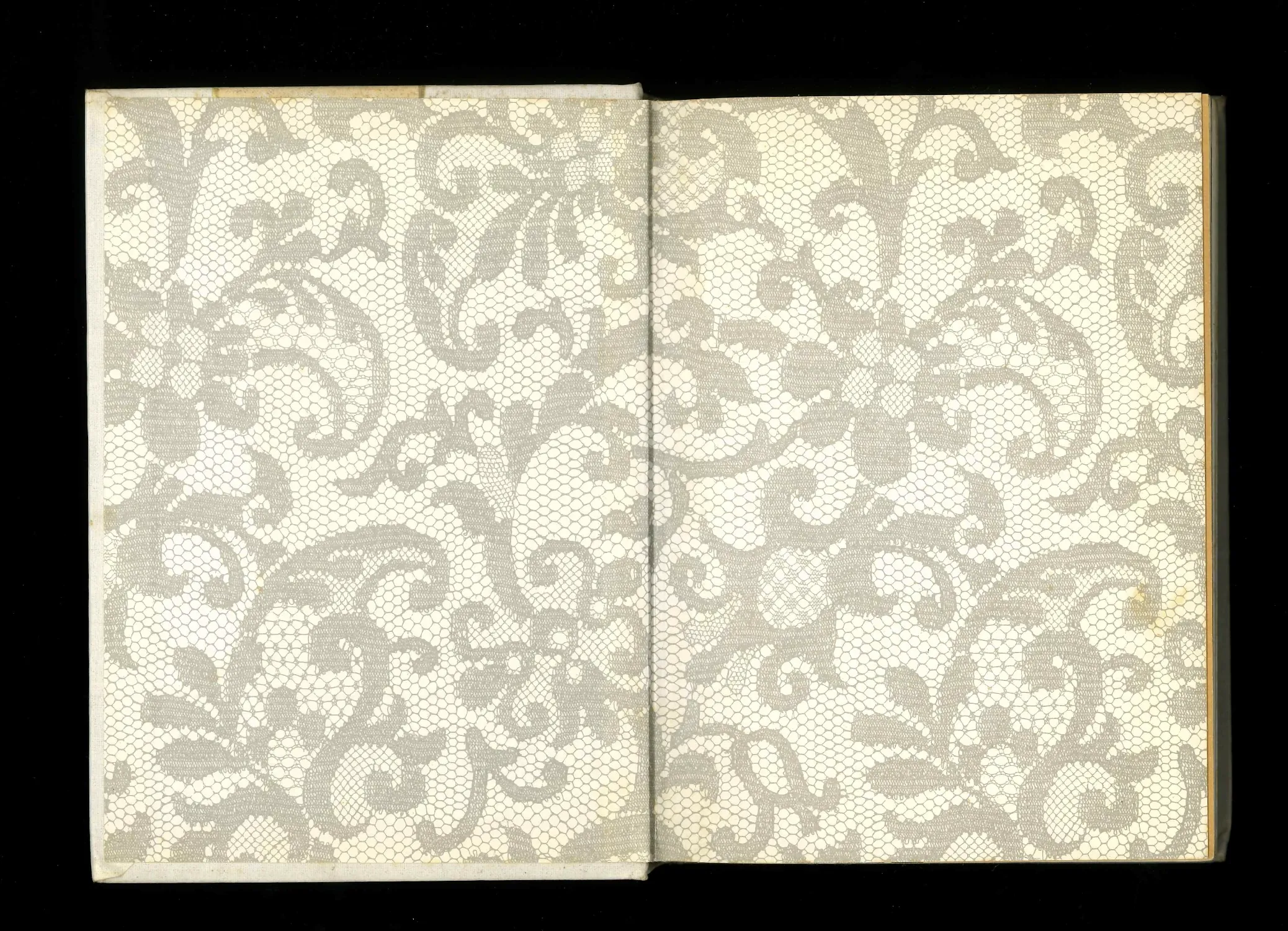
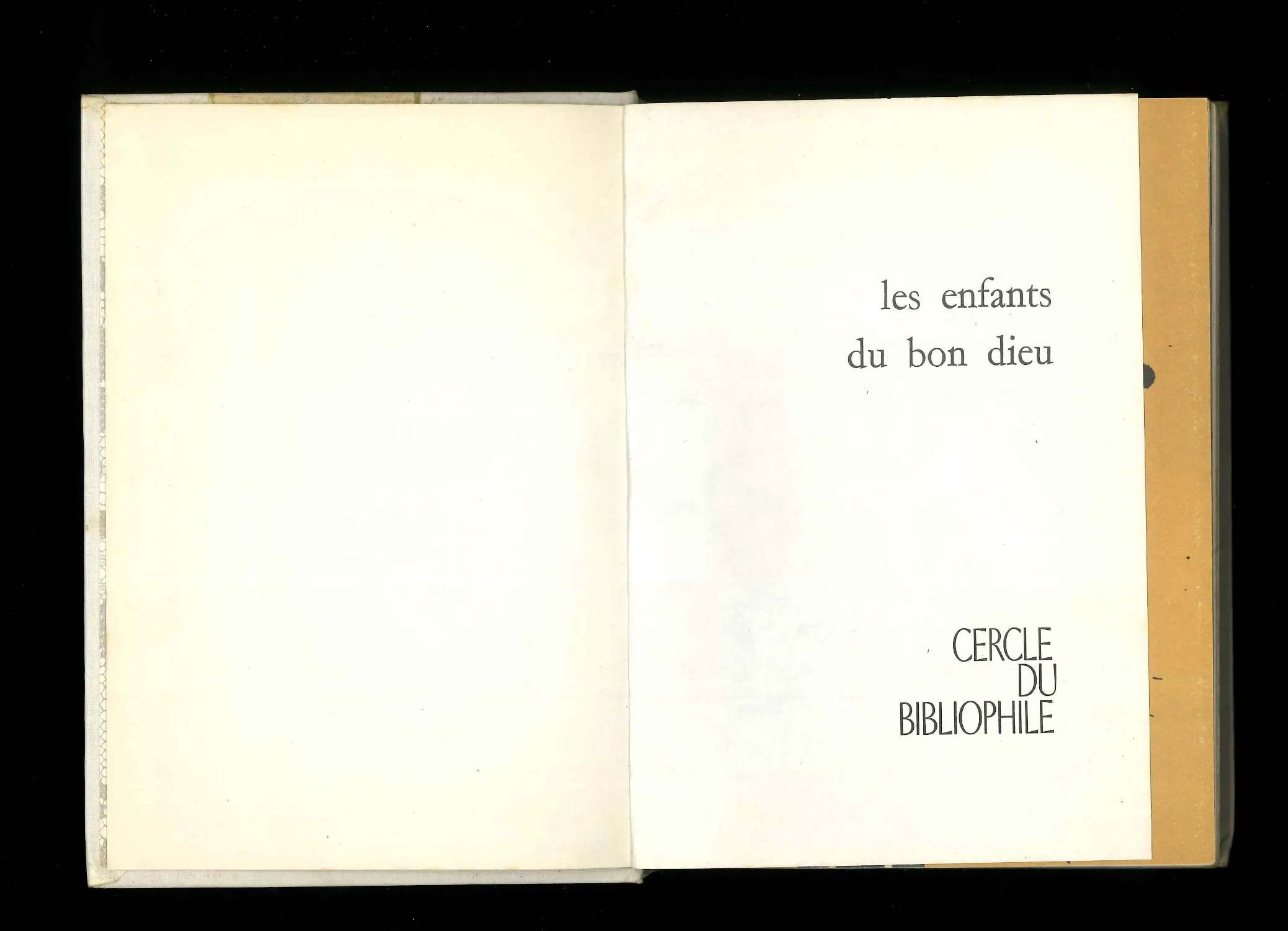
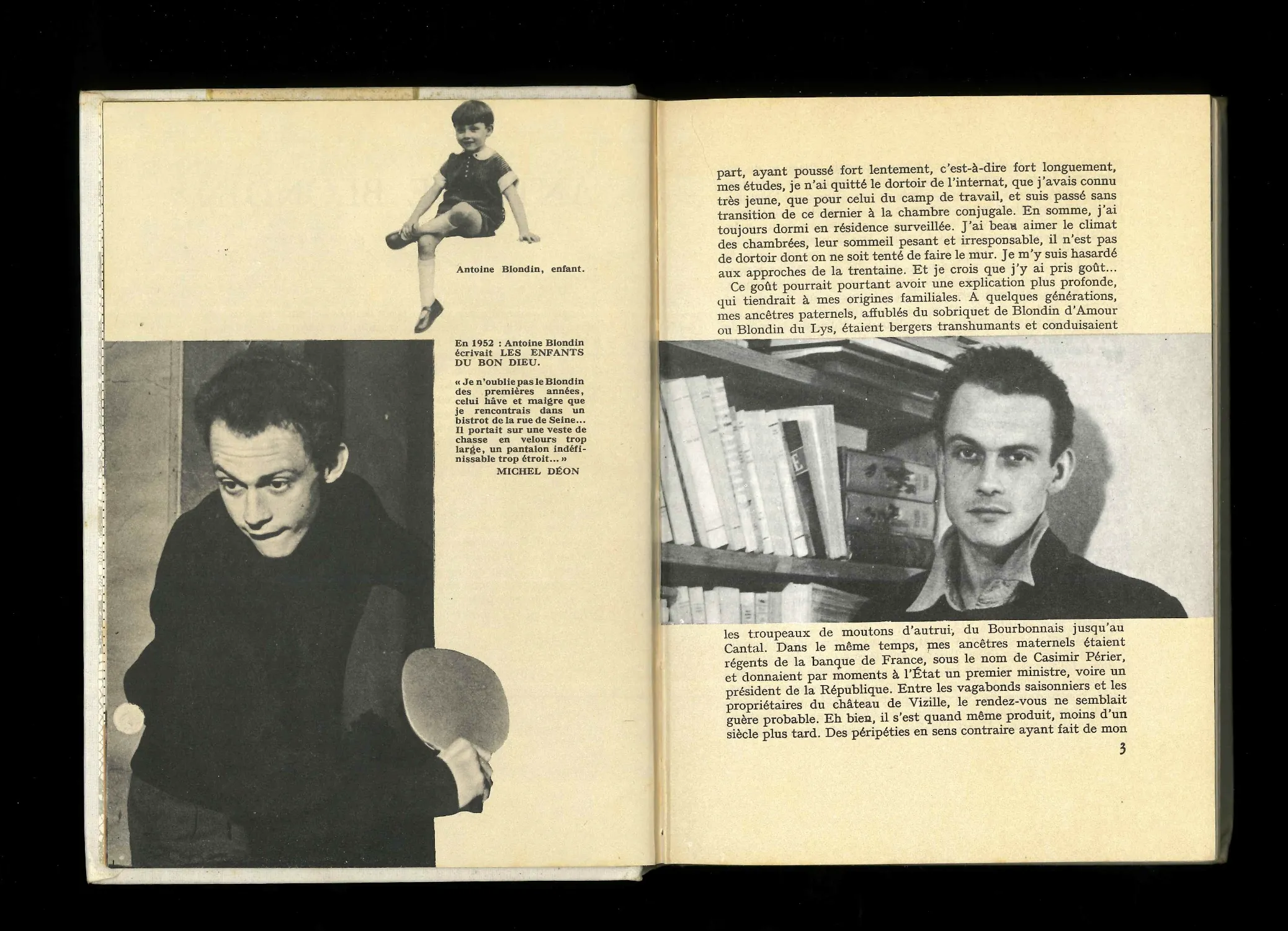
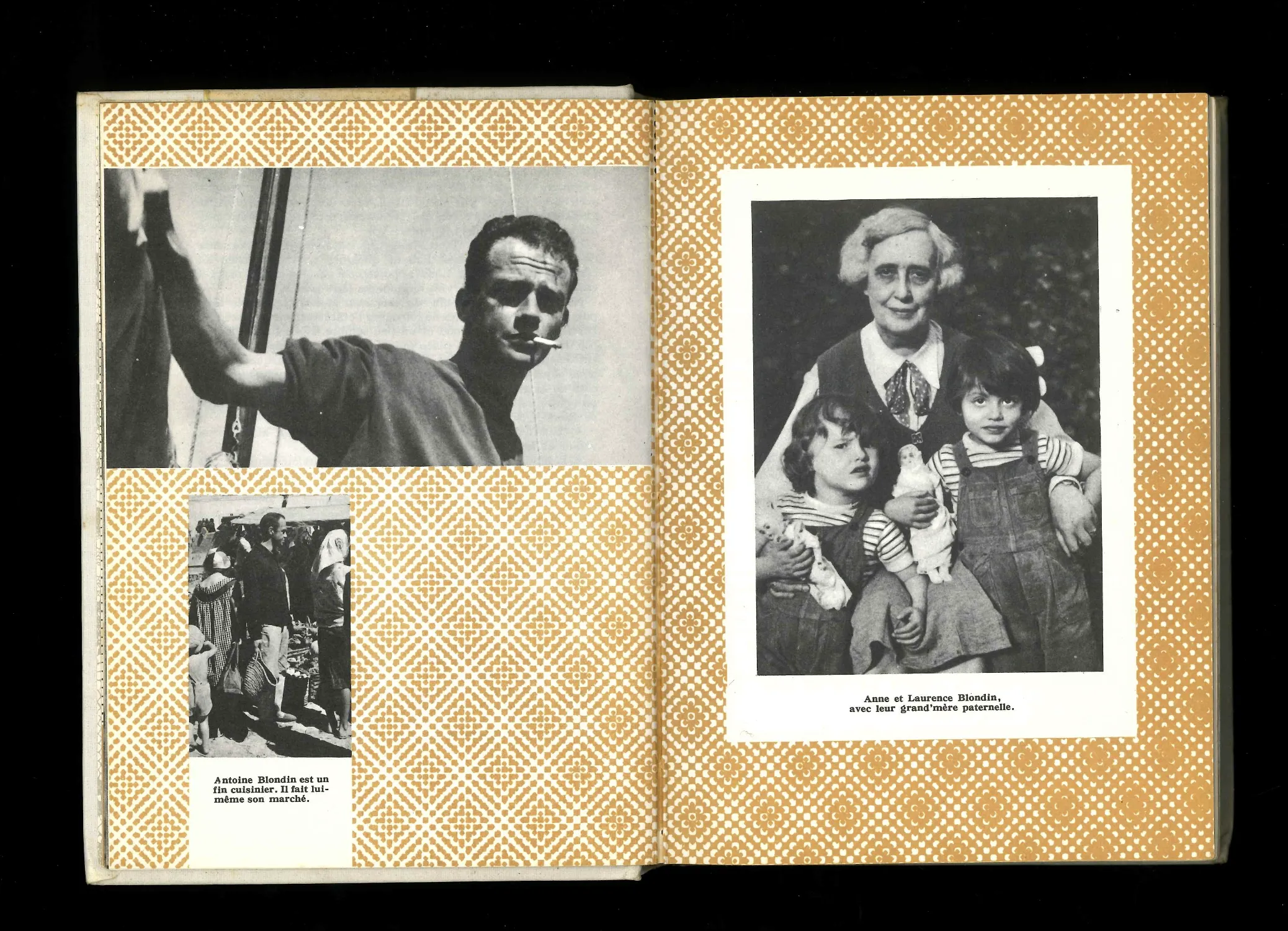
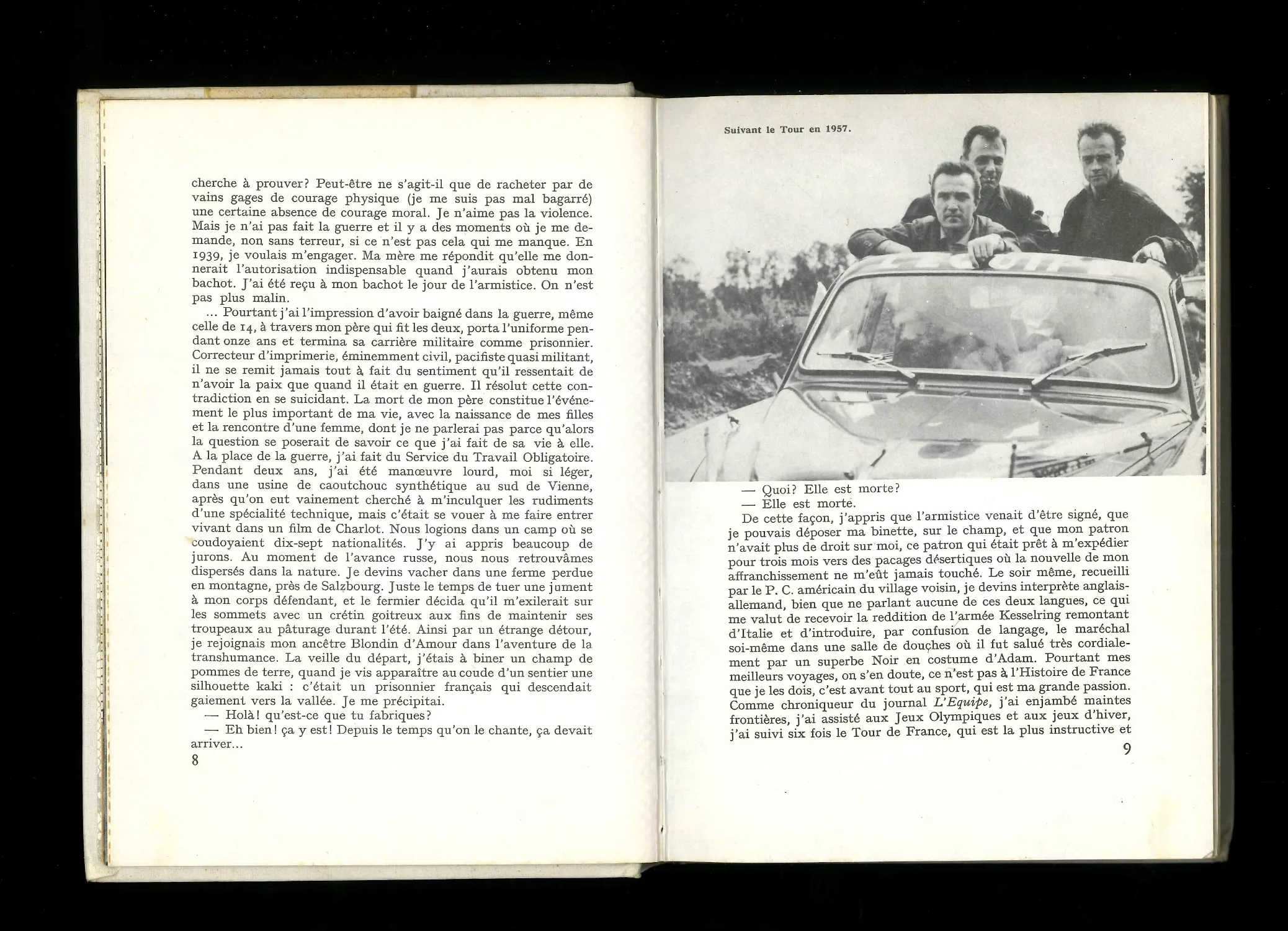
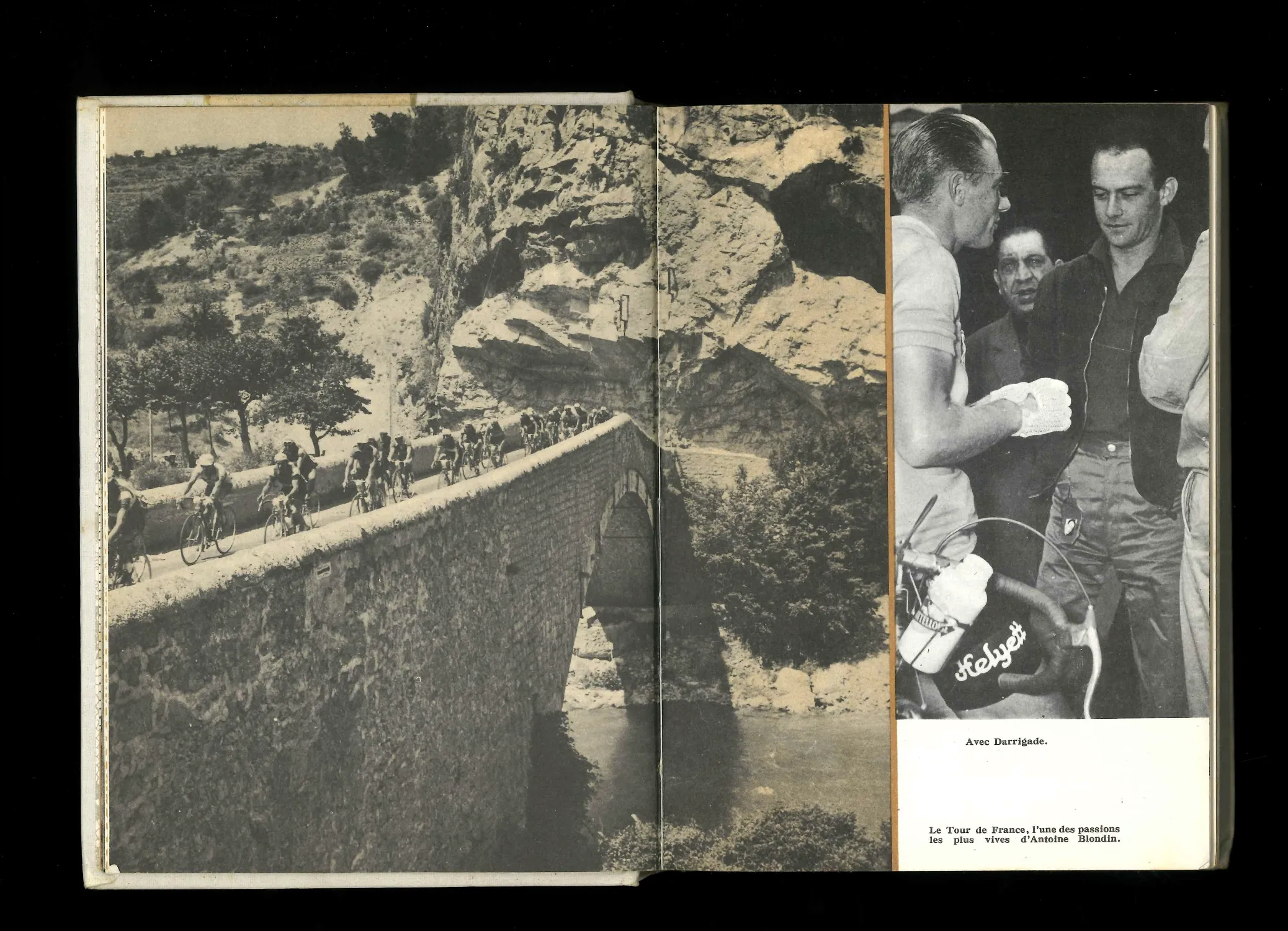
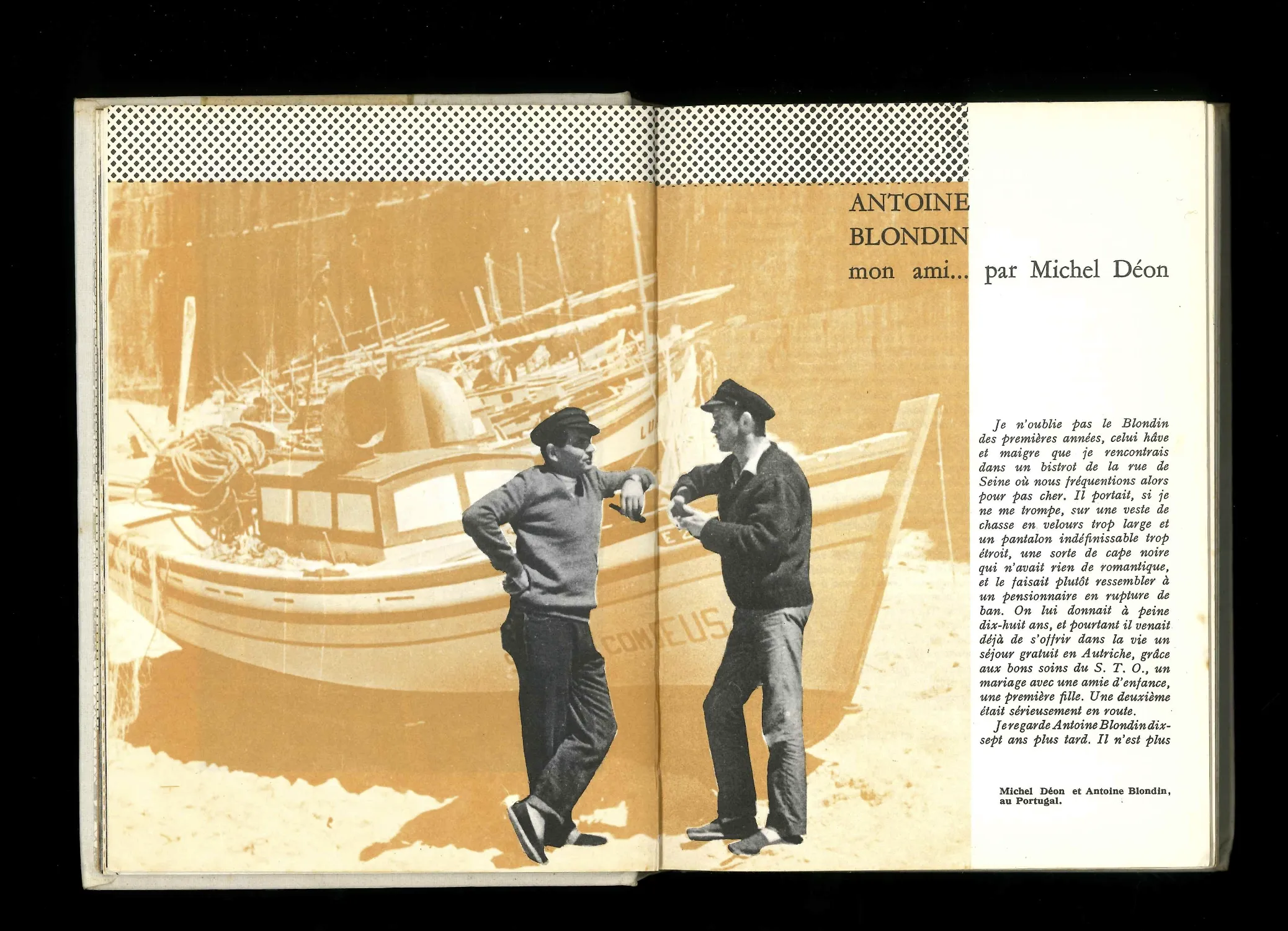
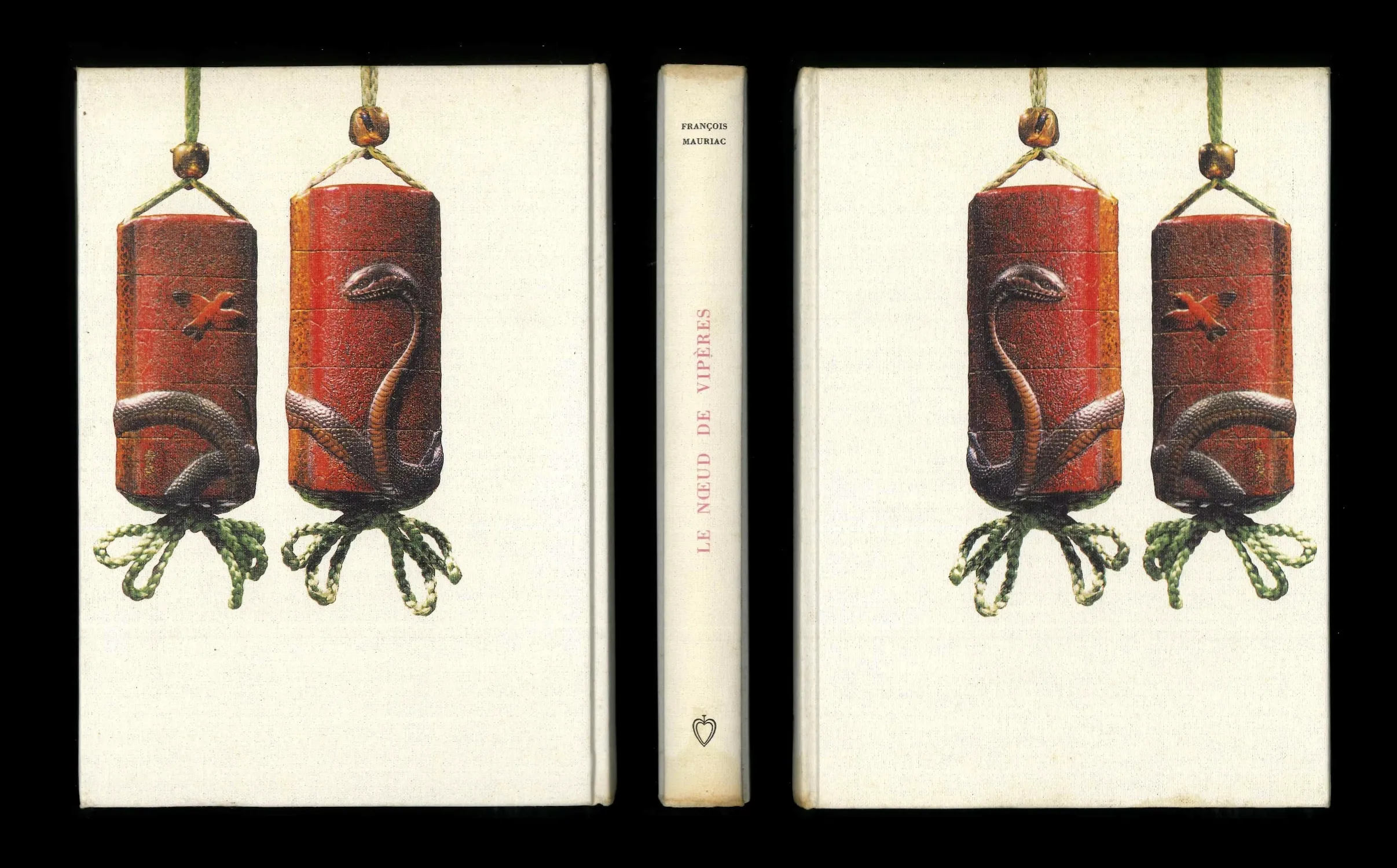
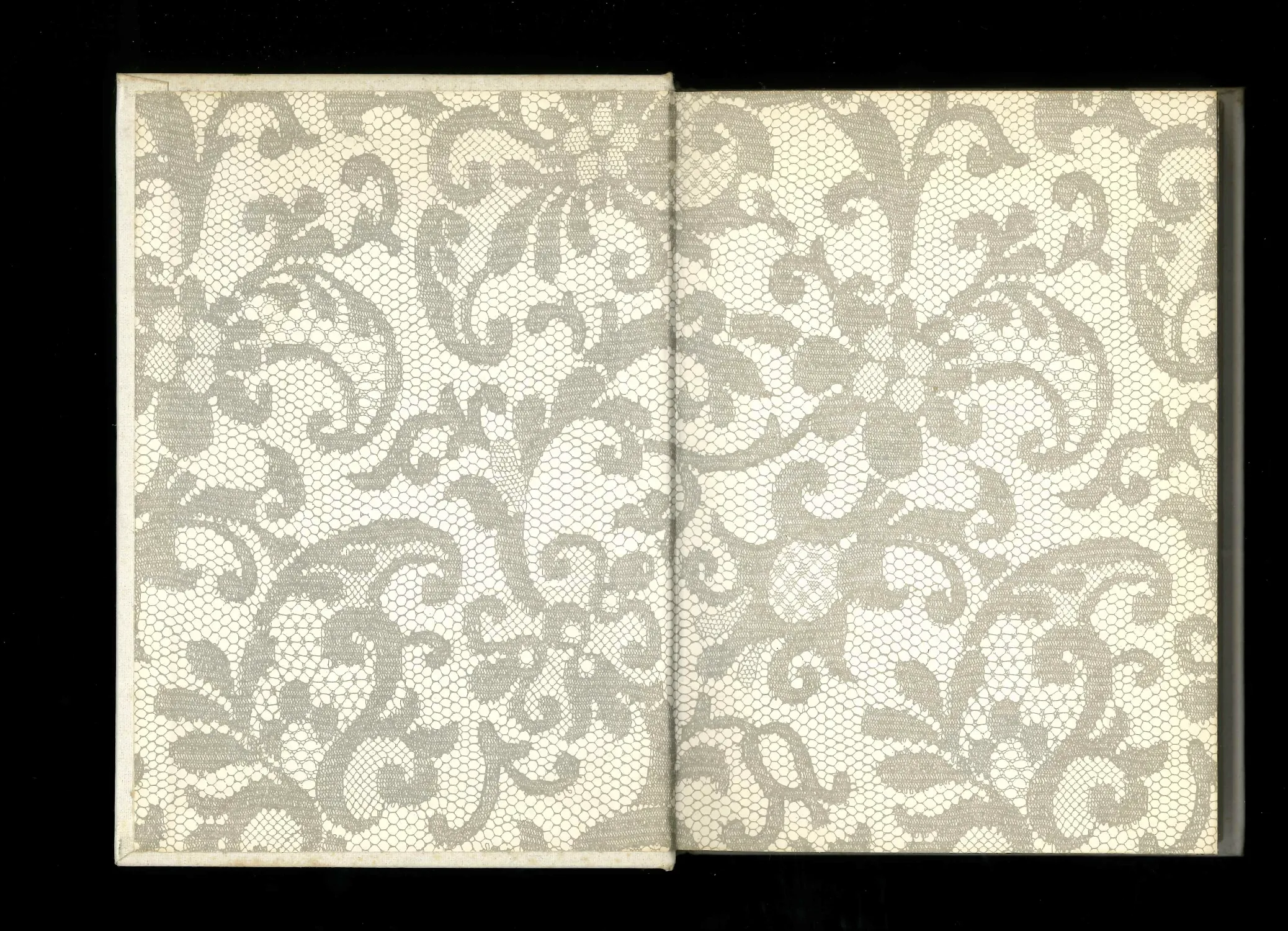
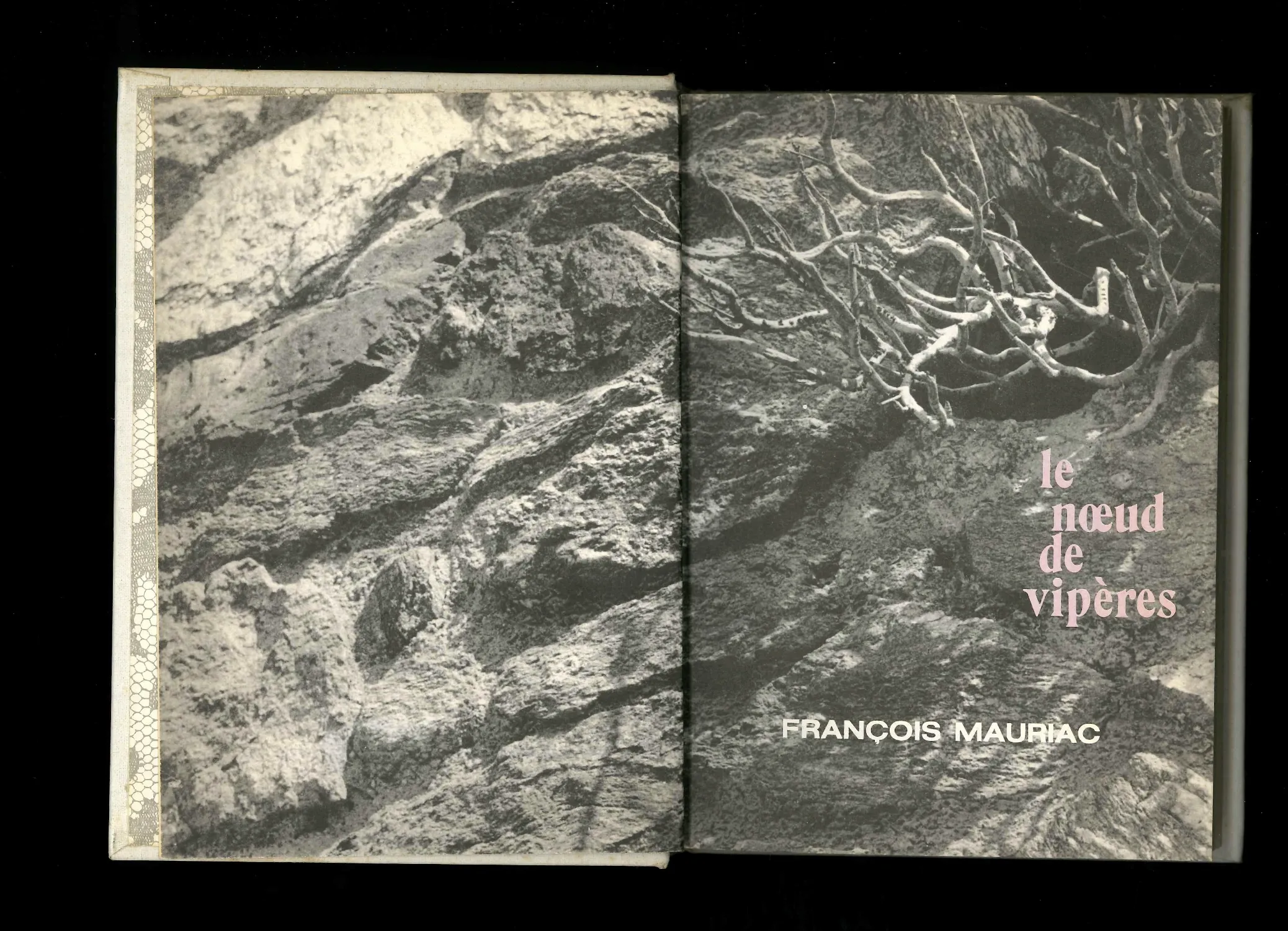
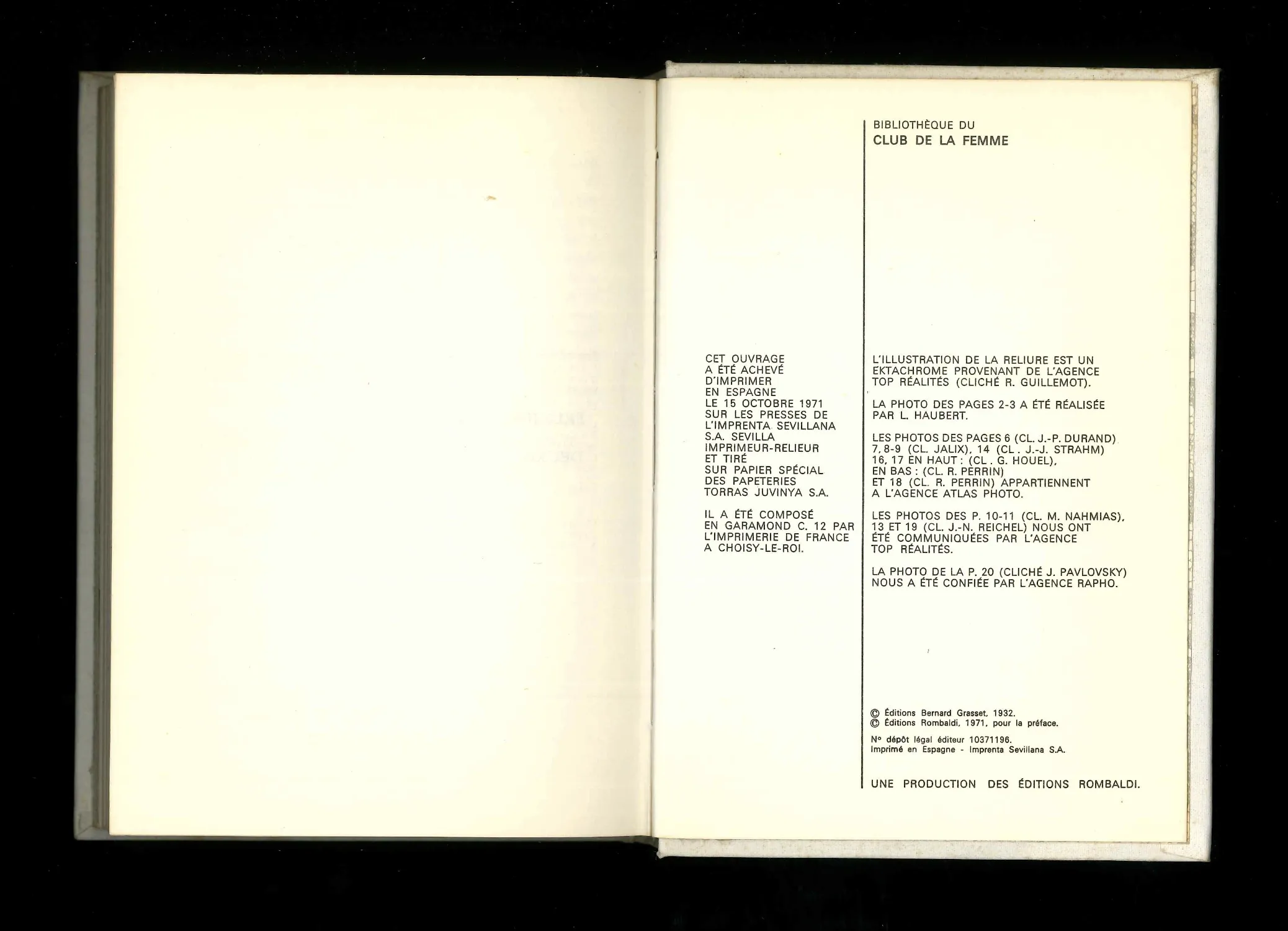
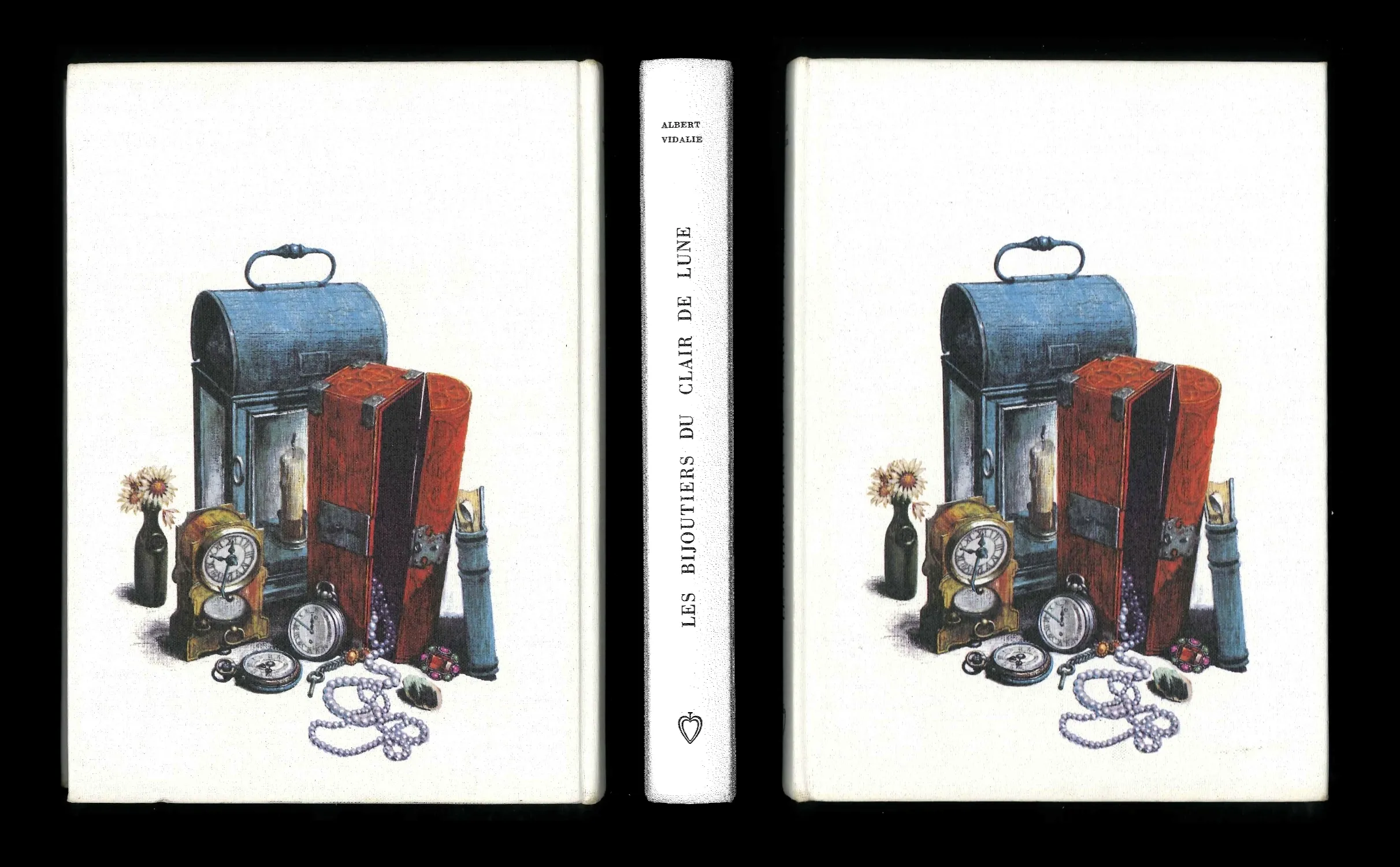
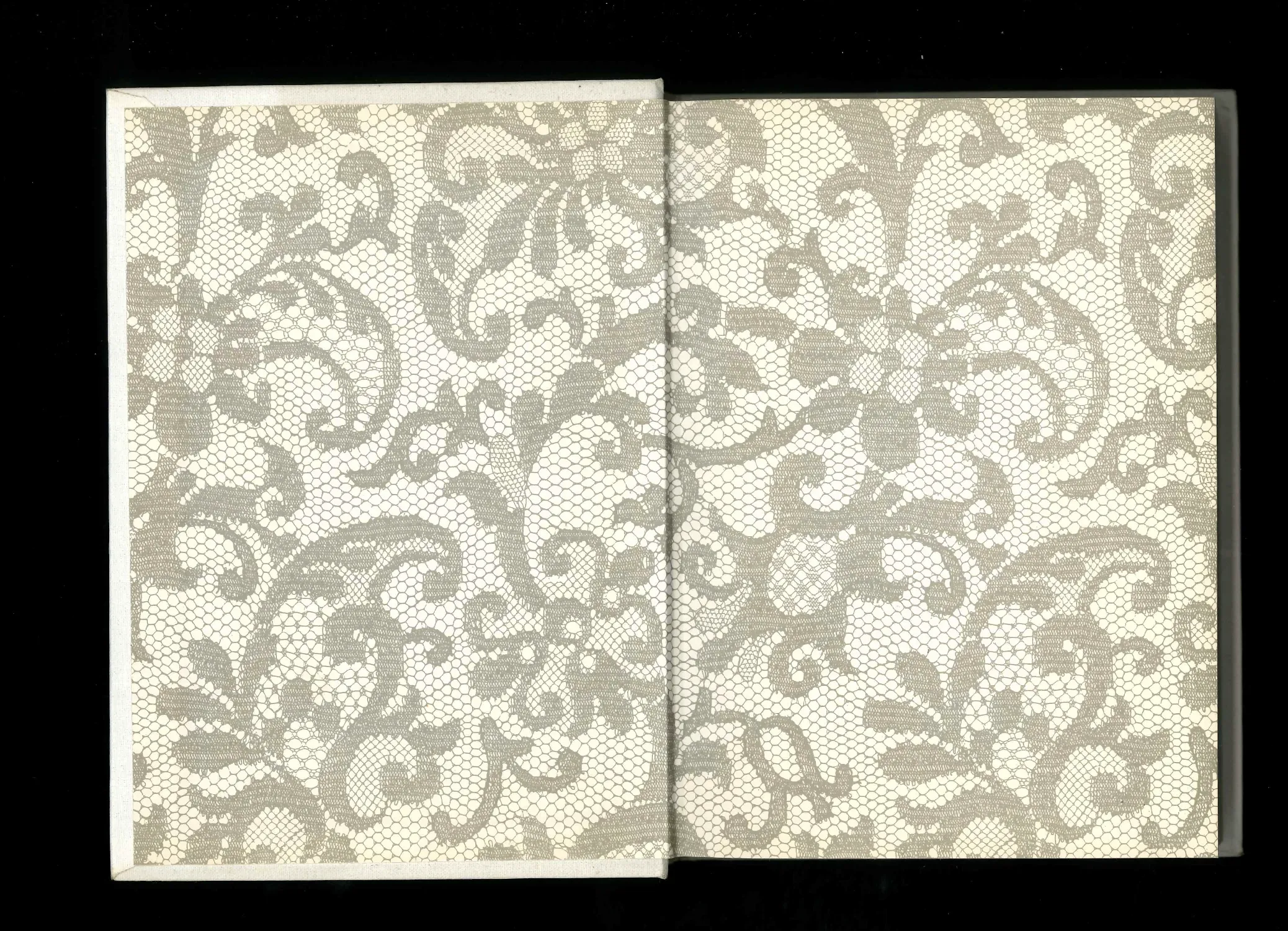
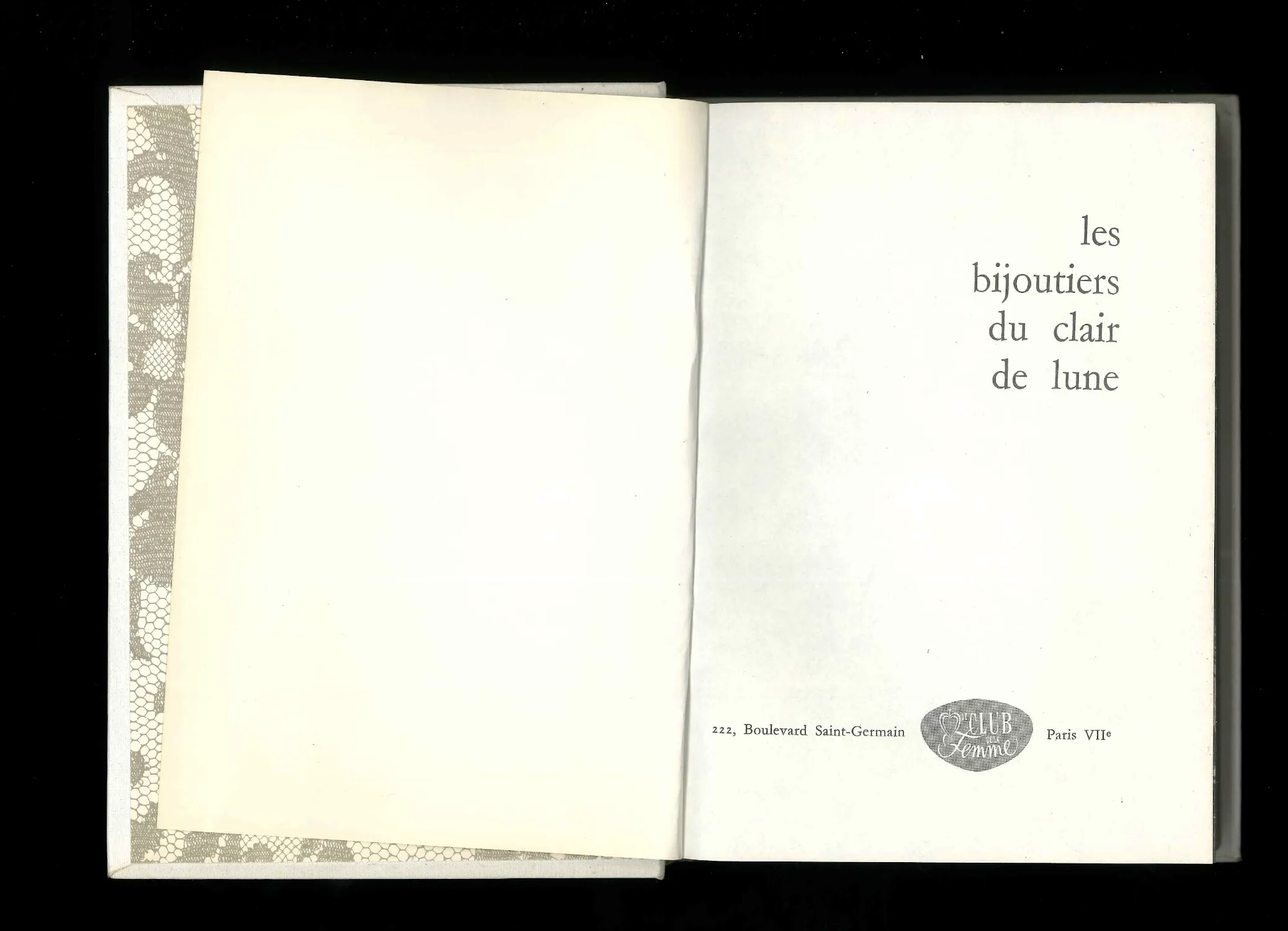
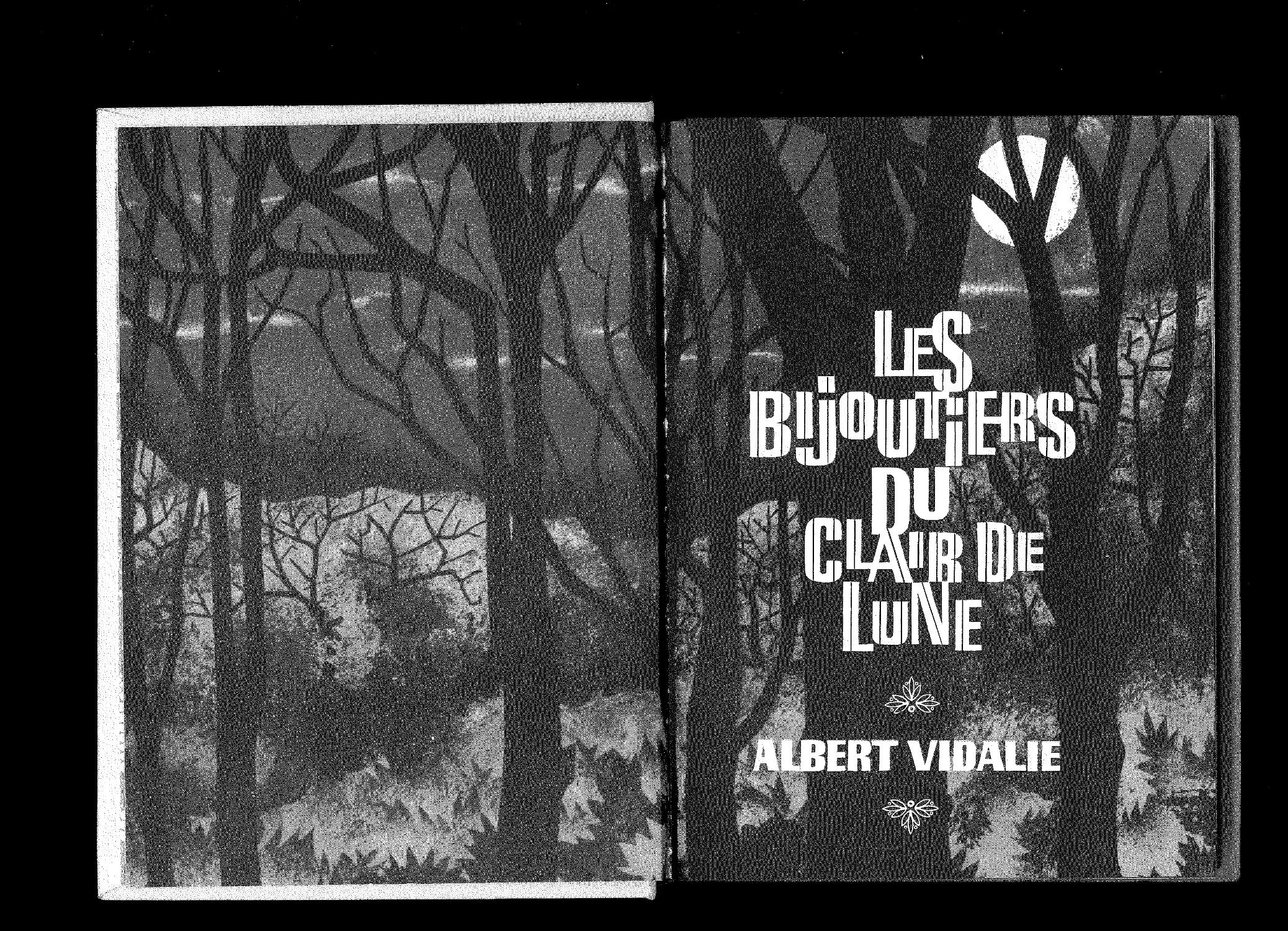
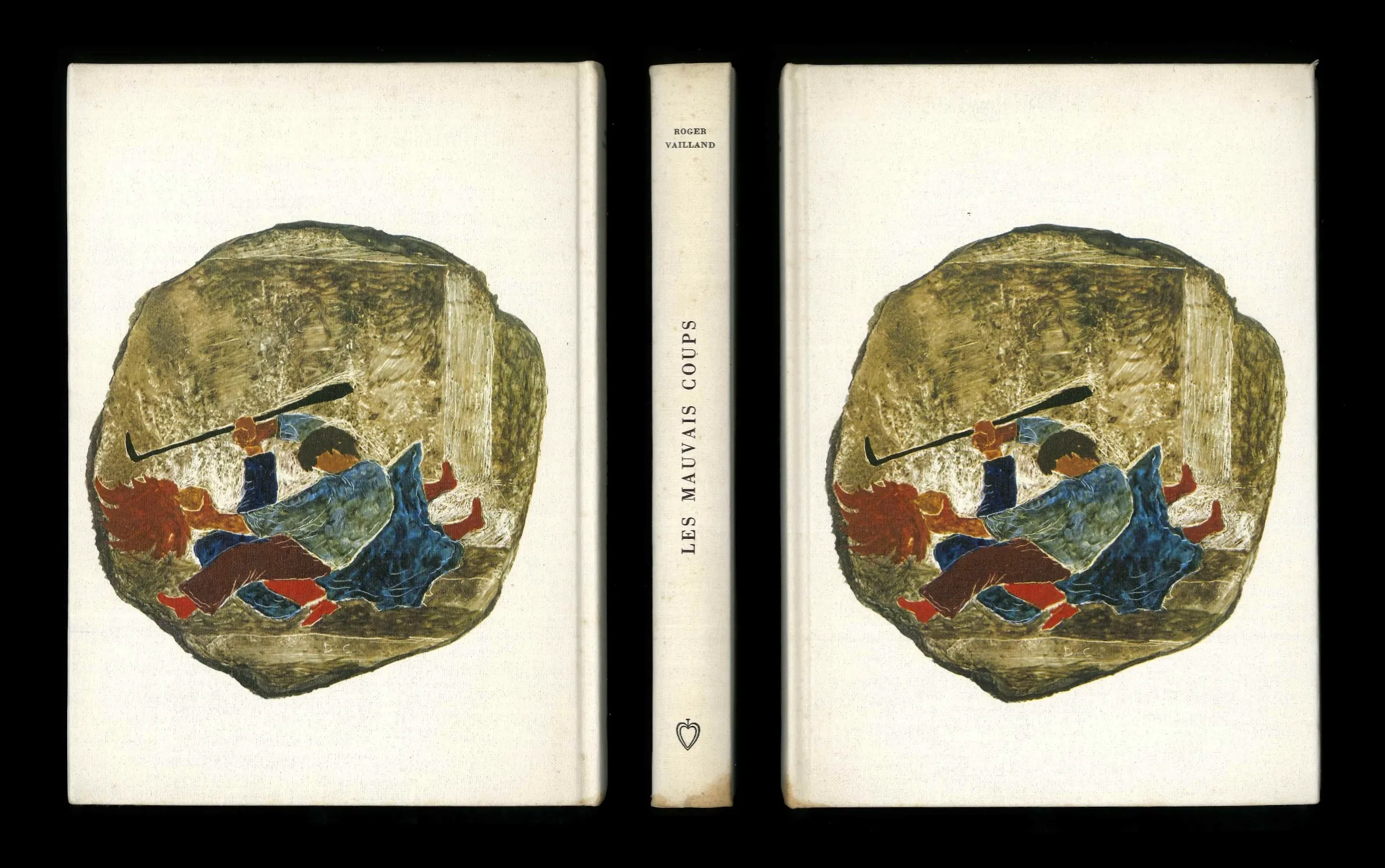
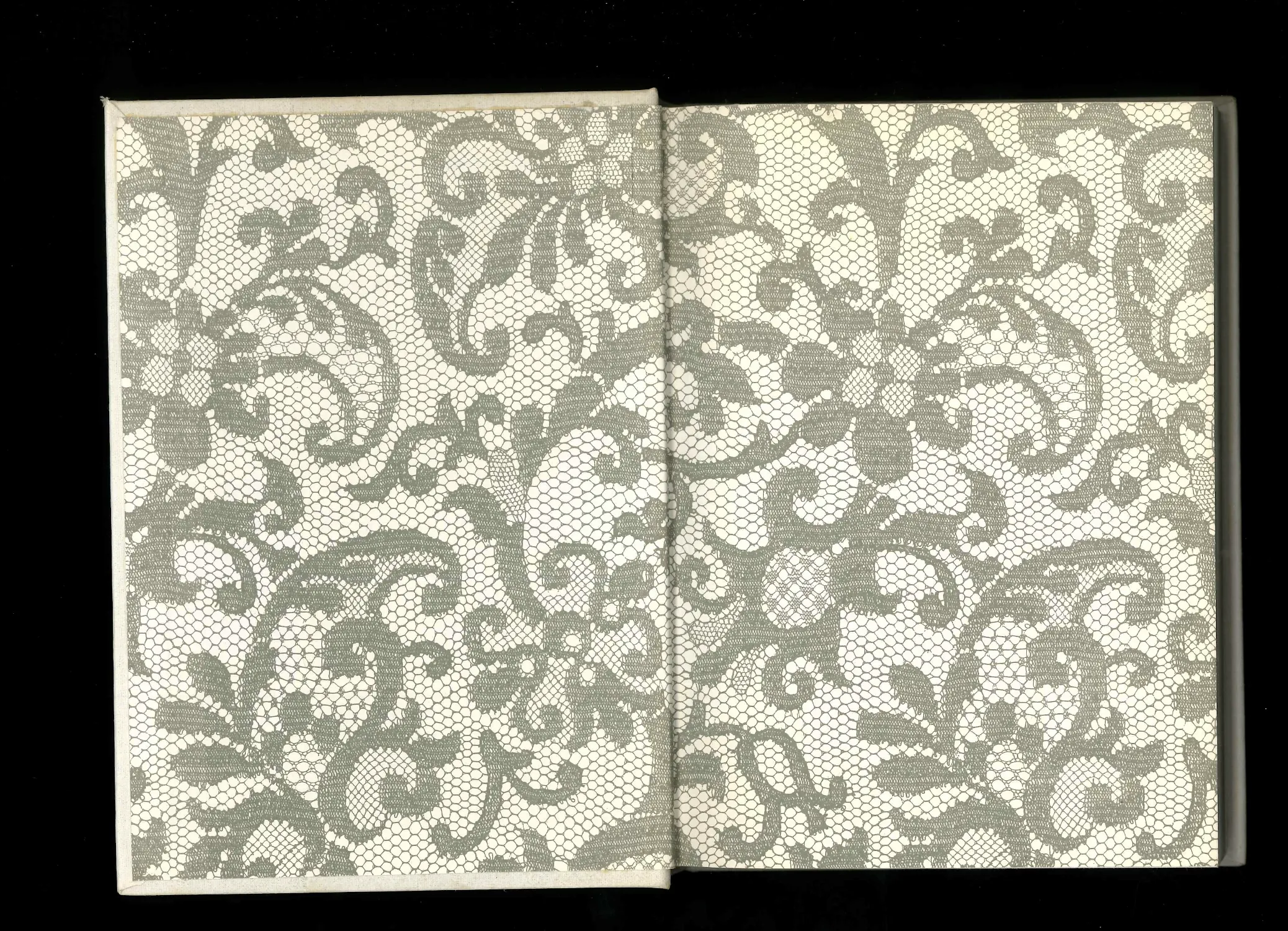
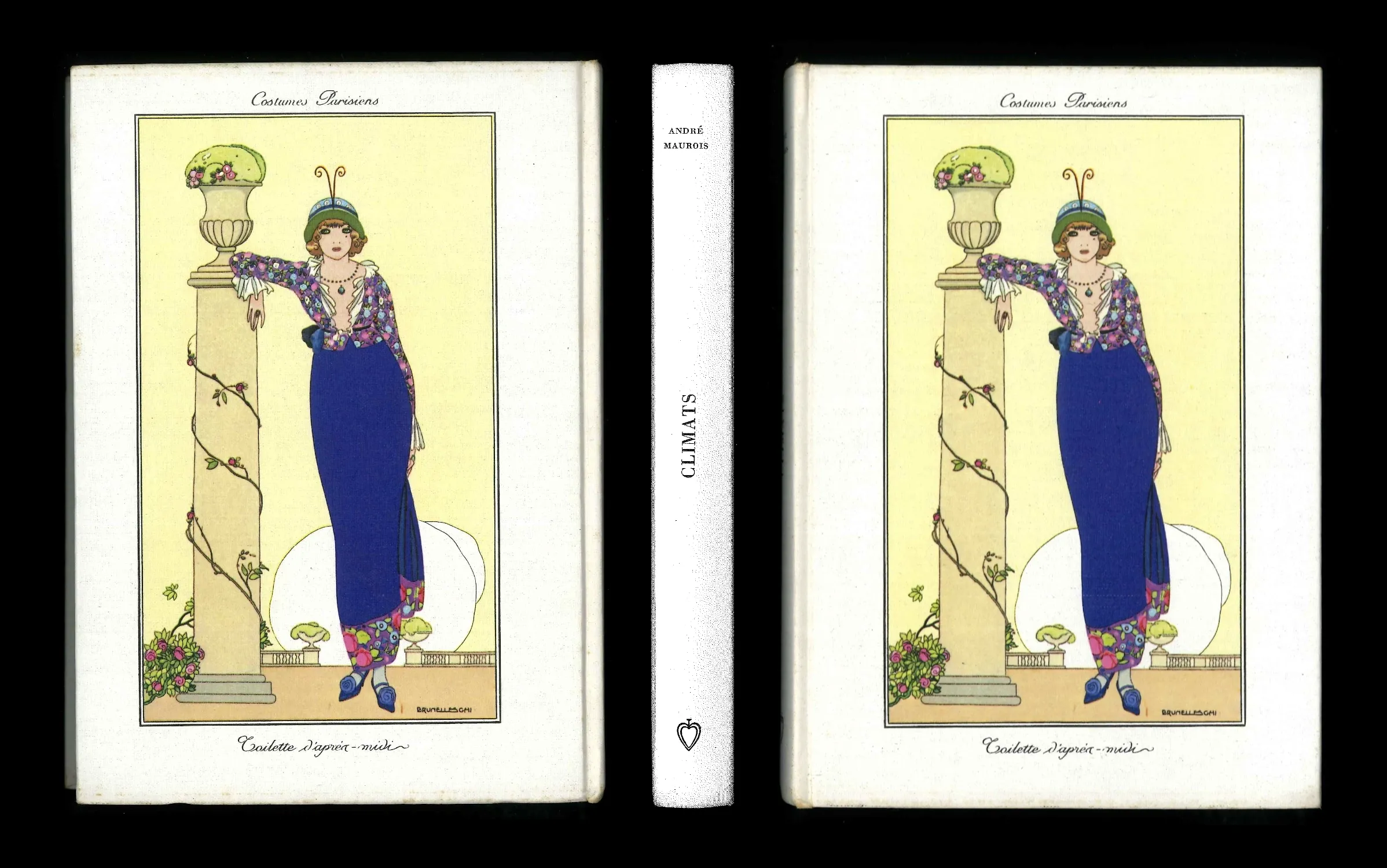
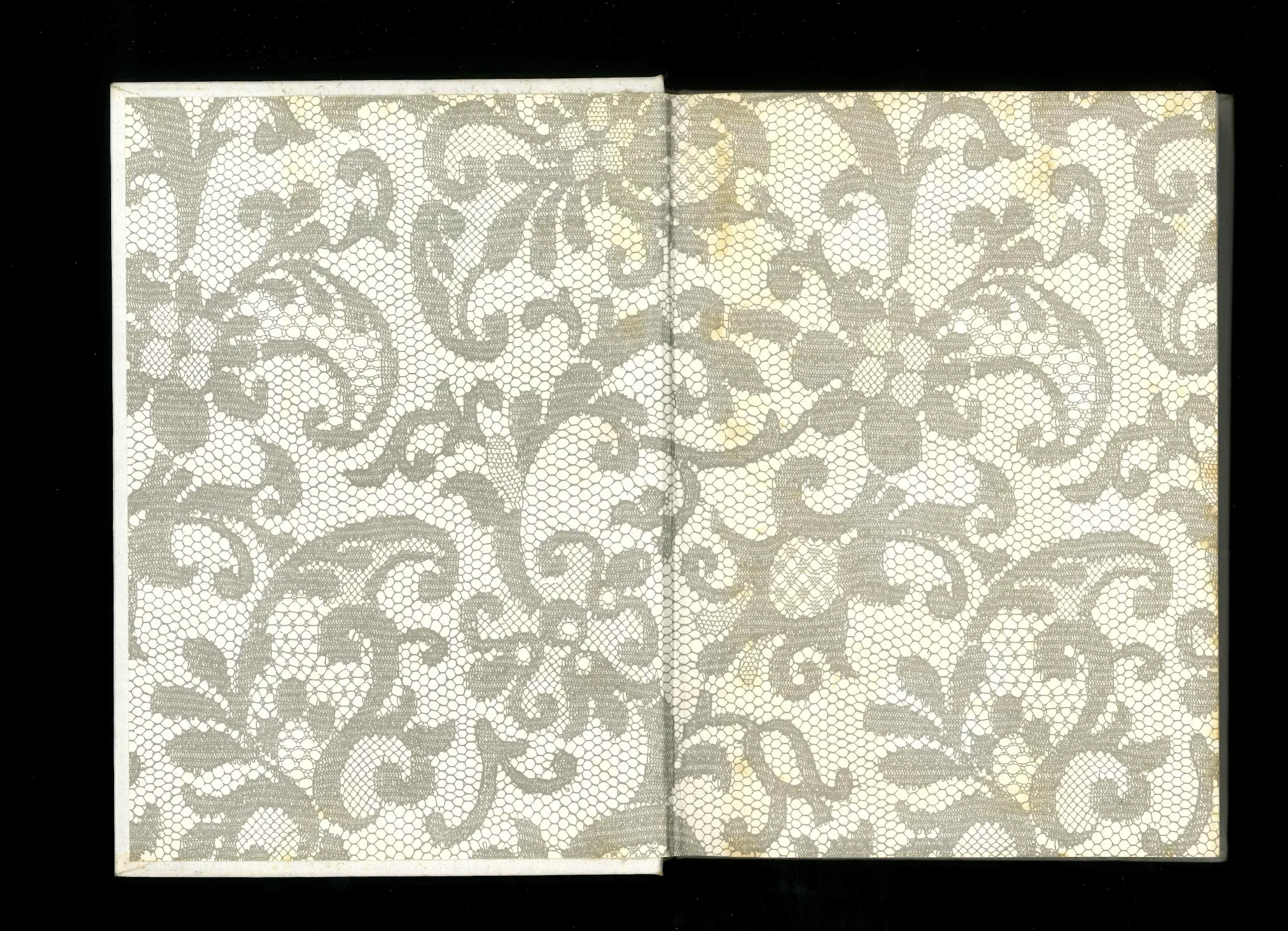
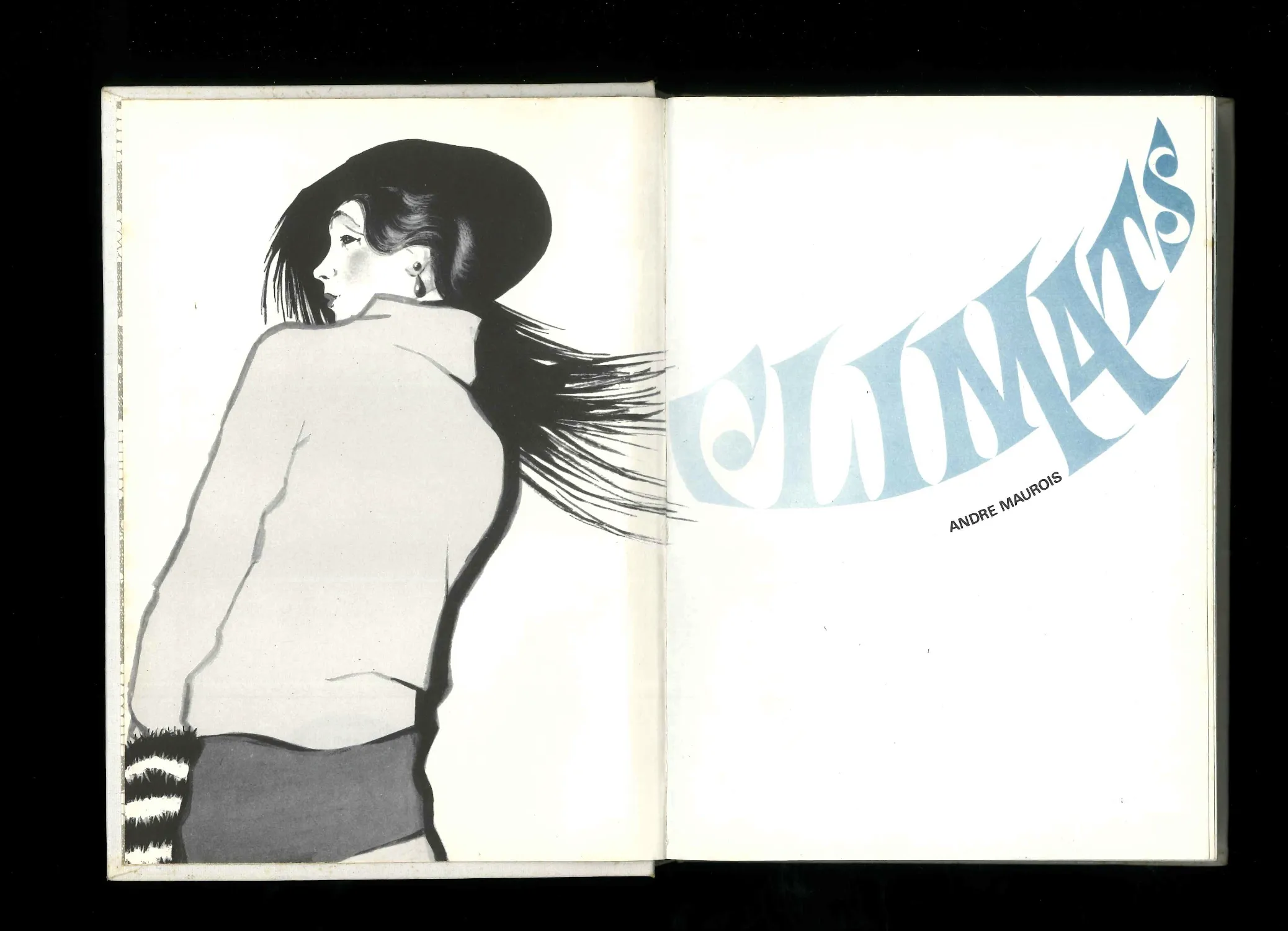
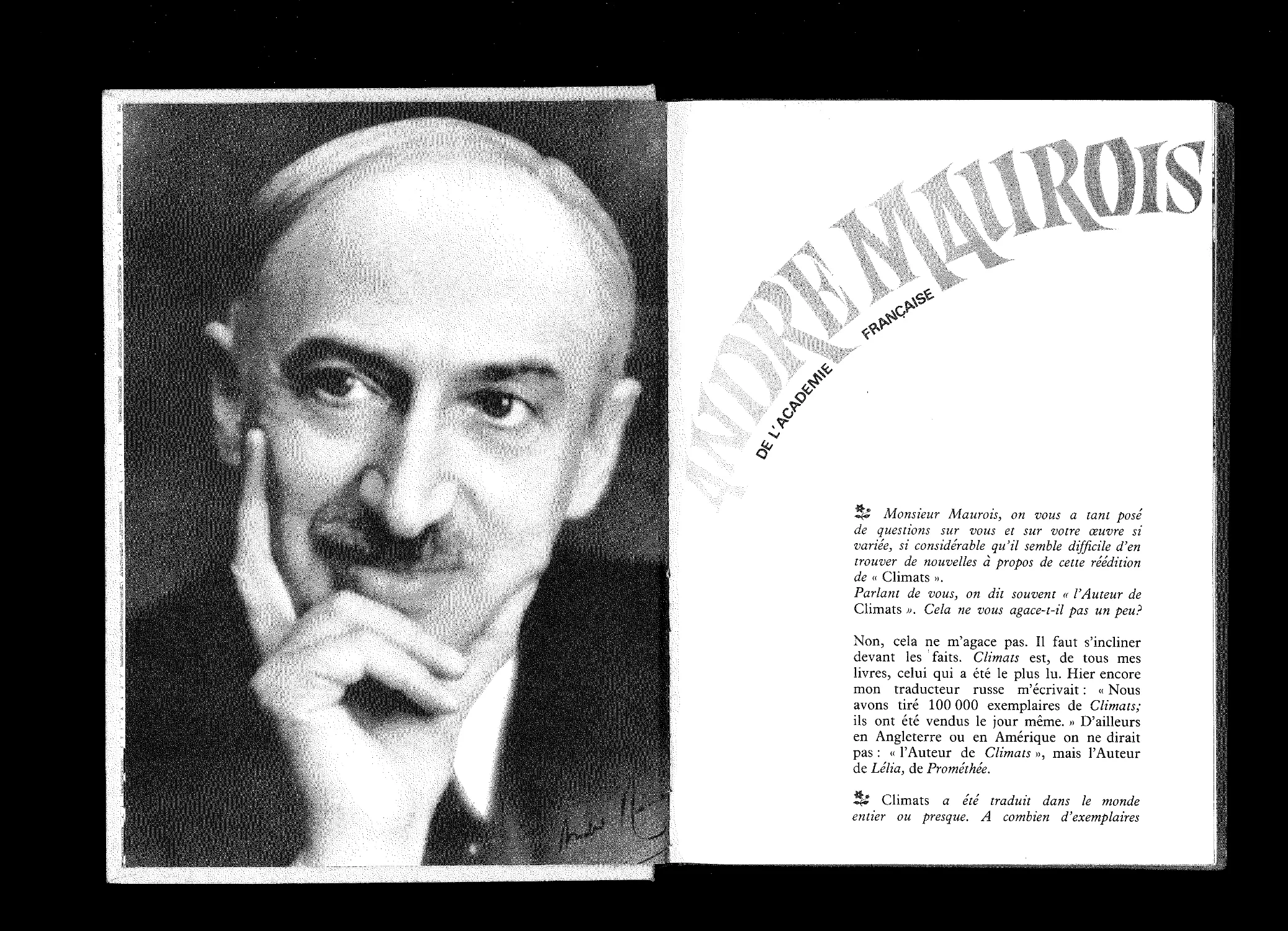
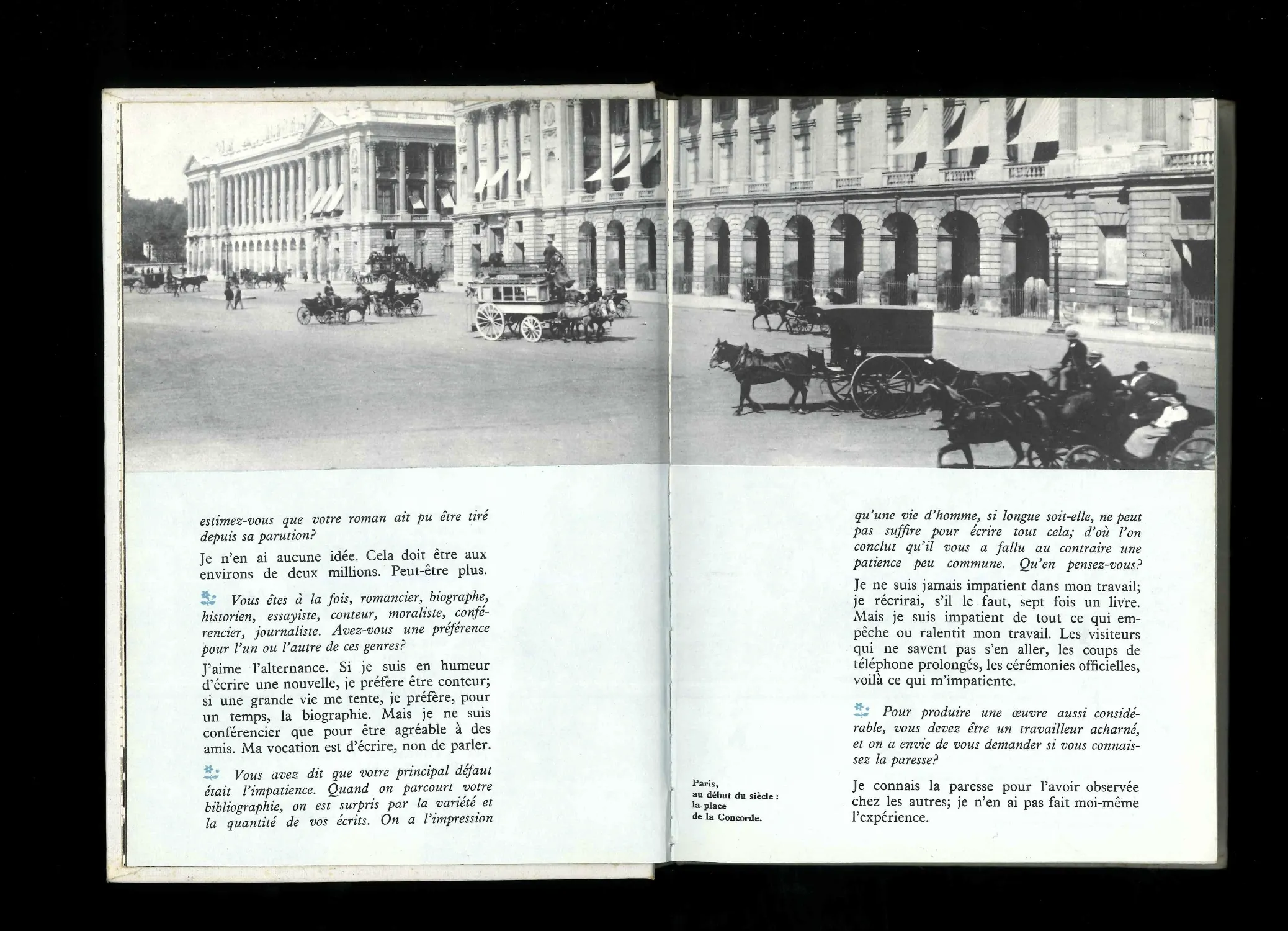
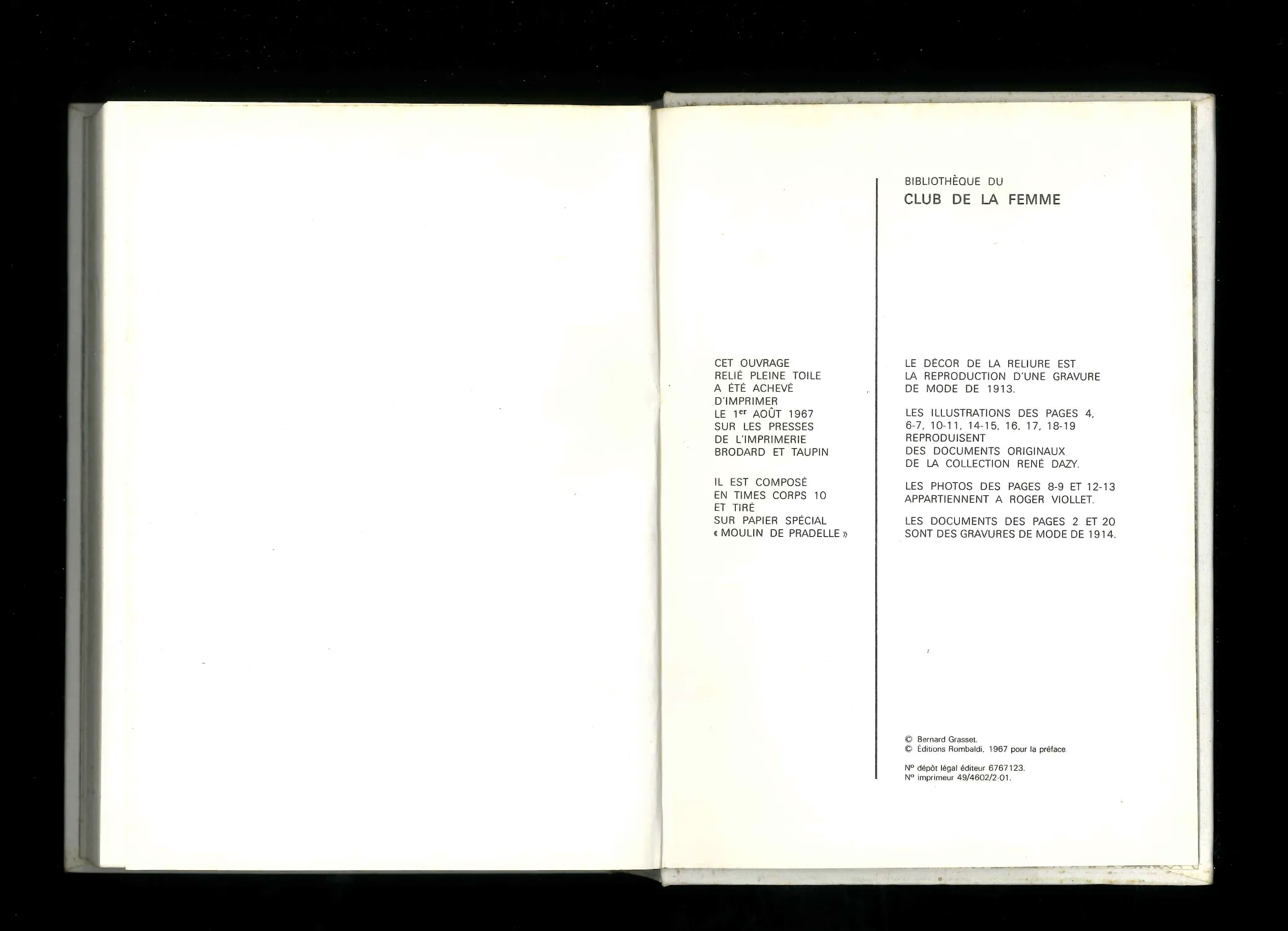
A book, slightly smaller than A5, with a white canvas-bound hardcover, protected by a colorless acetate dust jacket. An identical color illustration on the first and fourth cover board. The name of the author and the title, in capital letters, printed on the spine. At the foot of the spine is a heart-shaped logo. A lace pattern is reproduced on the endpapers. Then comes the title page, followed by a richly illustrated documentary section, whose imaginative layout brings a sharp contrast with the sober and standard composition of the novel that makes up the rest of the volume.
Anyone familiar with used bookshops, yard sales and book boxes will have recognized the concise description of a Club de la Femme book — one of the many “Clubs du Livre” that were in activity between the 1950s and the 1970s. In purely administrative terms, this “club” is a collection published by the Rombaldi publishing house (its full name is “Bibliothèque du Club de la Femme”). Founded in 1920, the Rombaldi company initially traded unsold book stocks at discount prices to bookshops. Rombaldi started publishing books during the 1940s, until the turn of the 1980-90s (the company was bought by La Redoute in 1974, then Hachette in 1988). The Club de la Femme itself was active between 1956 and 1973.
A decade before the company’s creation, in 1945, Laurent Rombaldi, the son of the founder and co-heir of the family business, discovered the principles of mail order and brokerage sales while visiting the USA, and brought back this business model along with “modern” management tools. Over the course of the 1950s, he developed a commercial offer that included bookshop distribution, brokerage (for encyclopedias and bibliophilia), subscriptions and mail order, and created a variety of general-public and specialized book clubs (Club de la Femme, Club de la mer, etc.).
The Club de la Femme boasted 400,000 members in 1959, and 150,000 in 1967, and has published nearly 240 titles at the rate of two novels from eight to twelve times a year, forming a vast catalogue of contemporary authors, with individual print runs as high as 180,000 copies. In 1960, a partnership with the International Record Guild enabled Rombaldi to sell Club de la Femme books through a second imprint named the “Cercle du bibliophile”. The business agreement, which allowed the two partners to significantly amortize their manufacturing costs 1,1 was the starting point of the Guild’s publishing activities.
Rigorously identical in appearance, these two clubs / circles are the joint subject of this essay.
“Club” books: between invention and homogenization
A comparative analysis of several Club de la Femme / Cercle du bibliophile books already published by other book clubs ten or fifteen years before — especially by established and pioneering companies like the Club français du livre (CFL) and the Club du meilleur livre (CML), allows for a more precise description of their graphic and editorial characteristics:
- Antoine Blondin, Les Enfants du bon dieu (1952) CML38
- Michel Butor, La Modification (1957) CFL614
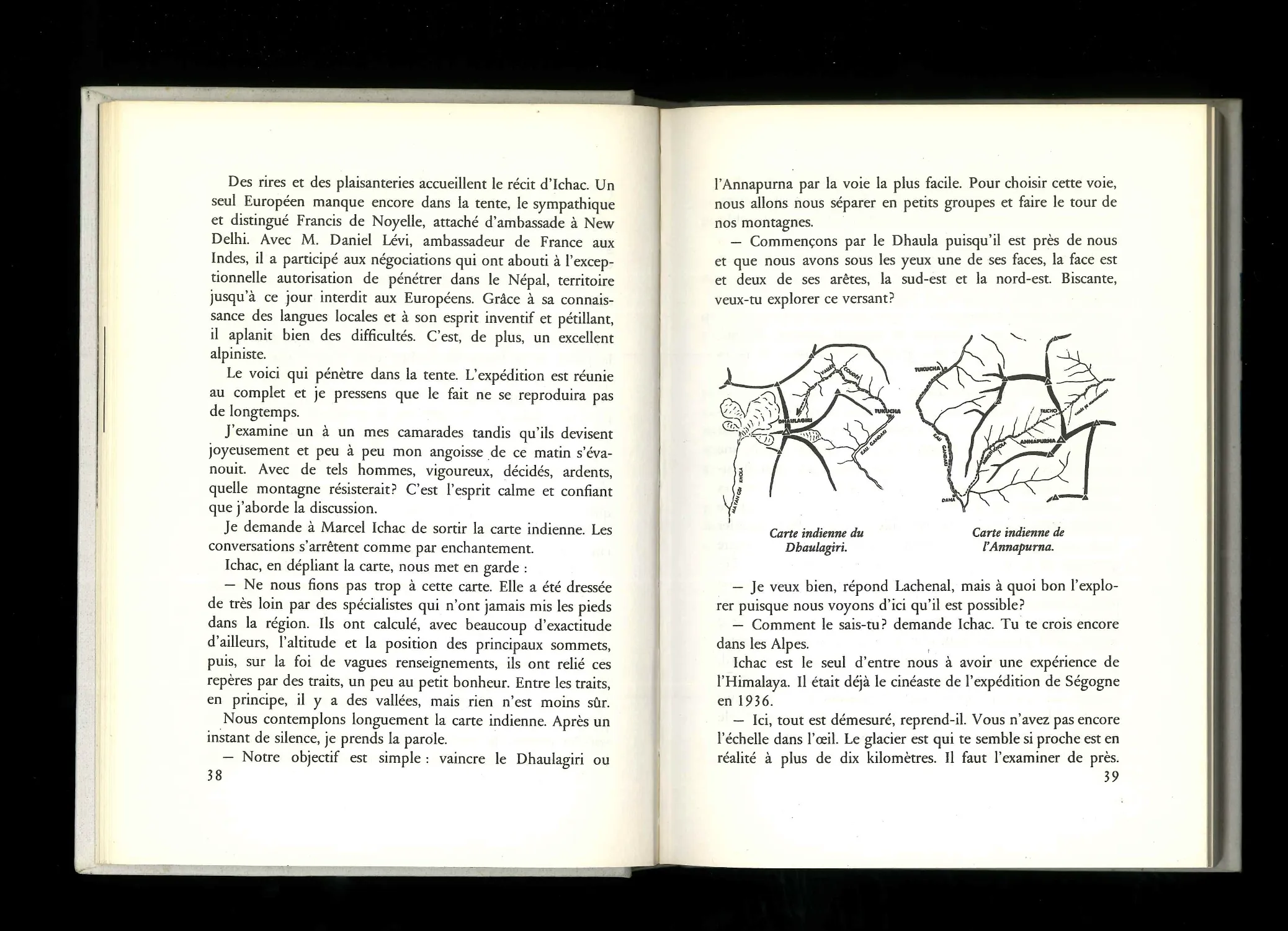
- Maurice Herzog, Annapurna, premier 8000 (1951) CFL357
- François Mauriac, Le Nœud de vipères (1932) CFL57
- André Maurois, Climats (1928) CFL222
- Albert Schweitzer, À l’orée de la forêt vierge (1921) CFL331
- Roger Vaillant, Les Mauvais coups (1959) CFL771
- Albert Vidalie, Les Bijoutiers du clair de lune (1954) CML147
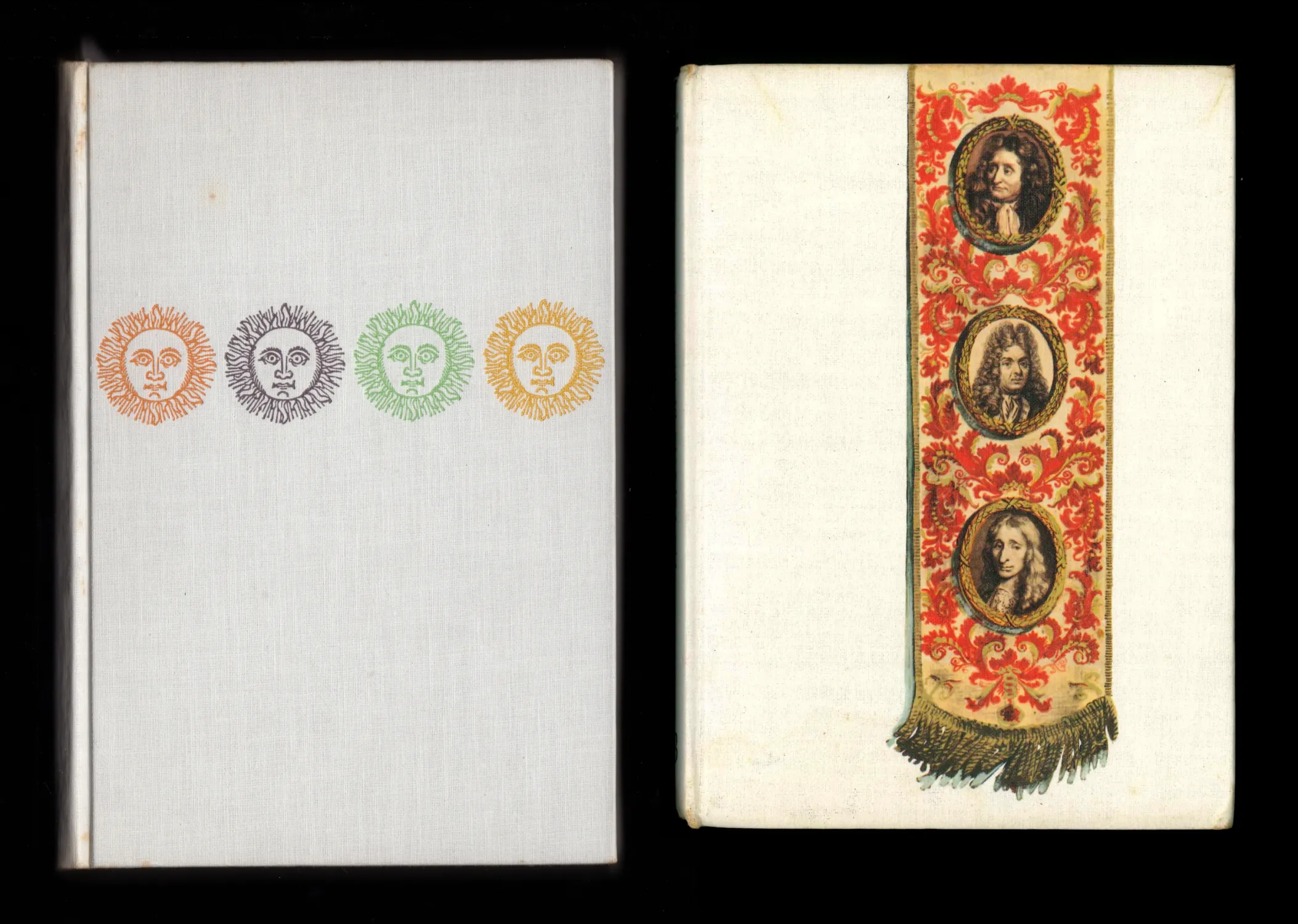
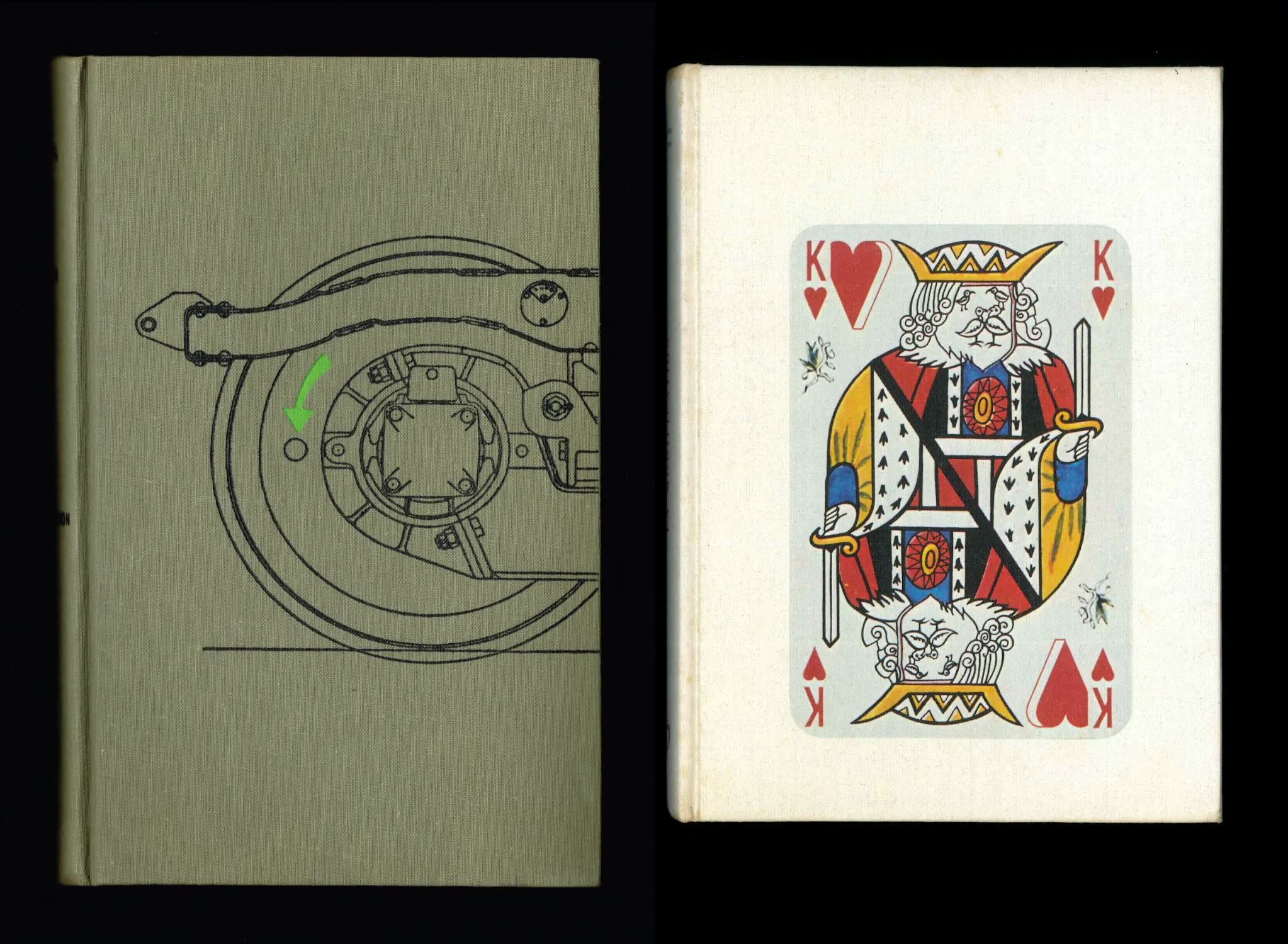
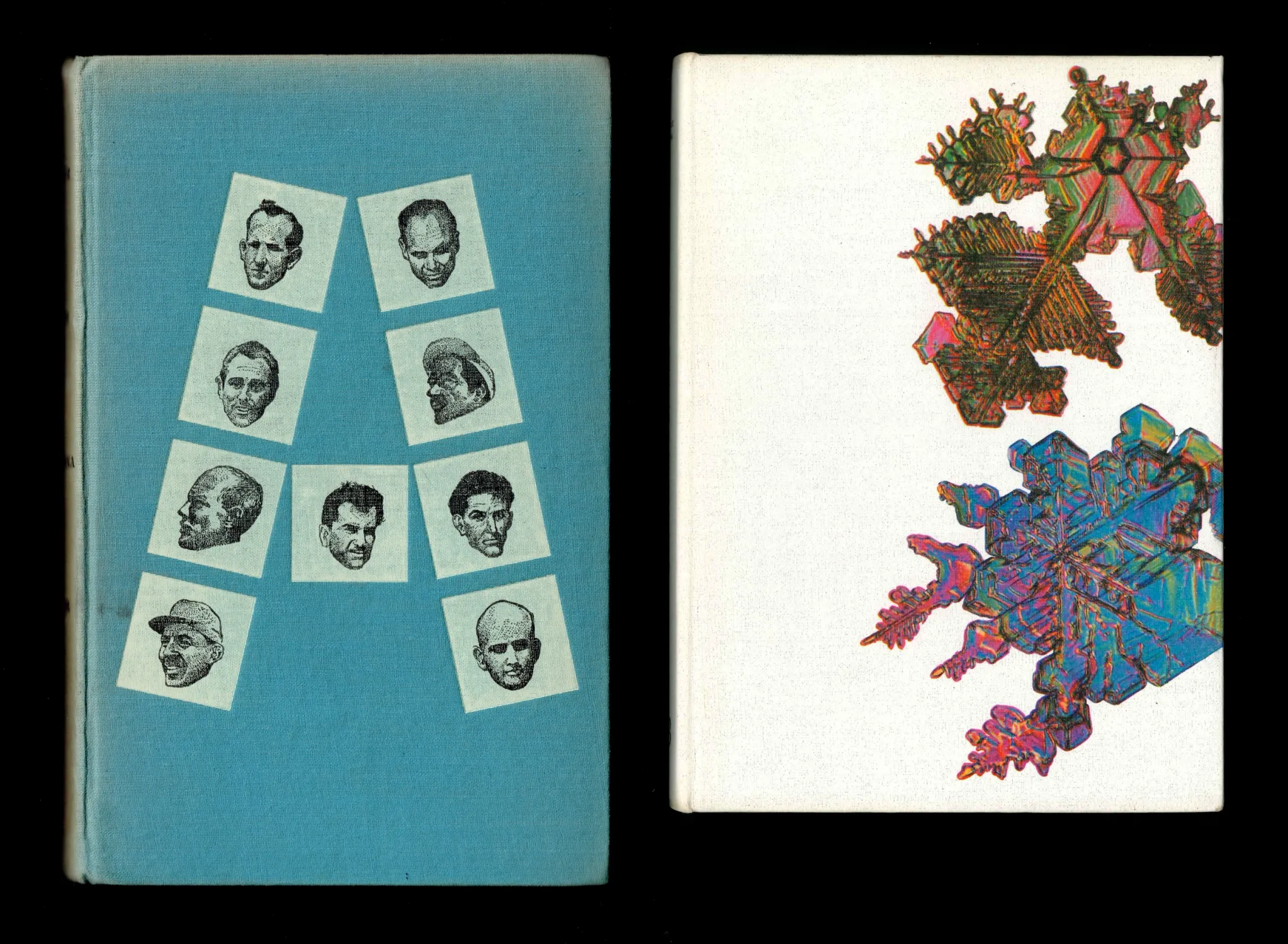
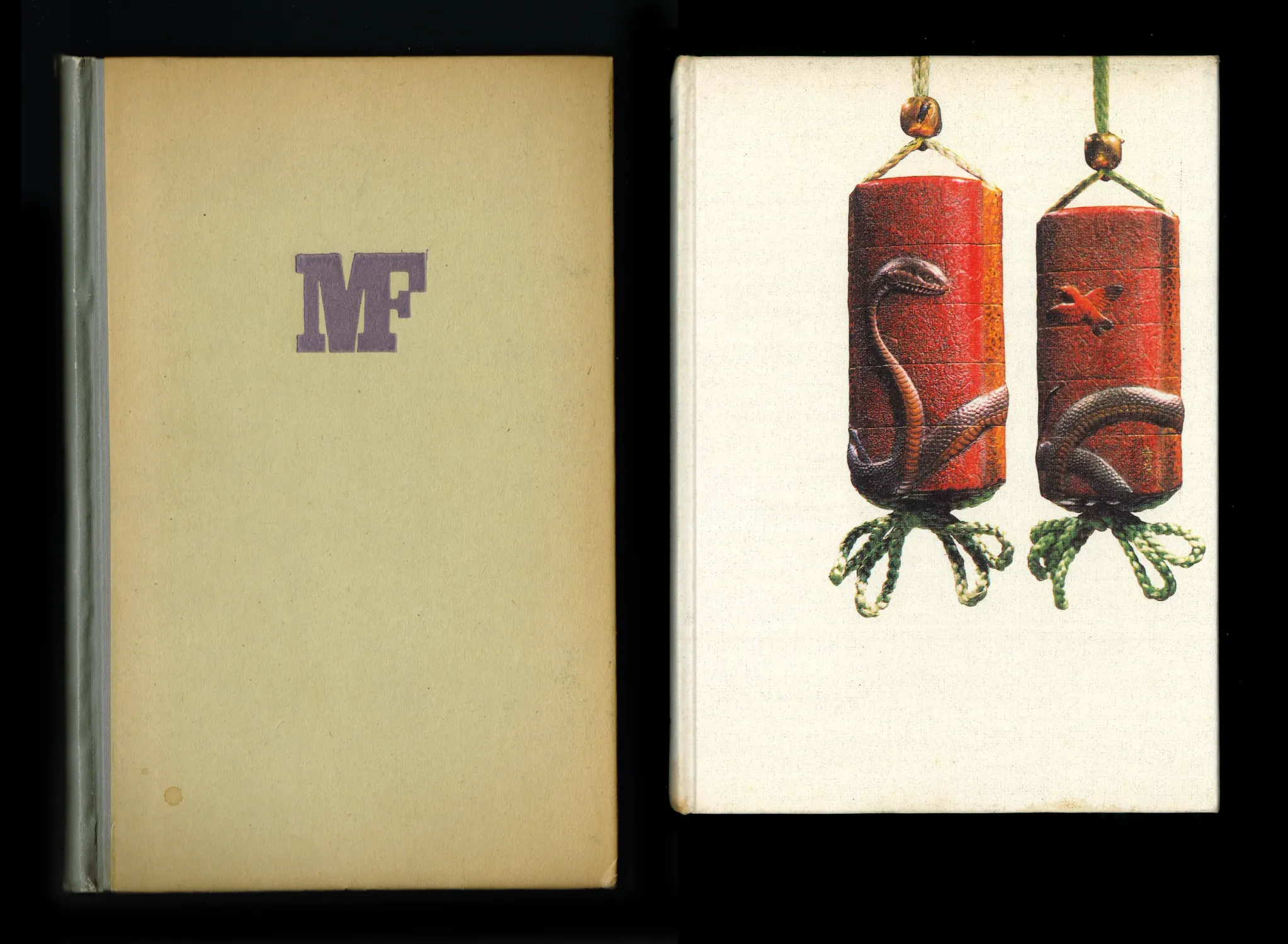
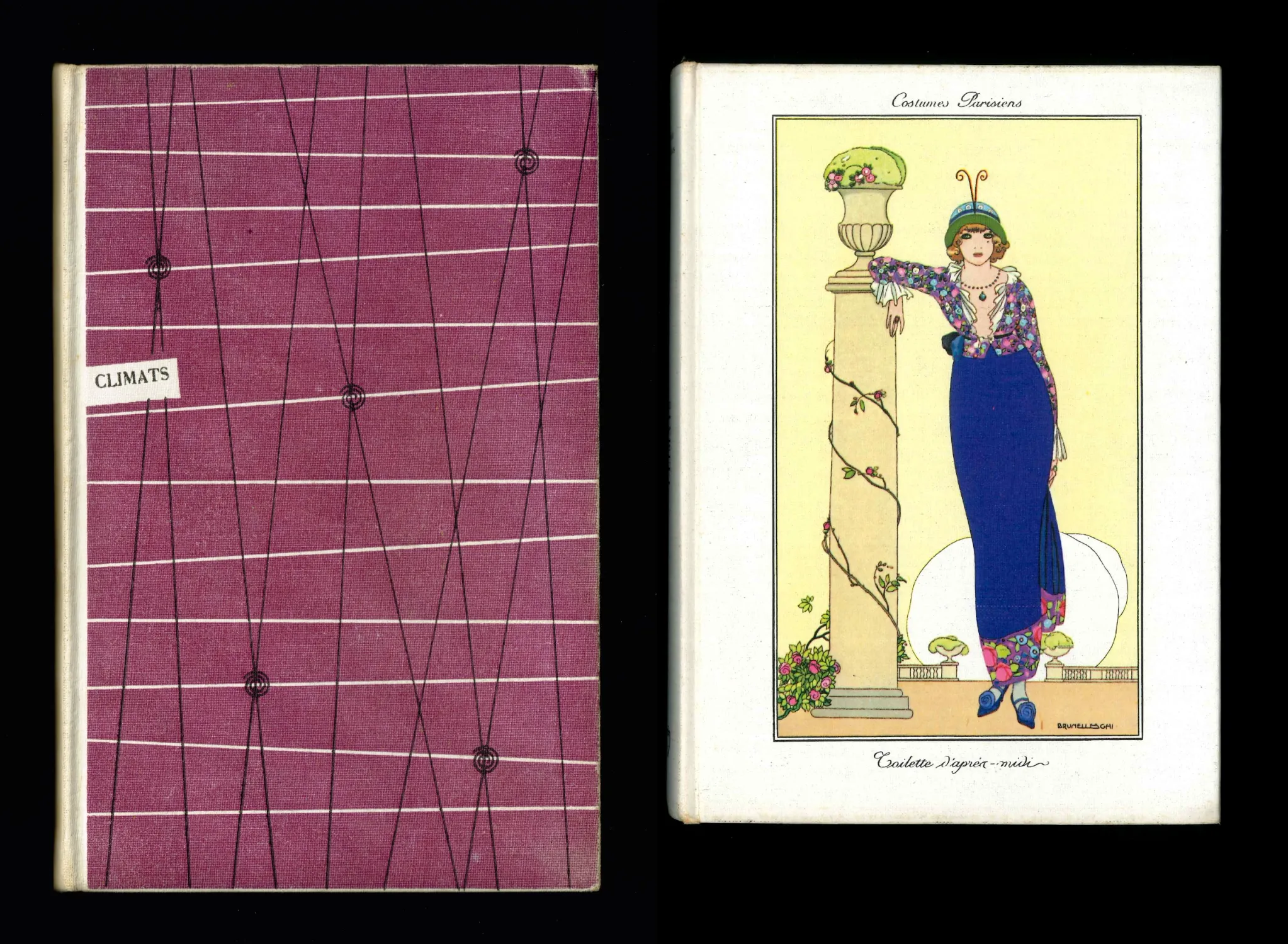
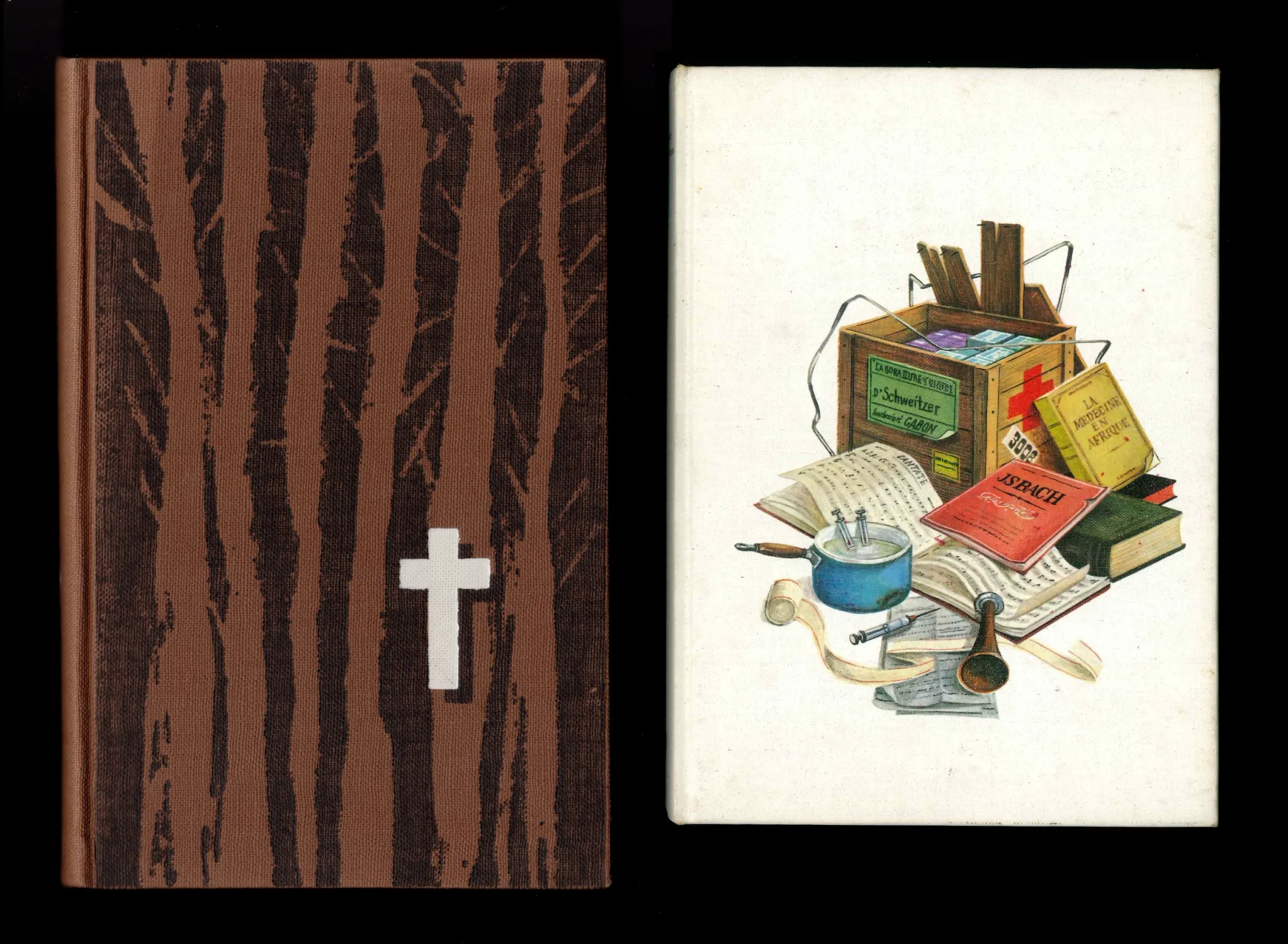
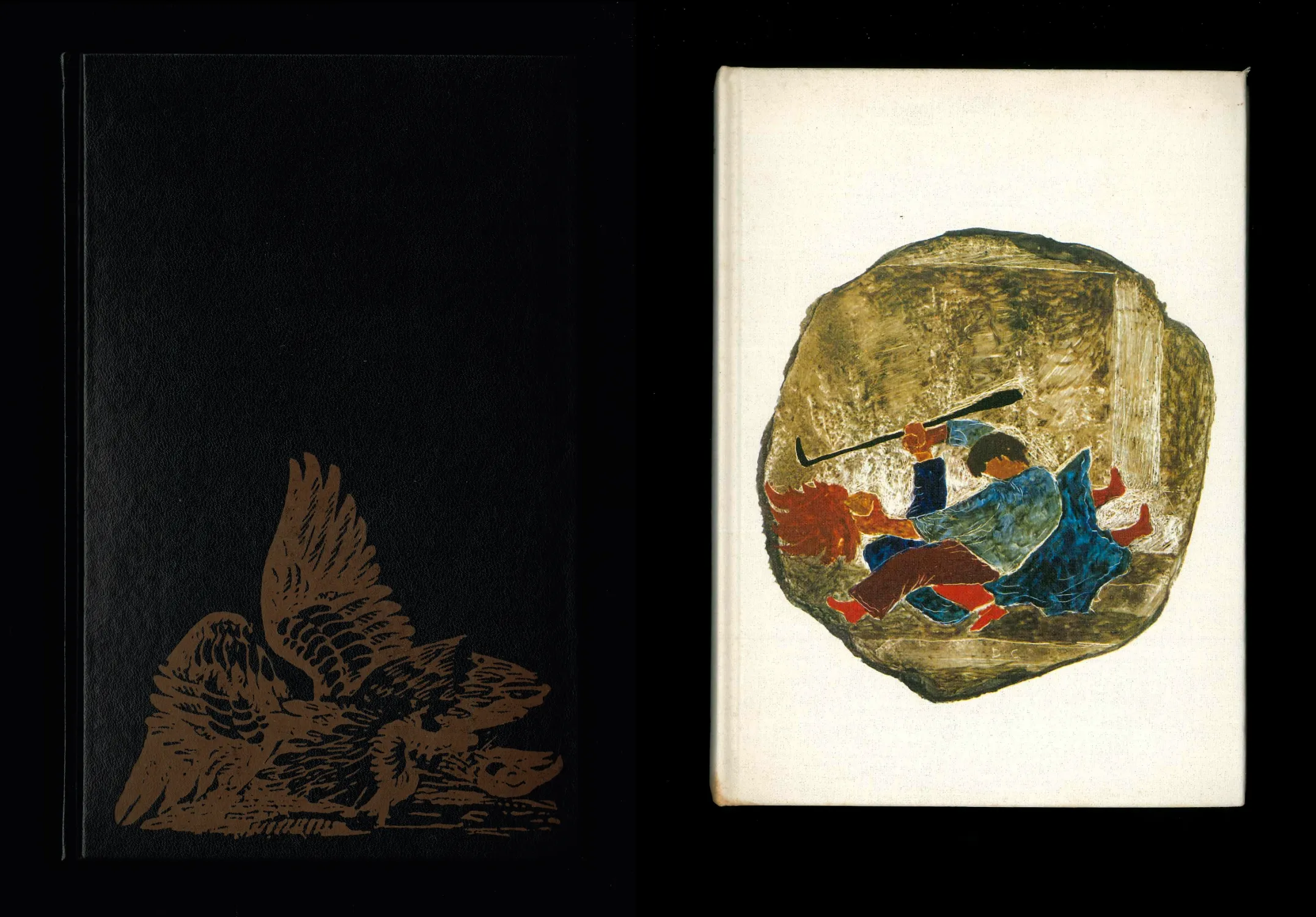
All of the titles listed above are 13.5 cm wide, but their height is specific to each publishing house or collection: 21.5 cm for the CFL, 20 cm for the CML, and 18.8 cm for the Club de la Femme / Cercle du bibliophile. Beyond this standardization in terms of format, these various editions stand out mainly for their covers — both in terms of material specifications and of design. The distinctiveness of CFL and CML book covers lies in their variation: paper, black leather or white, olive, blue or brown canvas, titled with colored lettering or gilded stamping. The Club de la Femme / Cercle du bibliophile covers invariably consist in a white, full-canvas binding, printed with a four-color illustration, covered by an acetate dust jacket.
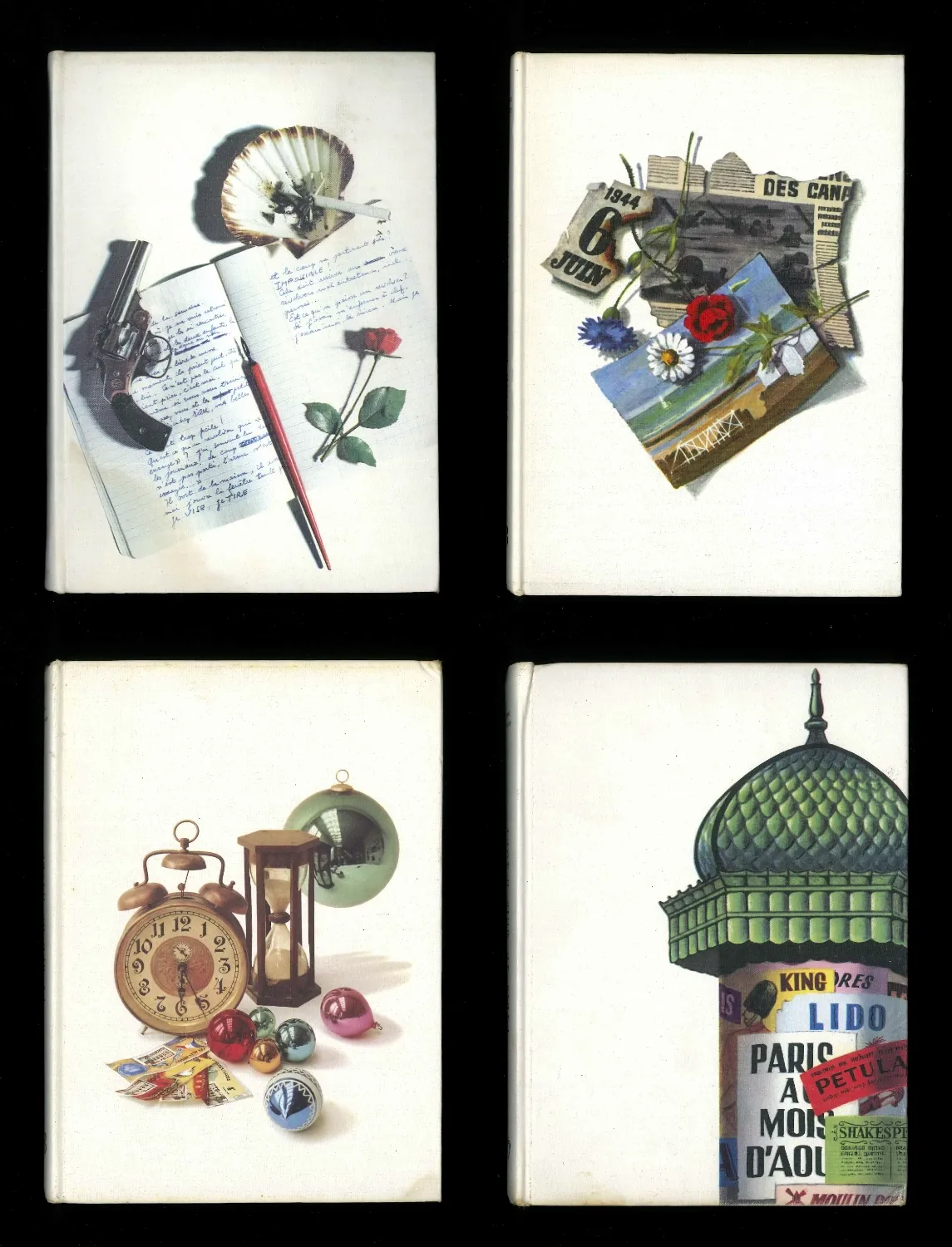
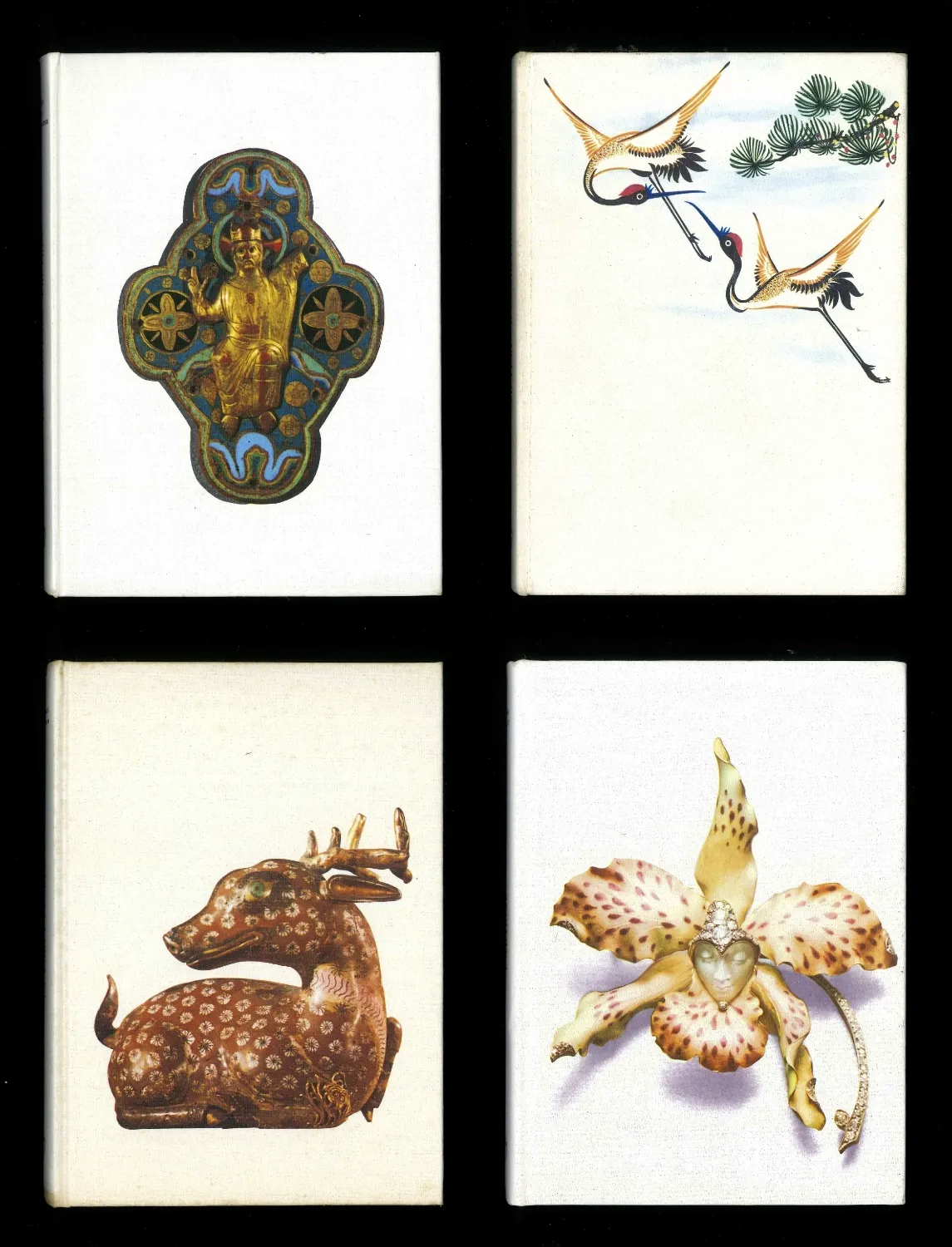
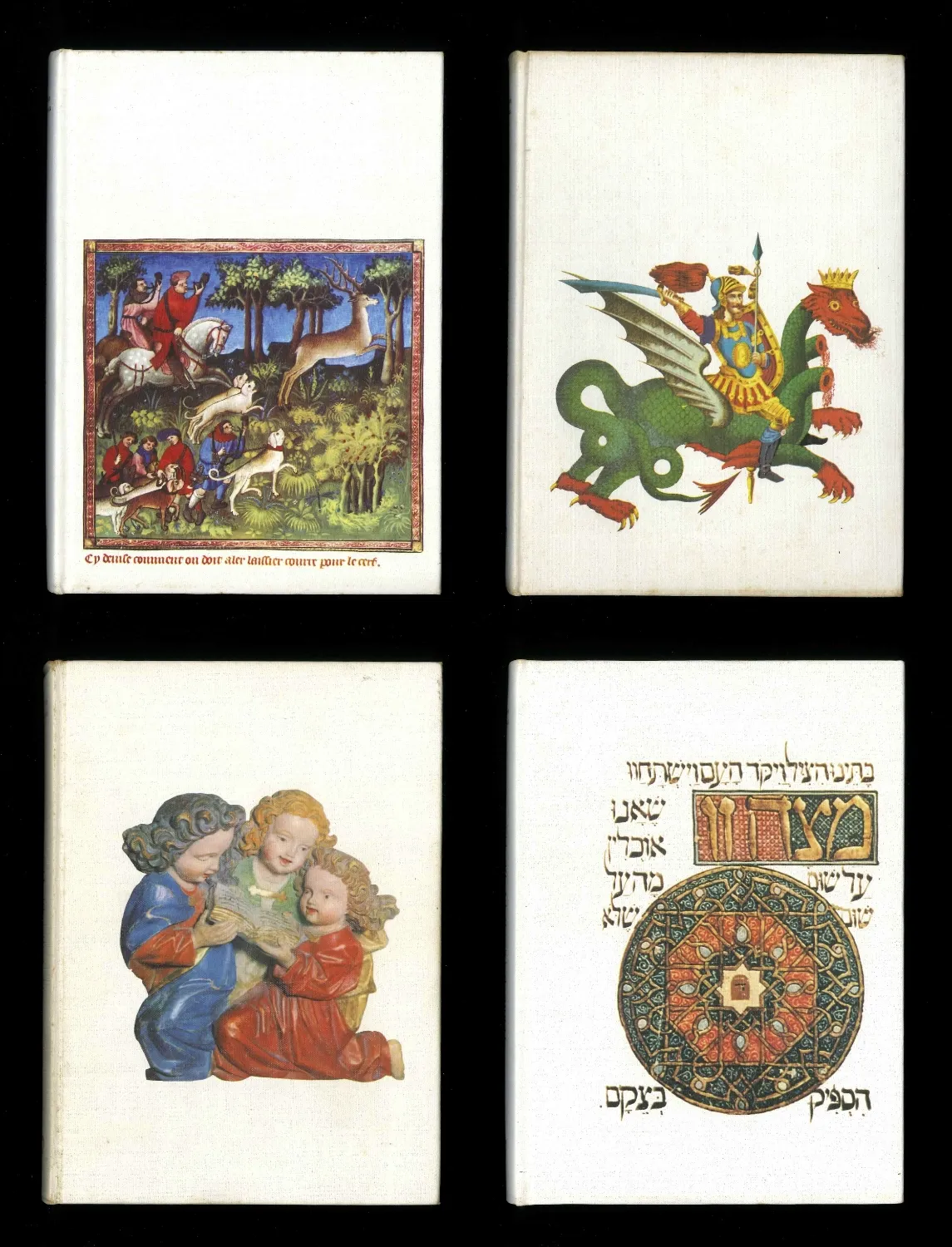
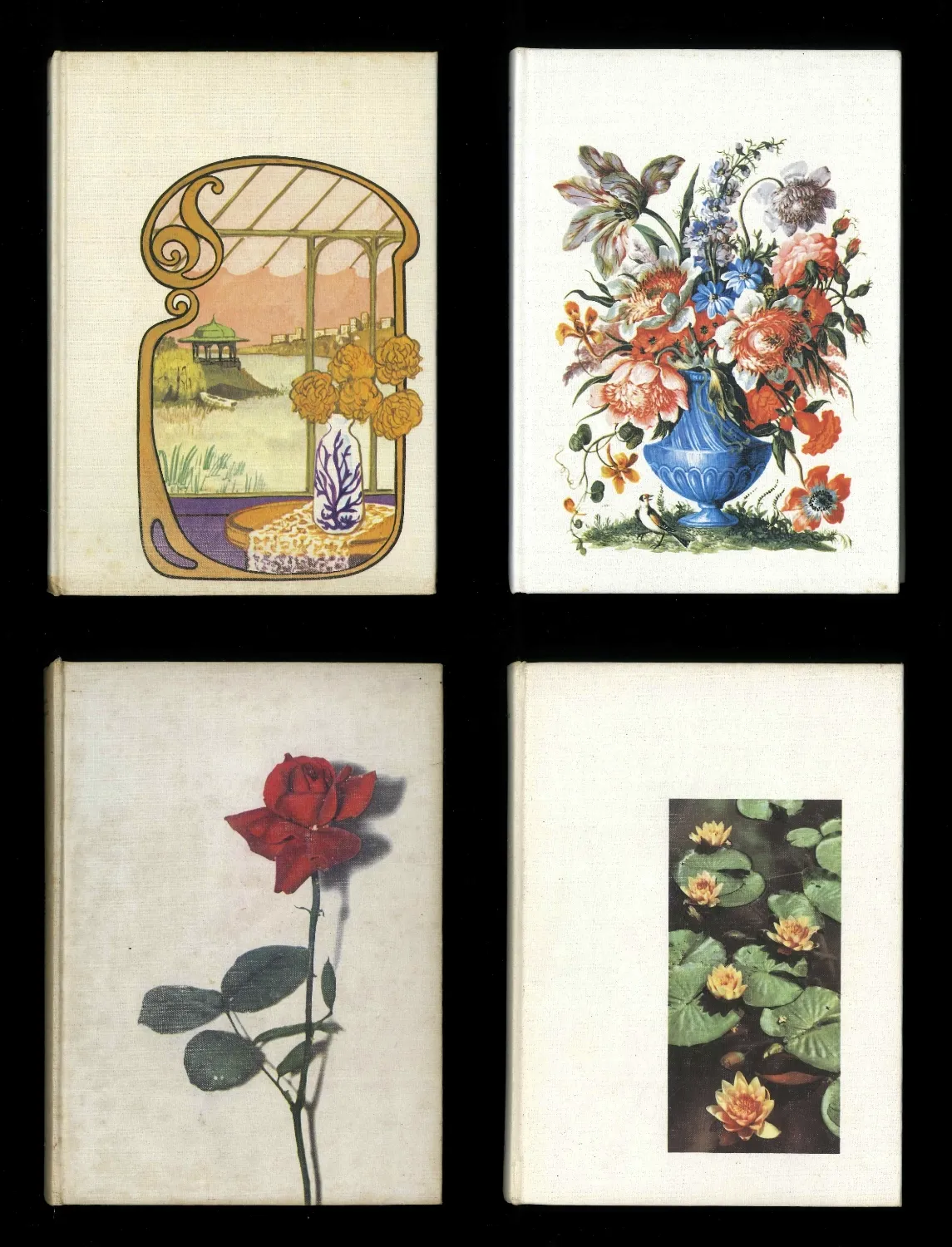
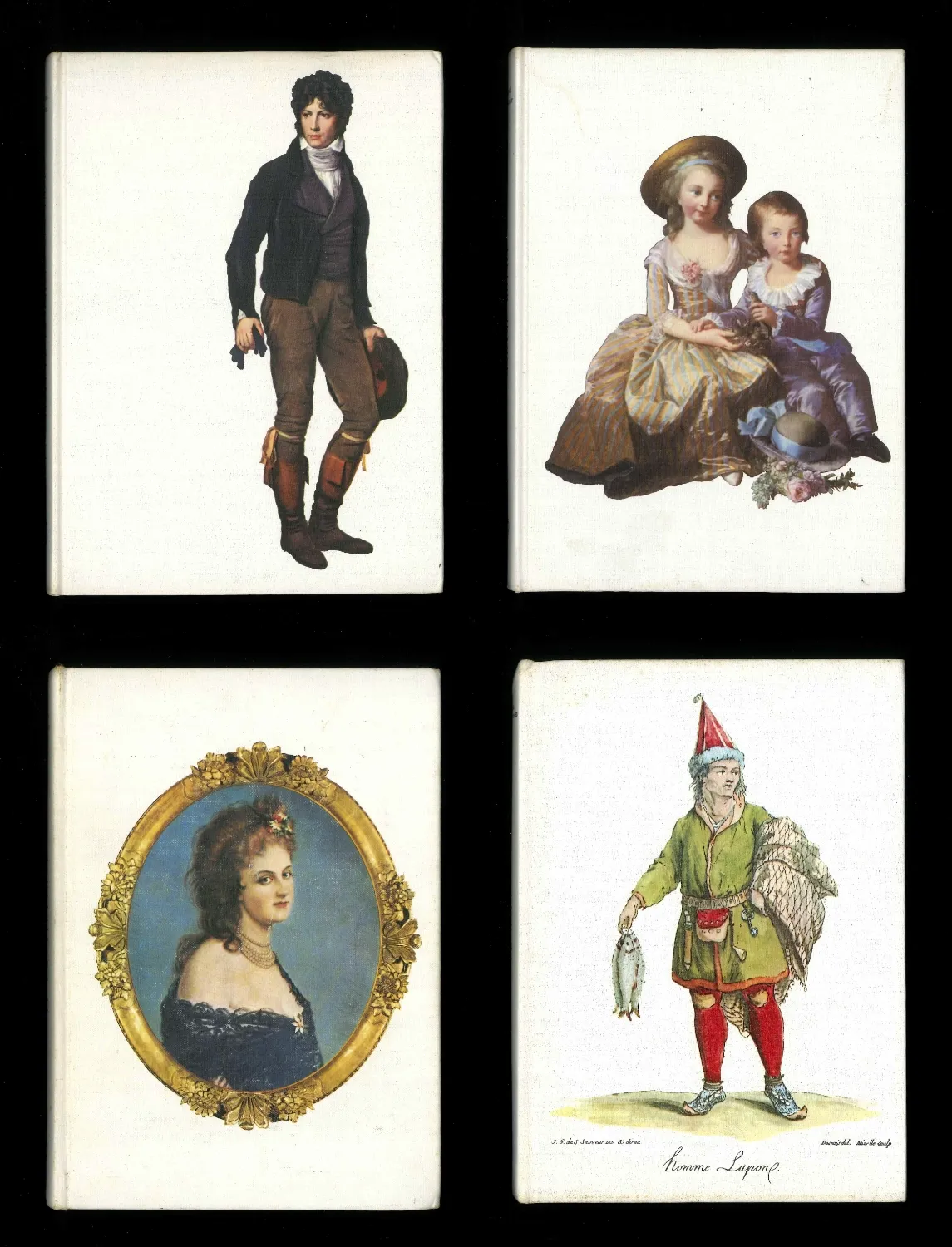
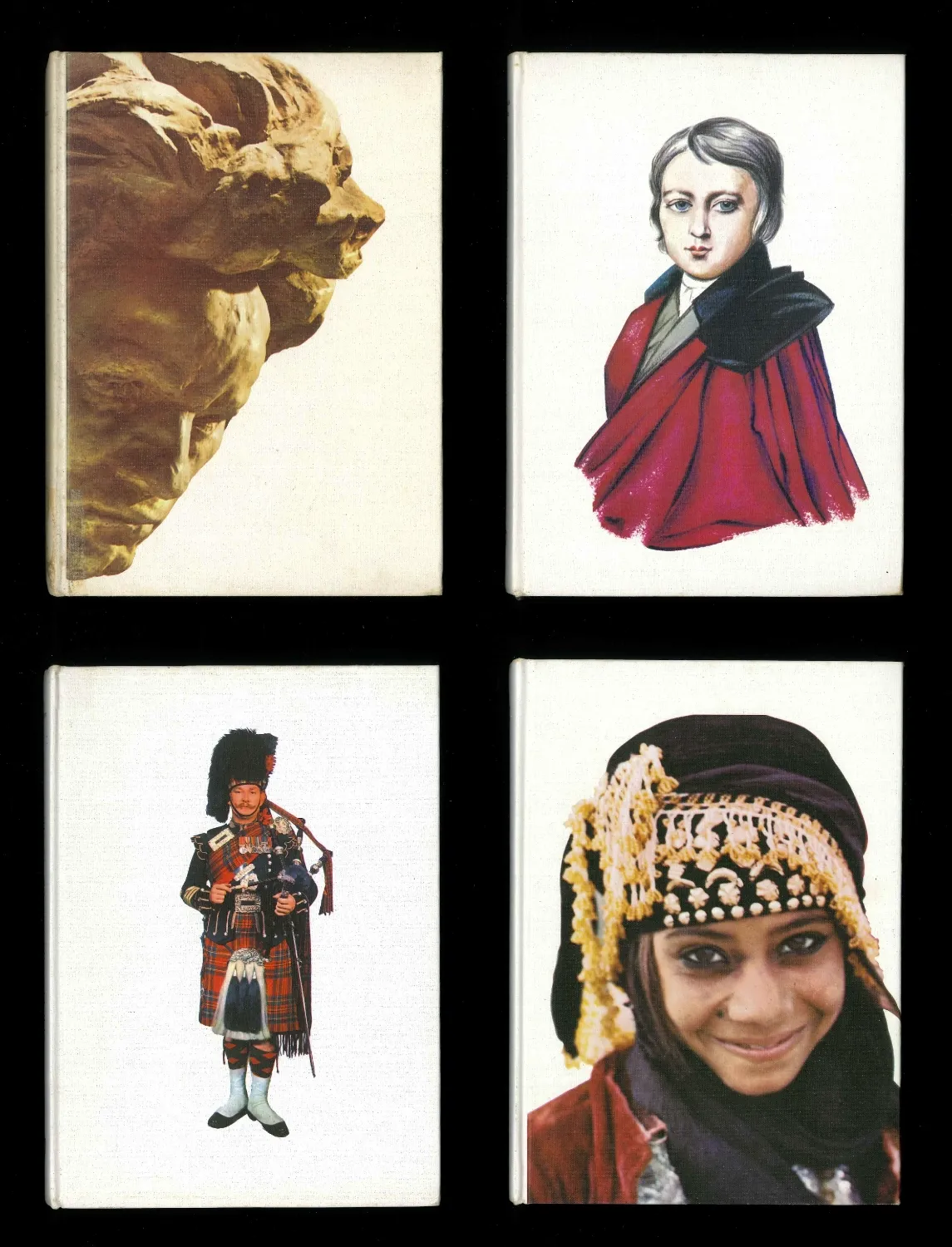
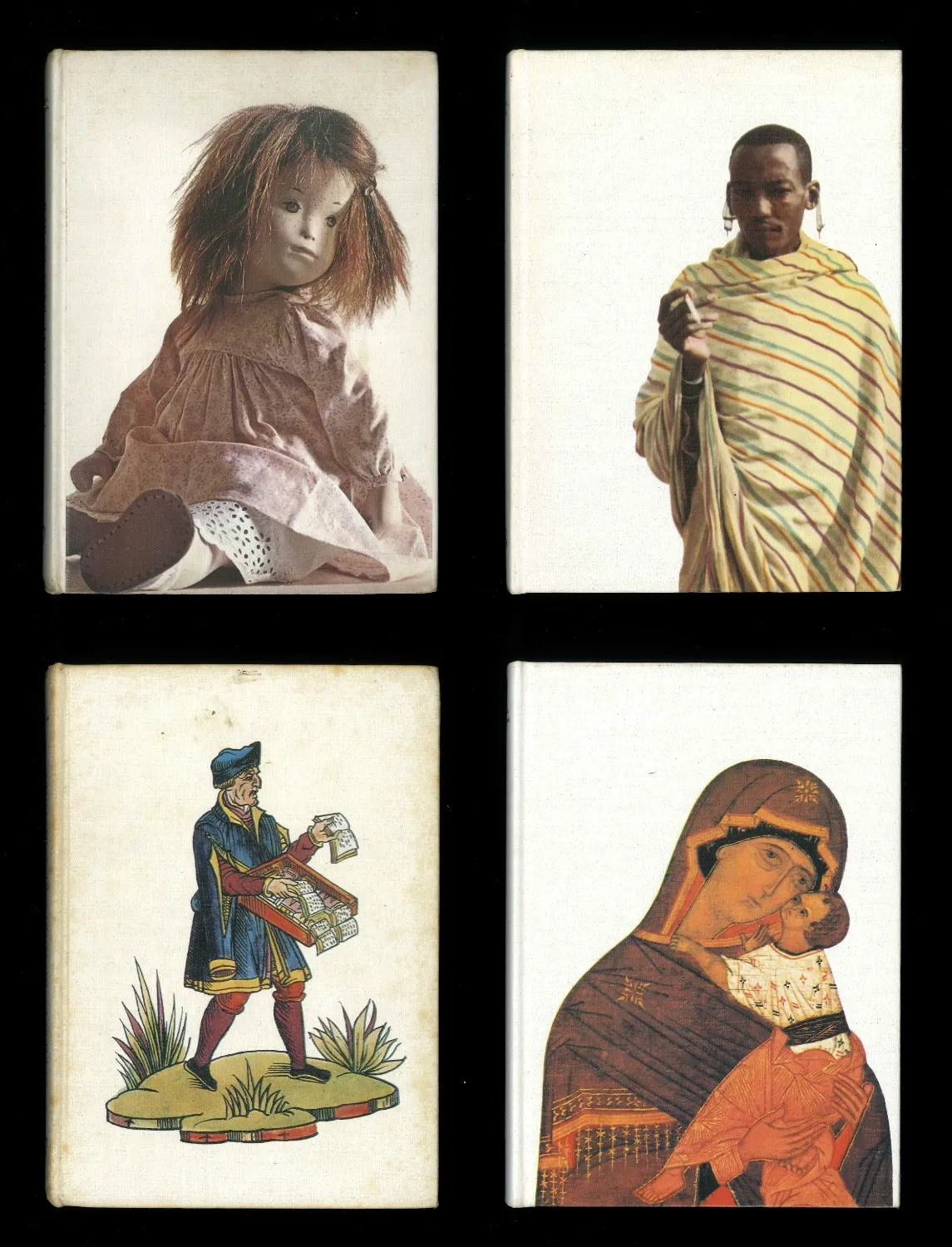
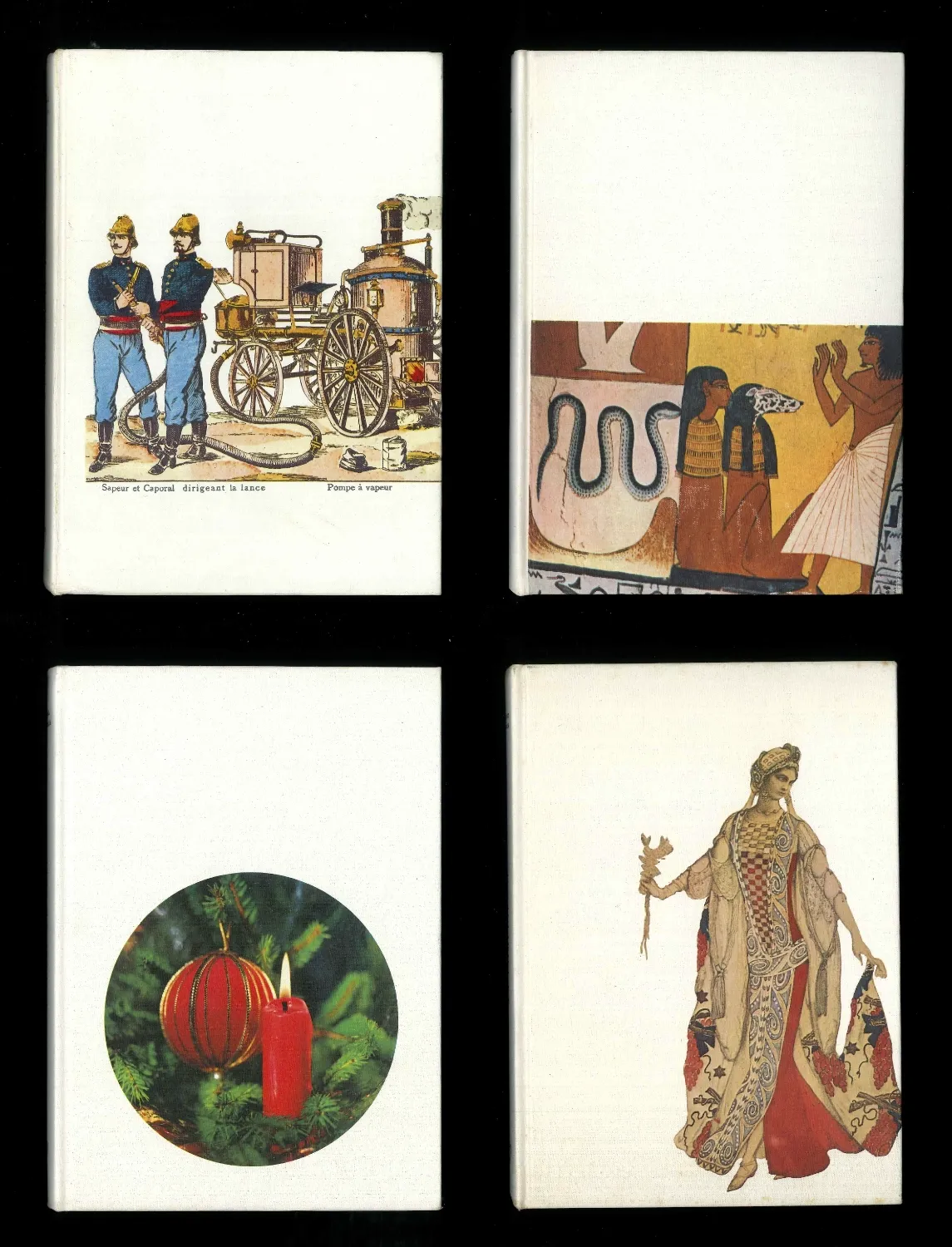
Because the club books were sold via mail order, their covers didn’t have to meet the same informational requirements as the volumes displayed on bookshop tables. Thus, the three clubs (CFM, CML, Club de la Femme) tended to have fully illustrated — or a least visual — covers without the author or the title being mentioned (except for the CFL edition of Climats). However, while the layout of the Club de la Femme covers obeyed an unchanging principle (a cut-out, color illustration identically positioned on the first and fourth cover board), each CFL and CML book cover had a unique design: drawings, photographic montages, typographic compositions arranged in various combinations, alternatively covering parts of or the entire printed space, with frequent plays on correspondences and continuity between the front and back cover.
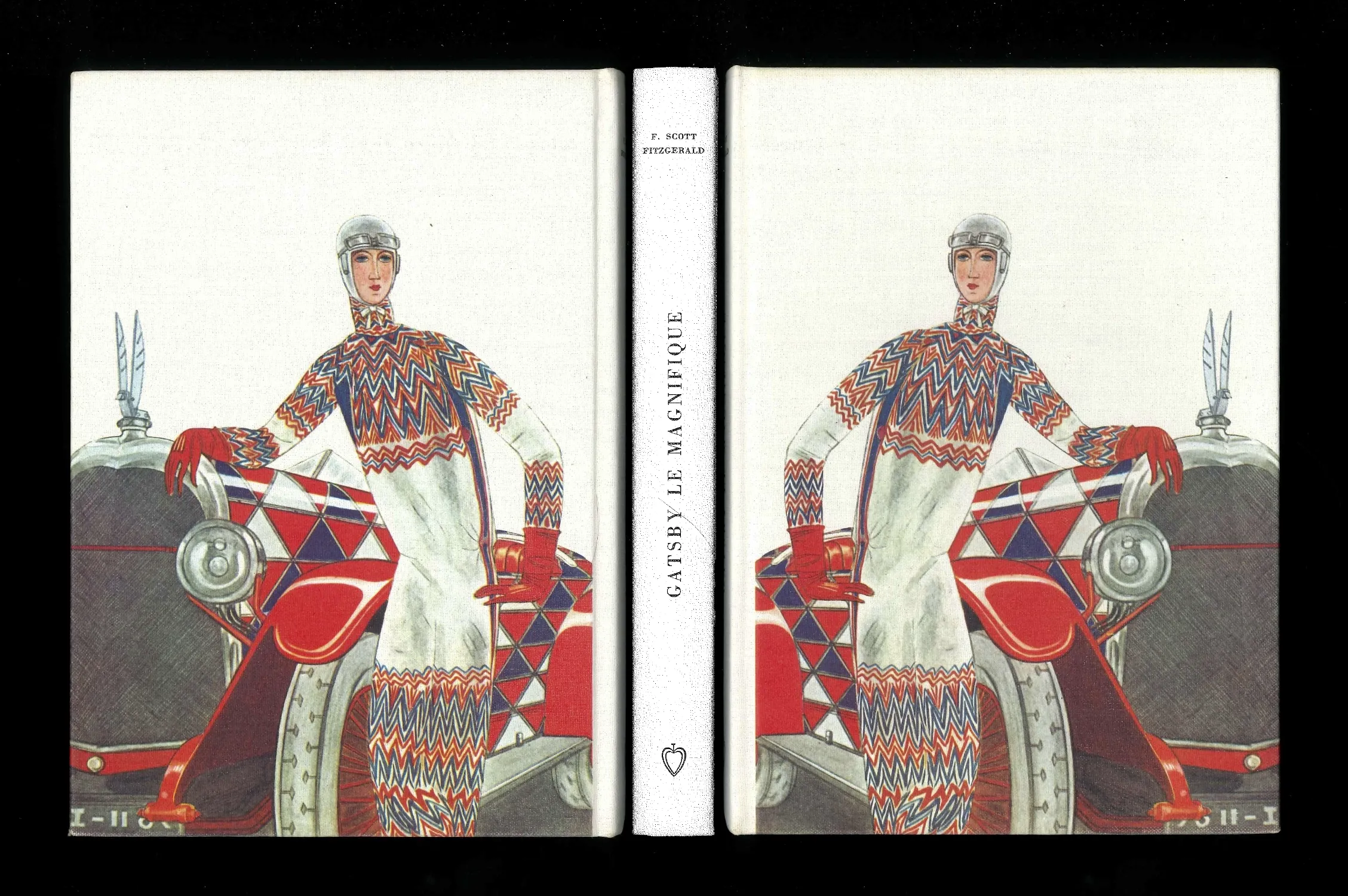
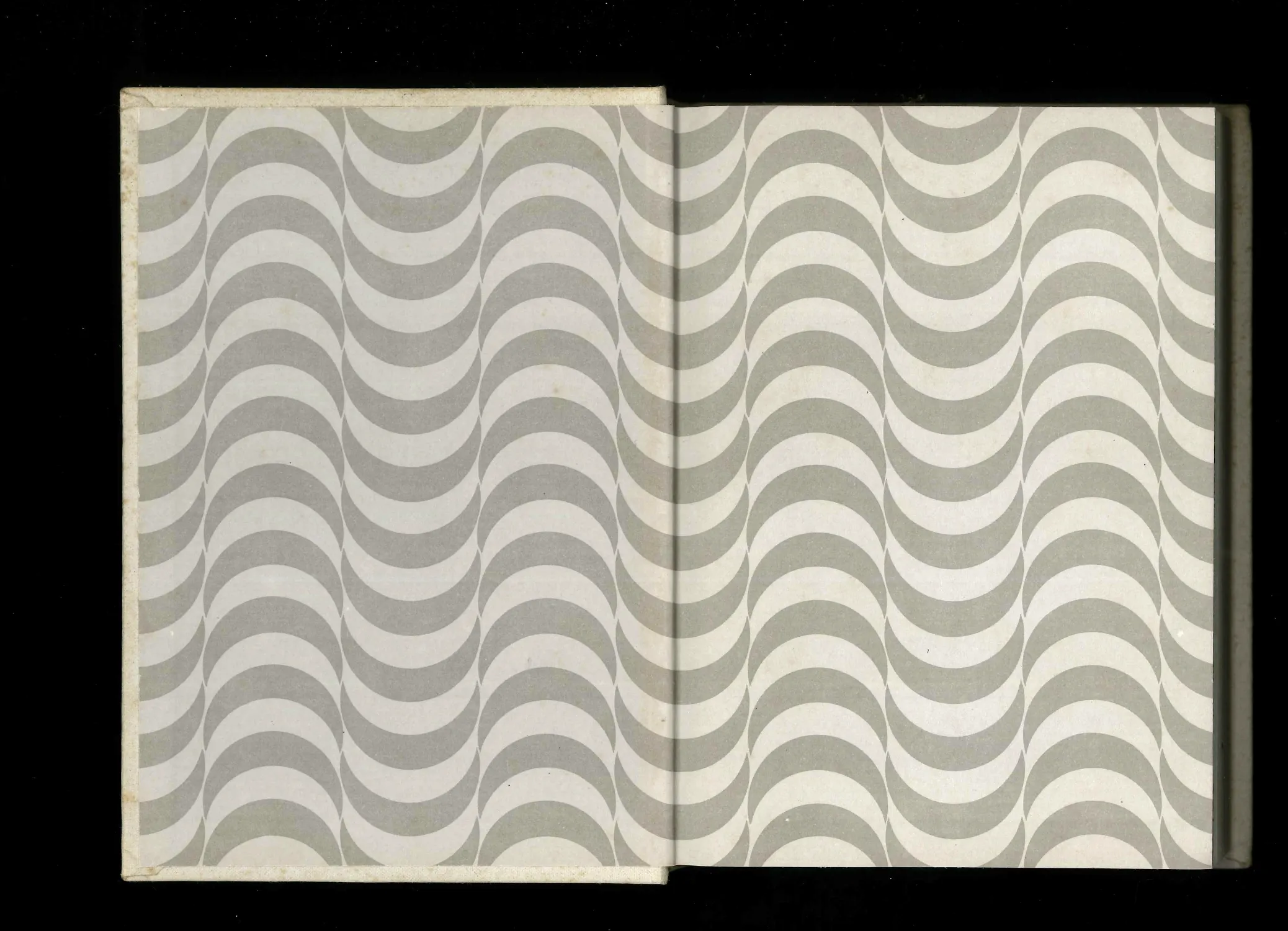
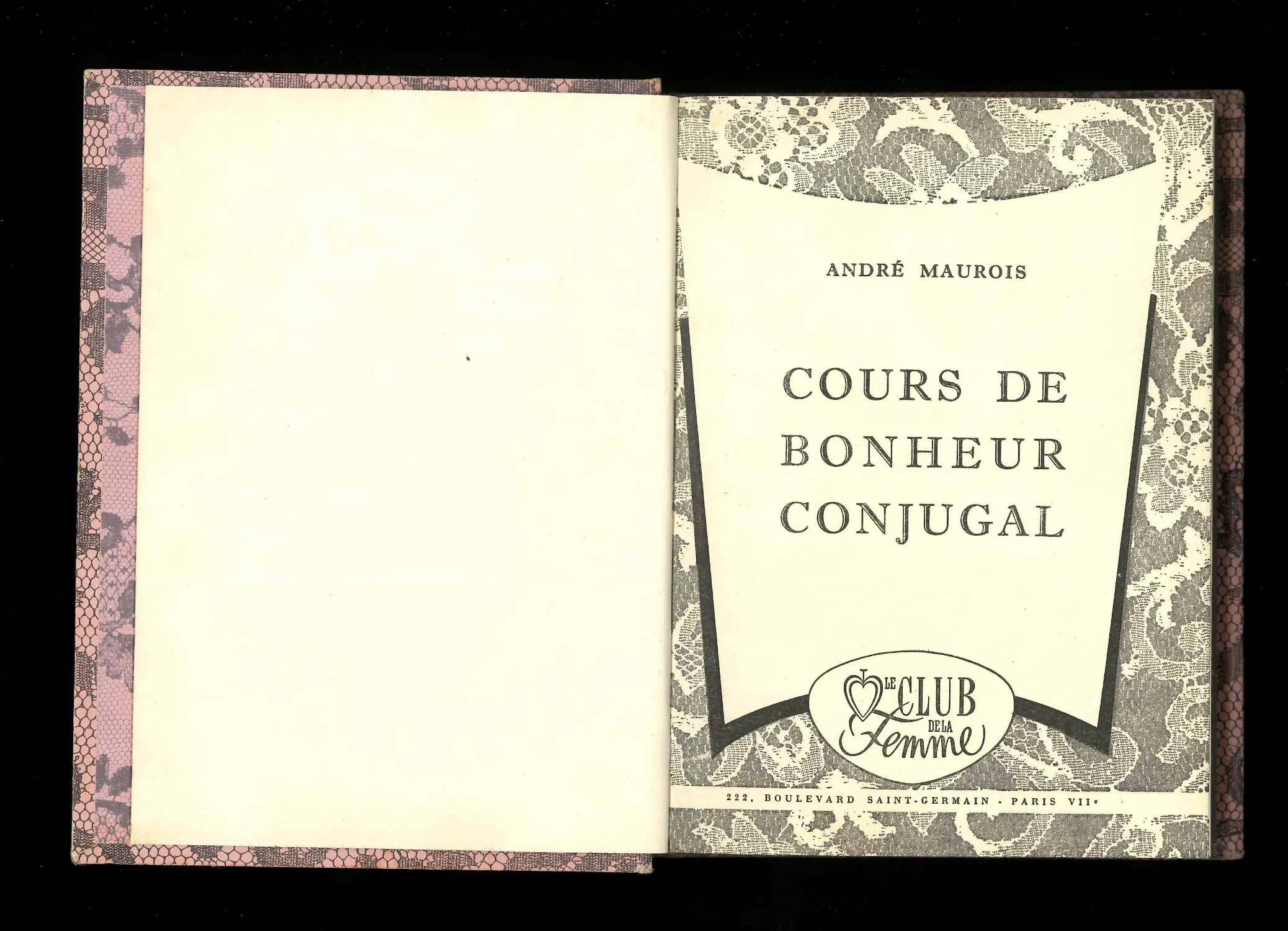
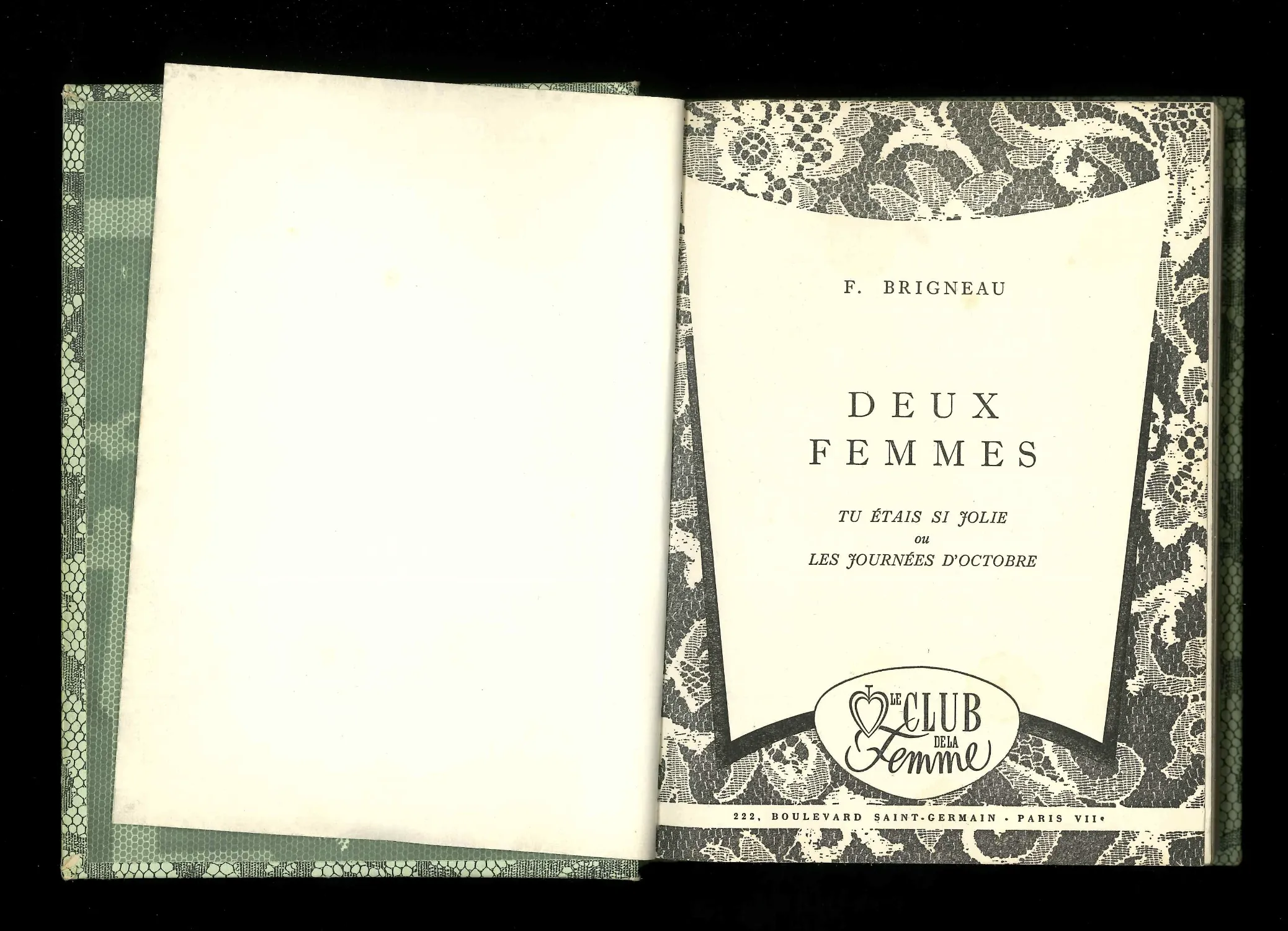
Similarly, while the endpapers of the CFM and CML books were redesigned for each new title, often with reproductions of documents that echoed the novel’s contents or it’s author’s identity, those of the Club de la Femme / Cercle du bibliophile systematically consisted in a lace pattern that looked like it was extracted from a crocheted placemat, seemingly echoing the imagined readership of the collection rather than the specifics of the narratives — as if this graphic choice was based on a stereotype that associated women readers to an allegedly feminine craft 2. This lace pattern actually occupied different positions inside the Club’s first publications — whose covers (designed by Studio Danel) and endpapers (photograms by Jacques Dubois) were initially distinct from one book to the next — before rapidly becoming the standard illustration of the endpapers. The pattern appears in different framings on the covers of the first three publications of the Club (the colophons indicate the image was produced by Studio Danel), on their title pages and those of the next three publications. In a series of publications released under the “Le nouveau Club de la Femme” imprint in 1973, the lace is replaced by a kinetic, modern-looking wave pattern. But as soon as 1956 and until then, the general principles ceased to vary, whereas, paradoxically, the distinctive trait of most of the other book clubs seems to be variegation and specificity.

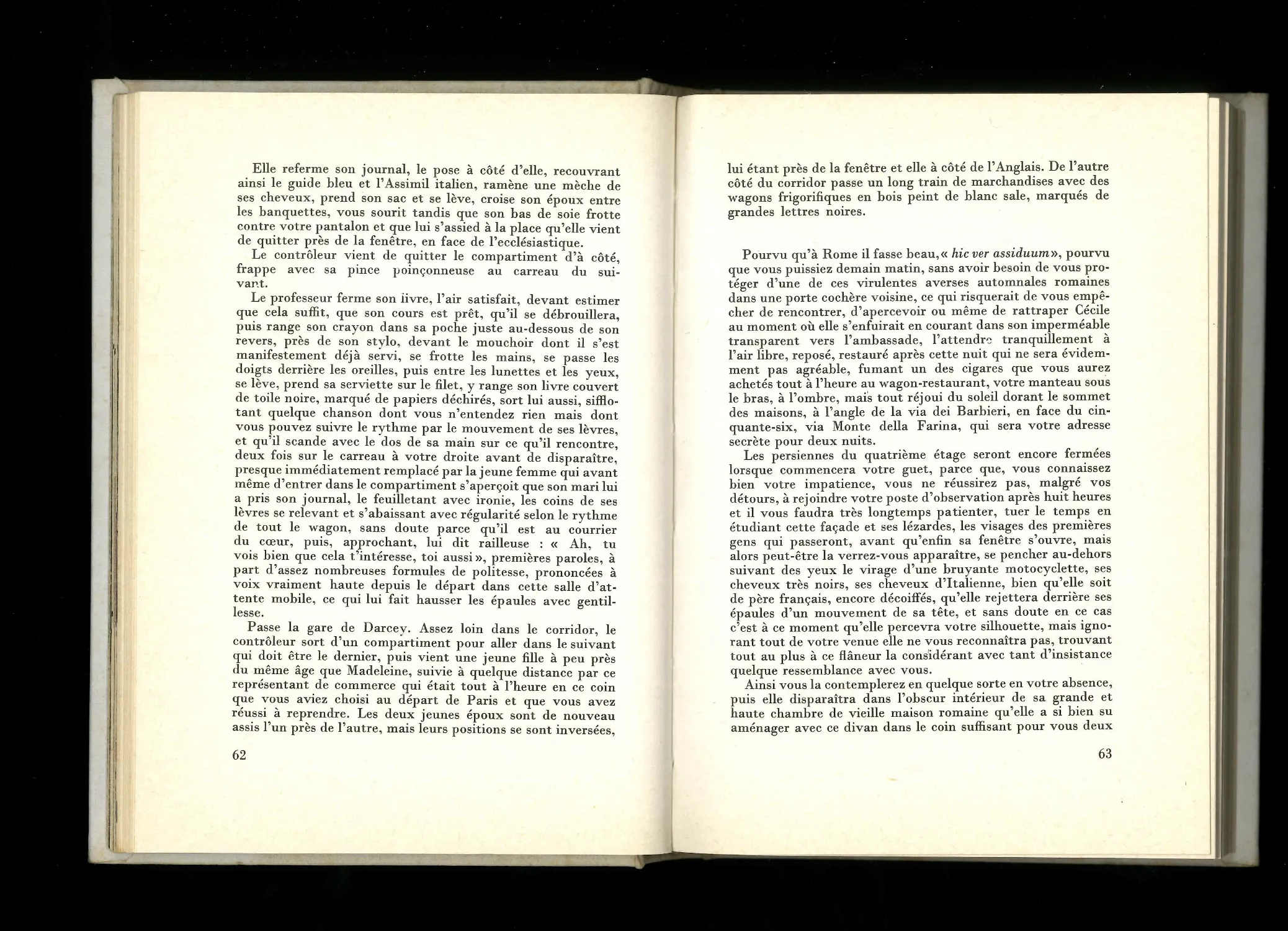
For instance, in the CFL edition of Michel Butor’s La Modification, designed by Jacques Daniel in 1959, a detail from a technical drawing of a railway axle is symmetrically reproduced on the first and fourth board. The two faces of the cover are visually close, except from one detail that initiates a dialogue between the two spaces: the addition of a green arrow on the first board, and of a green one in the fourth, indicating the mechanical piece’s direction of rotation. On the endpapers, railway route tables between France and Italy are successively rendered in green and black in the beginning, then in red and black (echoing the color choices on the cover). The reason behind the choice of these documents is evident as Butor’s narrative unfolds on a train between Paris and Rome. The title and the author’s name appear in three distinct arrangements, over three successive double pages that follow the opening endpapers and serve as title pages: on the first double page, the title is printed in green, and comes with the drawing of a train printed in red; on the second, the author’s name is displayed in green, perpendicular to the title printed in small, red characters; and in the last double page, the title and the train drawing reappear, their red and green colors inverted, in a different graphic arrangement, as the title is displayed vertically. The text of the novel itself is set in 10 pt Bodoni within a square-like type area, with thin side and upper margins and an imposing lower margin, inside of which the page numbers are displayed in large print. Chapter numbers are displayed at the start of each section, in an even larger size, accompanied by the vertically set title, each opening chapter thus opening with a gap made out of several lines.
A cut-out portrait of Michel Butor is reproduced next to a biographical paragraph on a double page at the end of the volume.
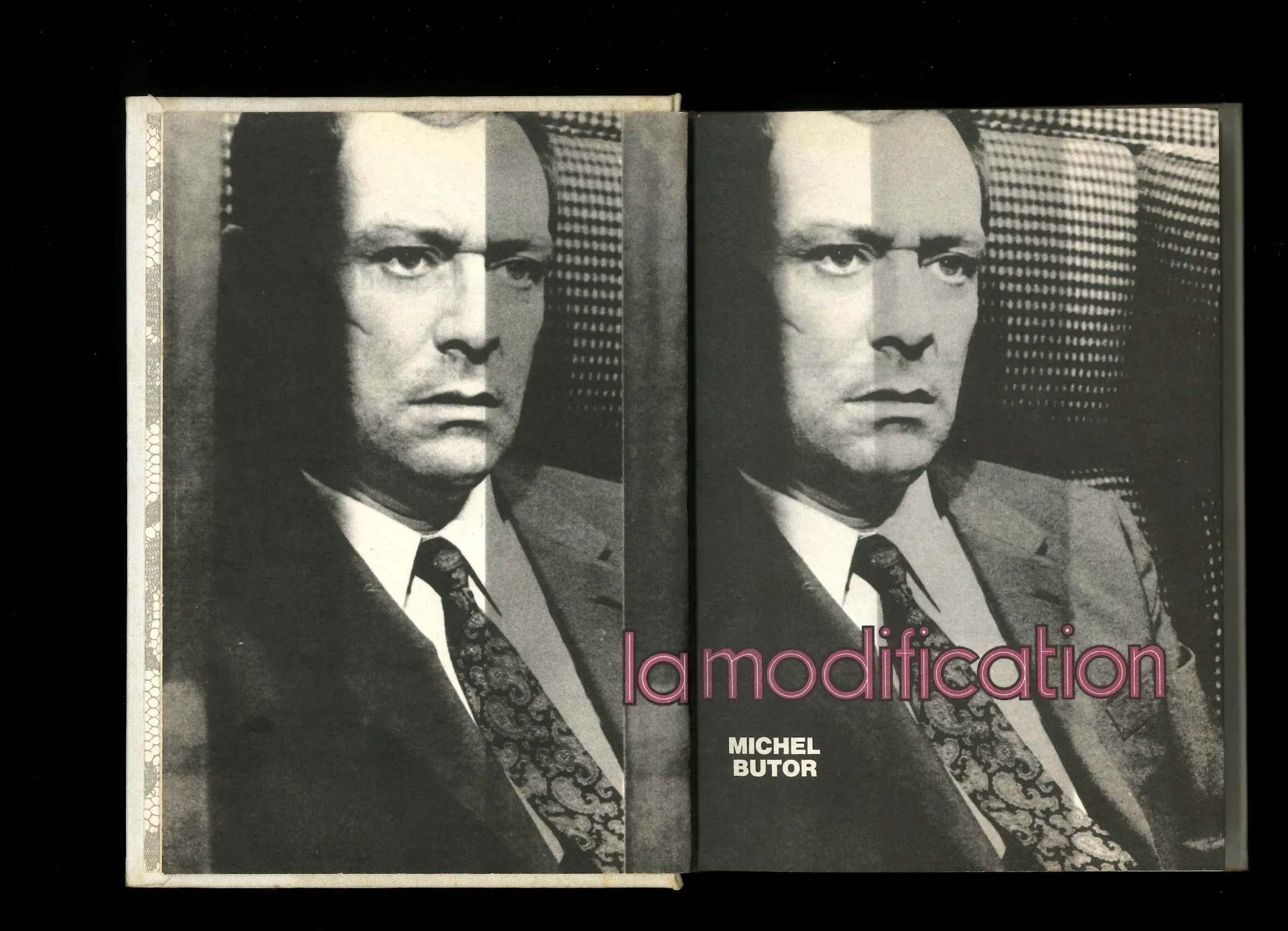
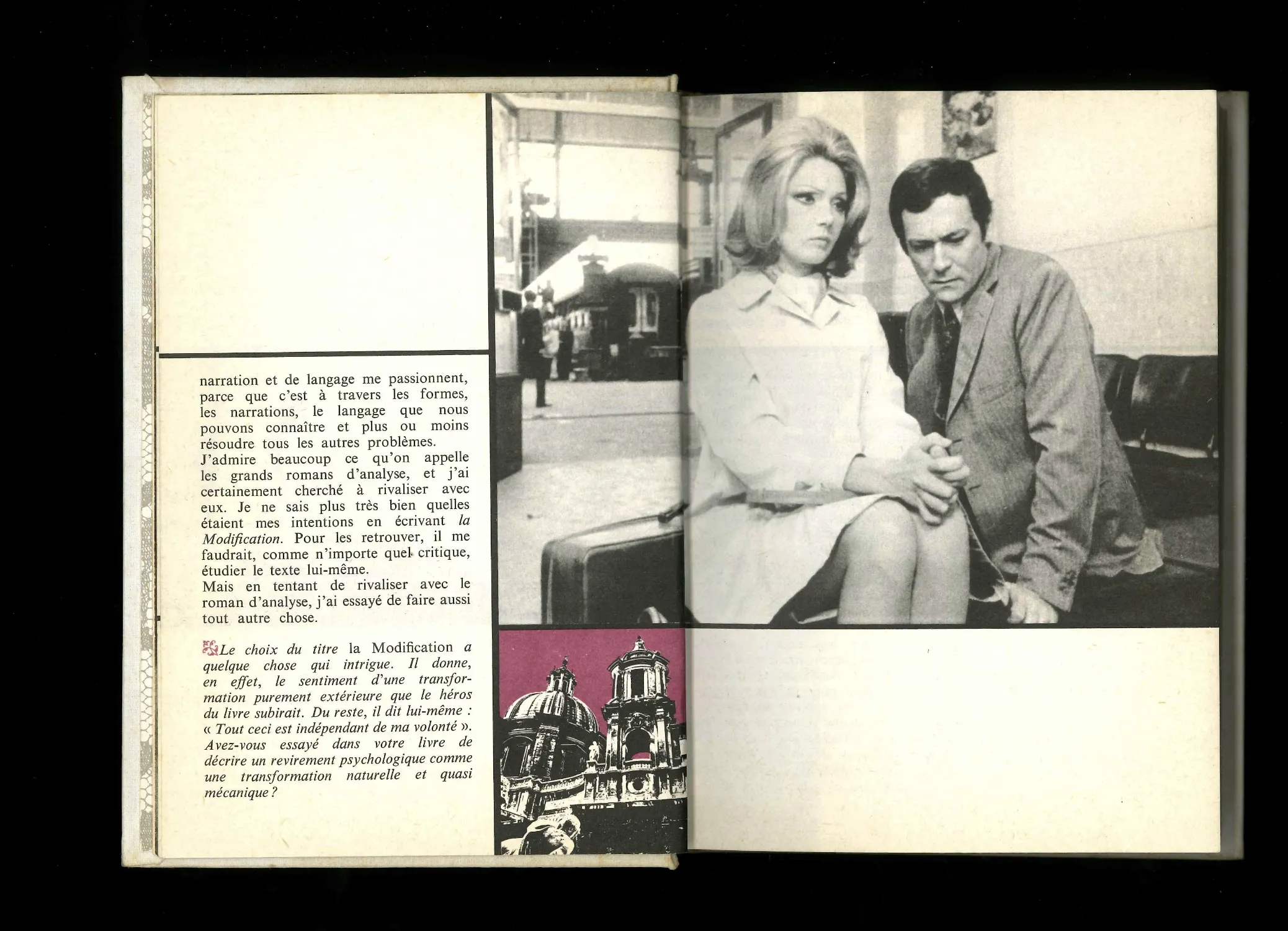
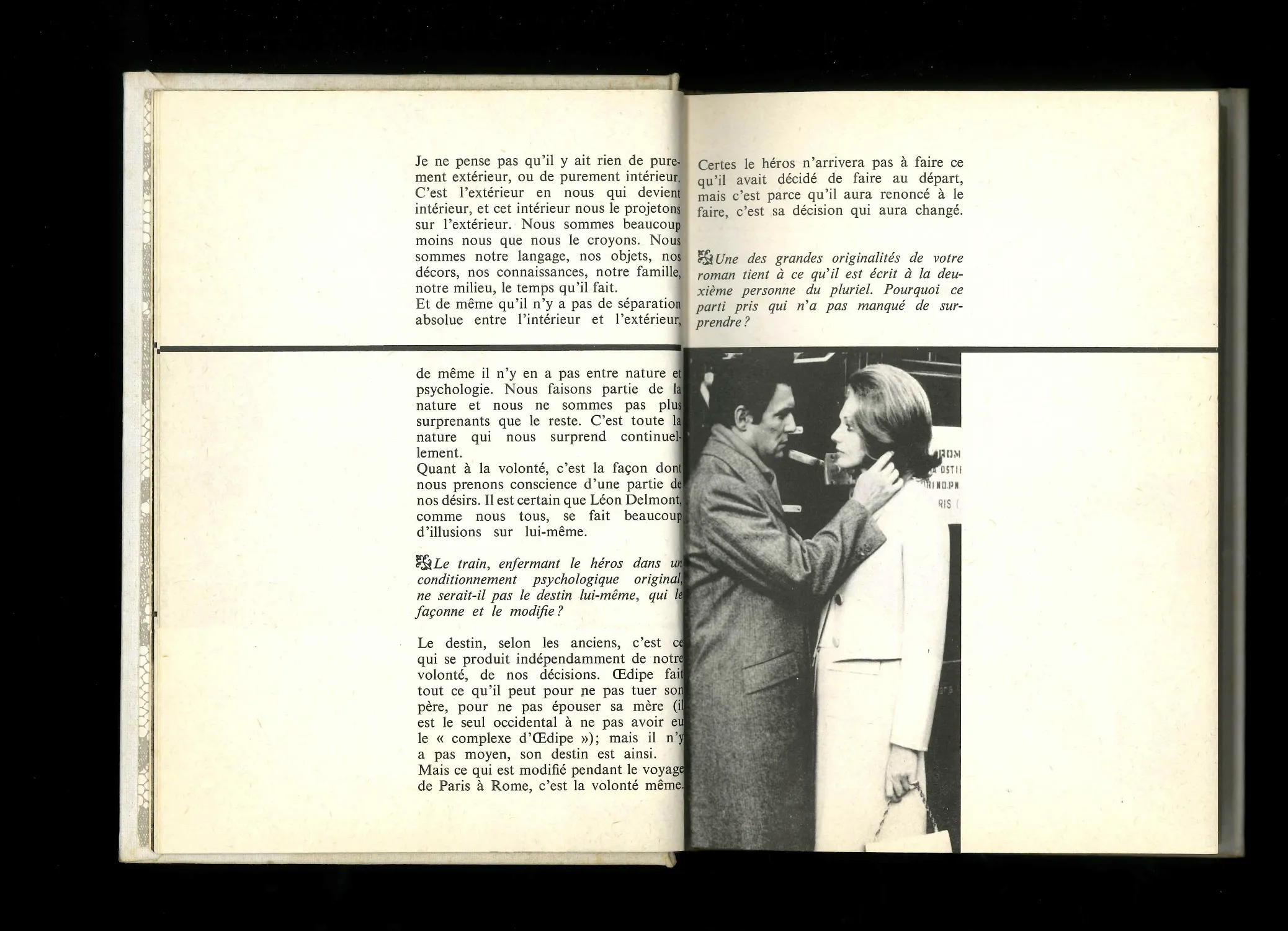
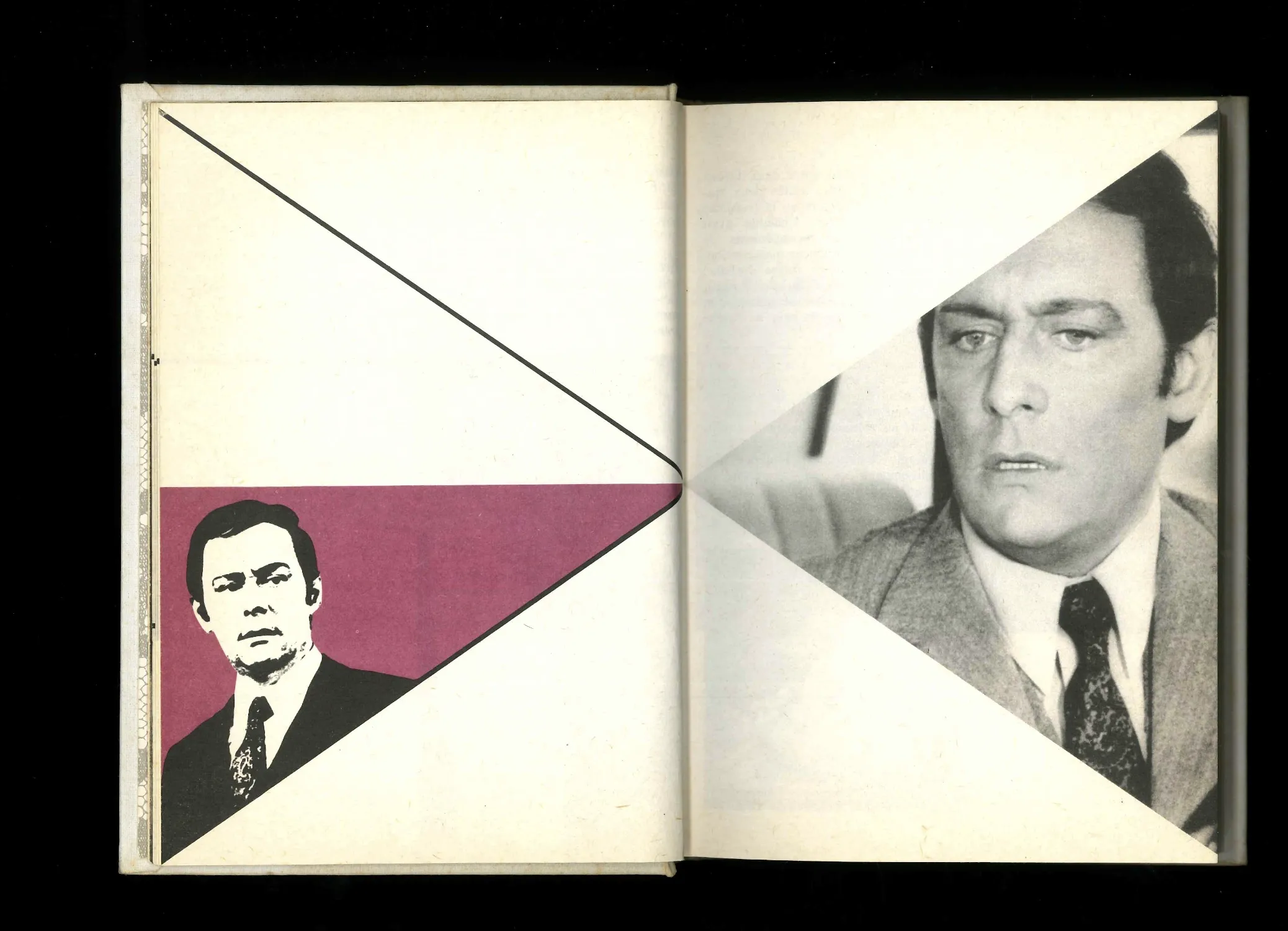
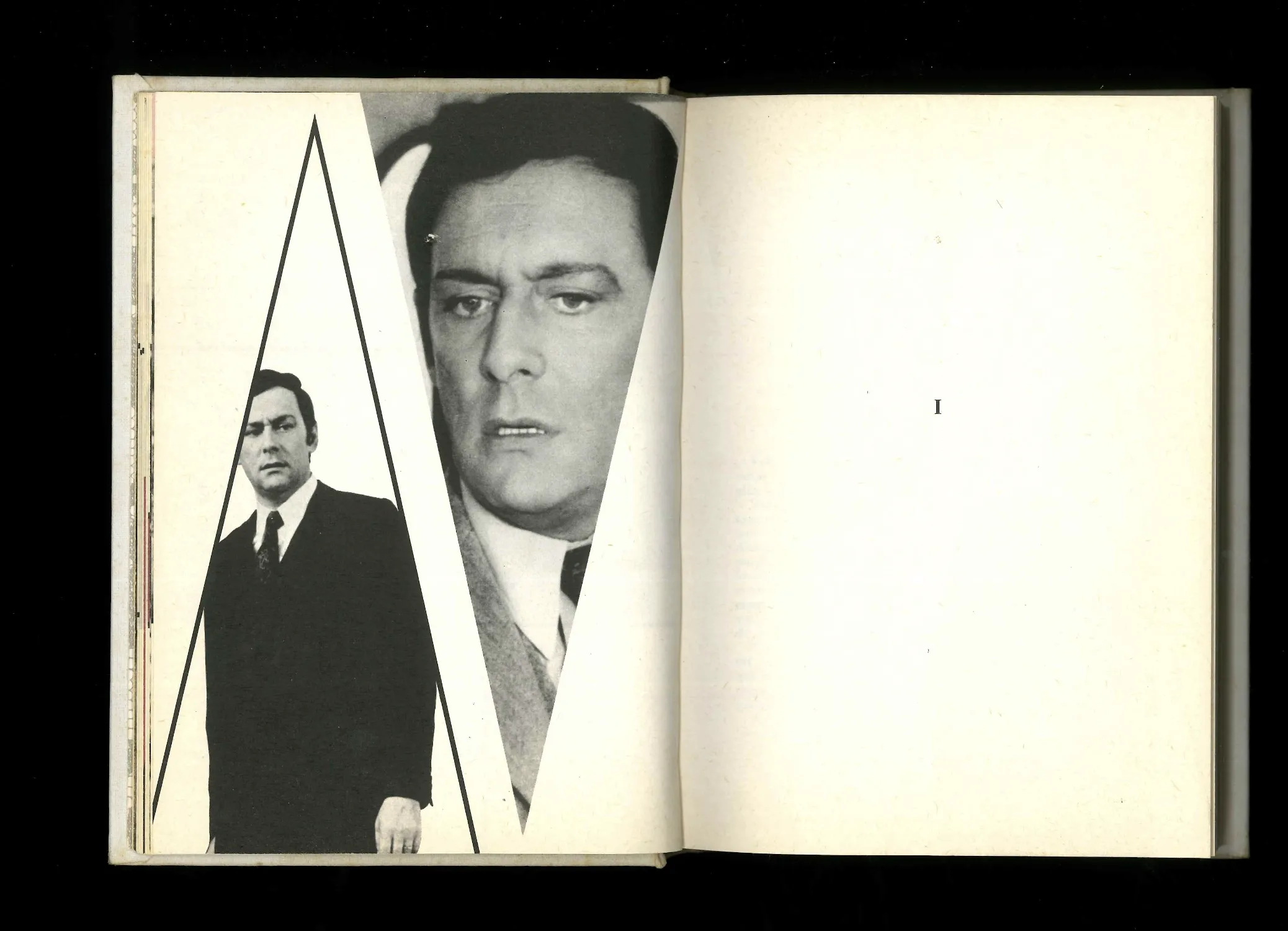
In the Club de la Femme version, La Modification undergoes a different treatment: the first and fourth boards display a king card reproduced from a playing deck designed by Salvador Dalí. Inside, a lace pattern is reproduced on the endpapers, followed by a plain half-title page and a double page superimposing the title, printed in encircled, purple, lineal characters and the author’s name printed in white capitals on two occurrences of a still taken from the film adaptation of the novel (directed by Michel Worms, 1970), featuring actor Maurice Ronet’s enigmatic face. This is followed by a 16-page section including a Michel Butor interview, and accompanied by further illustrations from the film, composed in text and image blocks separated by thick rules, whose variable positions generate a sense of cinematographic kinetics and montage within the book’s printed space.
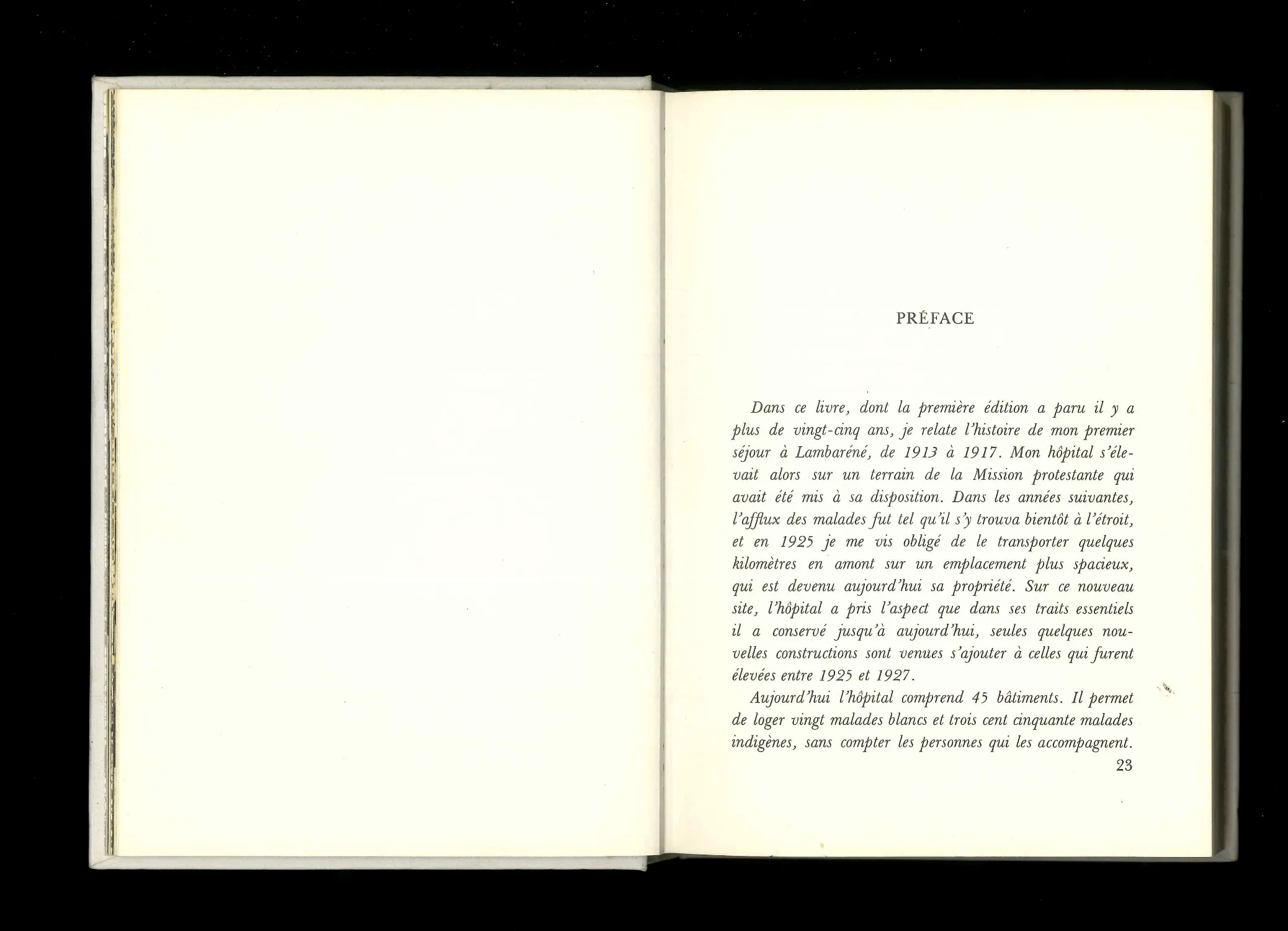
The novel in itself starts on page 23, and the text, while also set in Bodoni, seems denser than its CFL counterpart and displays a more homogeneous turning edge and unimposing page numbers.
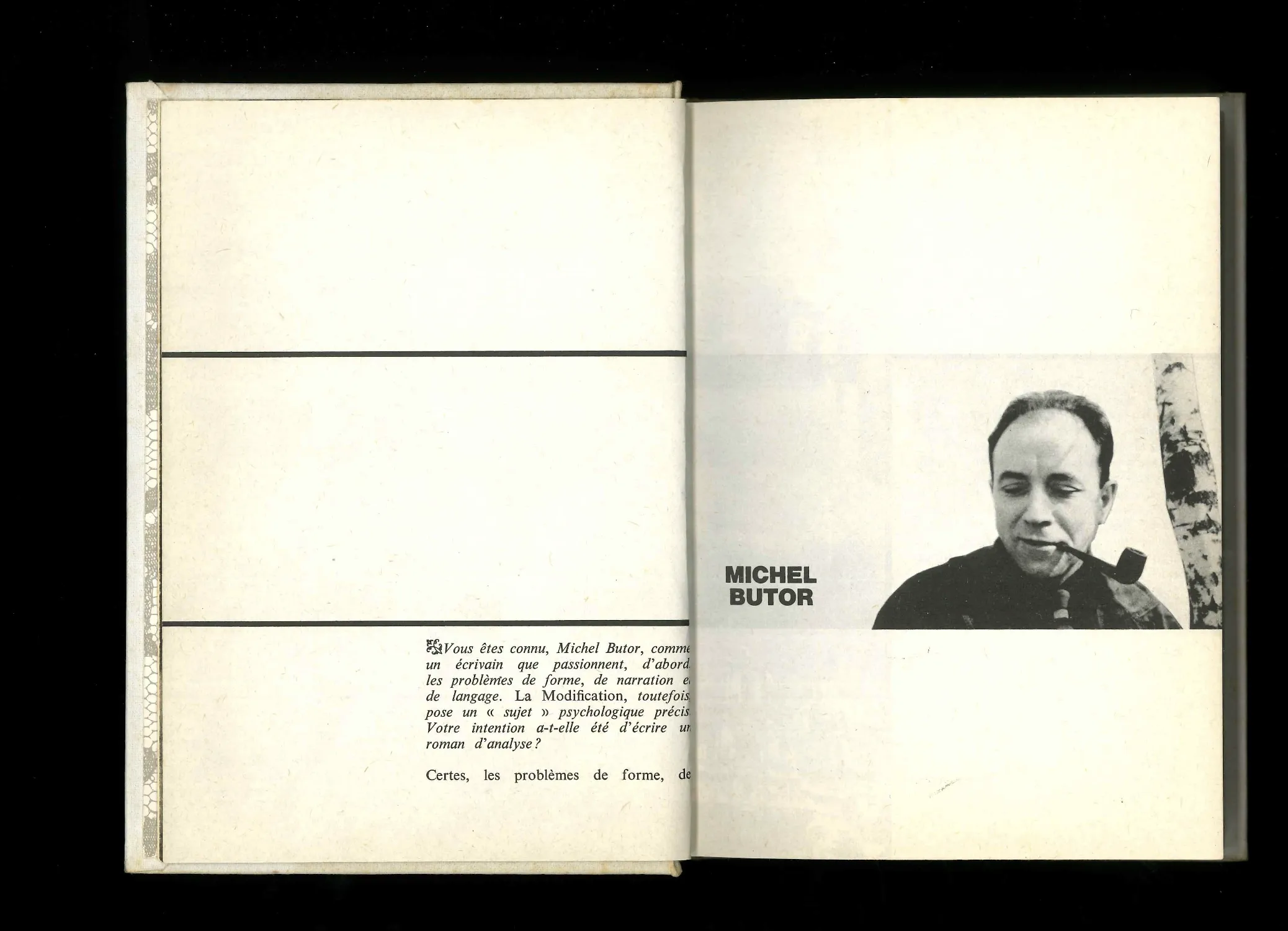
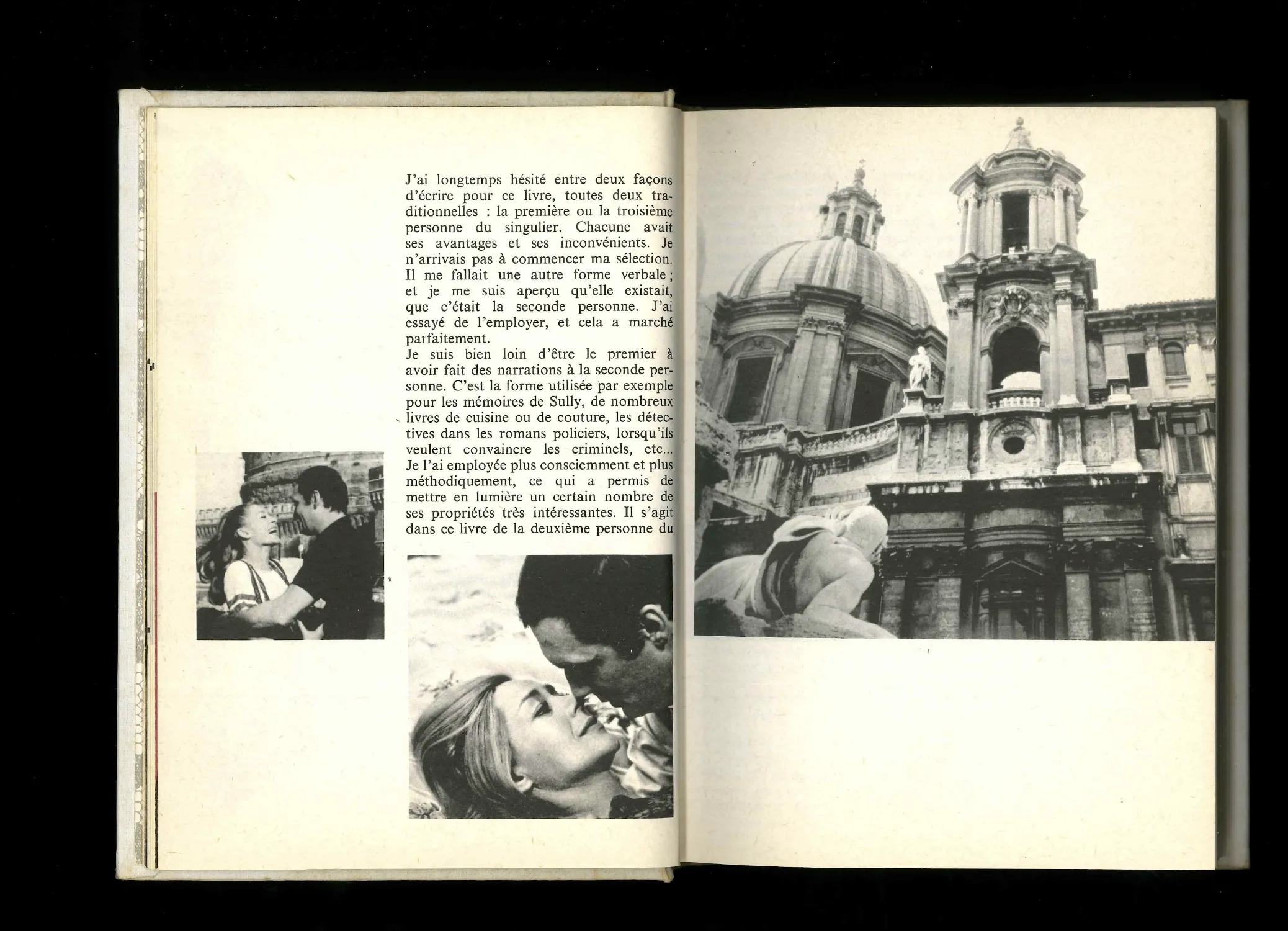
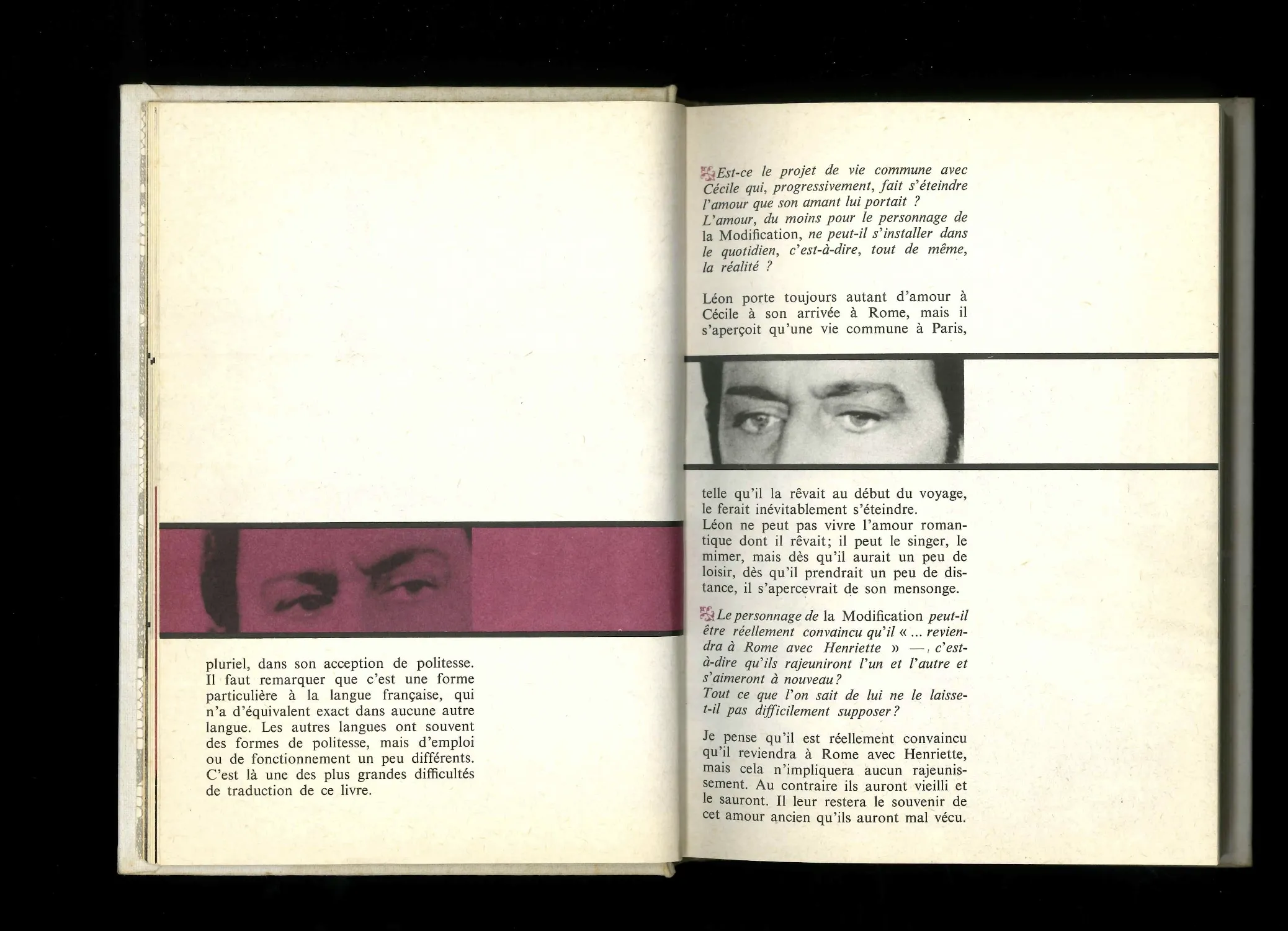
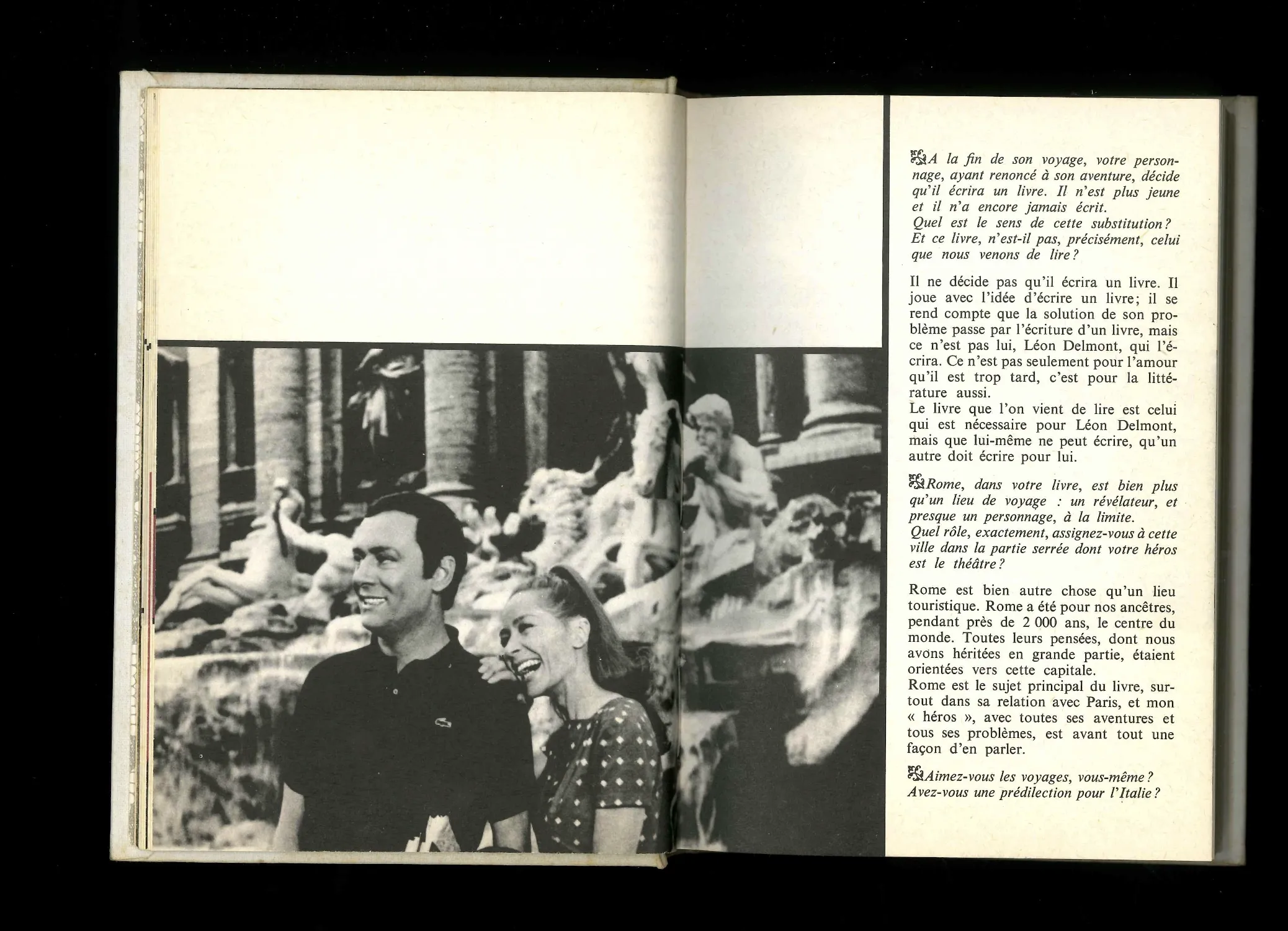
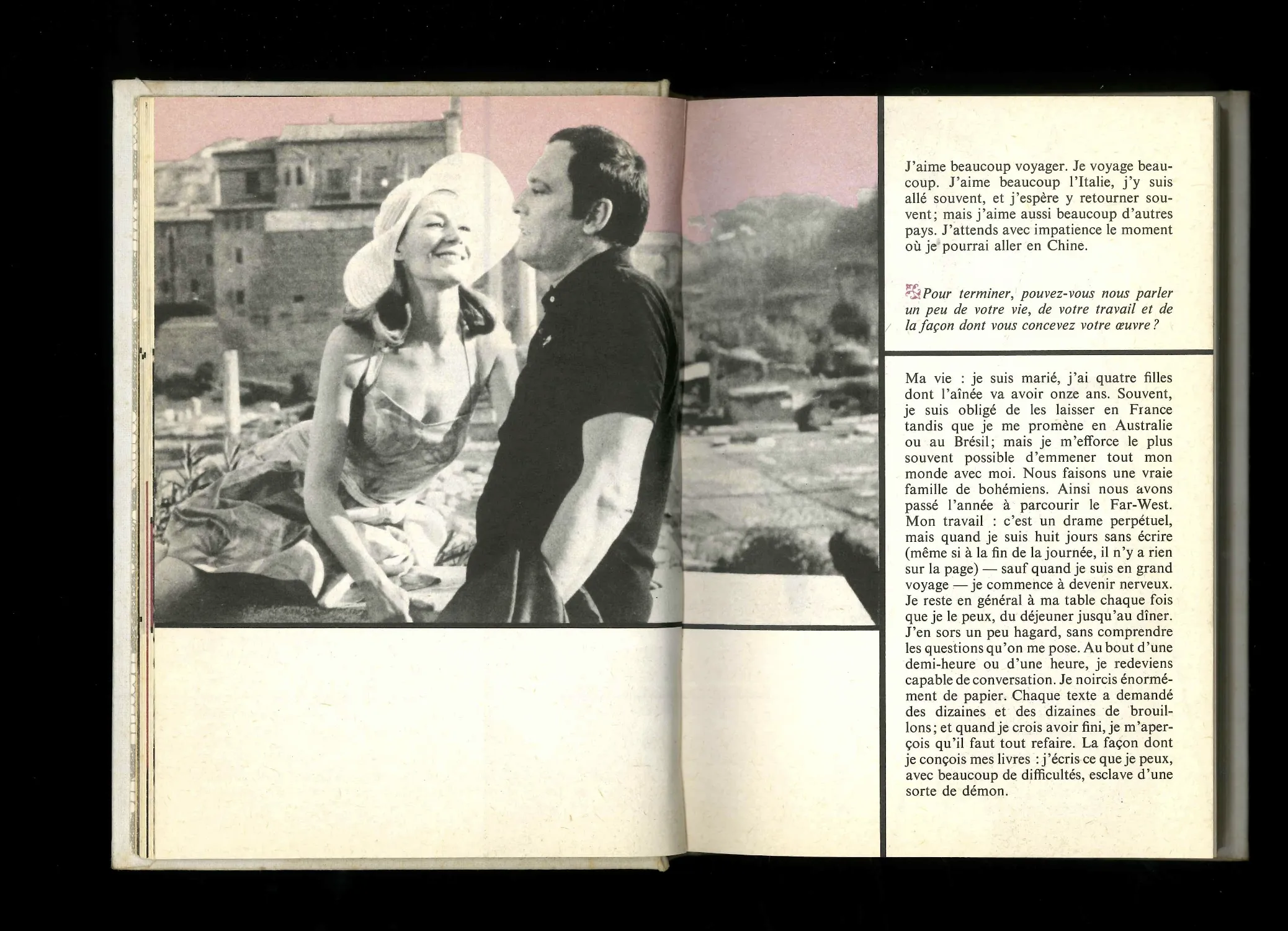
The choice of characters (Baskerville, Bodoni, Garamond, Janson, Times…) varies from one Club de la Femme book to the other and is selected from the most current typefaces used by the CFL and CML graphic designers. Their size (usually 10 or 12 pt) and line spacing also differ, thereby creating variable effects of density. The print sizes, however, are close from one volume to the next and follow a conventional layout. Still, the formal research at CFL and CLM appears more sophisticated, playful and specific to each title: margin sizes, pagination, subhead or chapter title treatment, up to the addition of documentary illustrations in the body of the text.
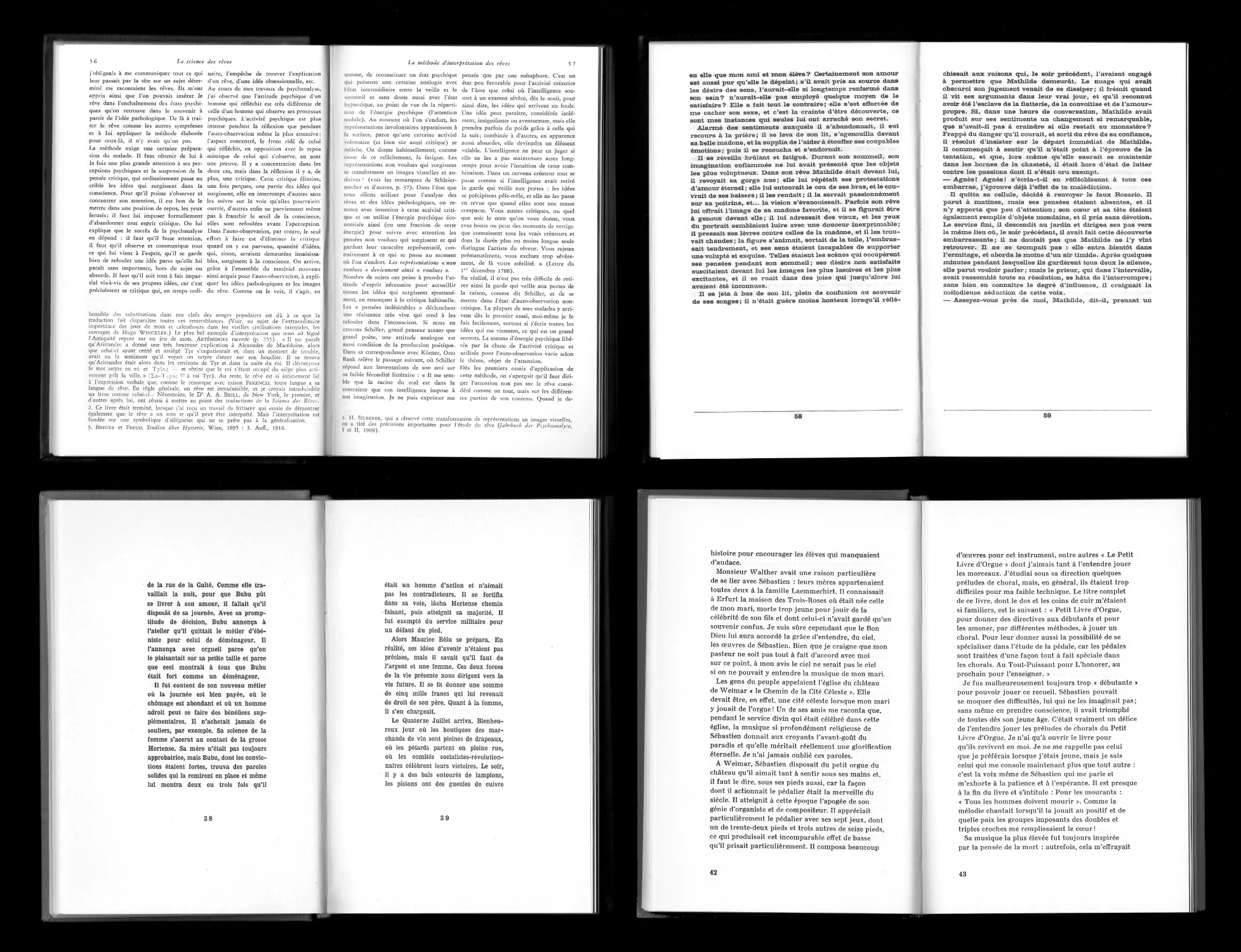

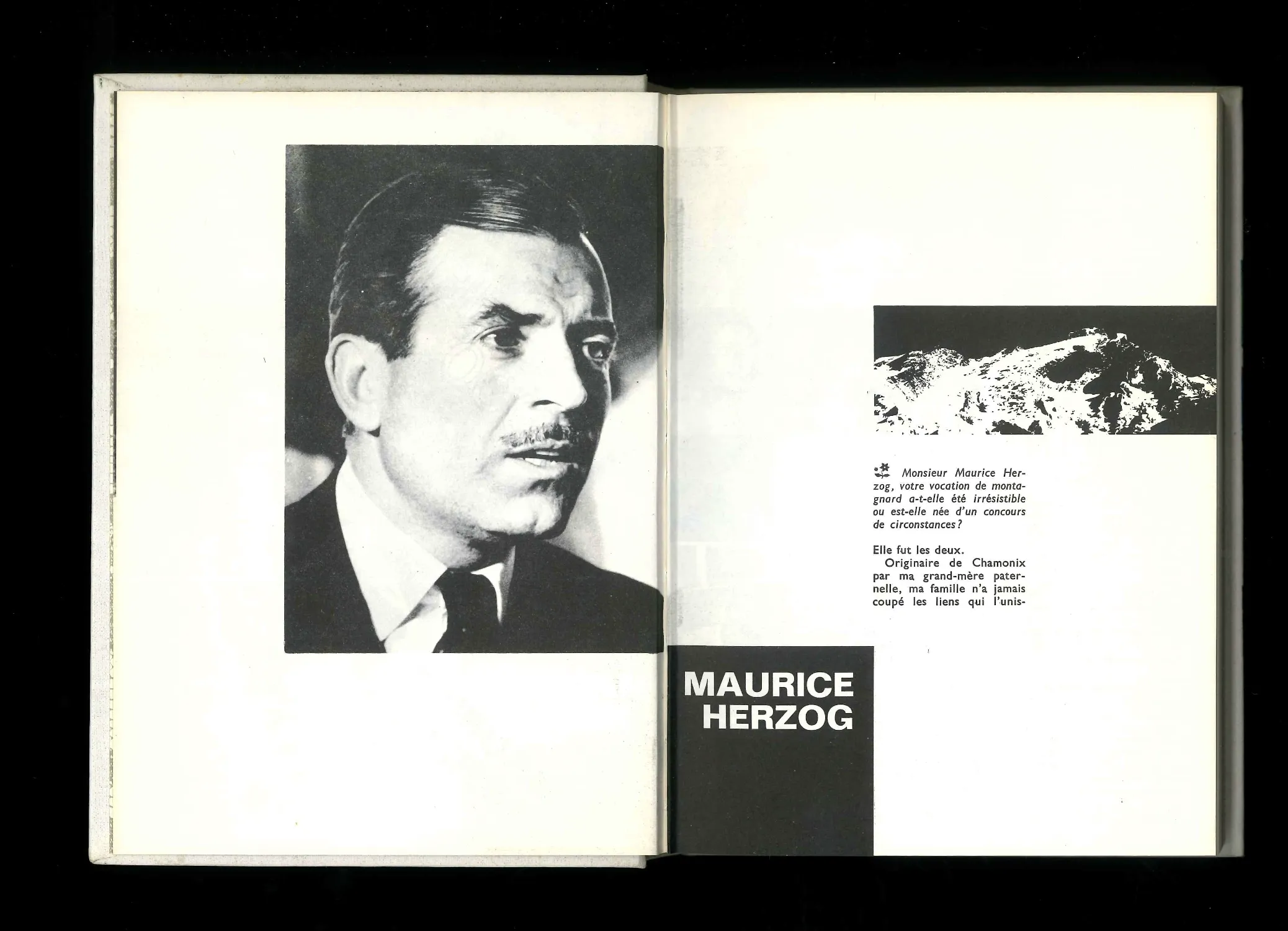
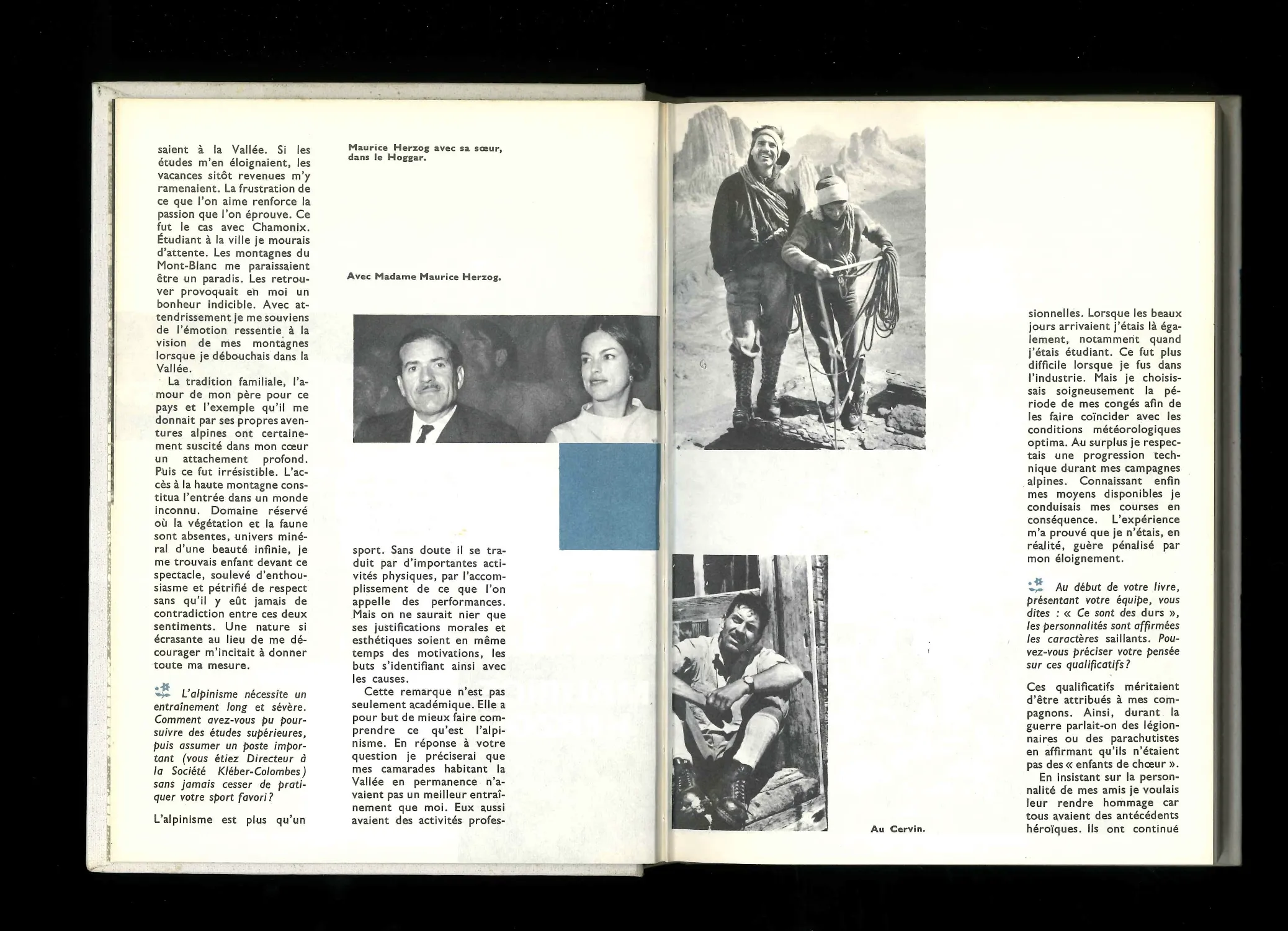
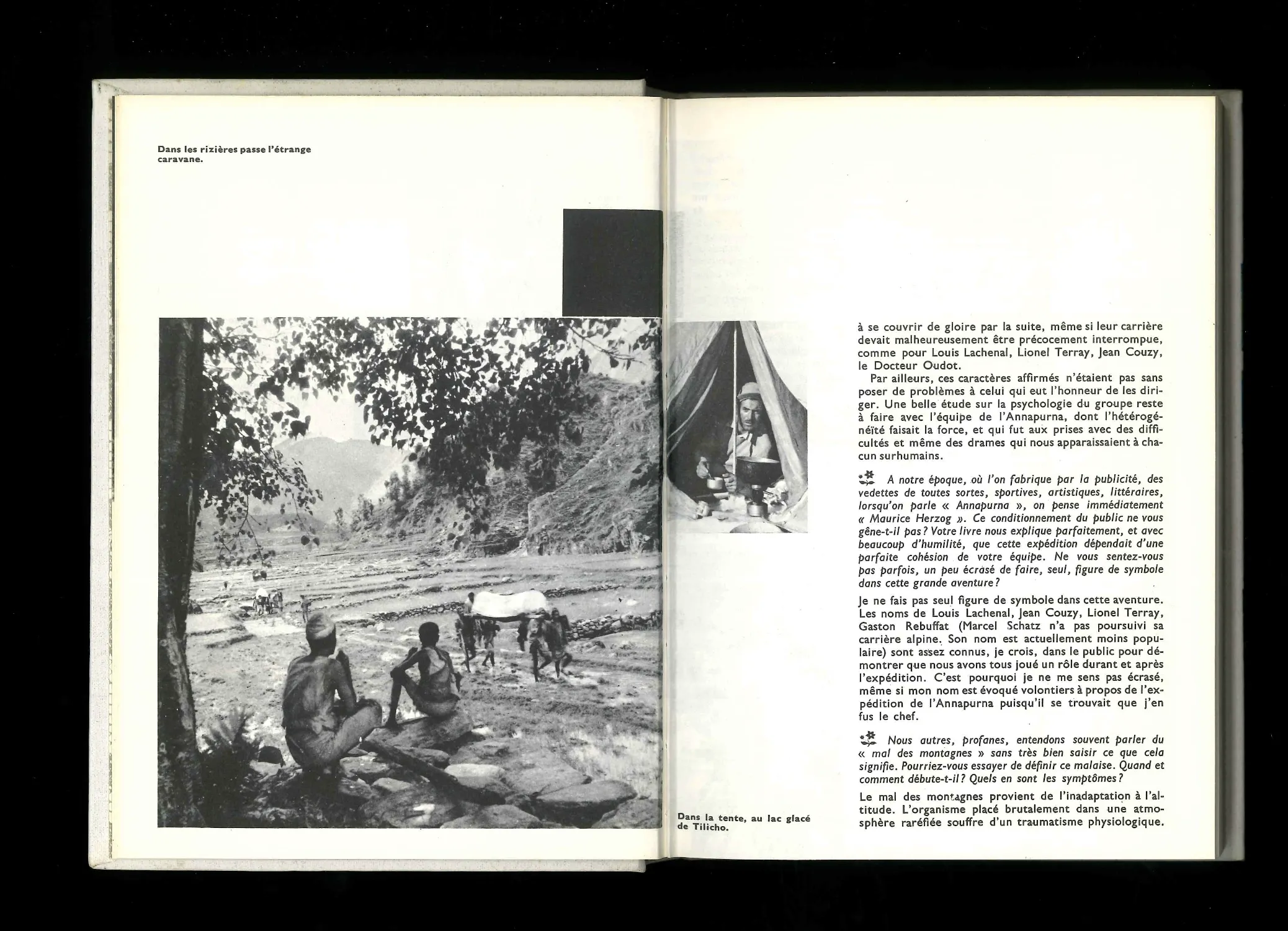
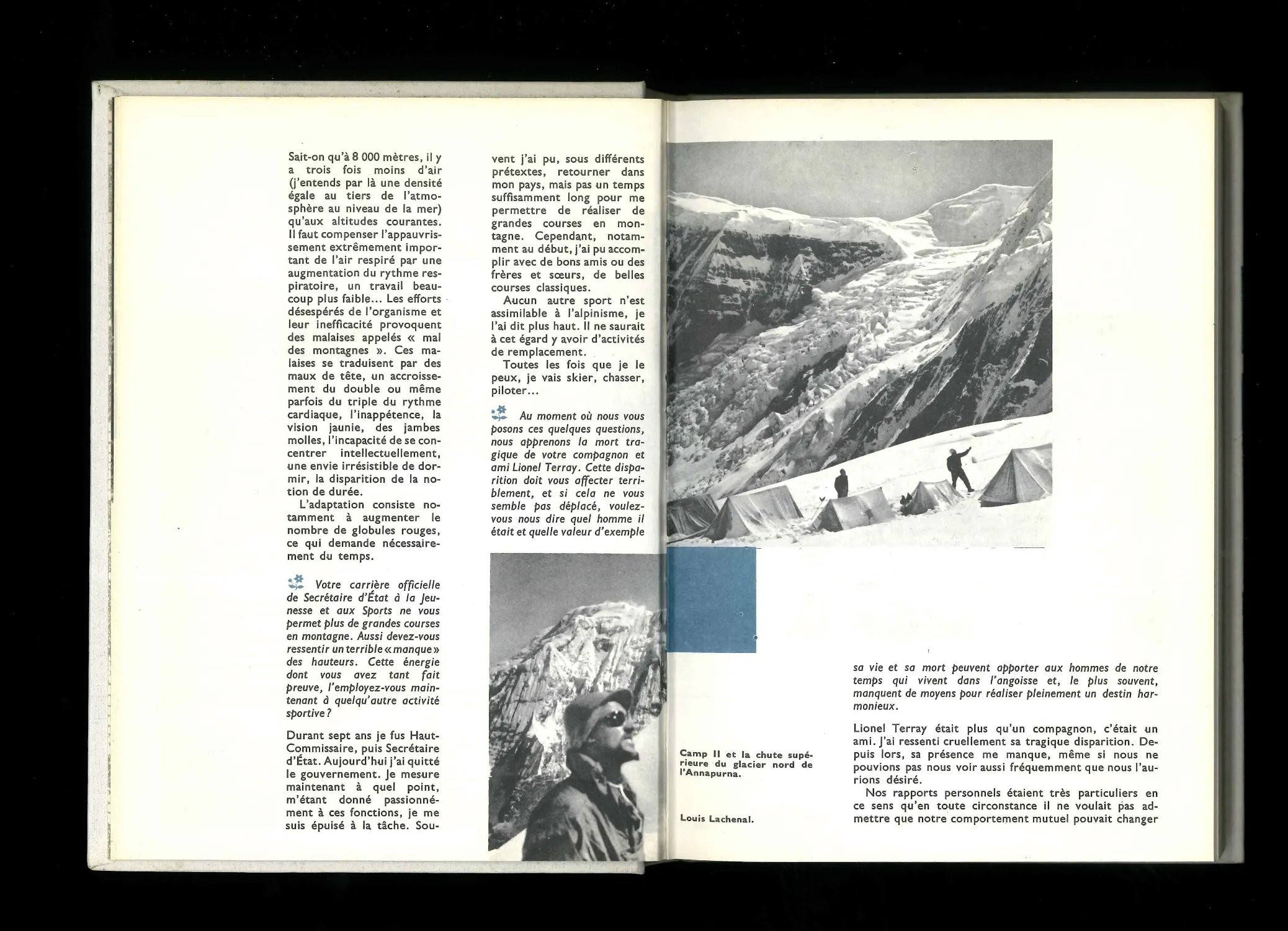
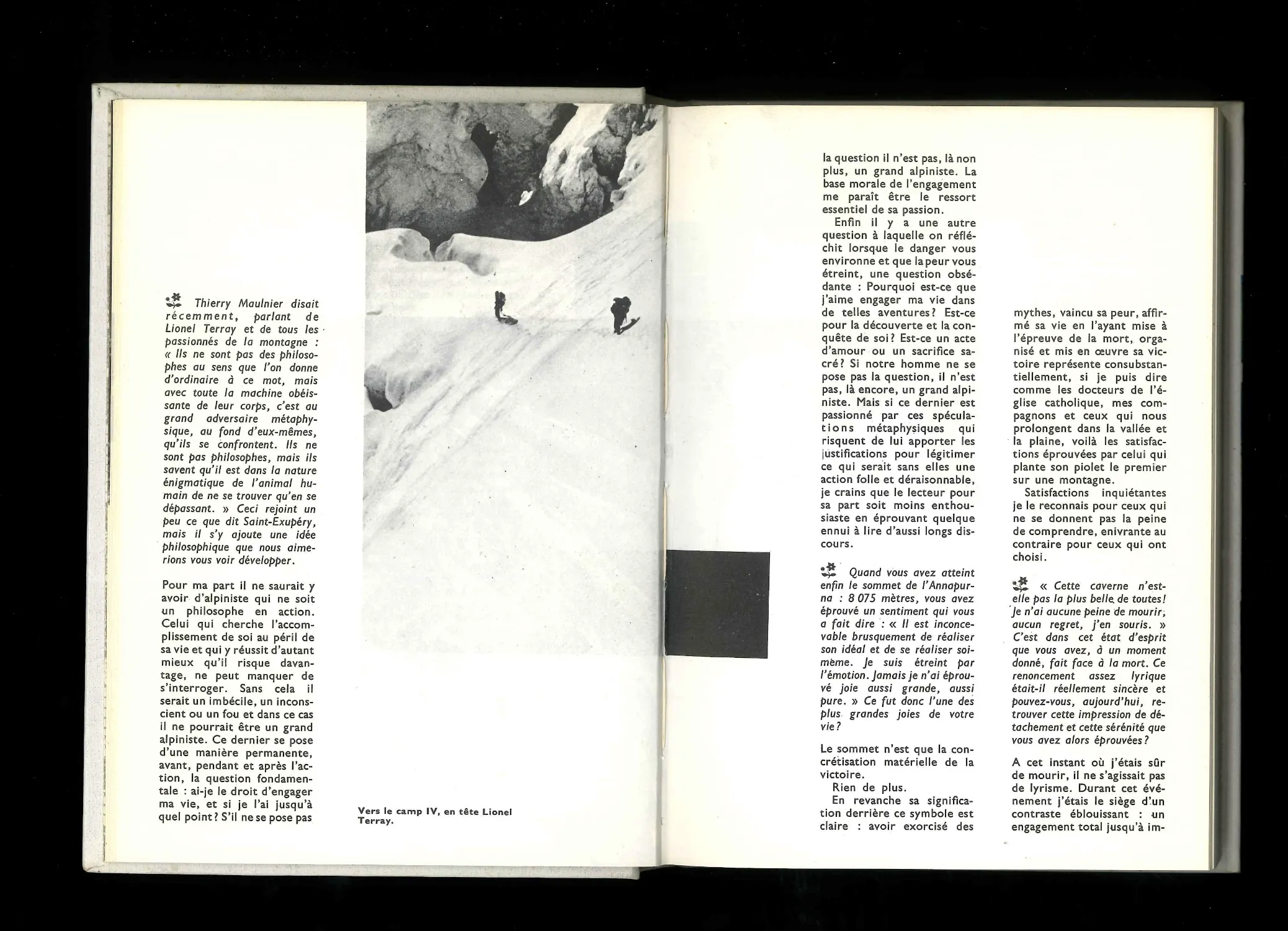
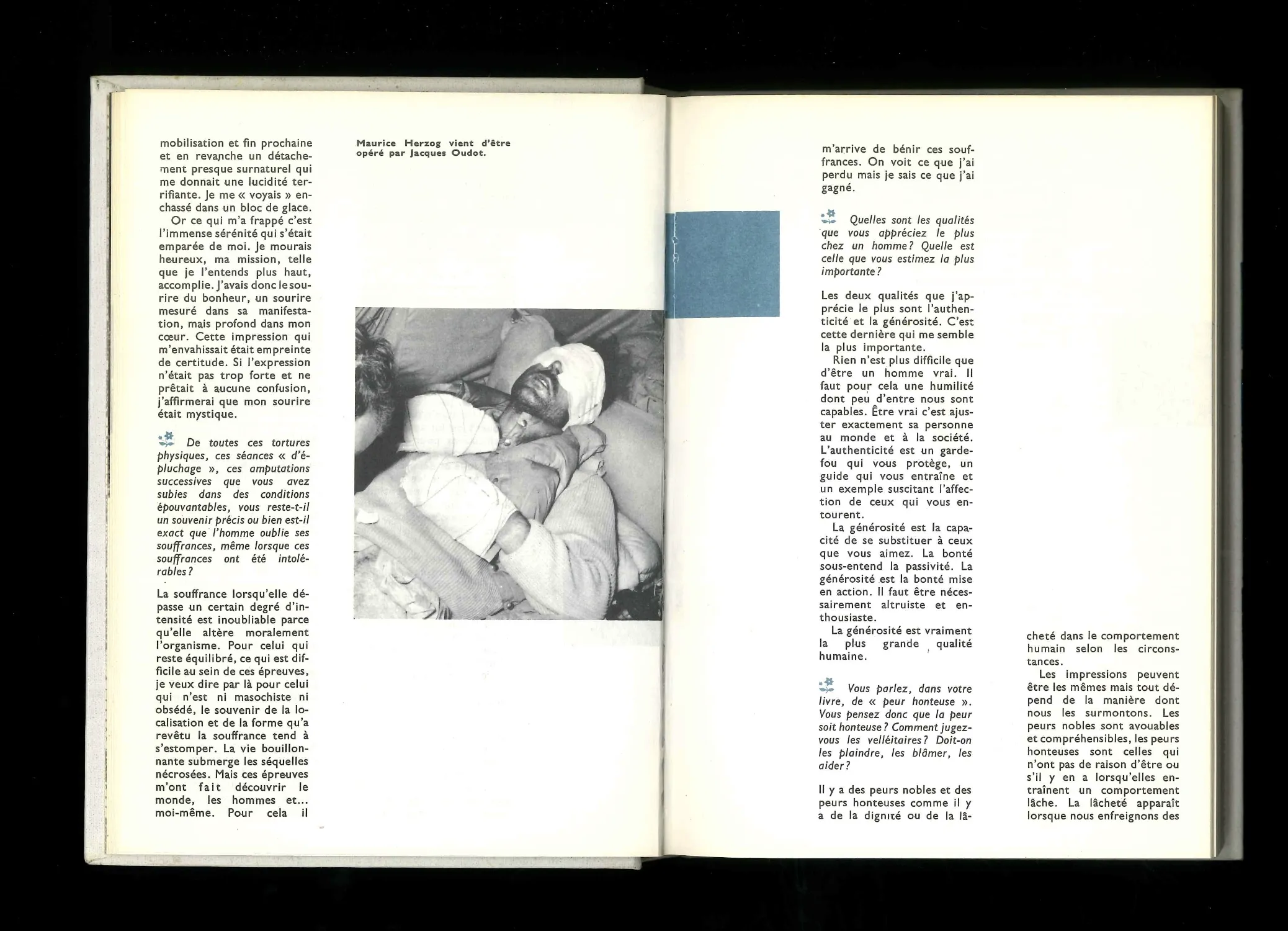
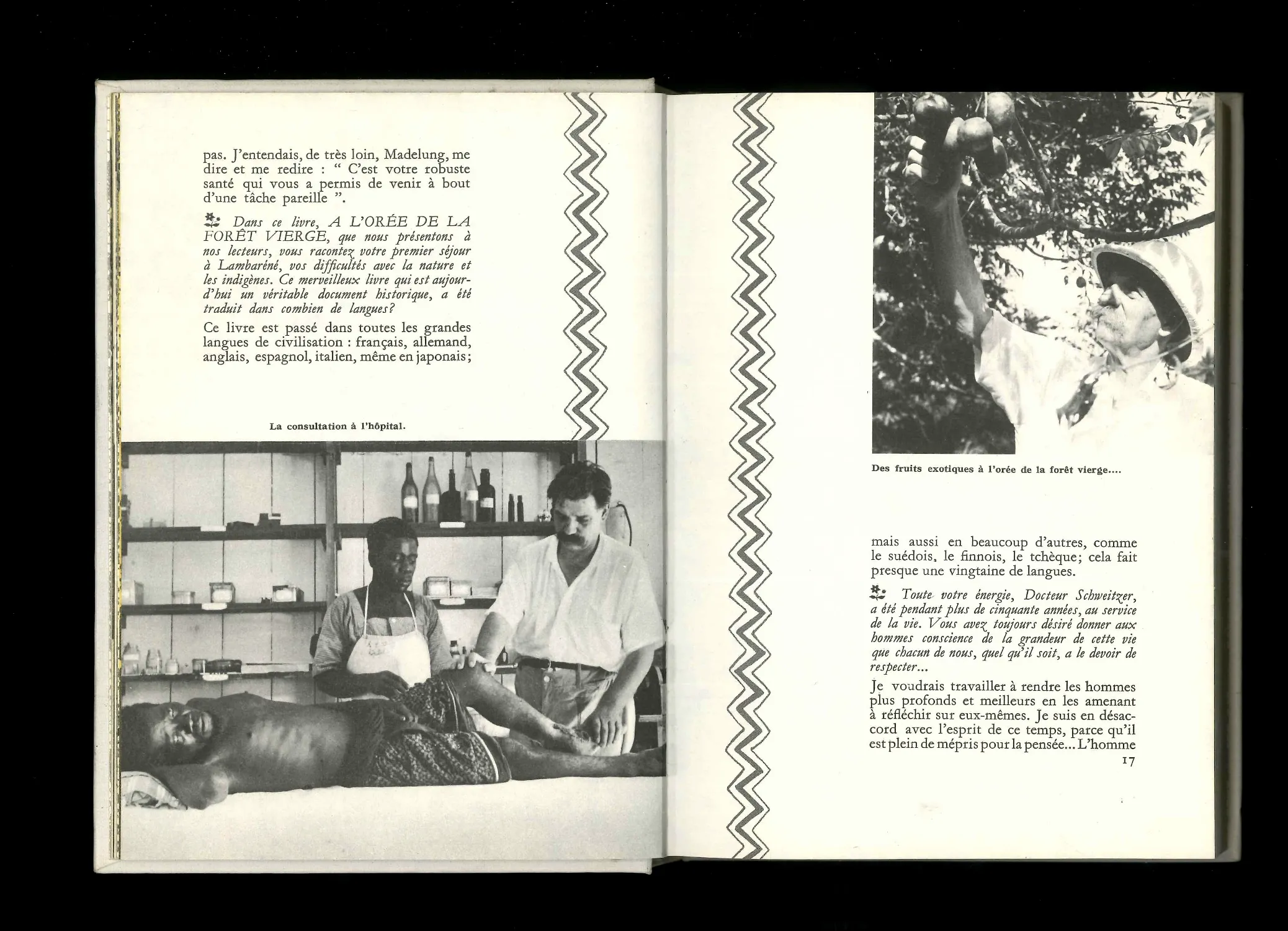
Thus, apart from the richly illustrated introductory sections, the texts of the Club de la Femme or the Cercle du bibliophile books never feature illustrations. On the contrary, the texts of Maurice Herzog’s Anapurna, premier 8000, designed by Jacques Daniels, and of Albert Schweitzer’s À l’orée de la forêt vierge, designed by Robert Korn, two biographical works published by CFL, both feature photographic illustrations.
In terms of paratext, André Maurois’ Climats is composed of two parts, respectively entitled “Première partie: Odile” and “Deuxième partie: Isabelle”. In the Club de la Femme edition, these titles appear within the general flow of the text, without typographical variation, their status within the text simply highlighted by their capital letter setting, their central position in the page and the line breaks. But in the CFL edition, designed by Jacques Darche, the titles are set inside a black cartouche simulating a torn paper strip that runs across the front and the back of the first page of each book.


The same kind of difference is visible in Antoine Blondin’s Les Enfants du bon Dieu. The novel is preceded by a dedication (“À ma mère, si présente. À Henri, si absent.”) and by an epigraph (“Il ne faut pas prendre les enfants du Bon Dieu pour des canards sauvages”). In the Cercle du bibliophile edition, these two elements are reproduced on the same page and differentiated by their character size and their color. In the CFL edition, they are set in large print across two double pages, inviting the eye to move in the space of the pages, and stressing the scansion of the epigraph: Il ne faut pas prendre / les enfants du Bon Dieu / pour des canards sauvages.
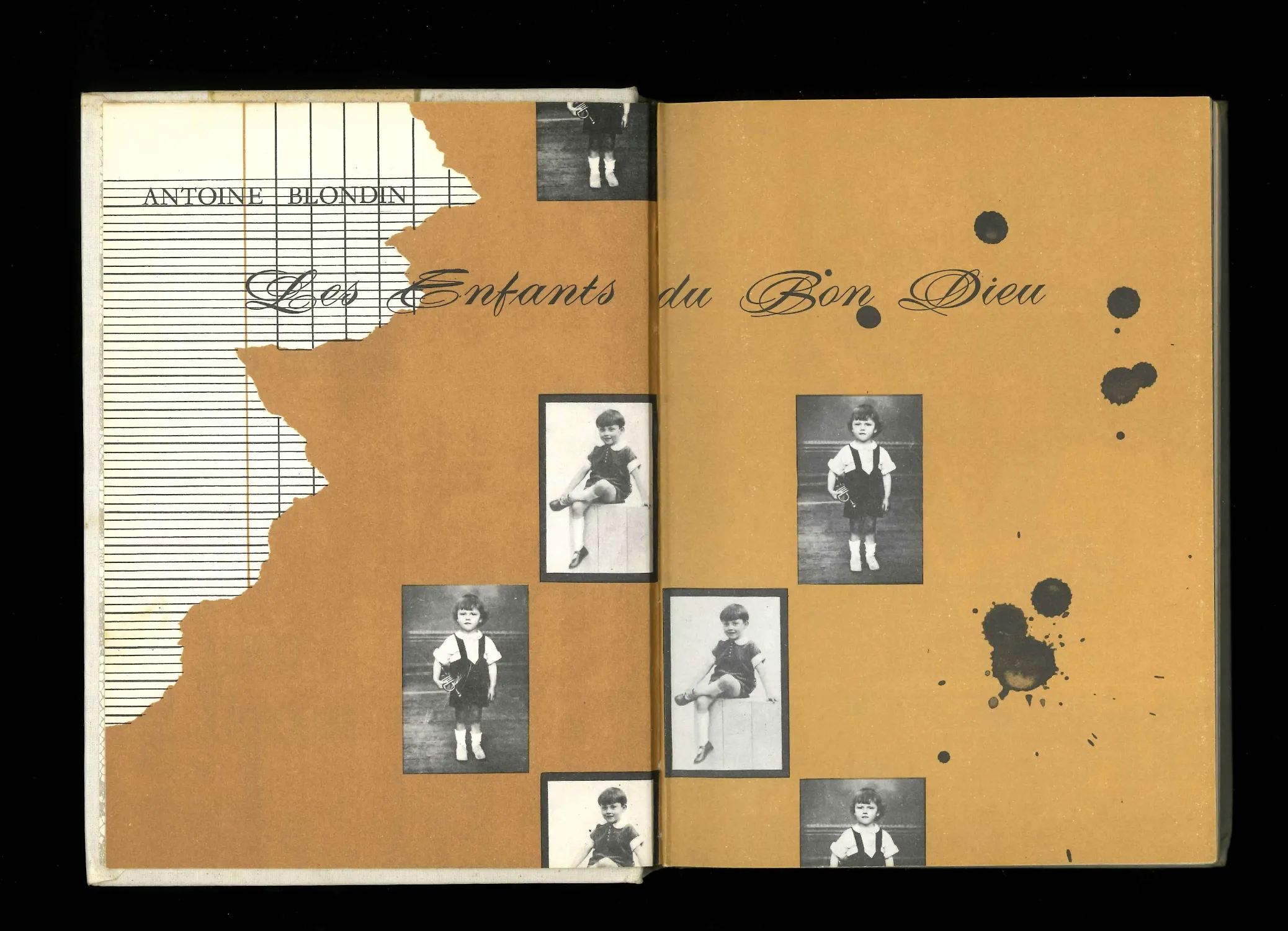
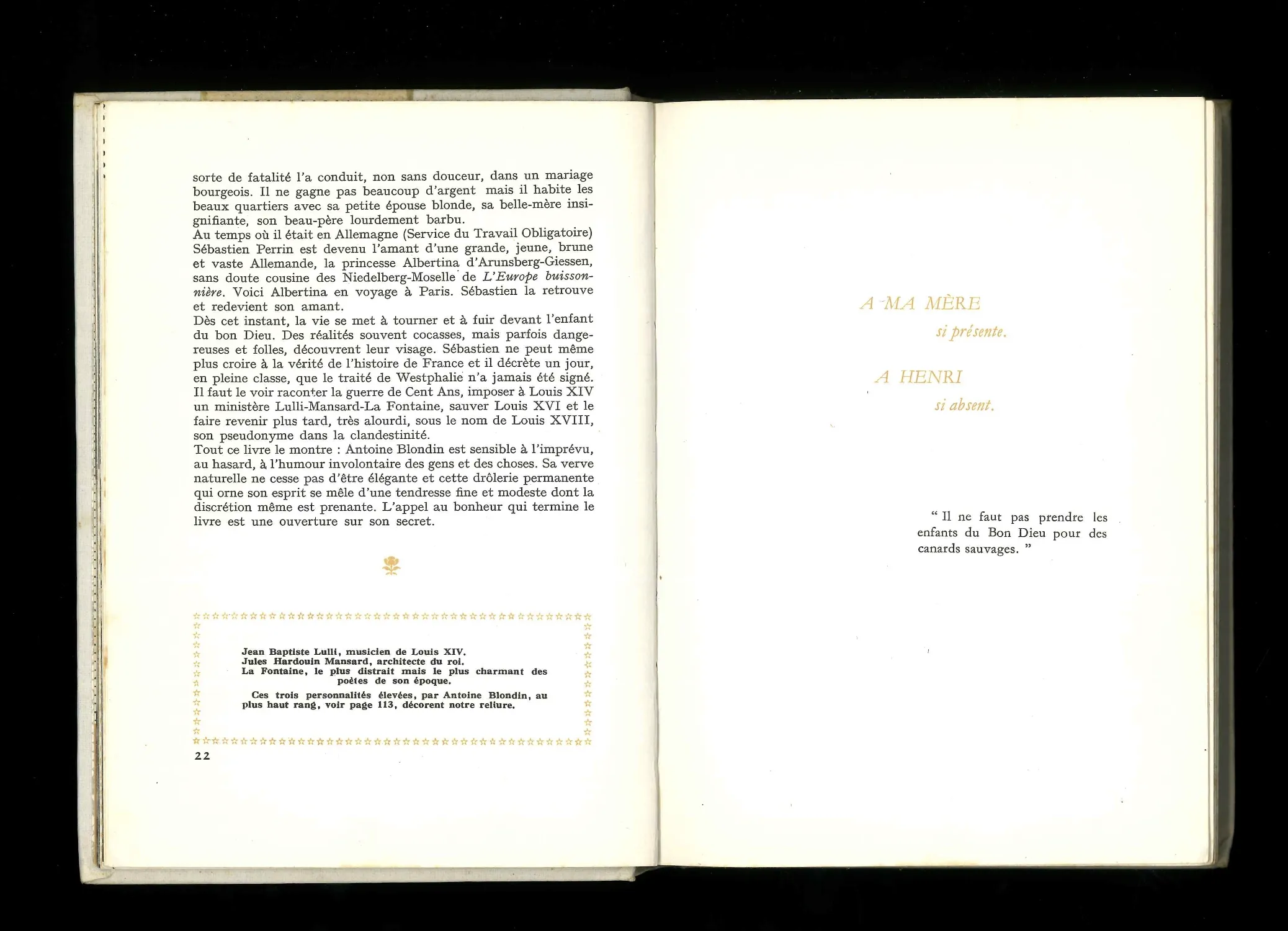
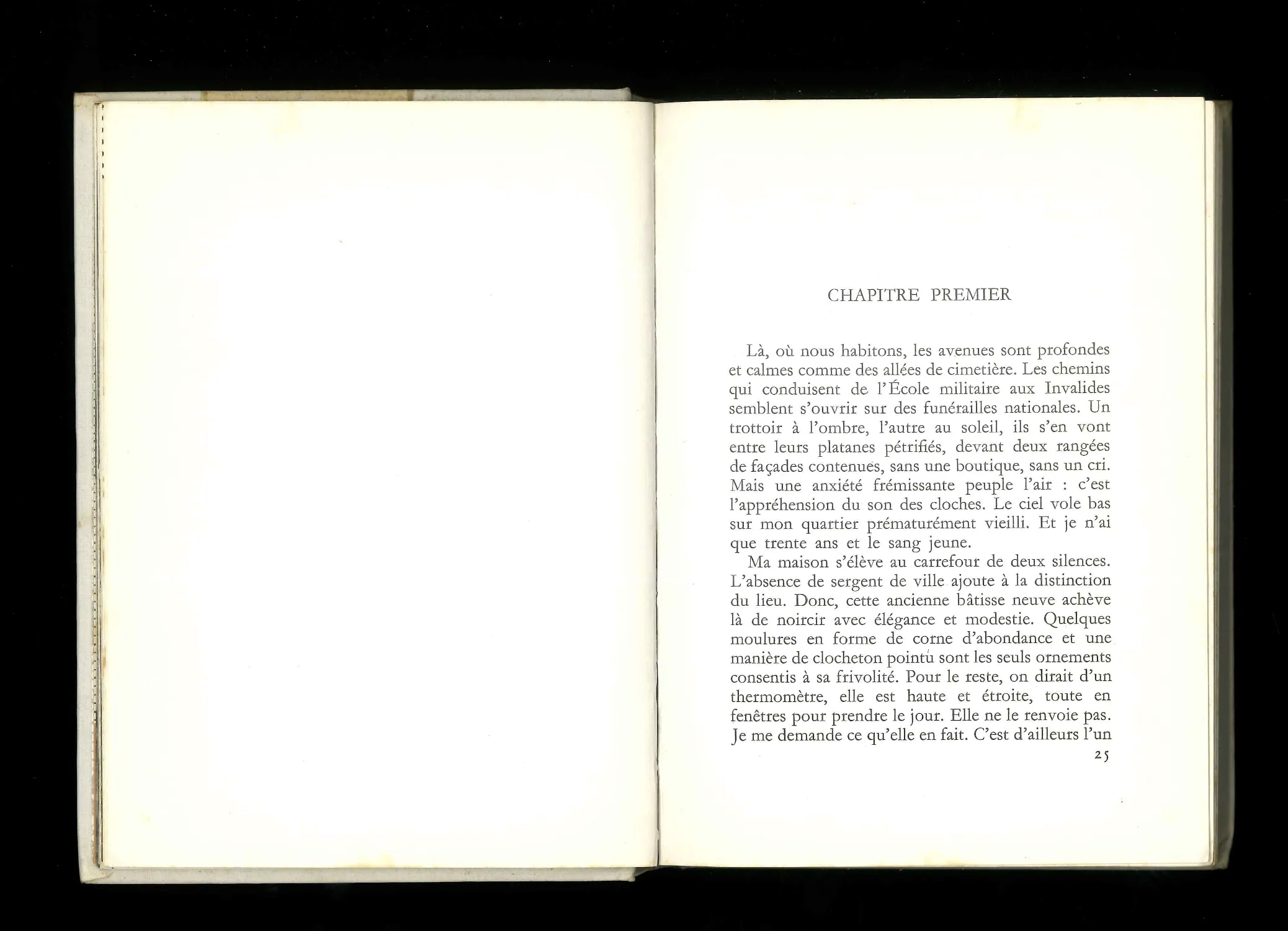
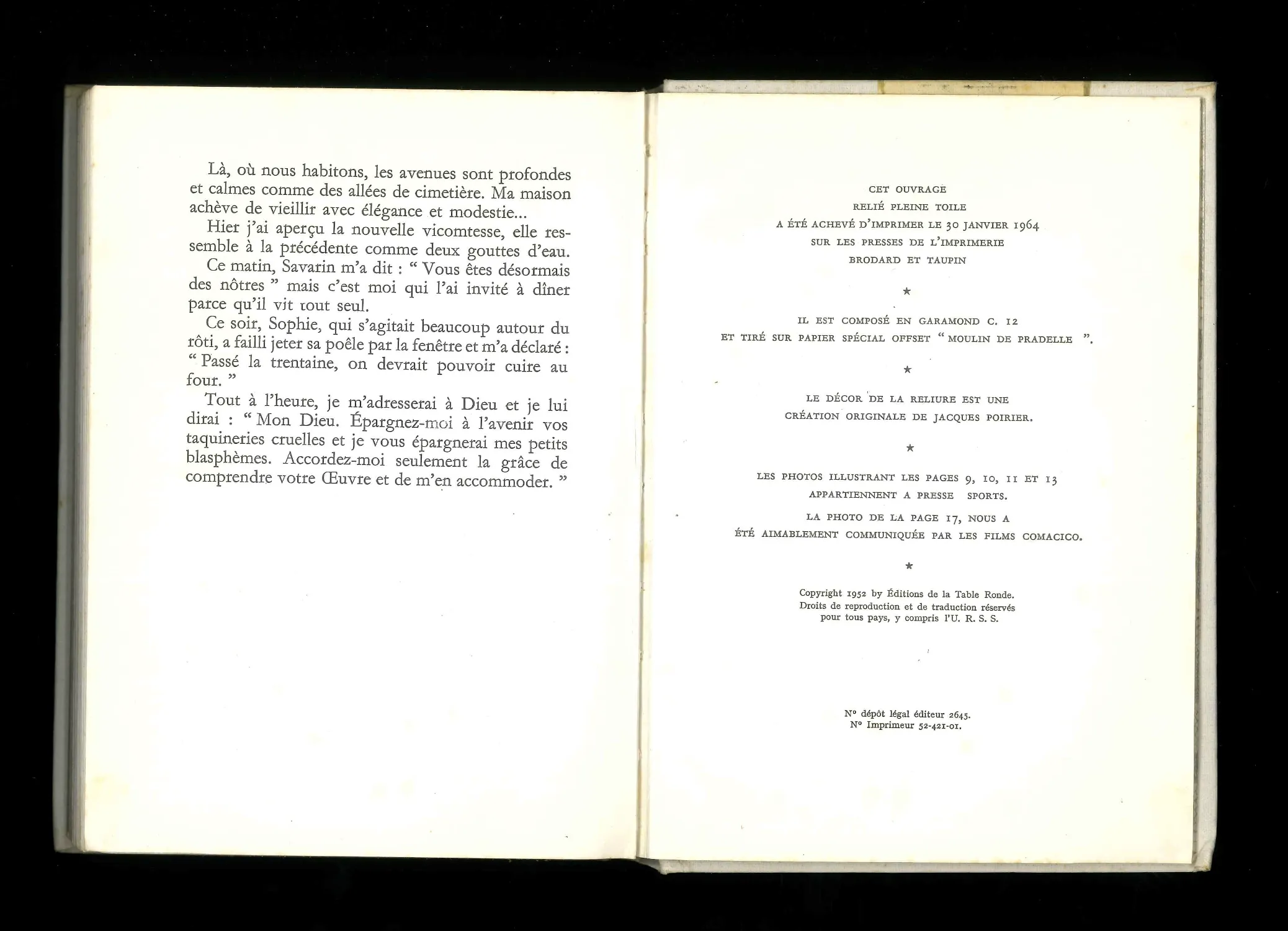
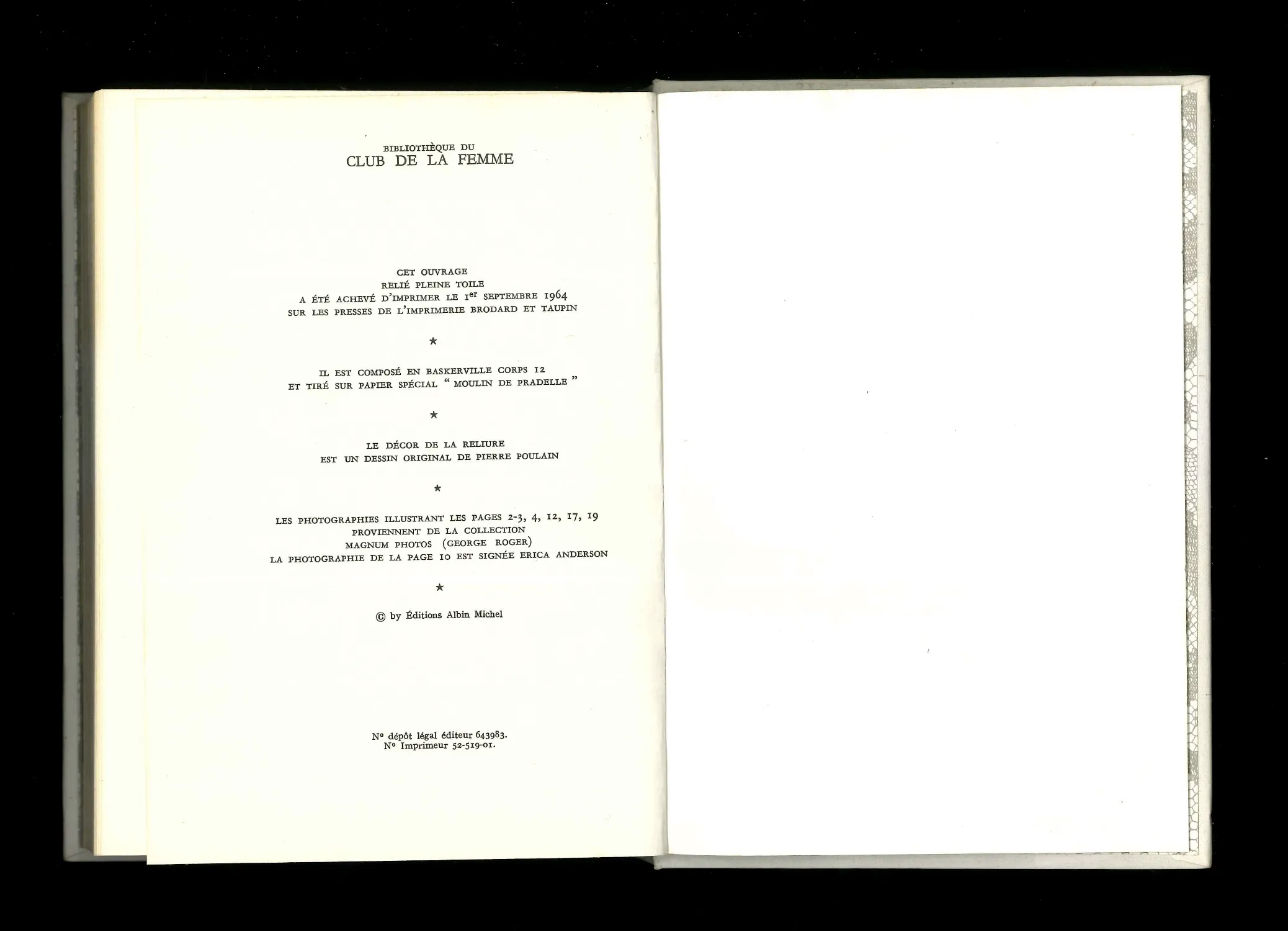
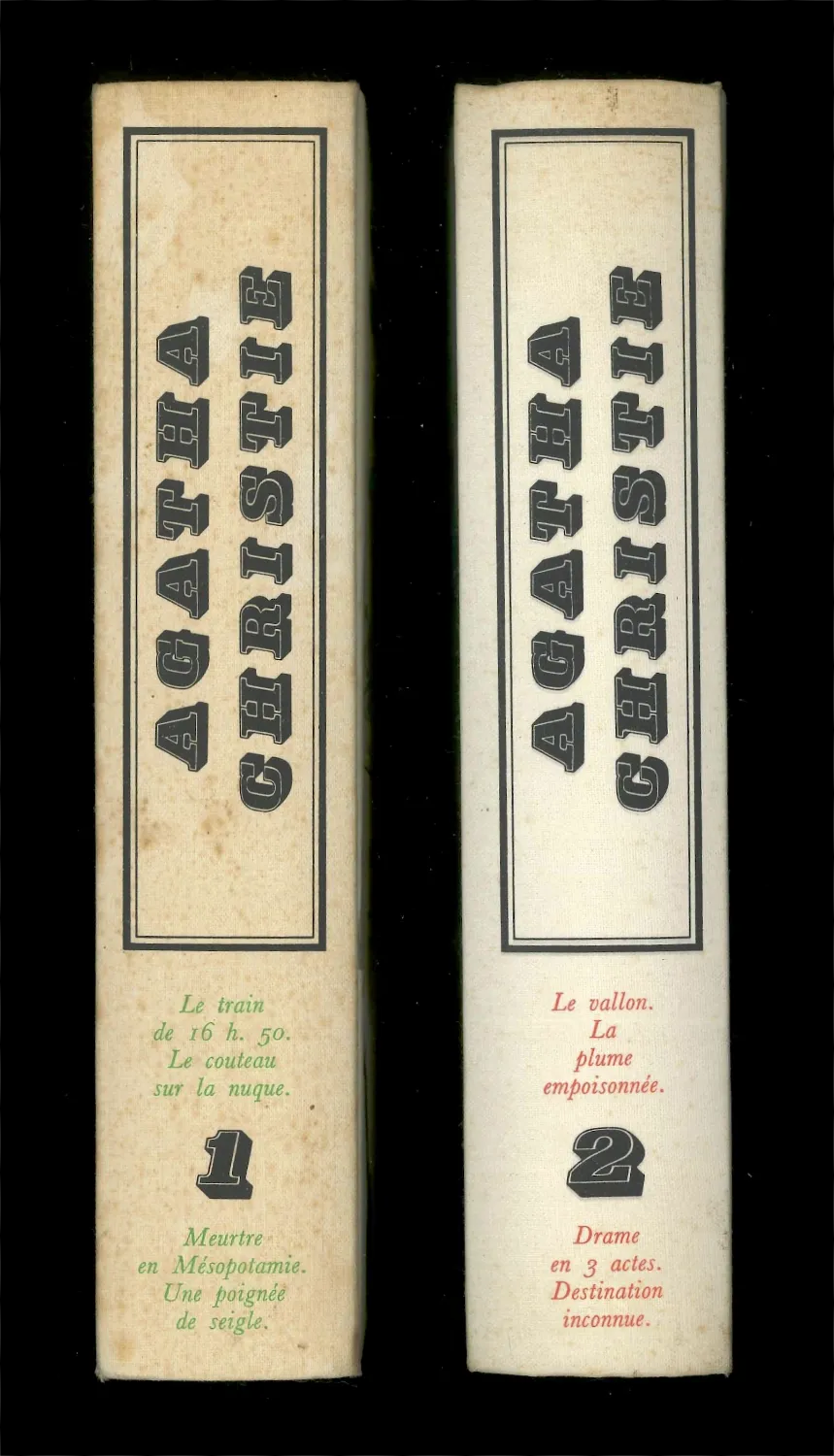
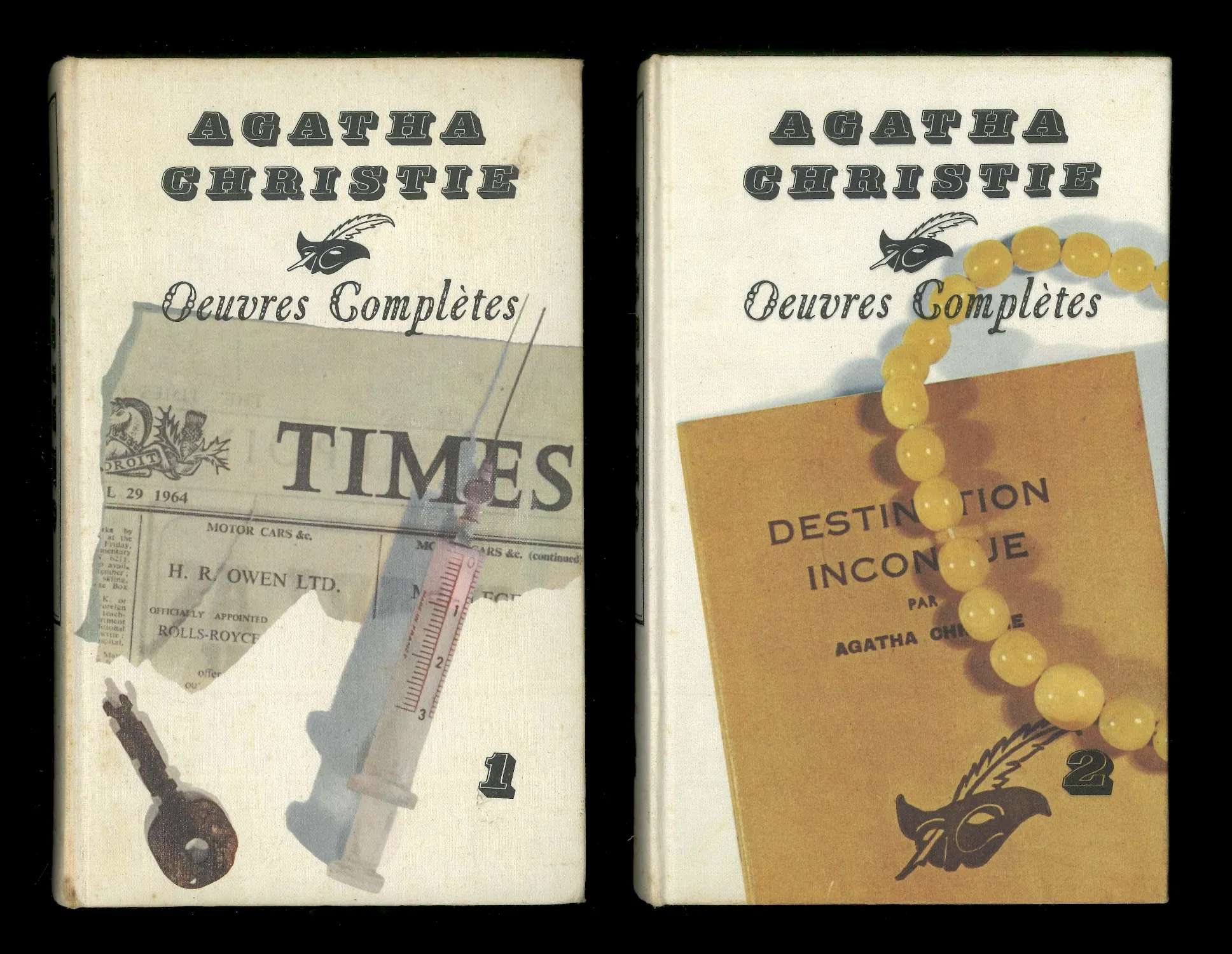
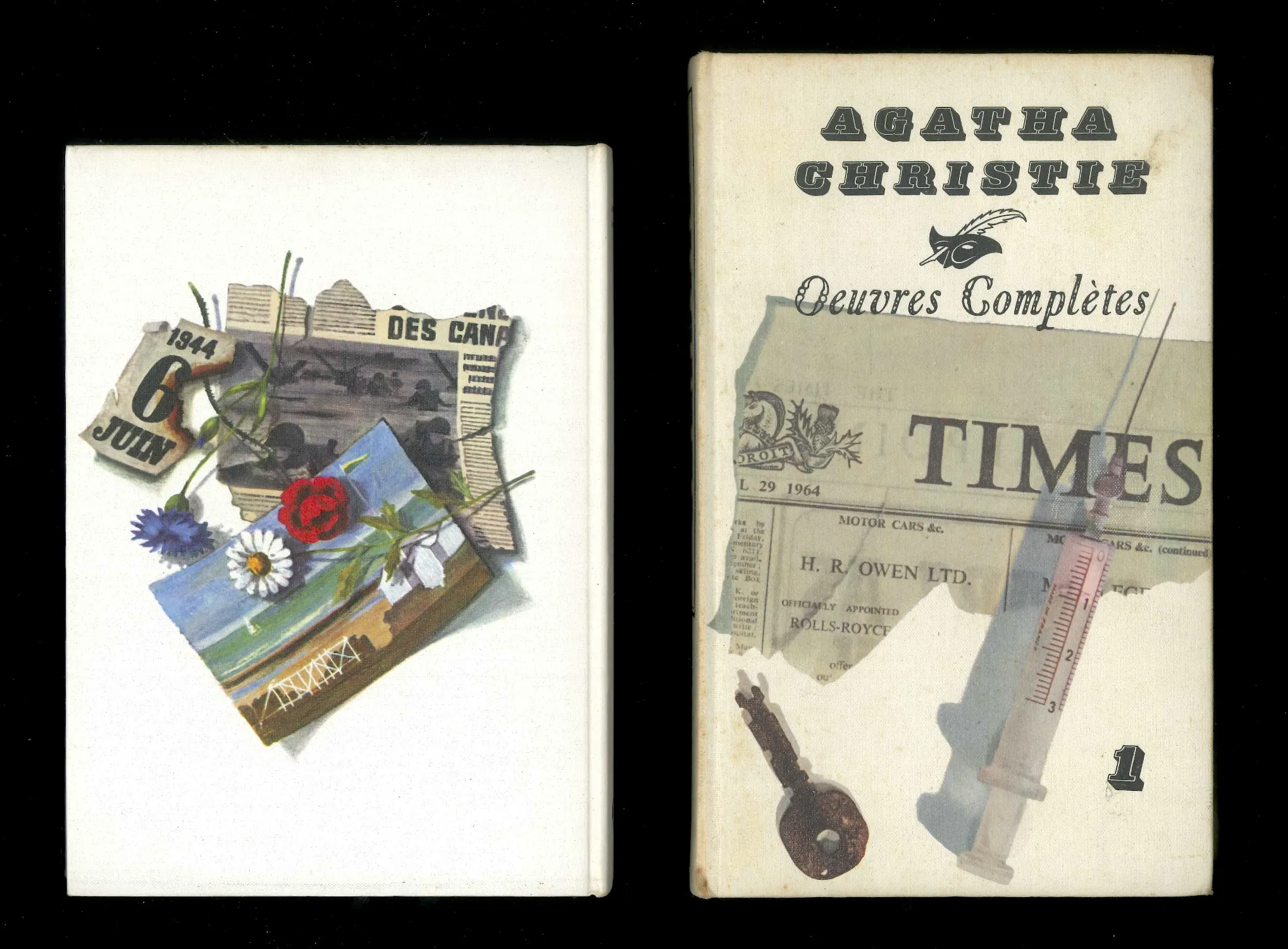
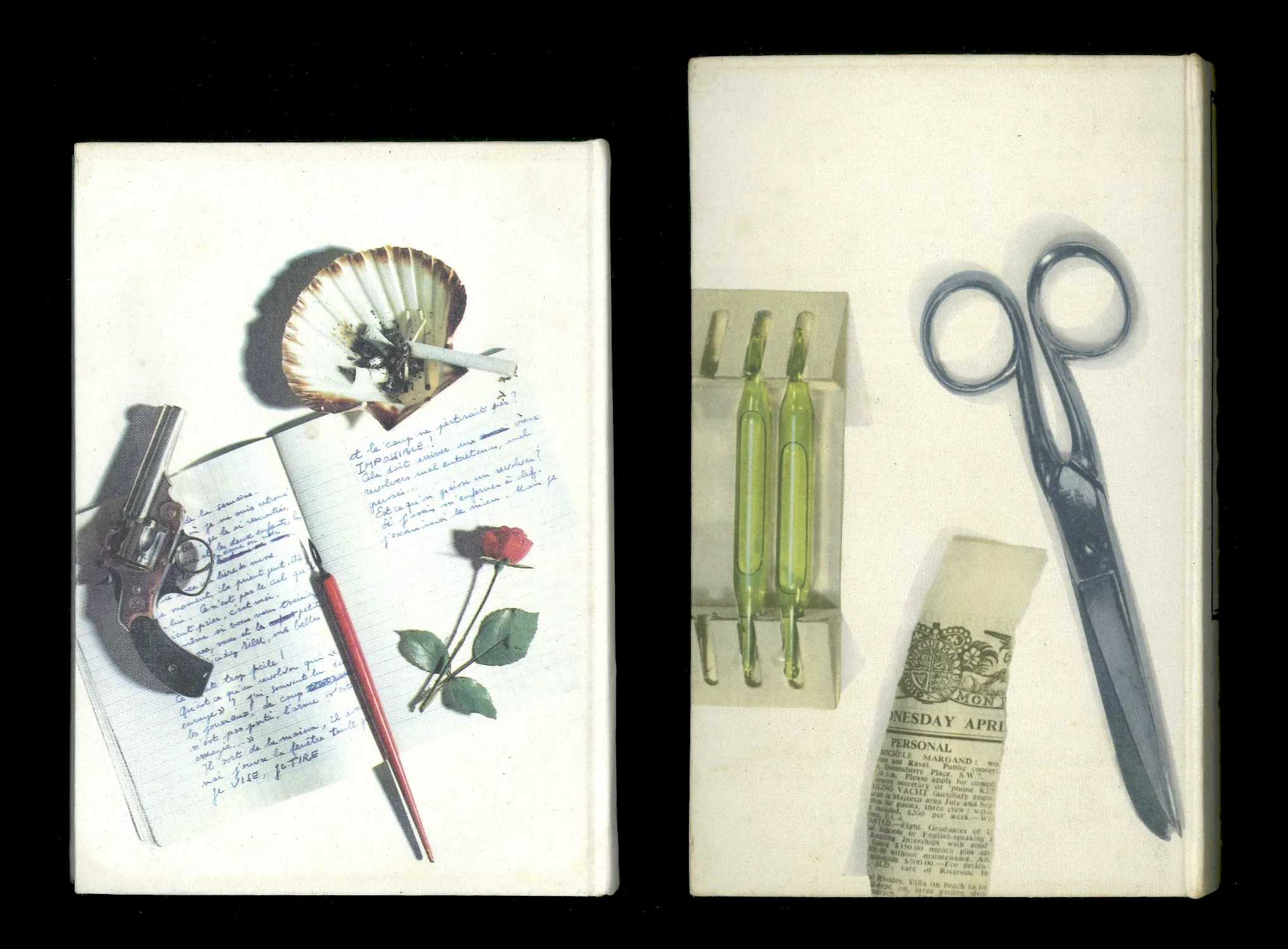
In the two other books, however, these paratextual elements are set in two nearly identical colors: black and brown. Does this amount to say that the graphic designers at the Club de la Femme were aware of their predecessors and contemporaries’ work at the CFL and CML? Certainly so. Moreover, a number of visual solutions circulated between layout designers: the Club de la Femme’s instantly recognizable covers, established as early as the late 1950s, bear more than a passing resemblance with Pierre Faucheux’s contribution to the complete works of Agatha Christie published by… Rombaldi in 1965: a cut-out illustration on a white canvas-bound cover. But while Faucheux’s covers depict kinds of composite, visual rebuses, and photographic still lifes, its Club de la Femme counterparts are composed of a single image — even though frequently a drawing, similar, if somewhat denser, to the kind of assemblages one may find on the Agatha Christie volumes designed by Faucheux. In any case, while the illustrations and documents are duly credited in the colophon in each Club de la Femme and Cercle du bibliophile book, the authors of the layouts are rarely identified and have barely left a trace elsewhere (Alex Fischmann, Alexis Keunen), 3 while the other “club books”, the CFL and CML in particular, typically mention the designers of the volumes. For the titles mentioned above, those are Jacques Brell, Jacques Daniel, Jacques Darche, Pierre Faucheux, Robert Korn, Robert Massin.
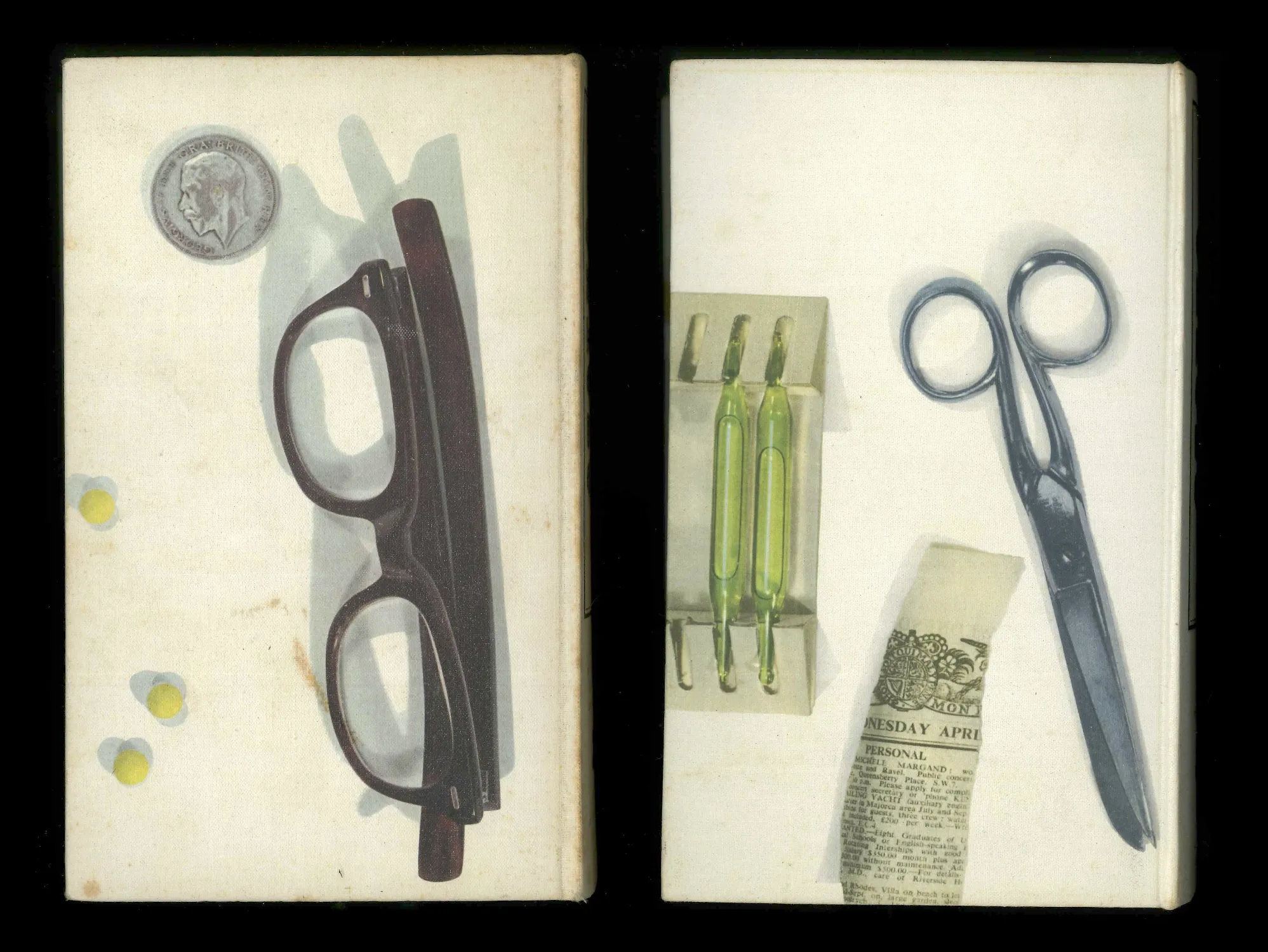
These comparisons emphasize the stronger standardization at work at the Club de la Femme and Cercle du bibliophile, in comparison to the historical, pioneering CFM and CML: their book covers conform with a stable principle, the typographic variations are sporadic outside of the introductory sections, the text layout tends toward the default reproduction of preexisting, established models, there is no play on paratextual elements, and so forth.
Indeed, the issue of the standardization of these “club” books — its interest or, on the contrary, its irrelevance — was regularly raised by the readers of the main collections. Thus, in the newsletter sent to the subscribers along with their books, one reader writes:
“I would suggest the following: quickly settle on a definitive presentation, so that your volumes have an identical outward design, at least for the ‘general literature’ collection …” 4
Another reader concurs:
“Your ‘clientele’ certainly appreciates literature, but, also, largely stores their books in bookshelves. Yet, so far, your volumes have never been exactly similar in format from one to the other… In a bookcase, placed next to other precious volumes, the visual ‘effect’ of your club’s books is far from ideal. Far from being a case of bibliomania, the wish to have one’s shelves harmoniously adorned by identical books is highly honorable…” 5
However, these remarks run counter to the way the publishers envision their collection:
“Our books should not be considered as a single collection of identical volumes, but as a set of collections that aspire to a sense of unity which implies — from one group of books to the next — the stylistic variations that the mind and taste require. We could have easily adopted an unvarying presentation. But that would have been an unambitious solution.” 6
Other readers concurred:
“I would like to … vigorously protest against the tendencies, among the members of our club, to call for a uniform presentation in terms of binding, paper, quality, etc. This couldn’t me more ill-advised, as one of the main charms of your publications lies in their constant and elegant diversity, turning each book into an aesthetic surprise as well as a literary delight. If, as I hope, you are profoundly and intimately convinced that your current format is the most original and the most meaningful, I beg you to forcefully fight against this tendency, a pathetic, small-scale instance of the need for standardization and assembly line work which, I believe, is one of the flaws of our times.” 7
Introductory sections
While the format of the Club de la Femme books, identical to that of the Cercle du bibliophile, is both appealing as a collection of images disseminated from one cover to the next, and deceptive in terms of the permanent invention which, paradoxically, seemed to be the founding principle of the Clubs du livre in the 1950s-1970s, the Club de la Femme books stand out — beyond their covers — through their introductory sections, which seem to be the focus of all the efforts in terms of layout.
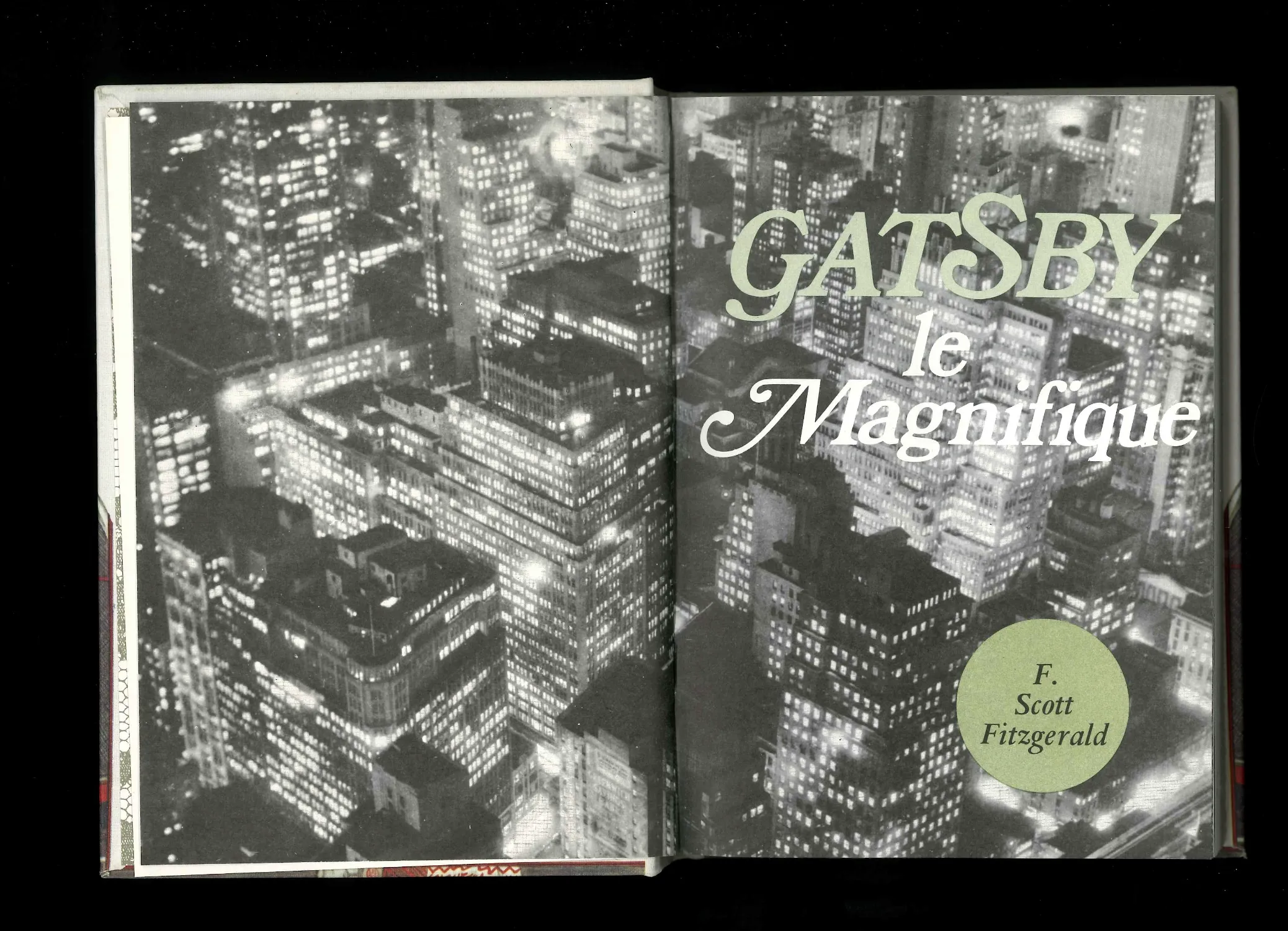
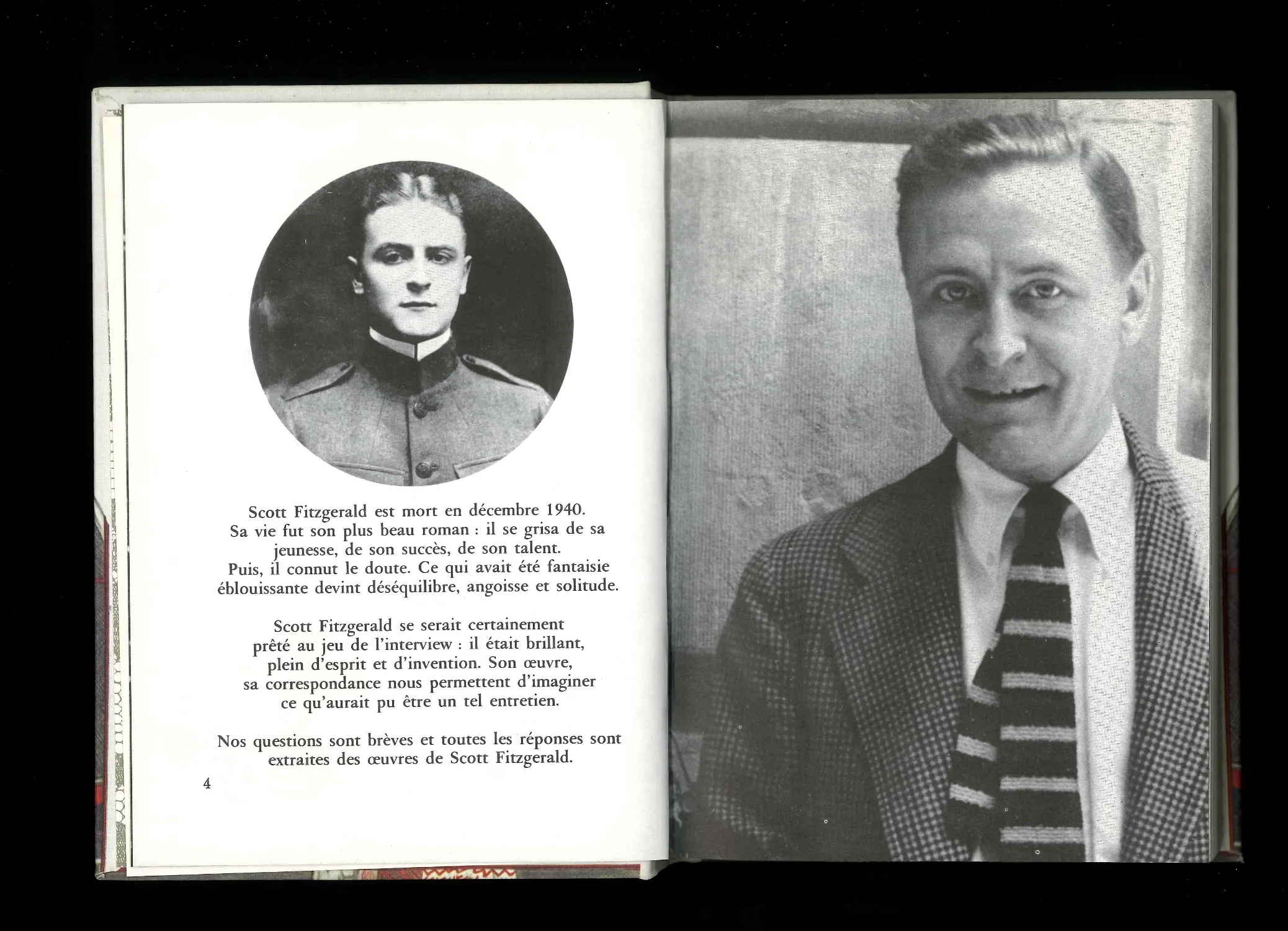
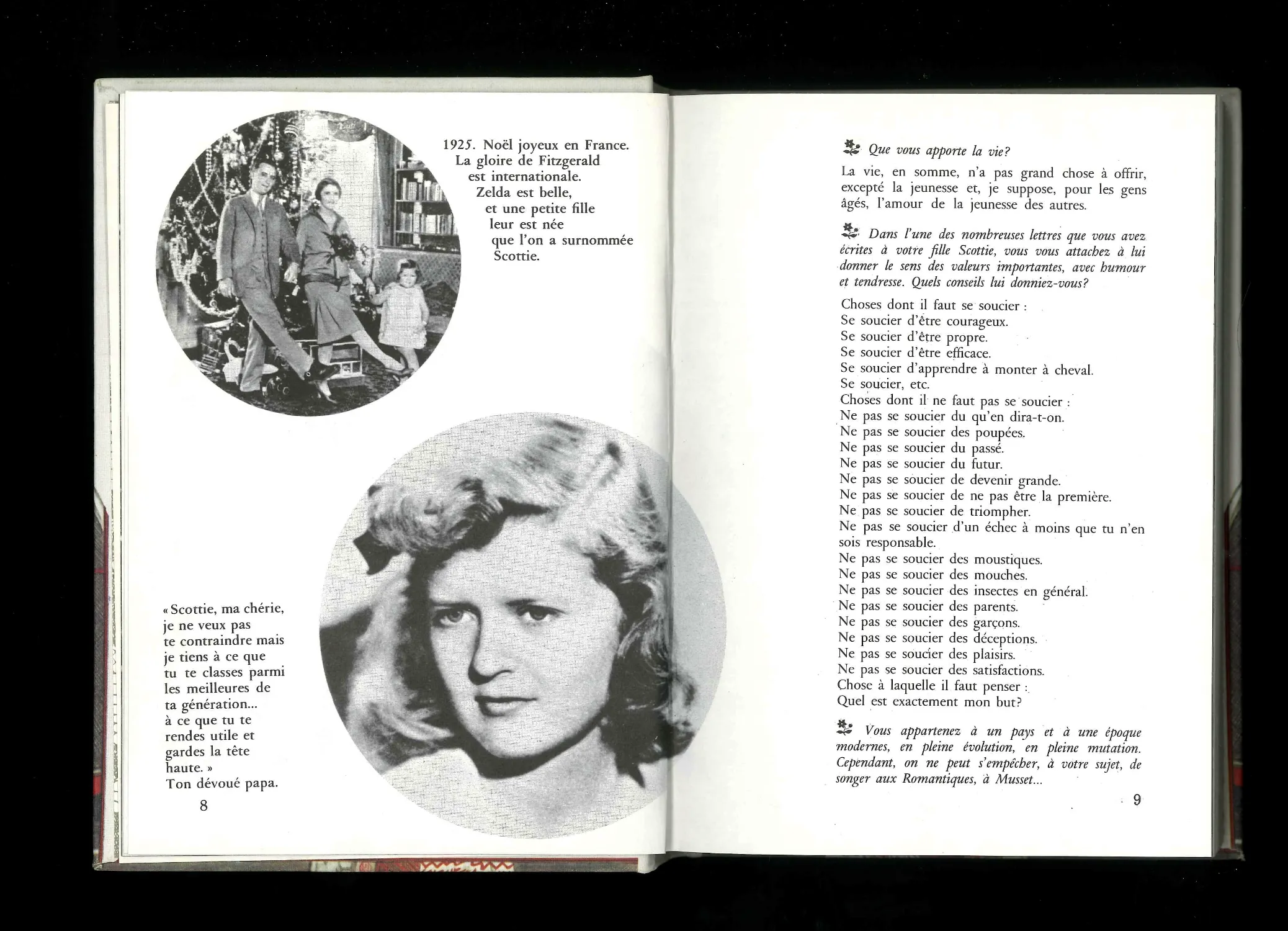
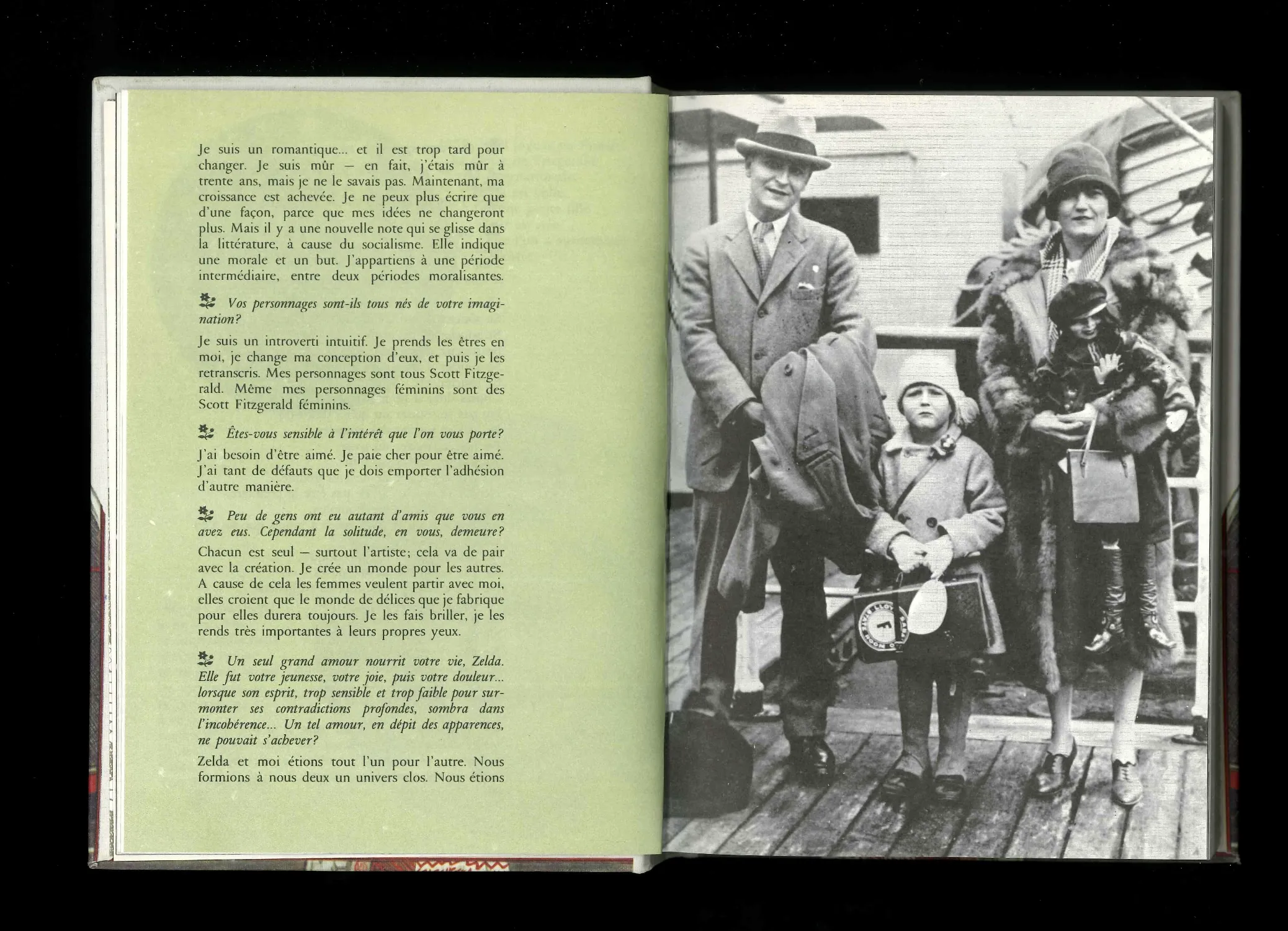
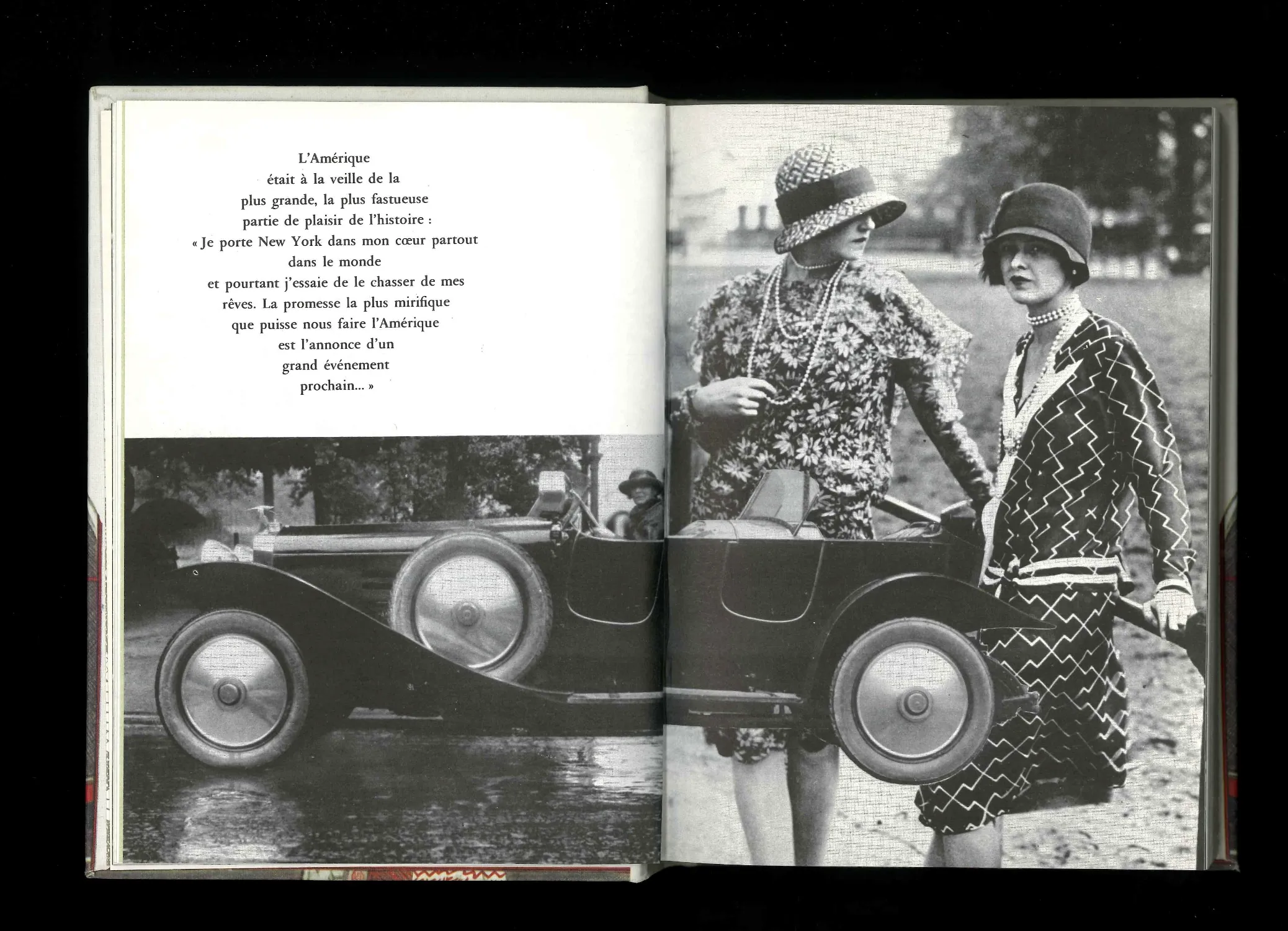
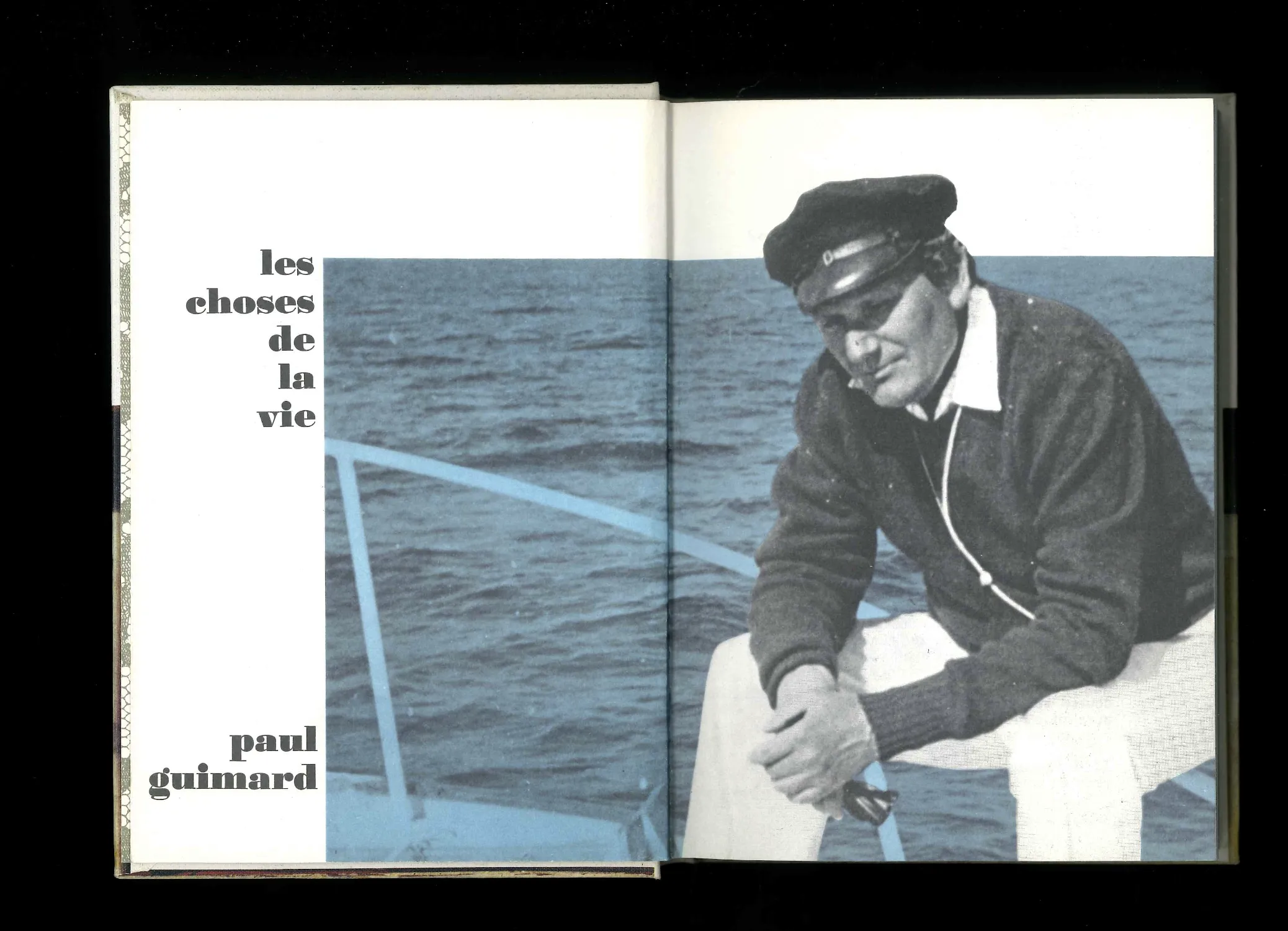
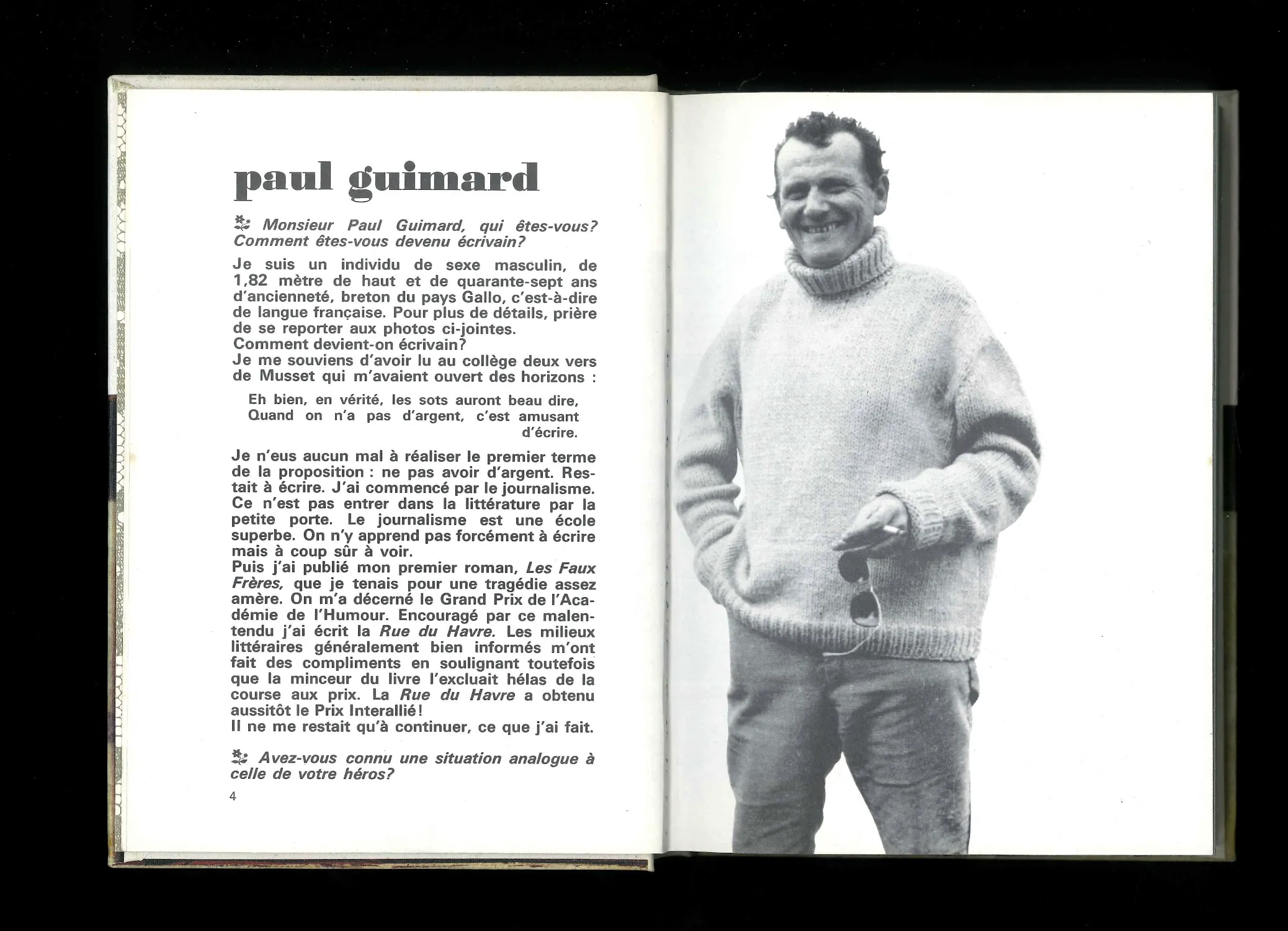
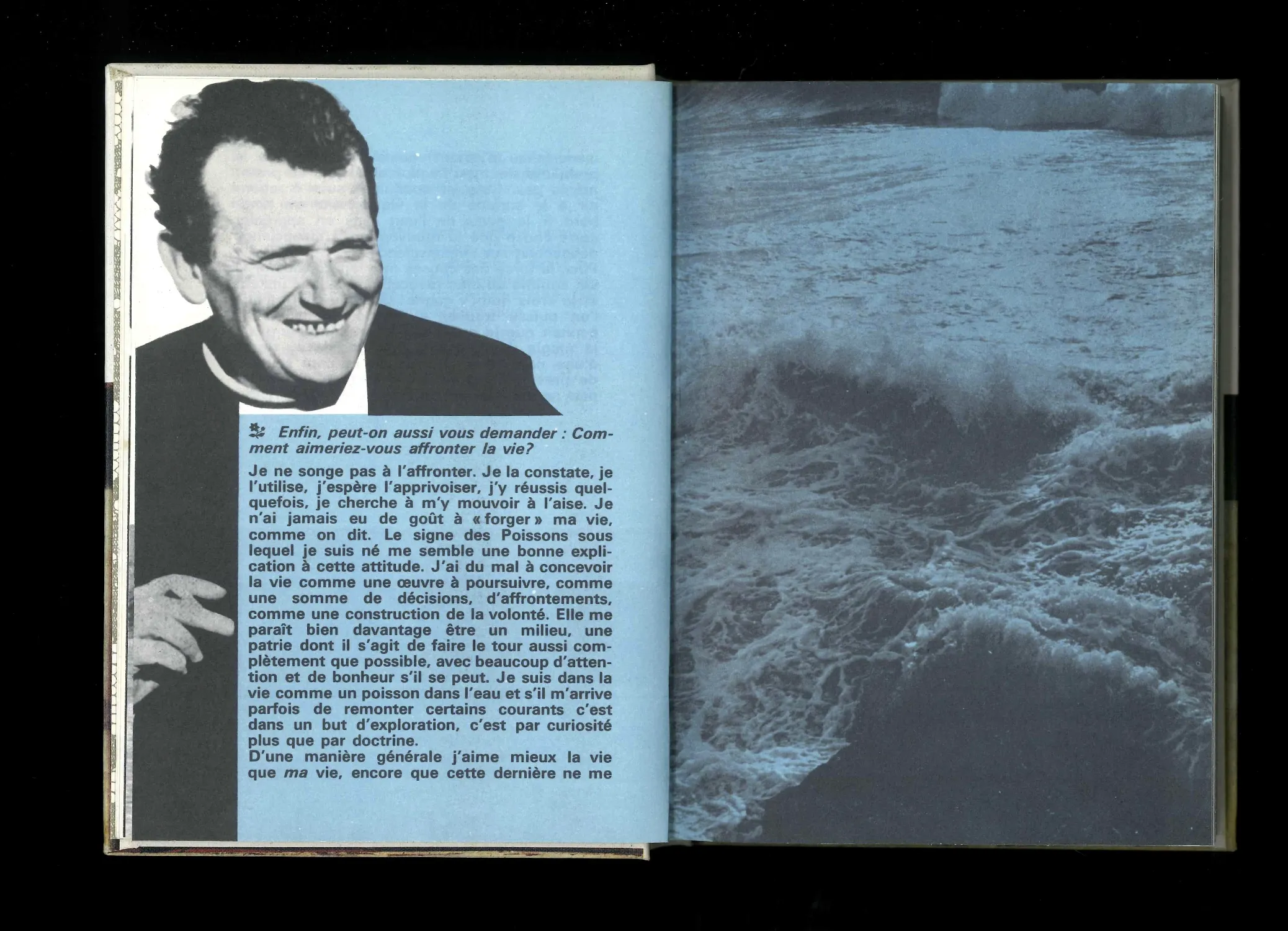

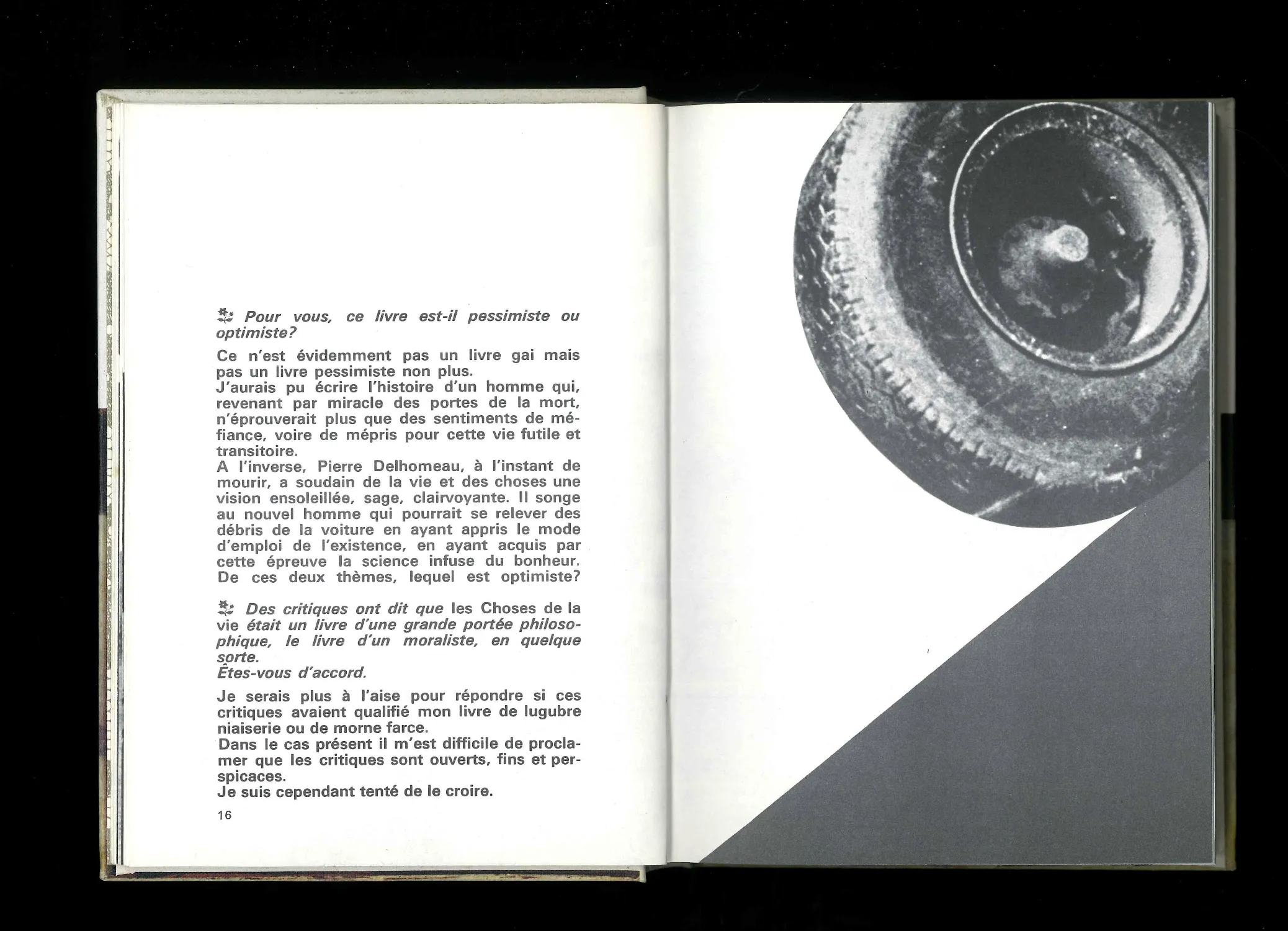


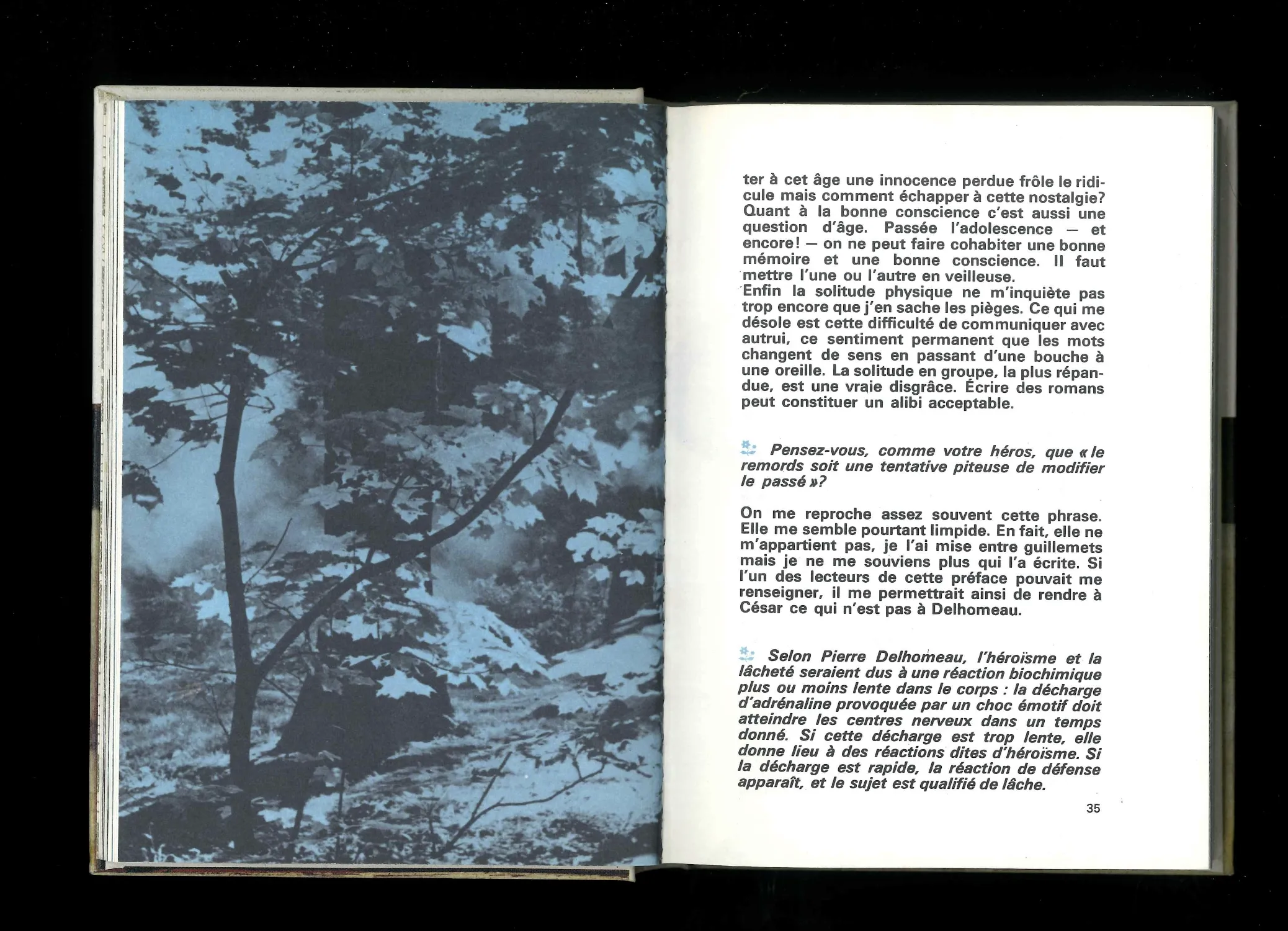
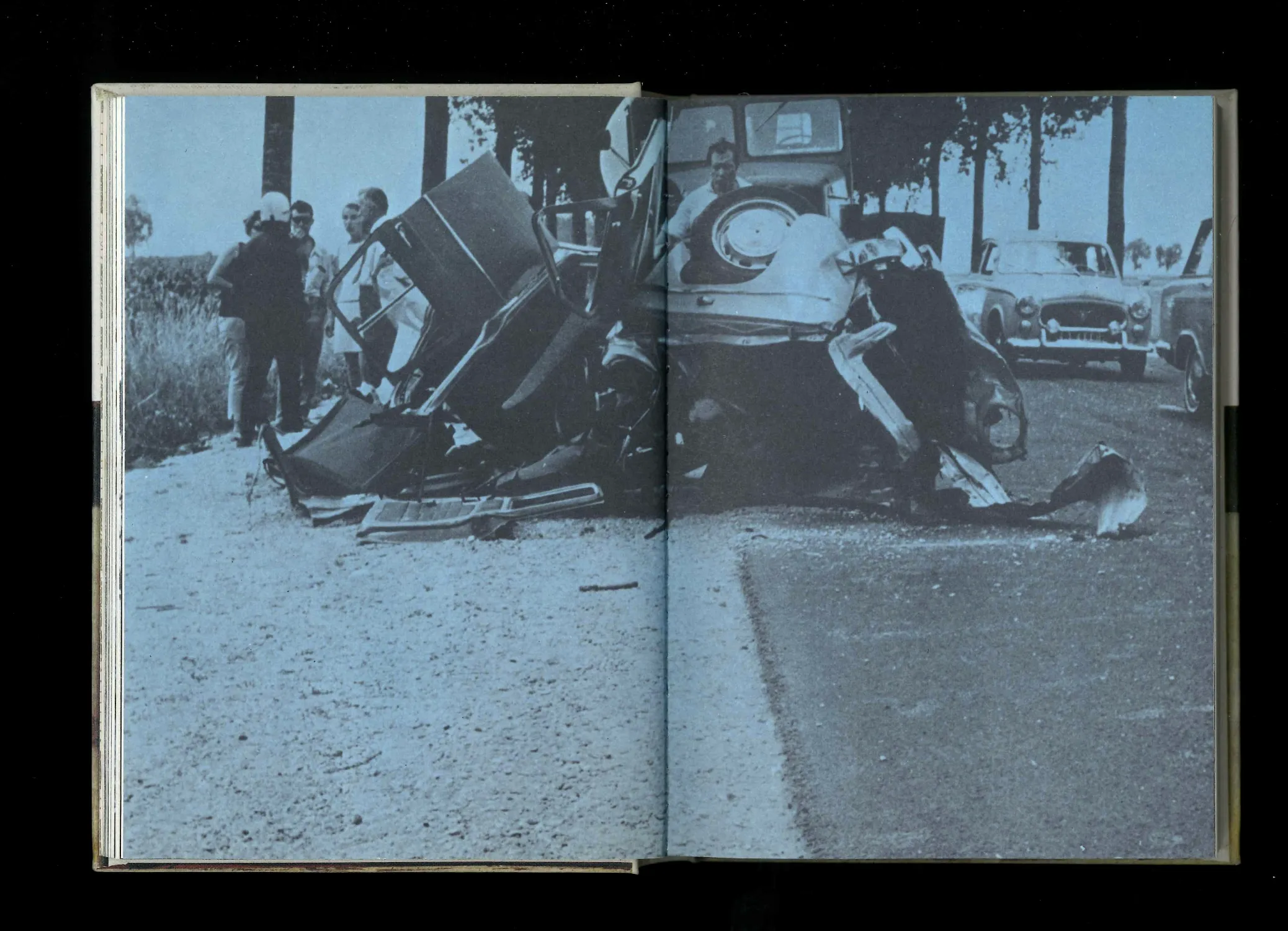
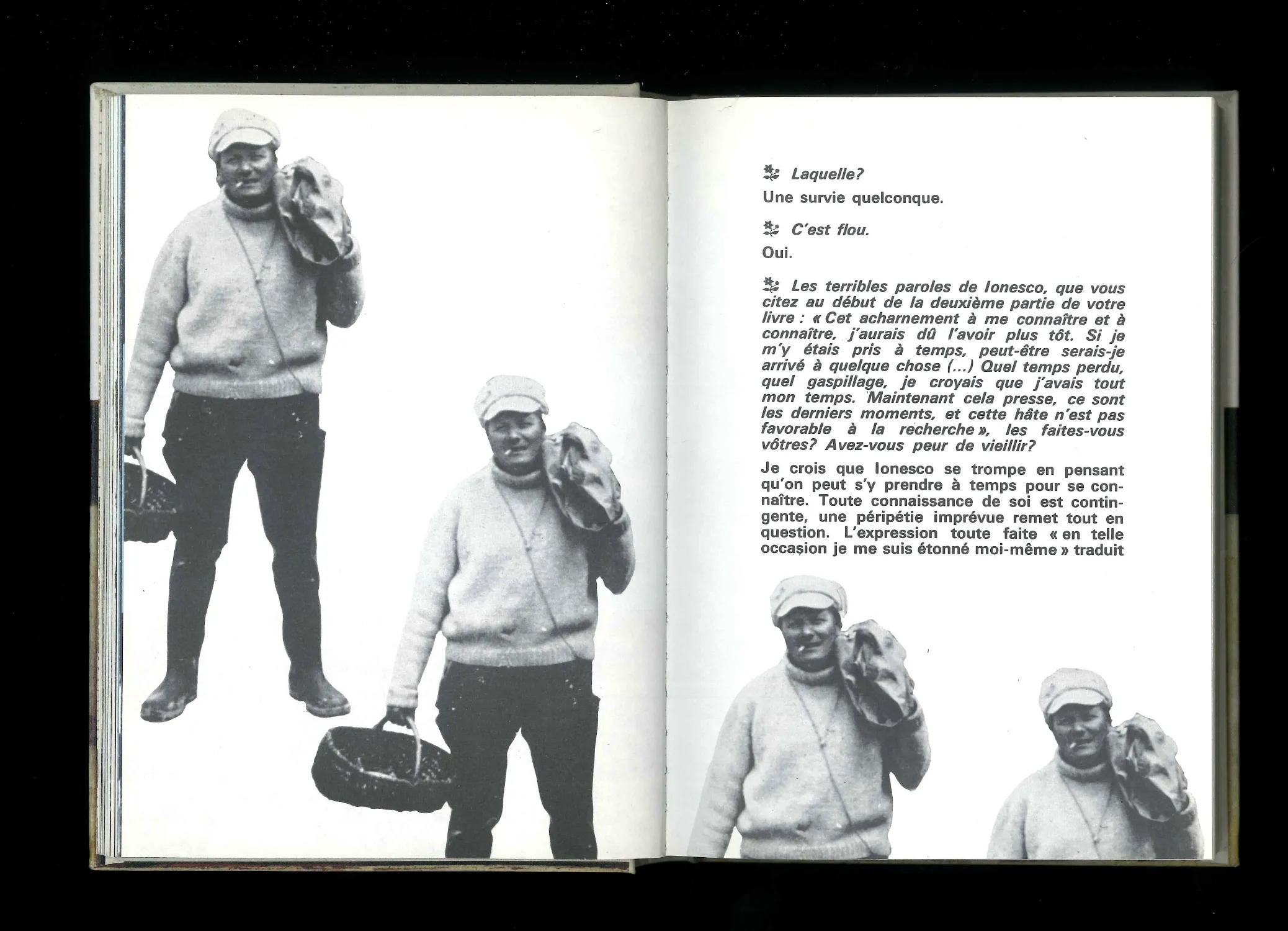



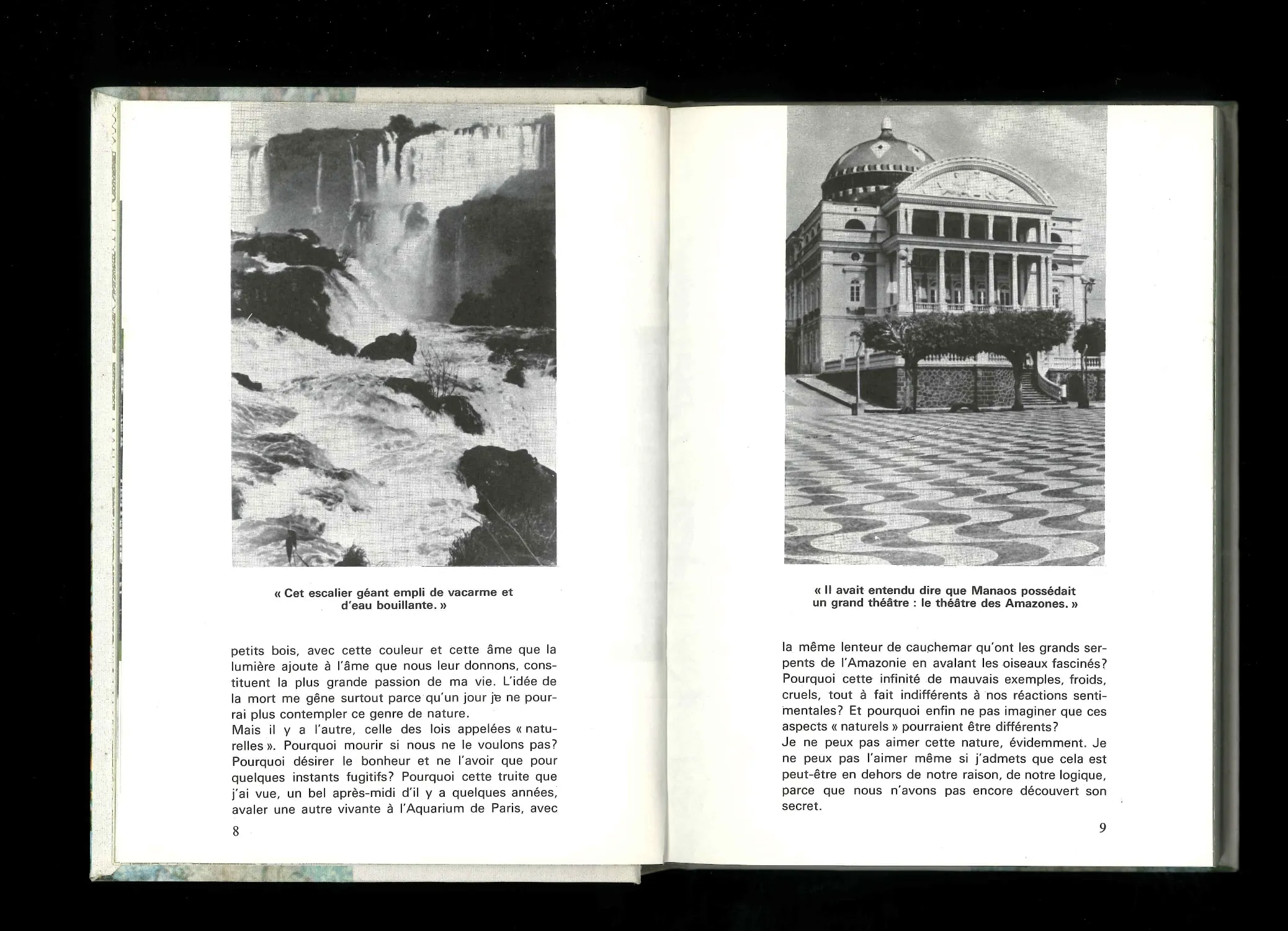


Through their play on typography and their manipulation of visual documents, these sections introducing each volume are the true source of the Club de la Femme’s singularity and interest.
Generally speaking, the opening pages of “club” books are often the focus of the graphic designers’ utmost attention, and are stretched so as to become spaces where the paratext becomes a full-fledged graphic object. It has often been said that many graphic designers working for the clubs conceived these spaces as an analogy for the film credit format, and tried to suggest or to expressively allude to the contents of the books. 8
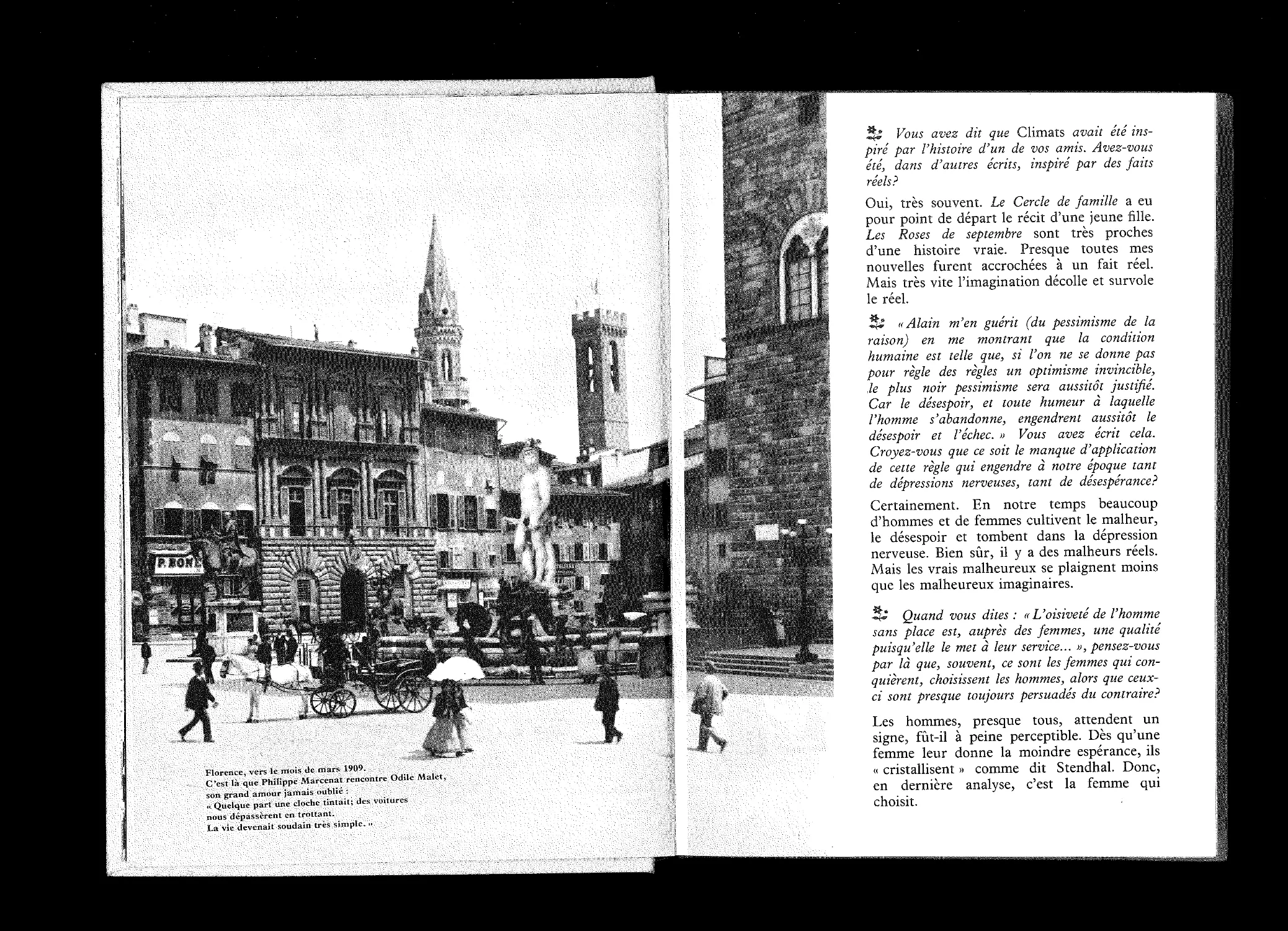
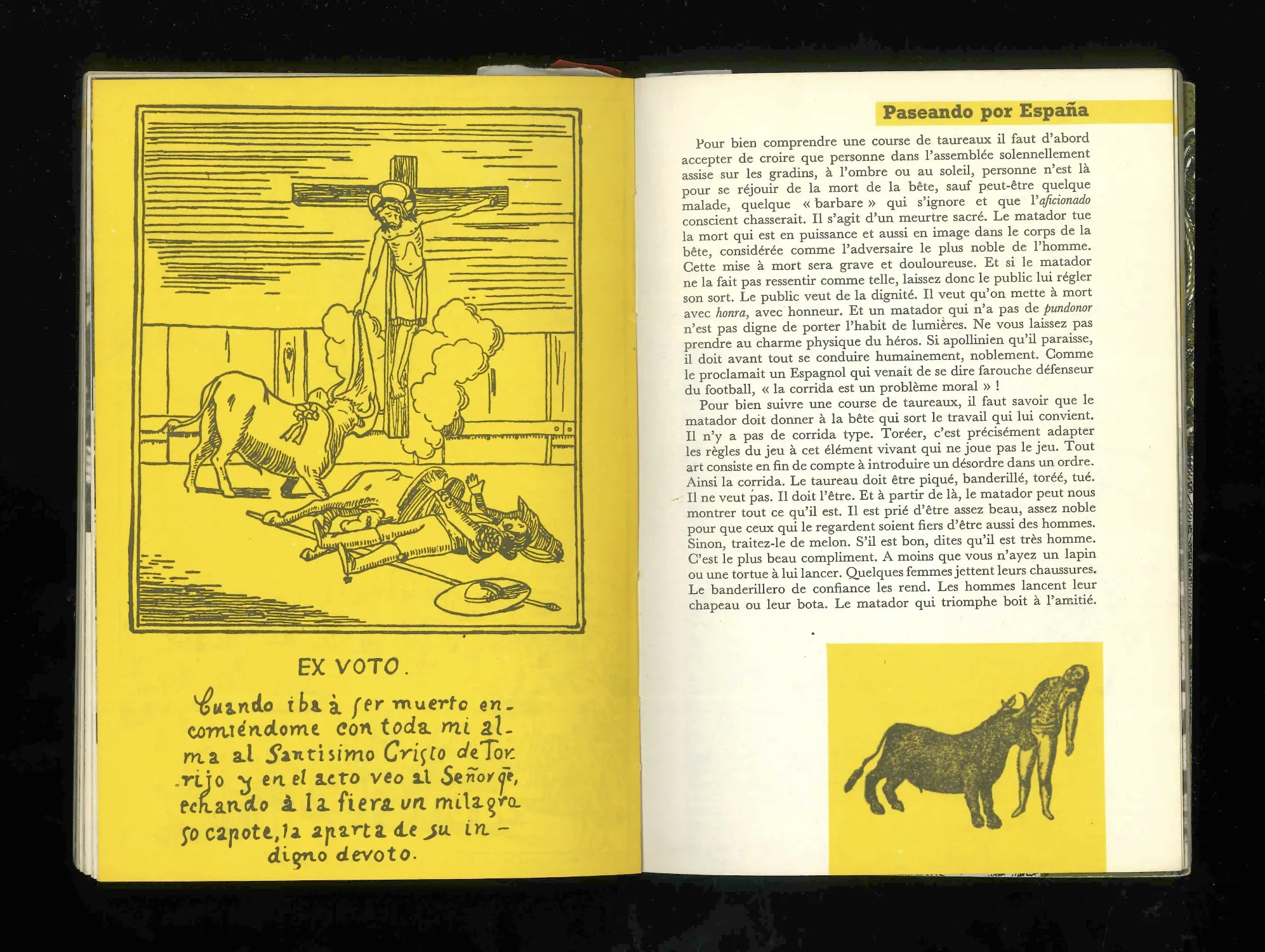
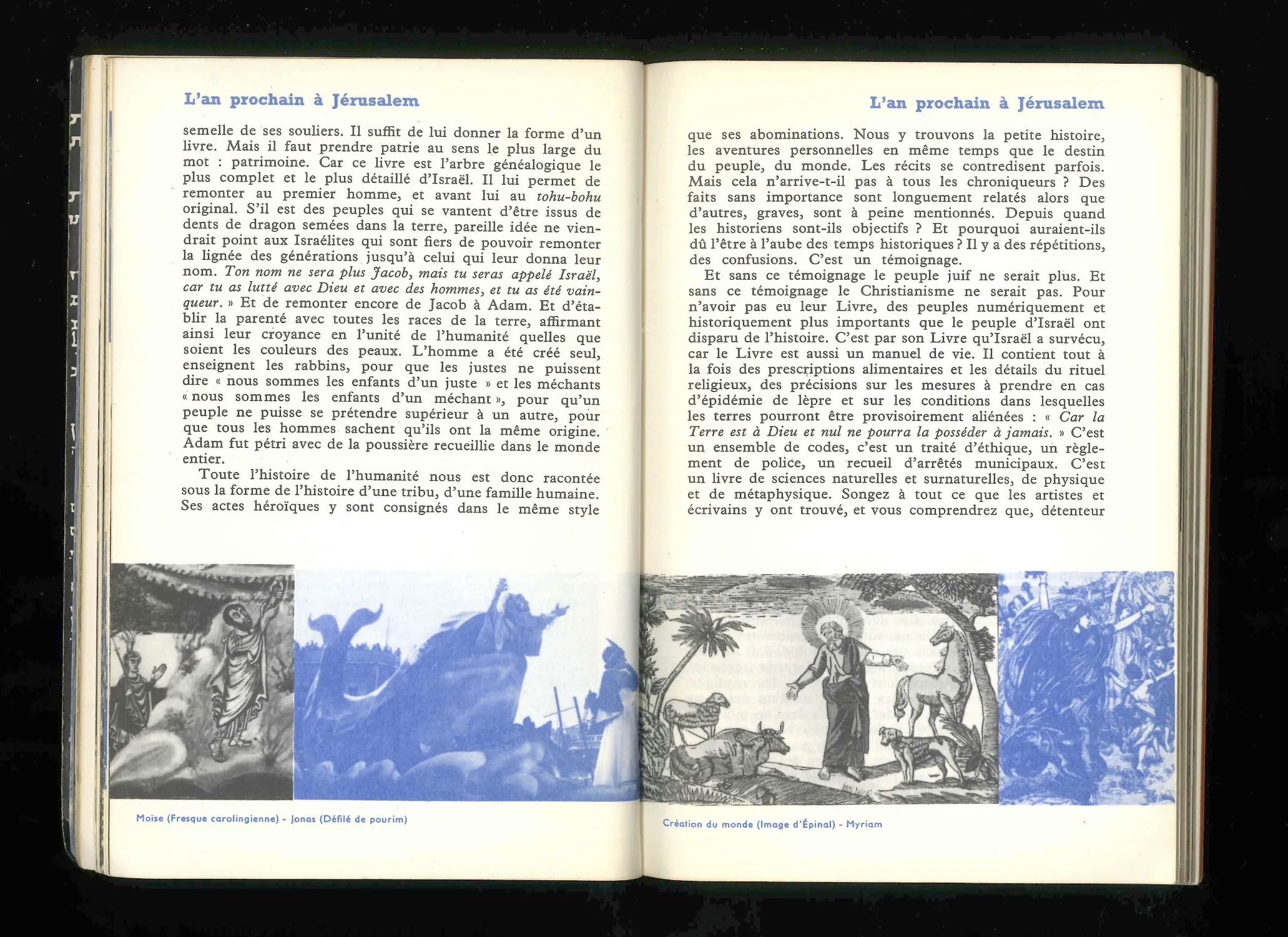
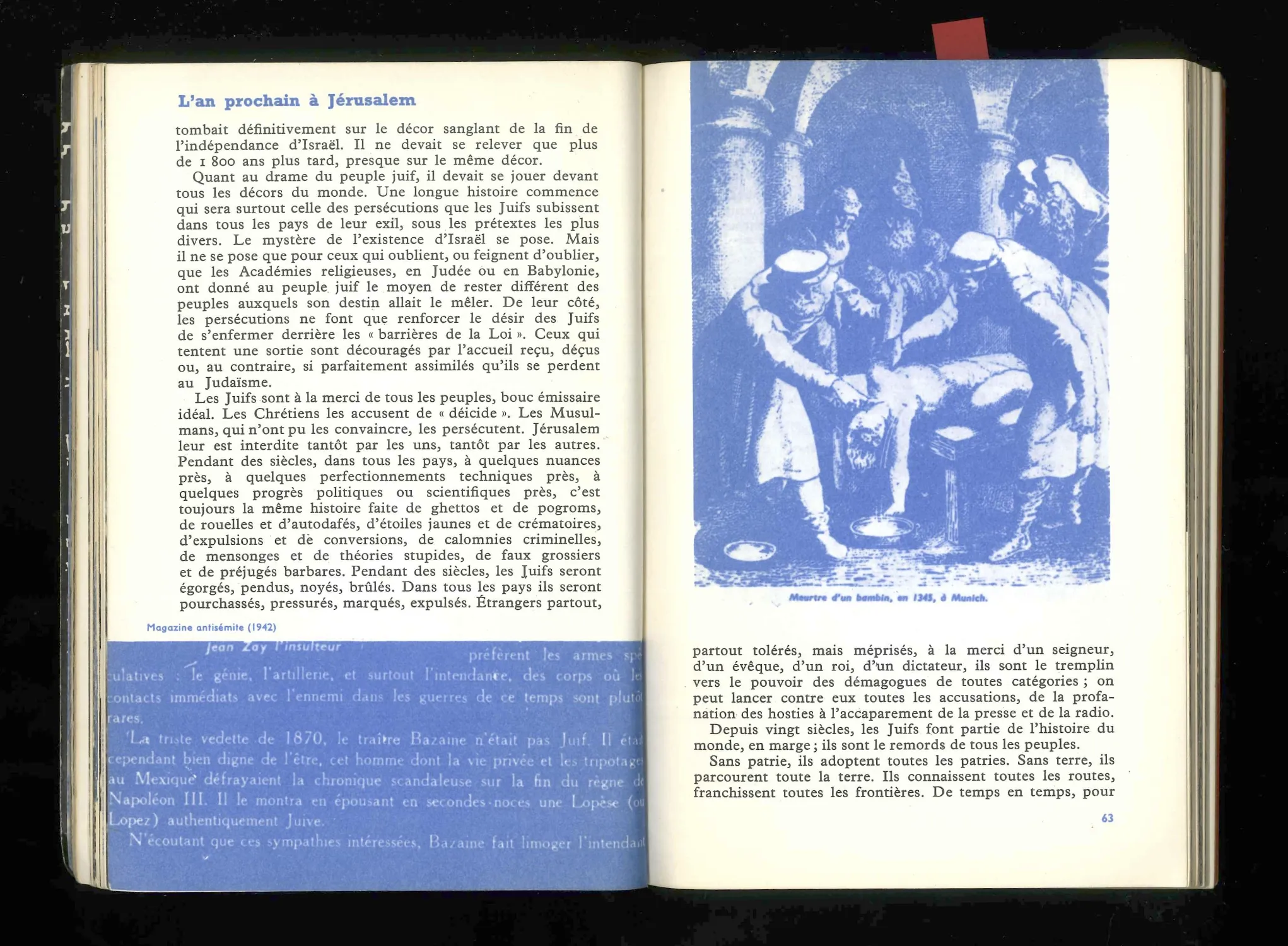
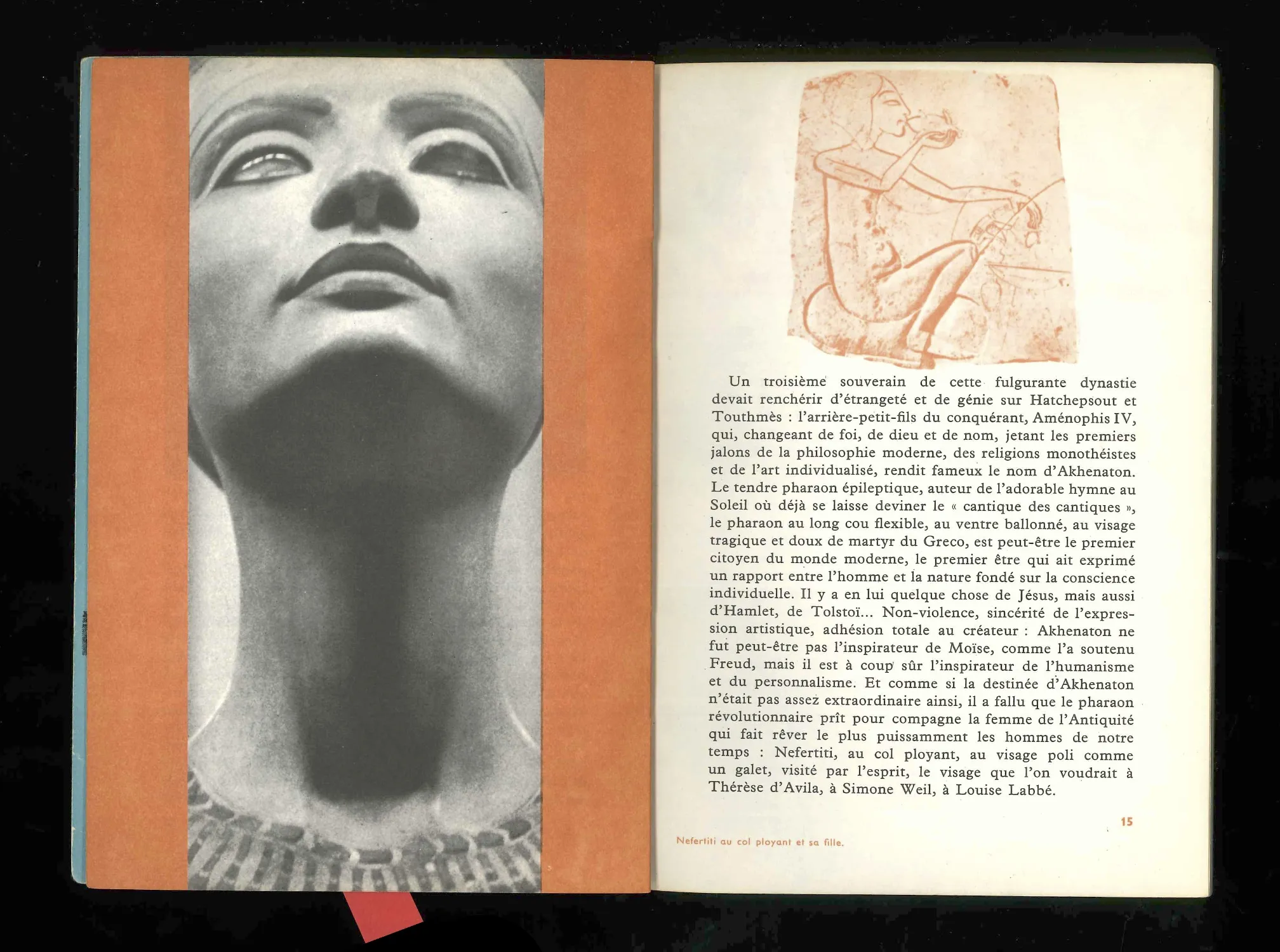
The particularity of the Club de la Femme is that its opening pages have a more explicitly documentary vocation. Thus, each book begins with an interview with the author, accompanied by visual documents linked to the life of the writer, their historical context, or to the narrative itself — for instance, images taken from film adaptations, a material that most of the clubs’ graphic designers appreciated.
Most of the interviews were previously unpublished and commissioned by Rombaldi without the interviewer being credited. Could they have been conducted by the collection’s director, Louis Pauwels?
When the author was dead or unable to express themselves, another person, usually a novelist or a writer, was interviewed about their work. Thus, Willy de Spens talks about the work of François Mauriac in the introductory section of Nœud de vipères, Pierre Mac Orlan evokes Albert Vidalie in Les Bijoutiers du clair de Lune, and René Ballet speaks about Roger Vaillant in the introduction to Les Mauvais Coups. In the latter, the interview is headed by a colored photograph depicting the two friends sat in deck chairs in a garden. The discursive registers sometimes multiply: the Cercle du bibliophile edition of Antoine Blondin’s Les Enfants du bon Dieu opens with an autobiographical text by the author as an answer to the question: “What have you done with your life?”, followed by a testimony by Marcel Déon, then by a short analysis by Kleber Haedens. These intersecting perspectives outline a certain social landscape and friendship network of the French Republic of Letters during the post-war economic boom.
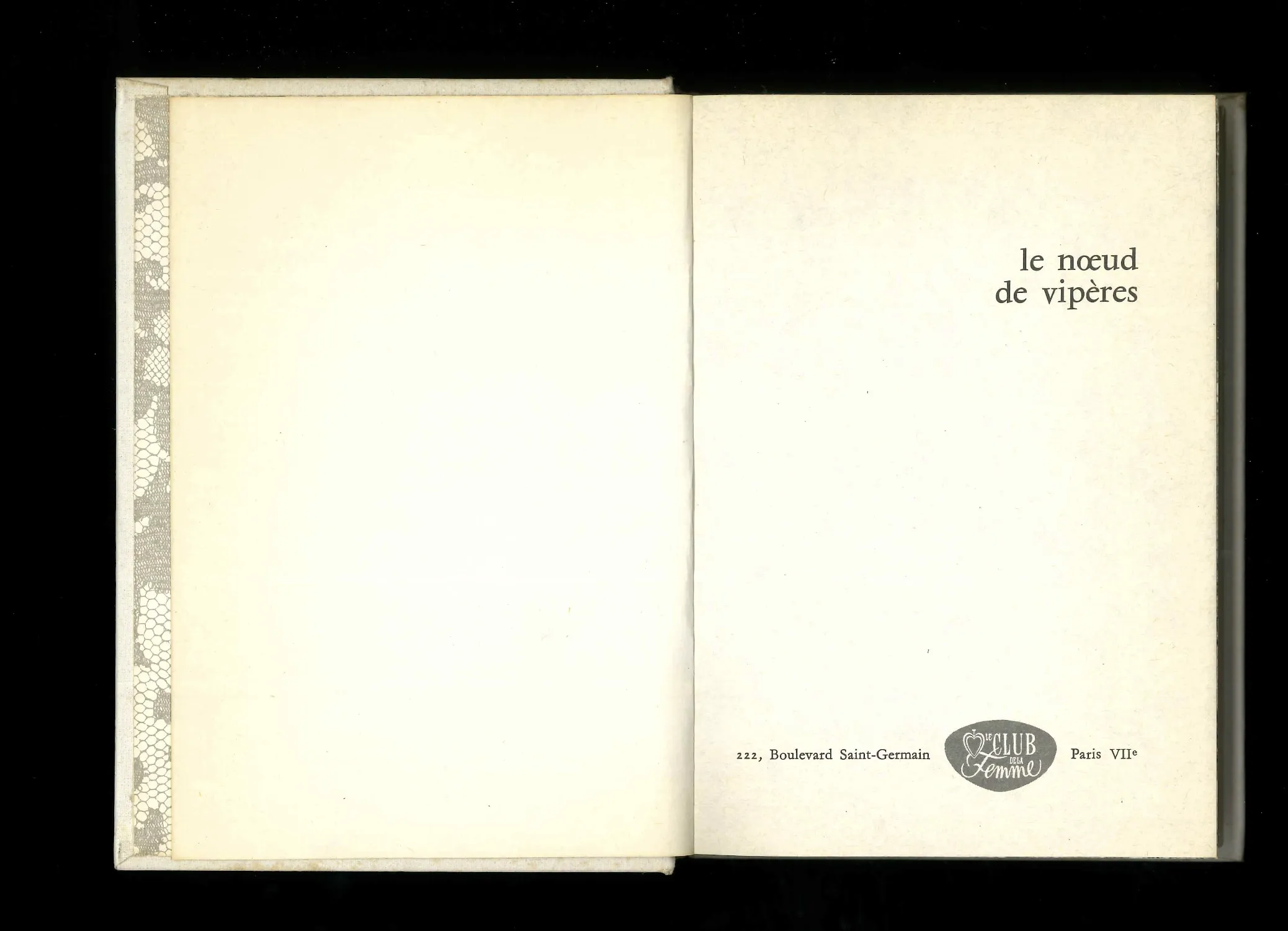
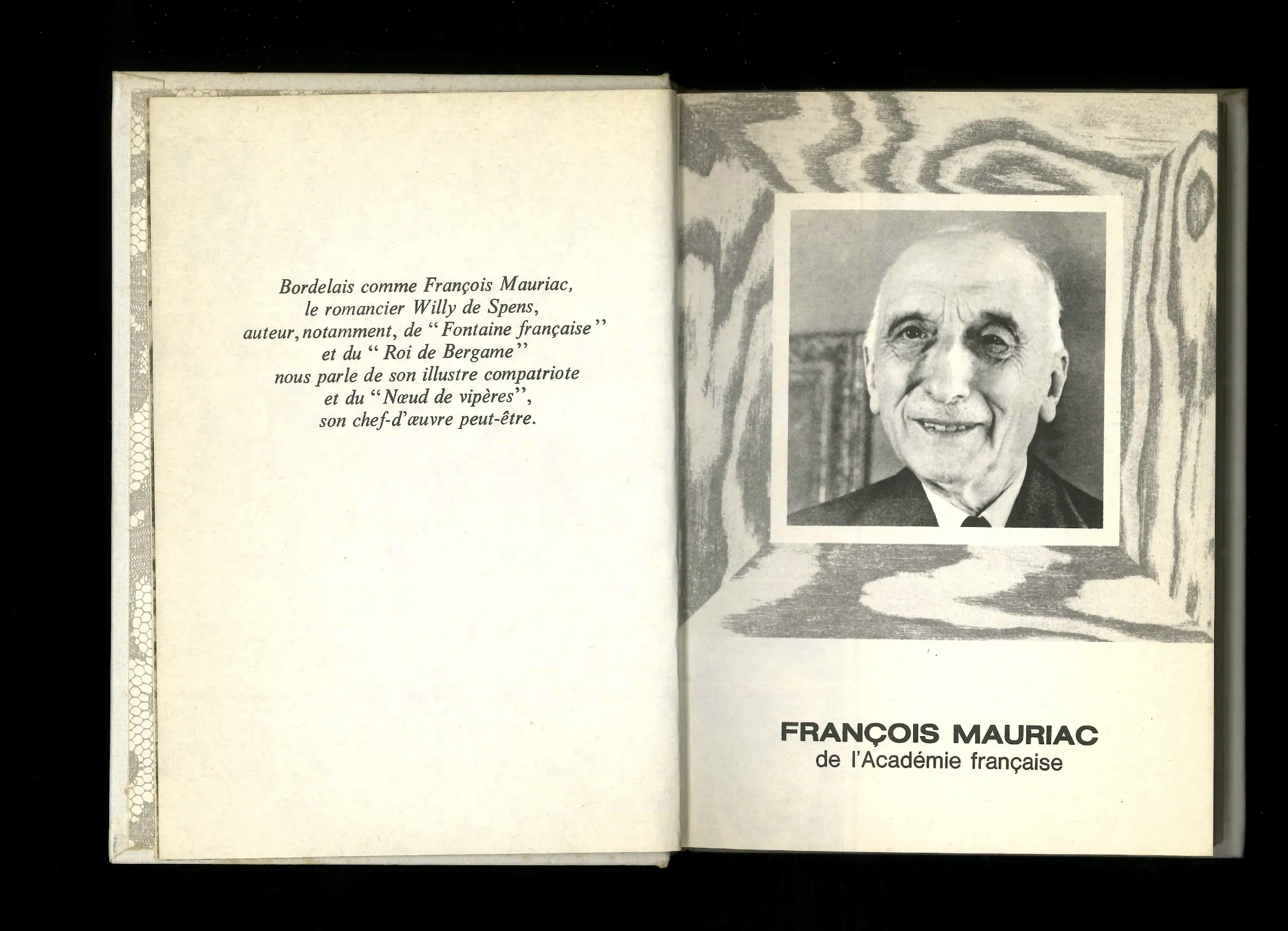
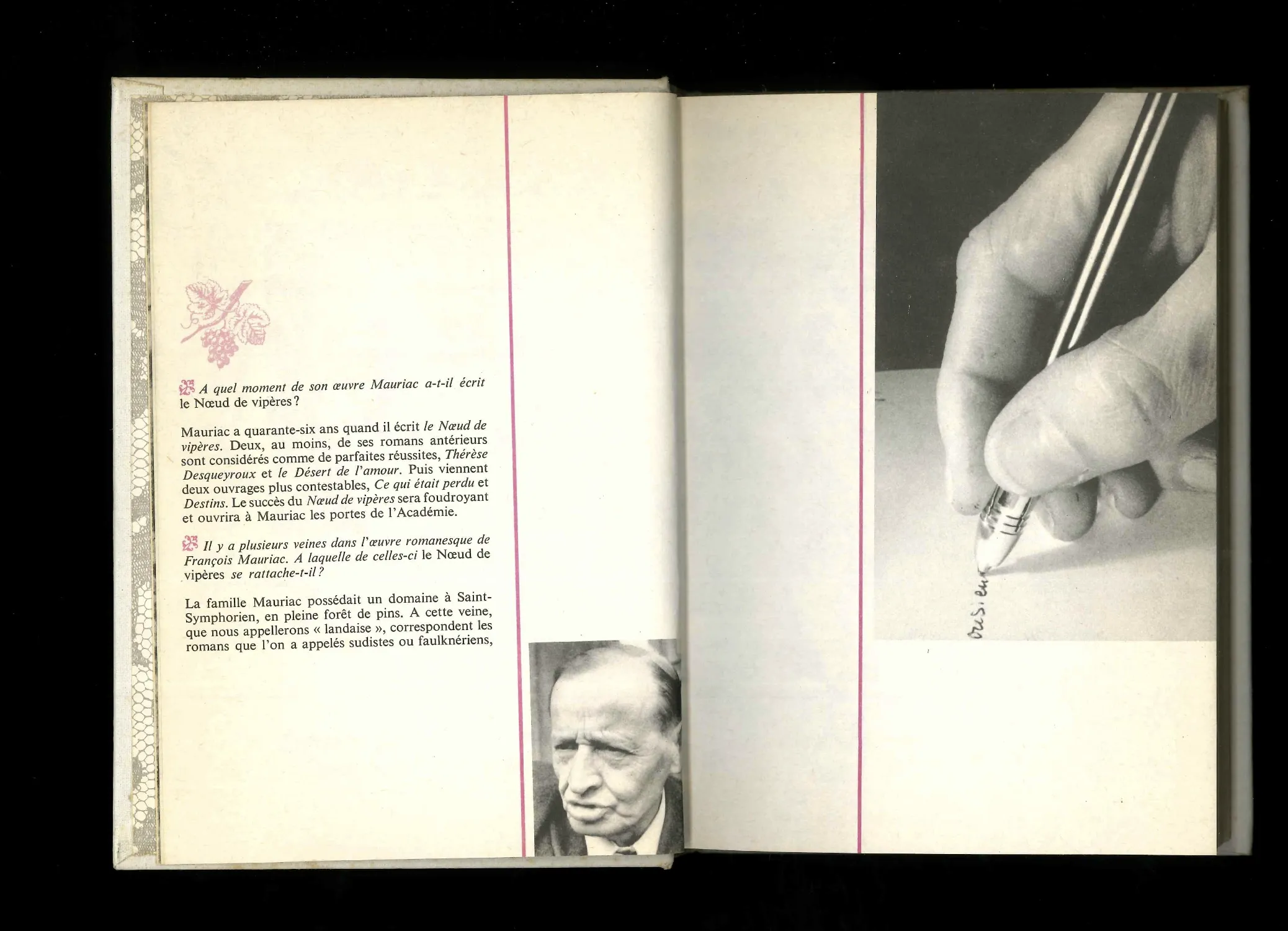
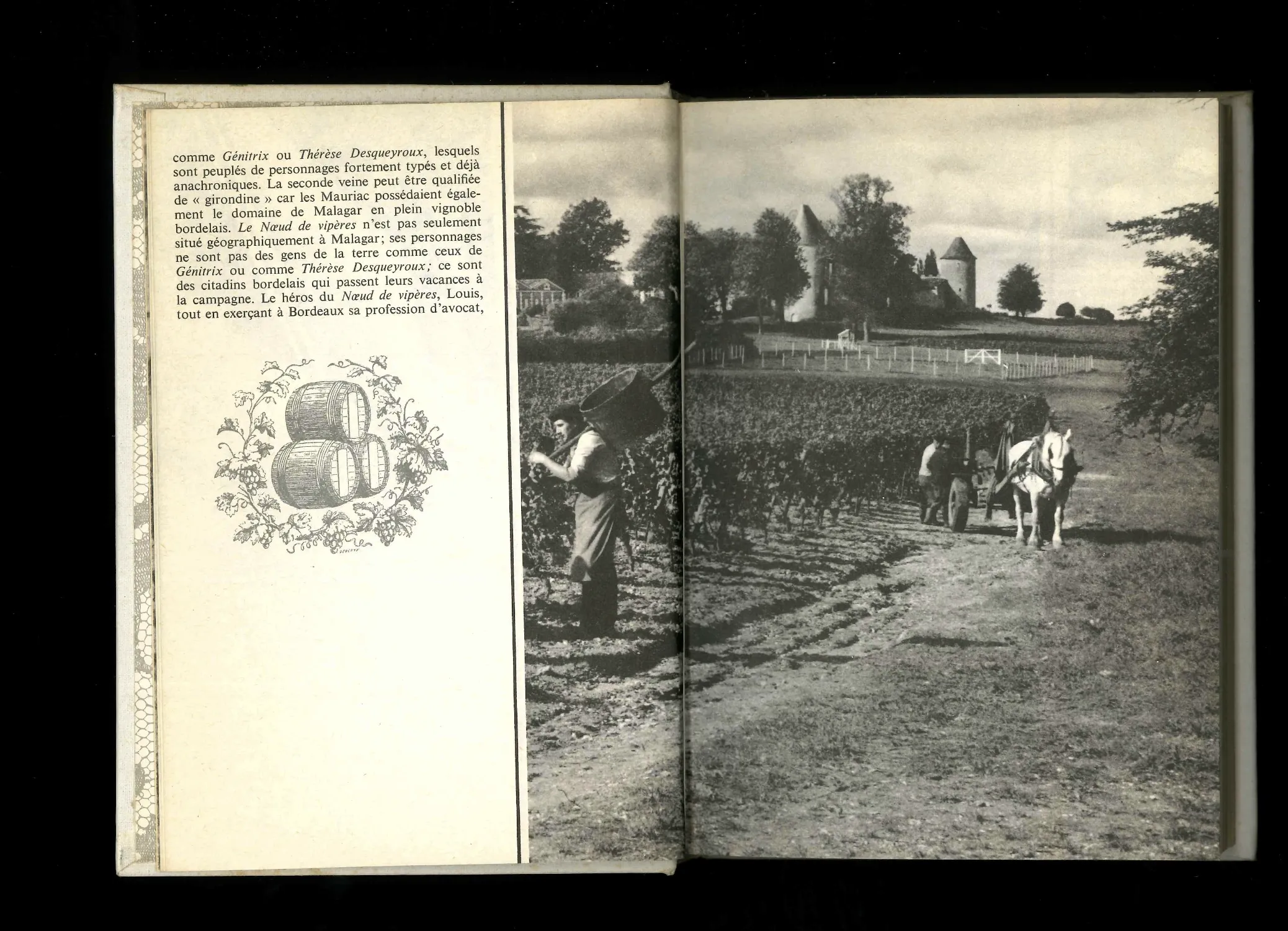
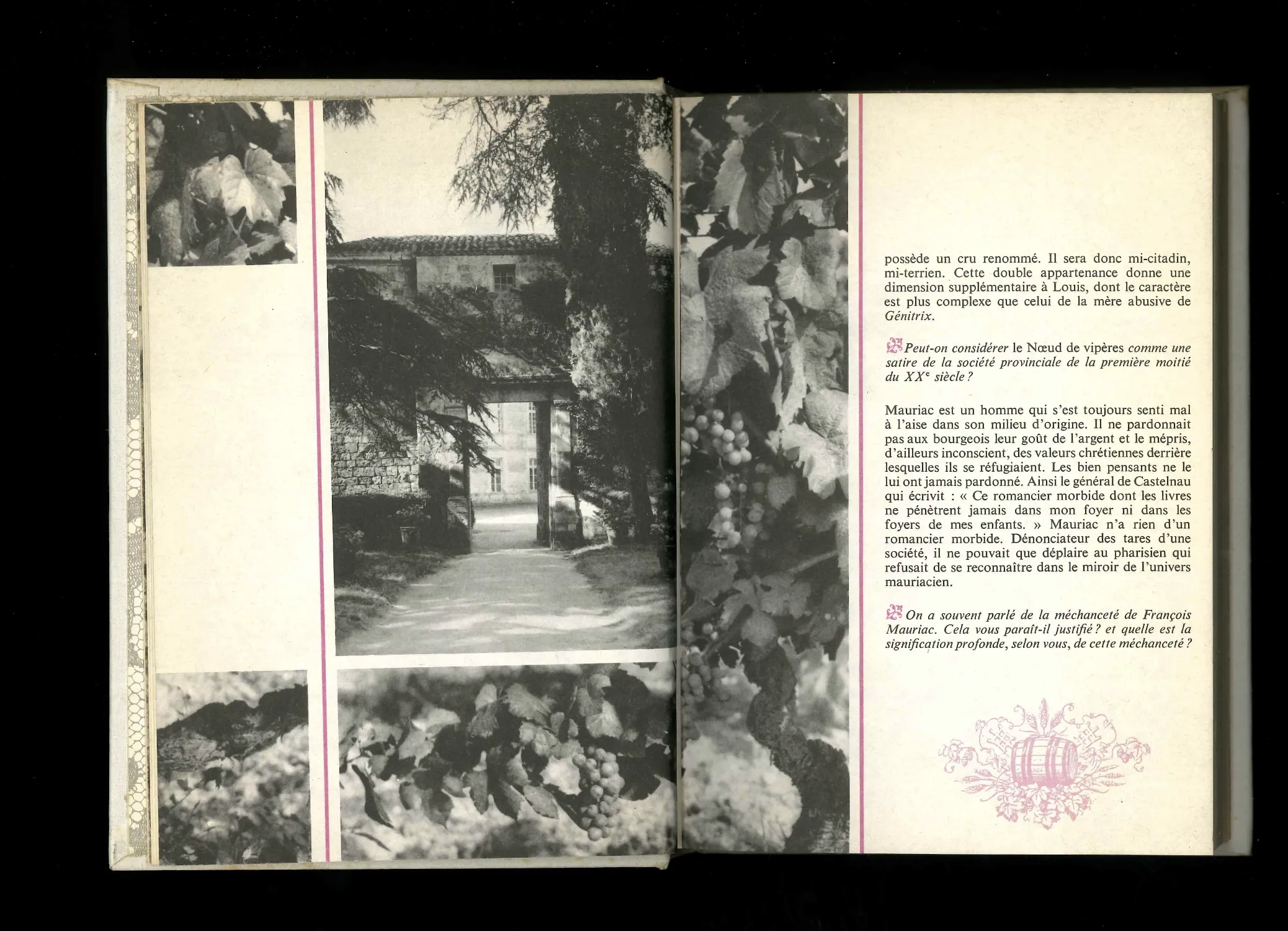
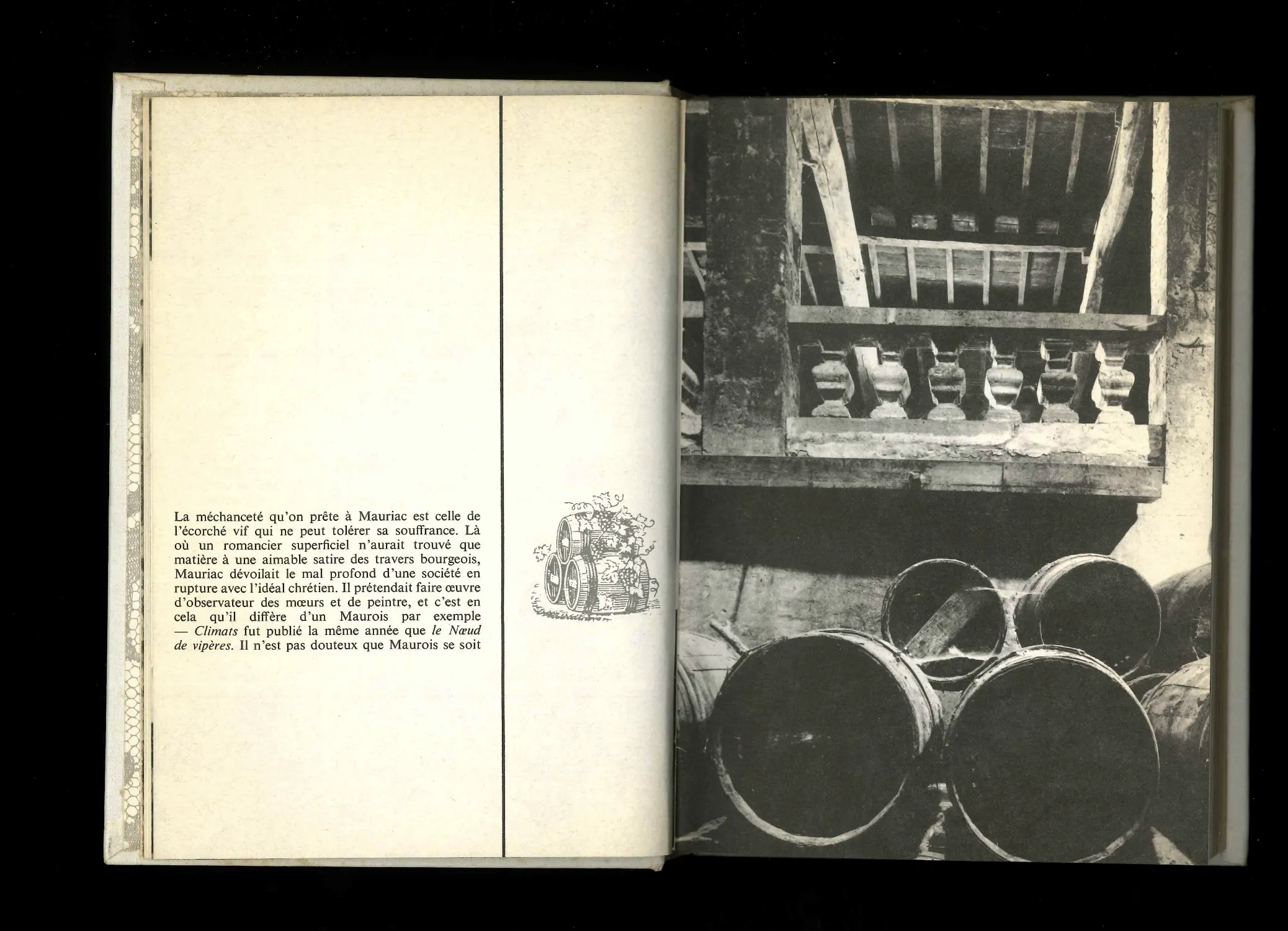
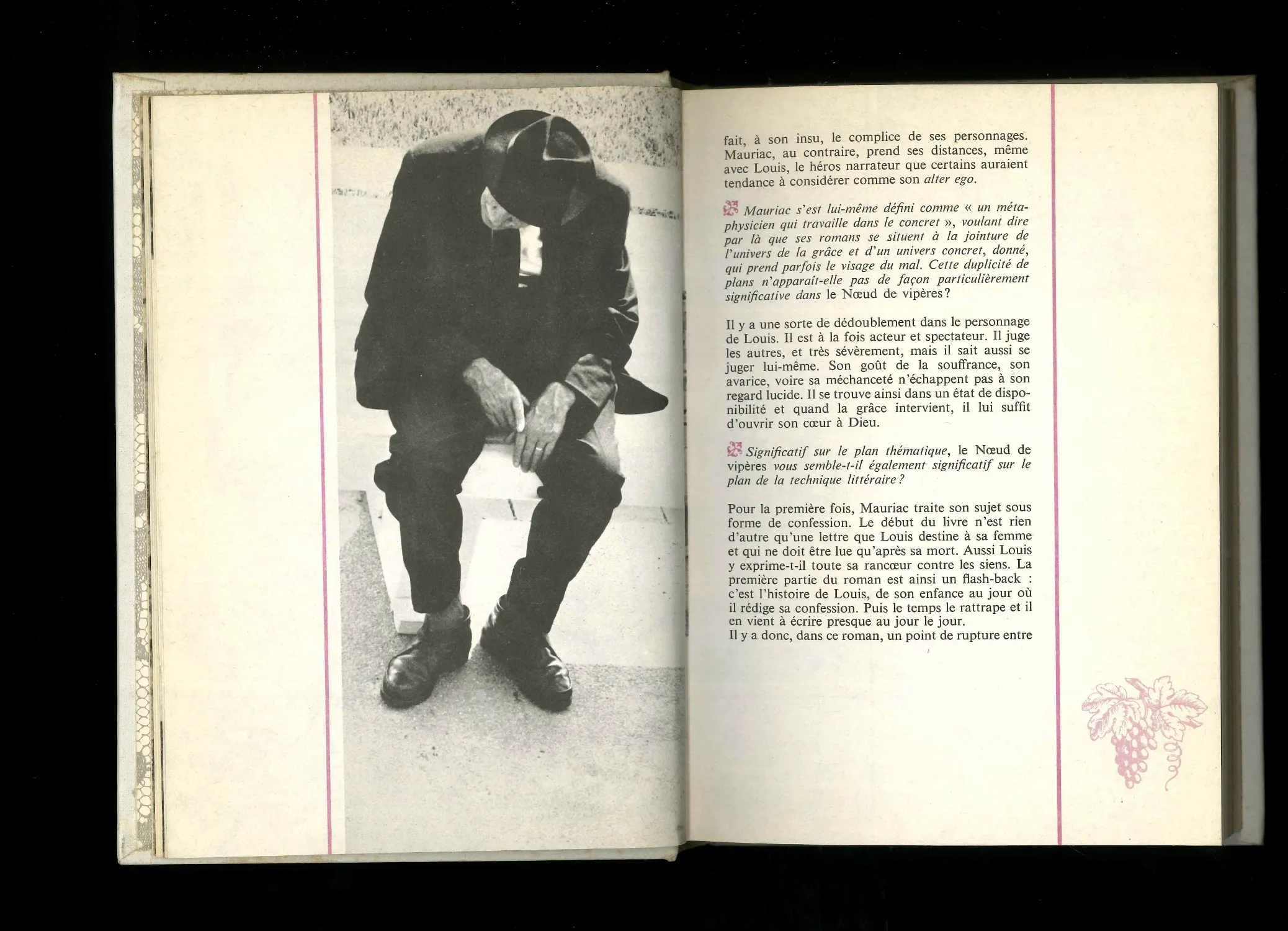
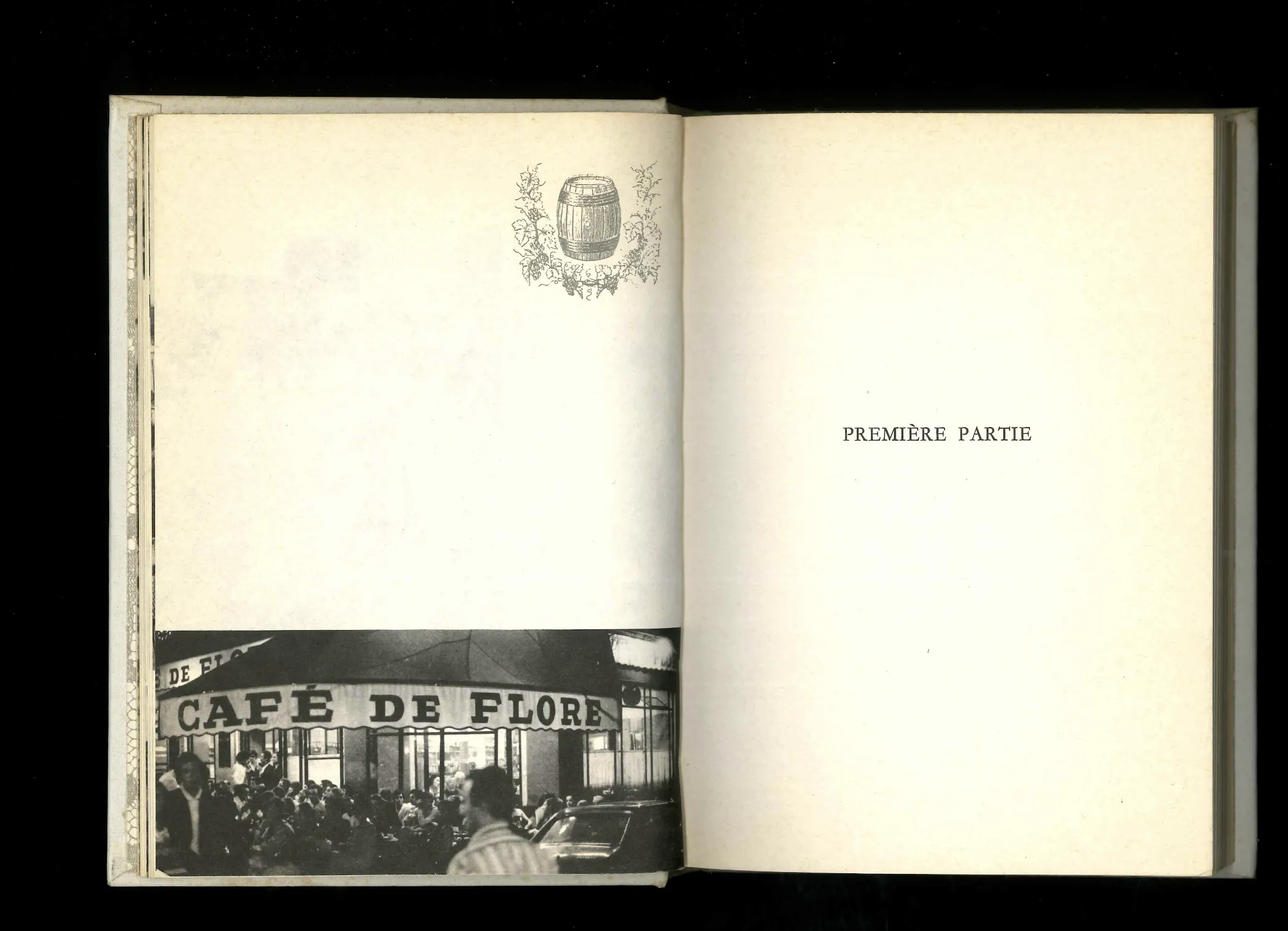
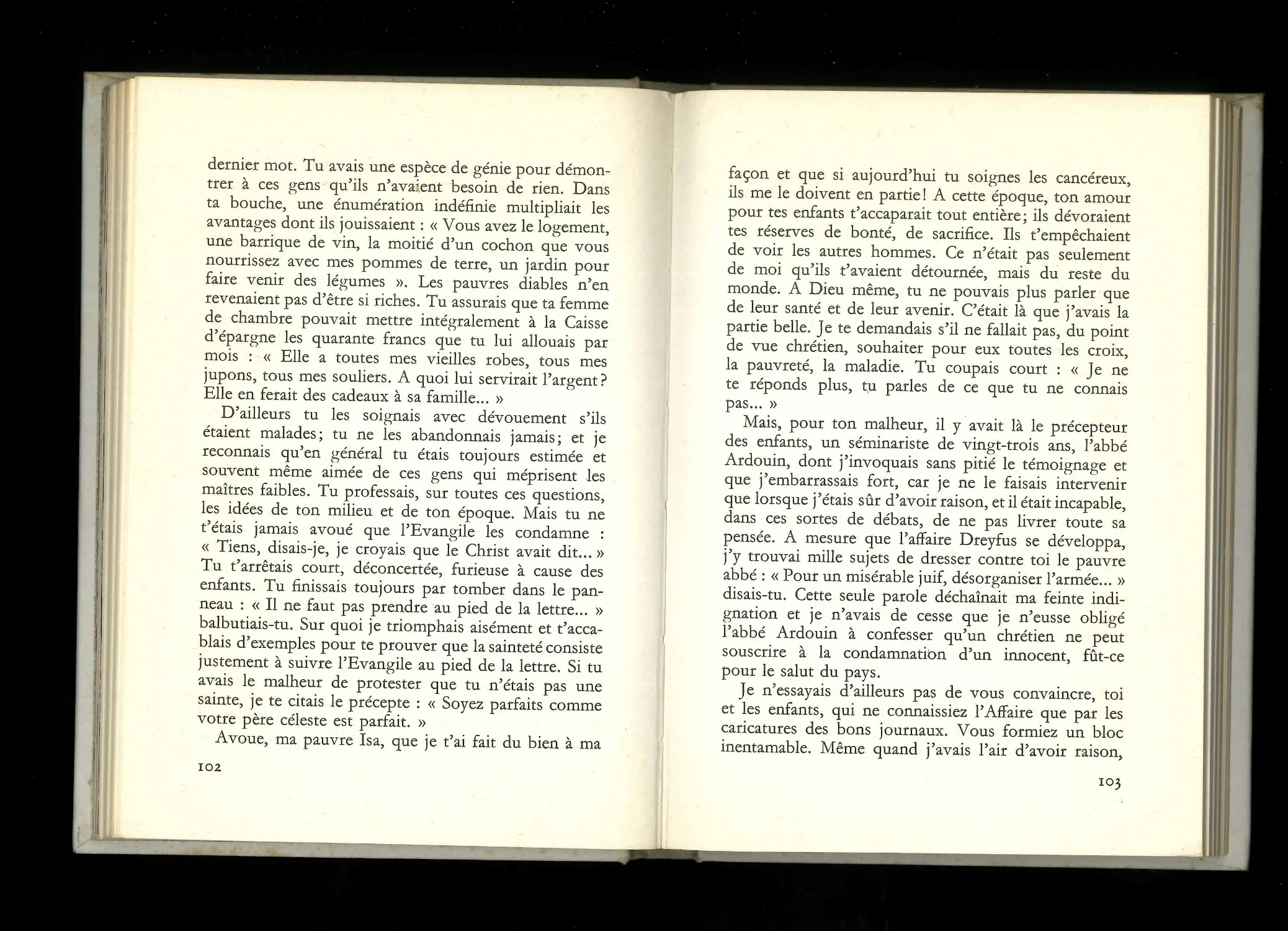
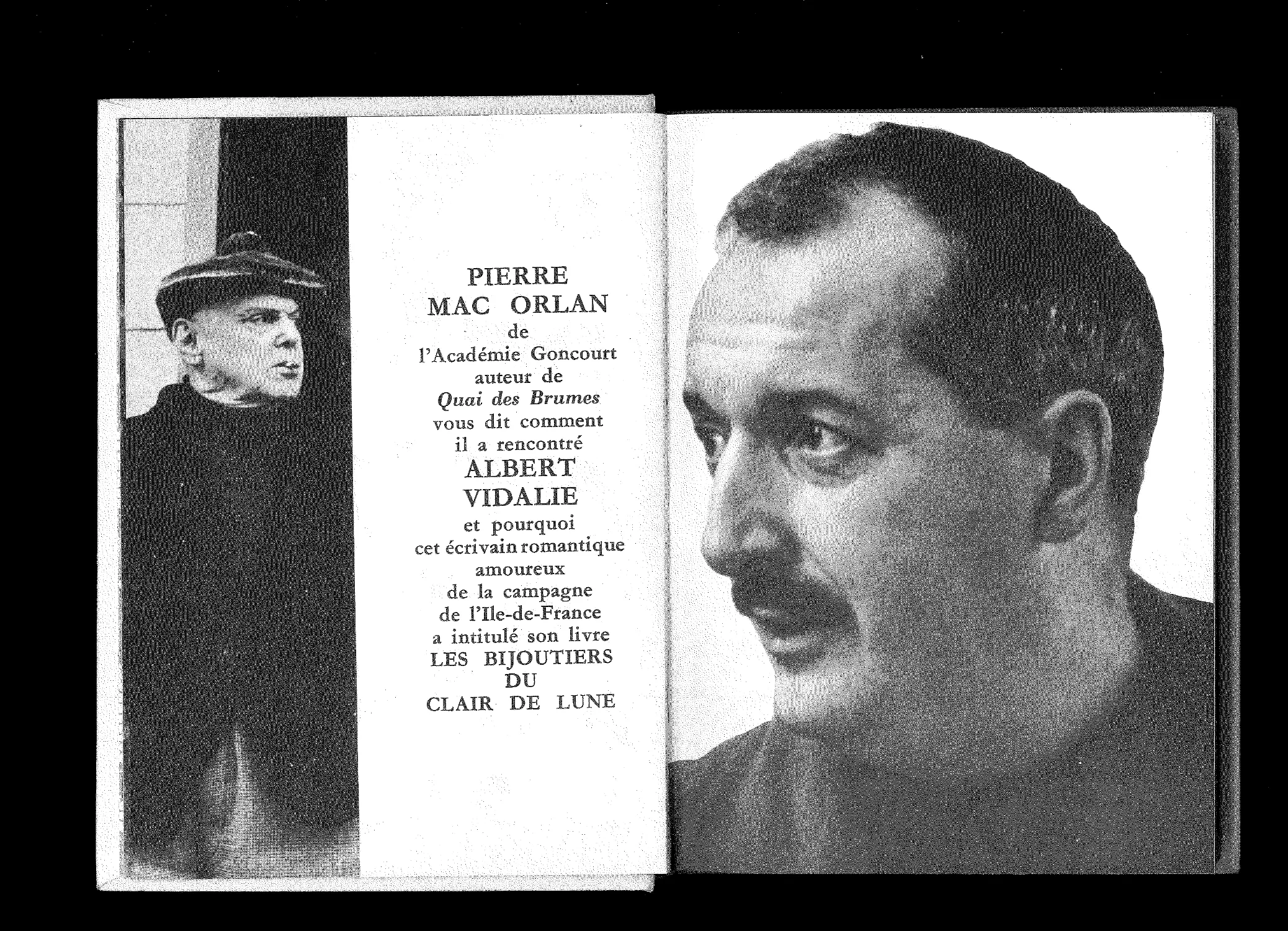

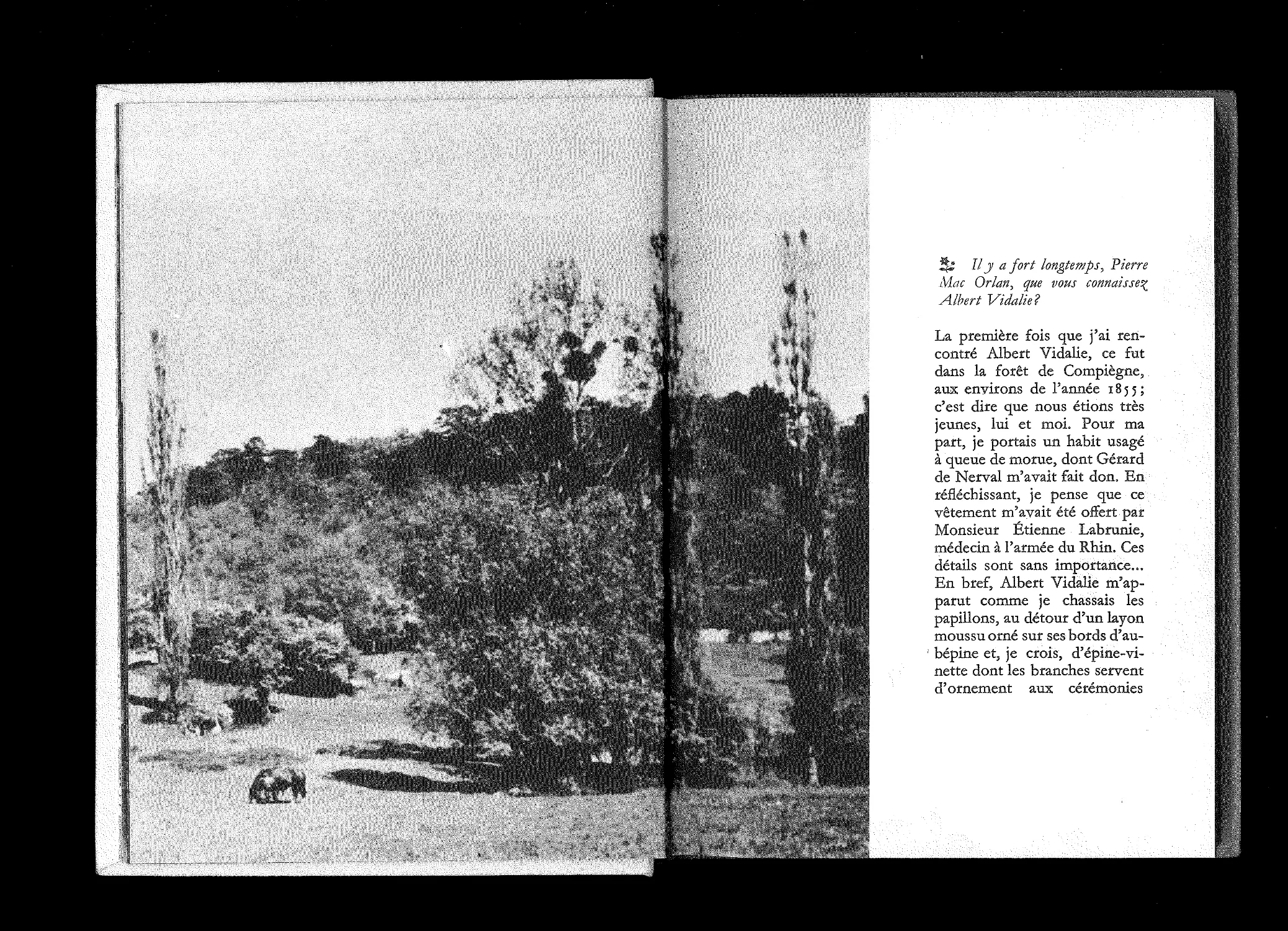


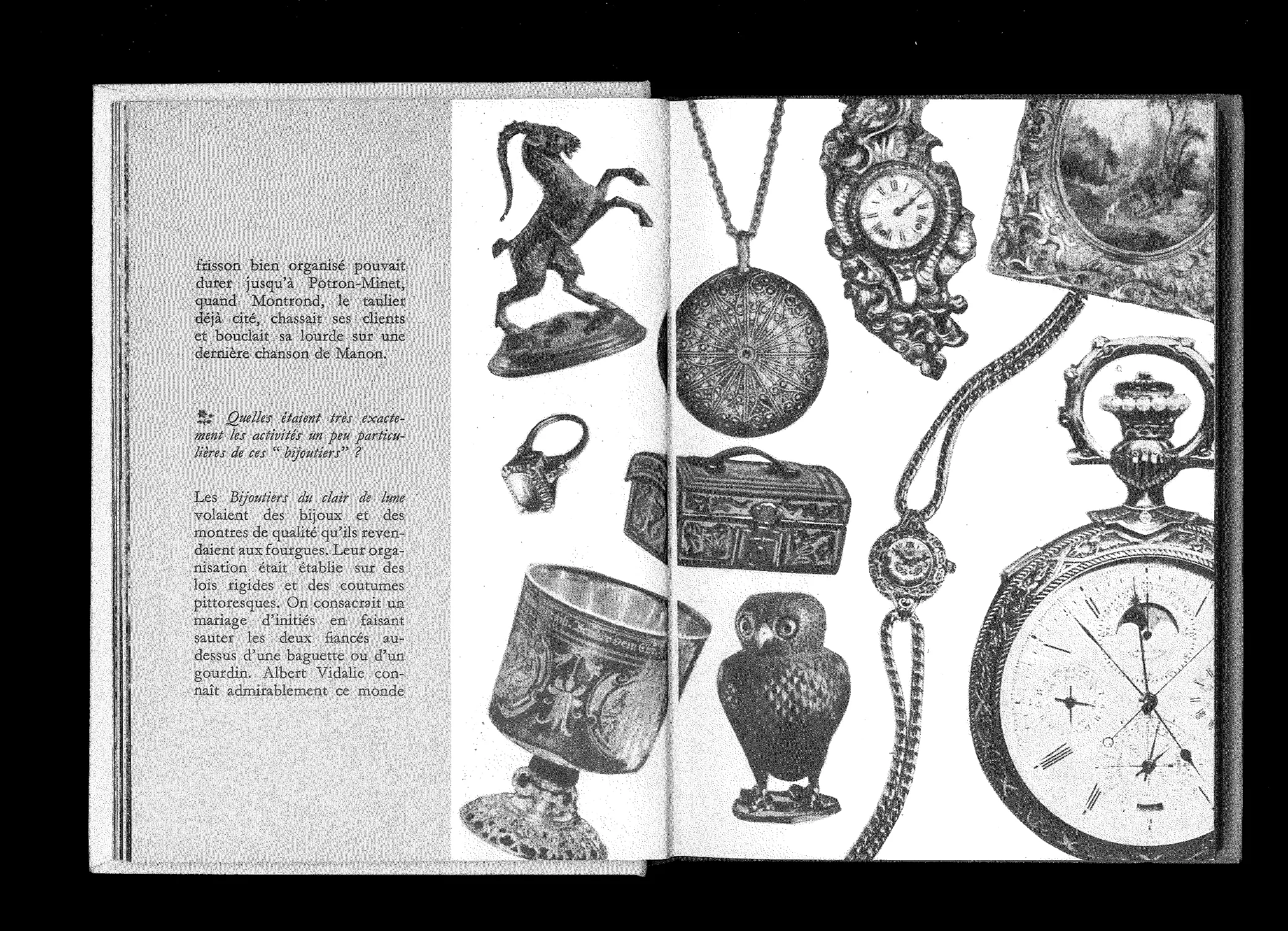
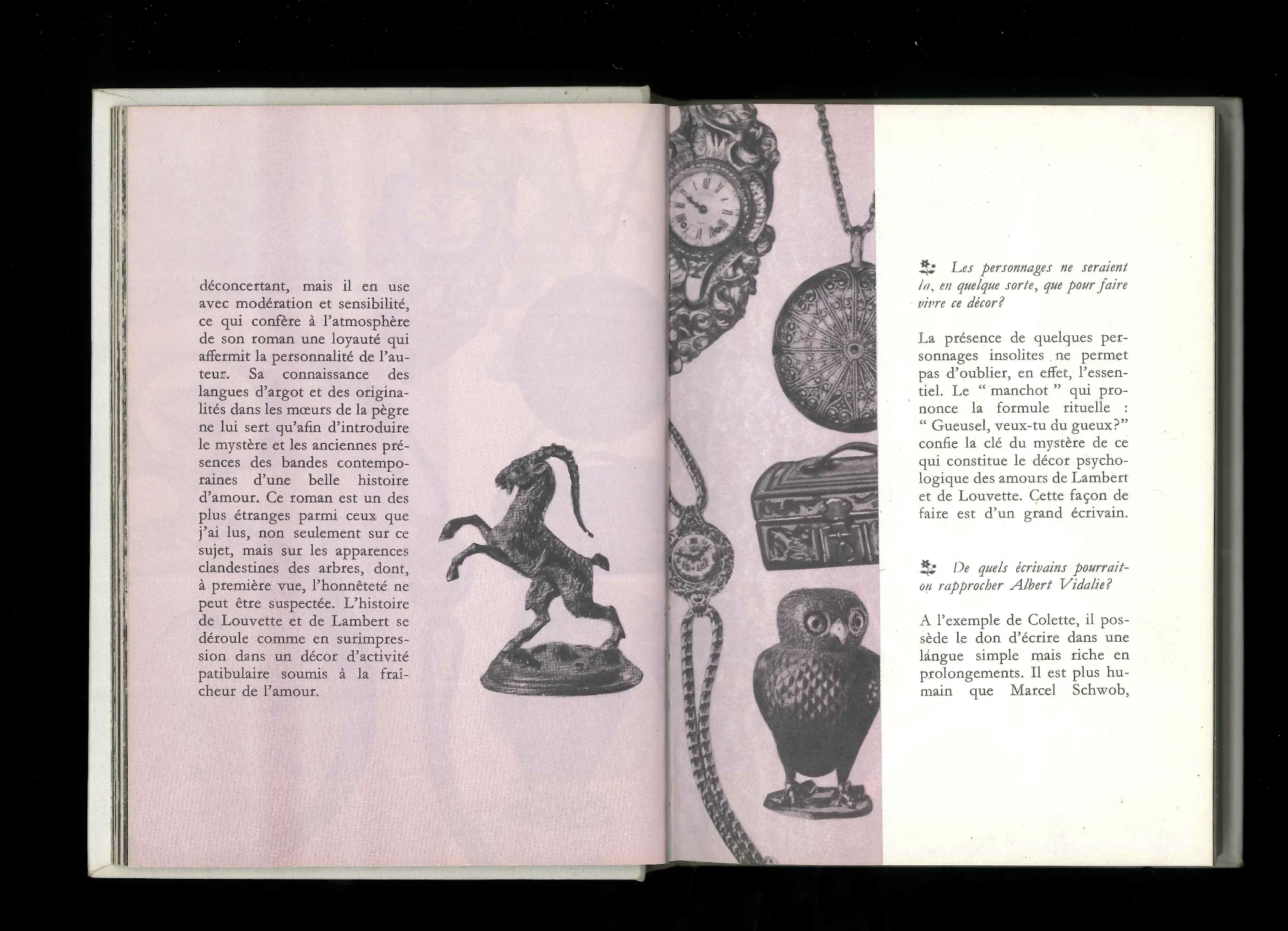

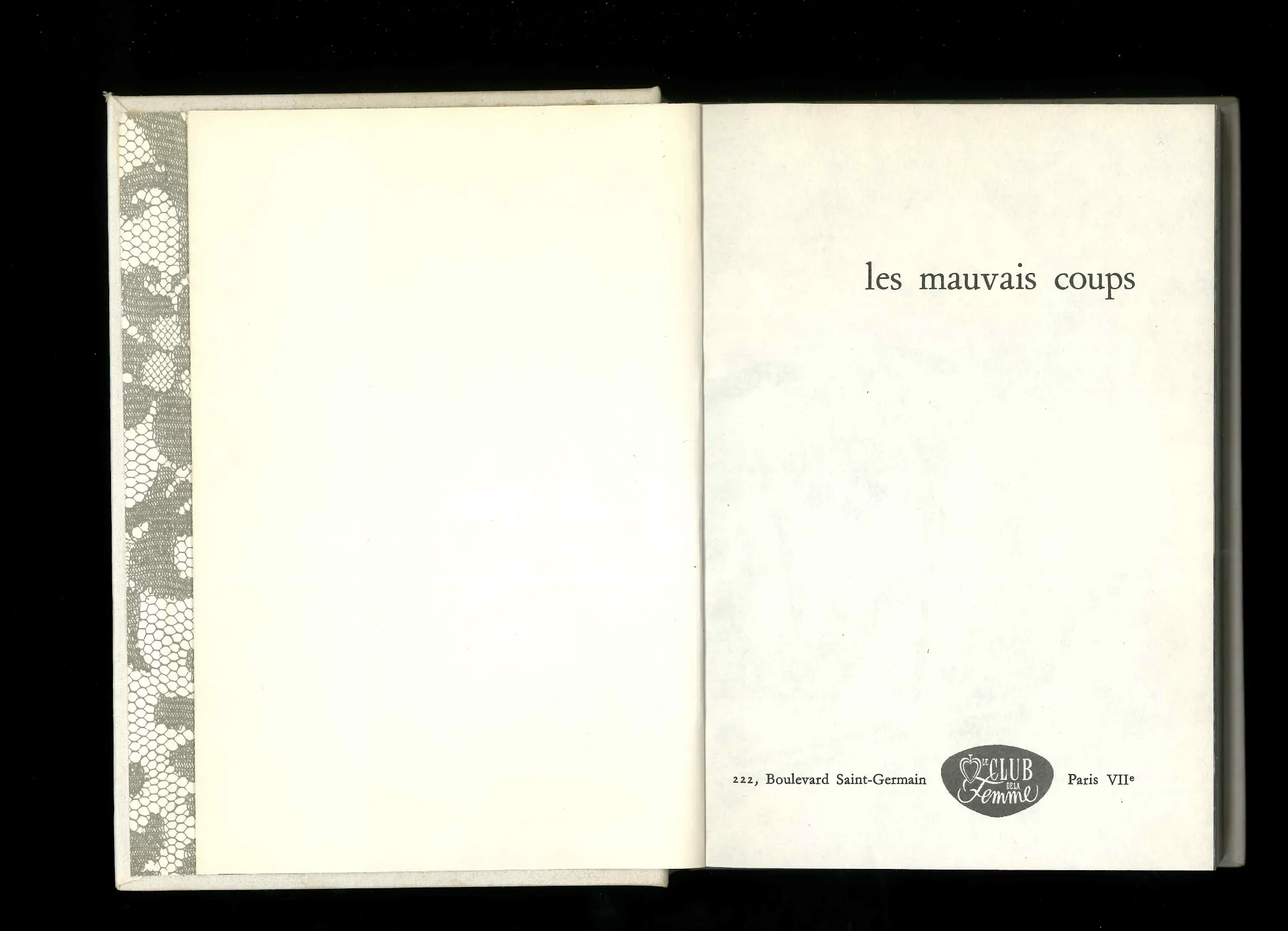
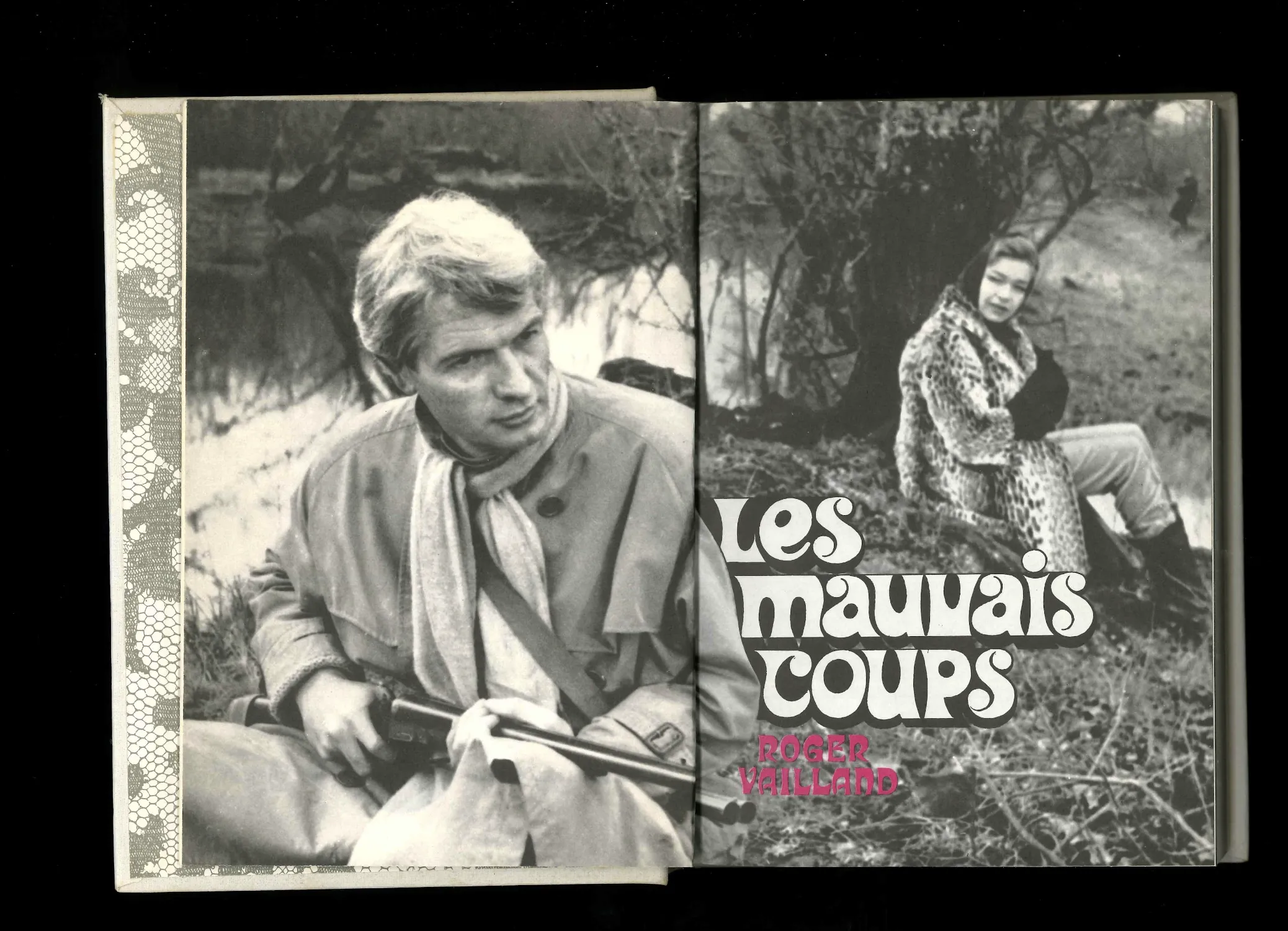

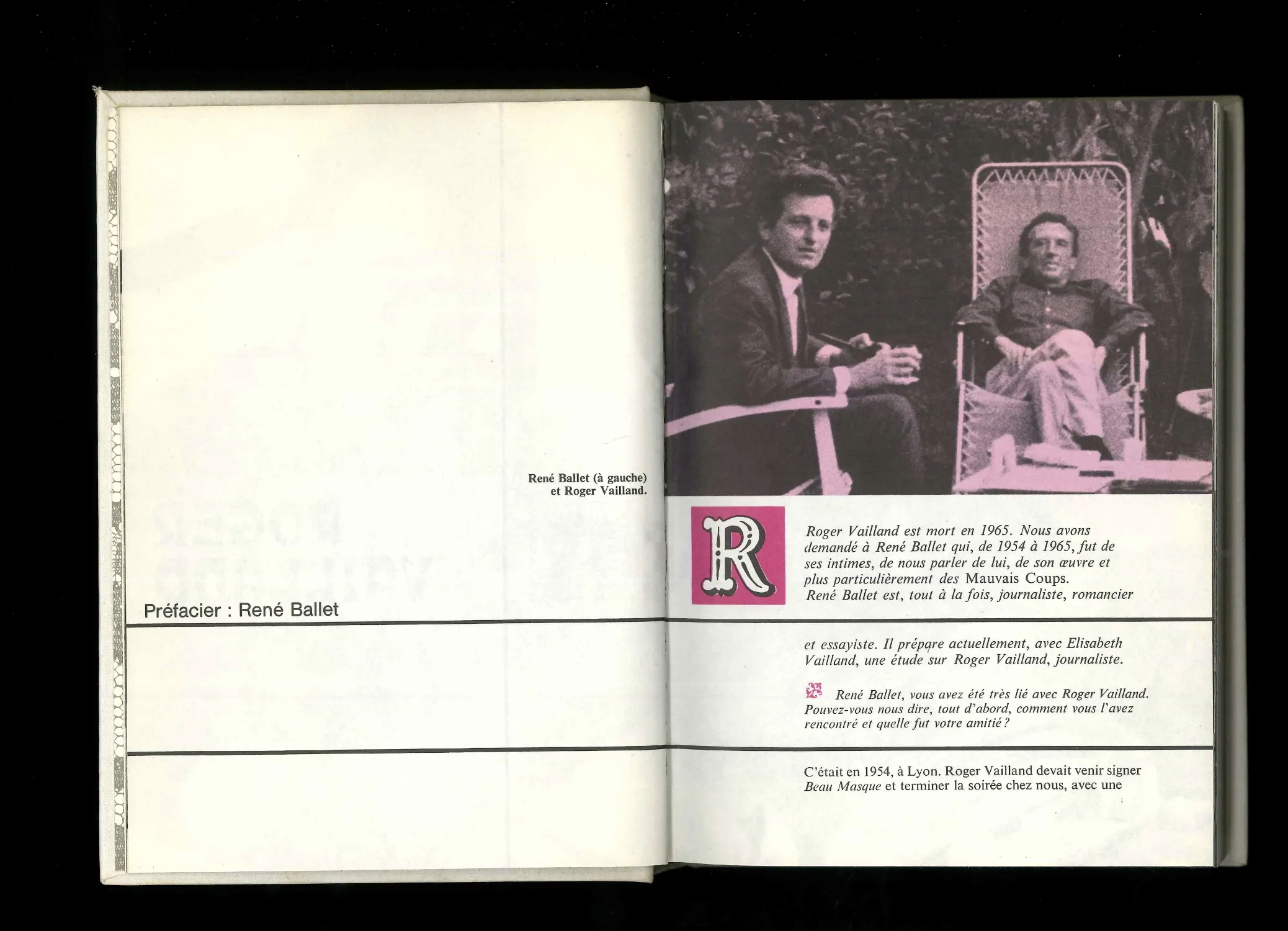
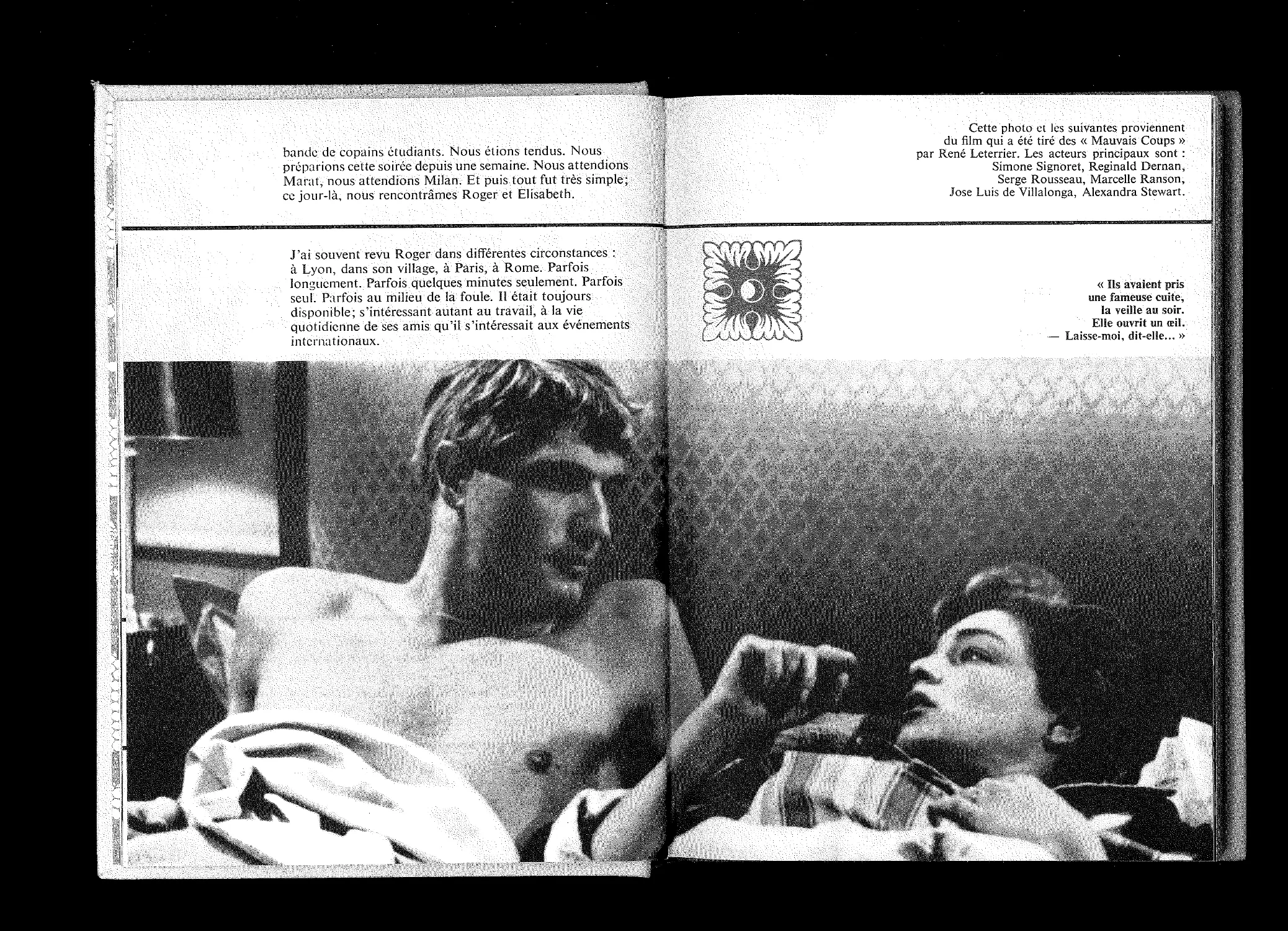
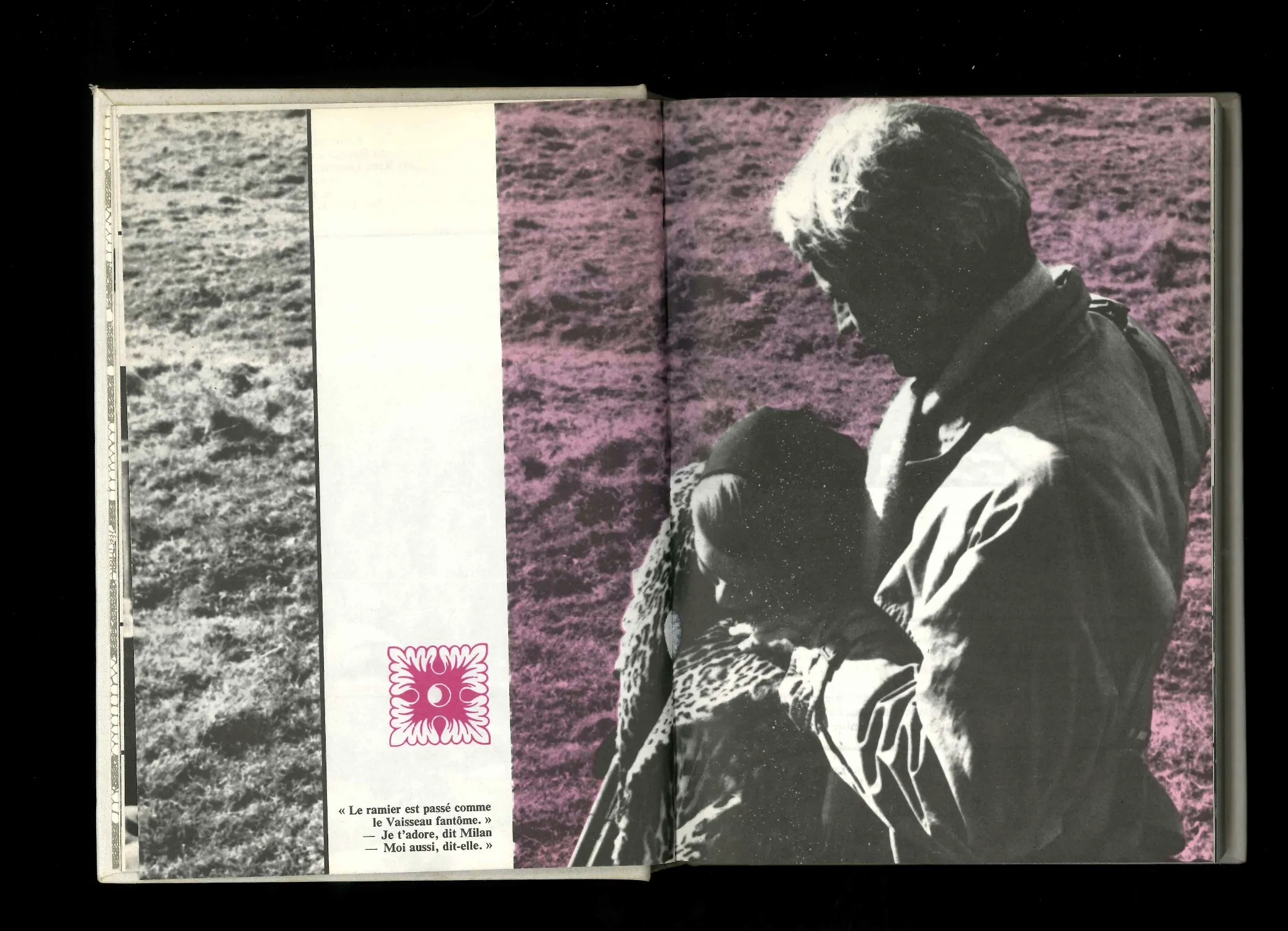
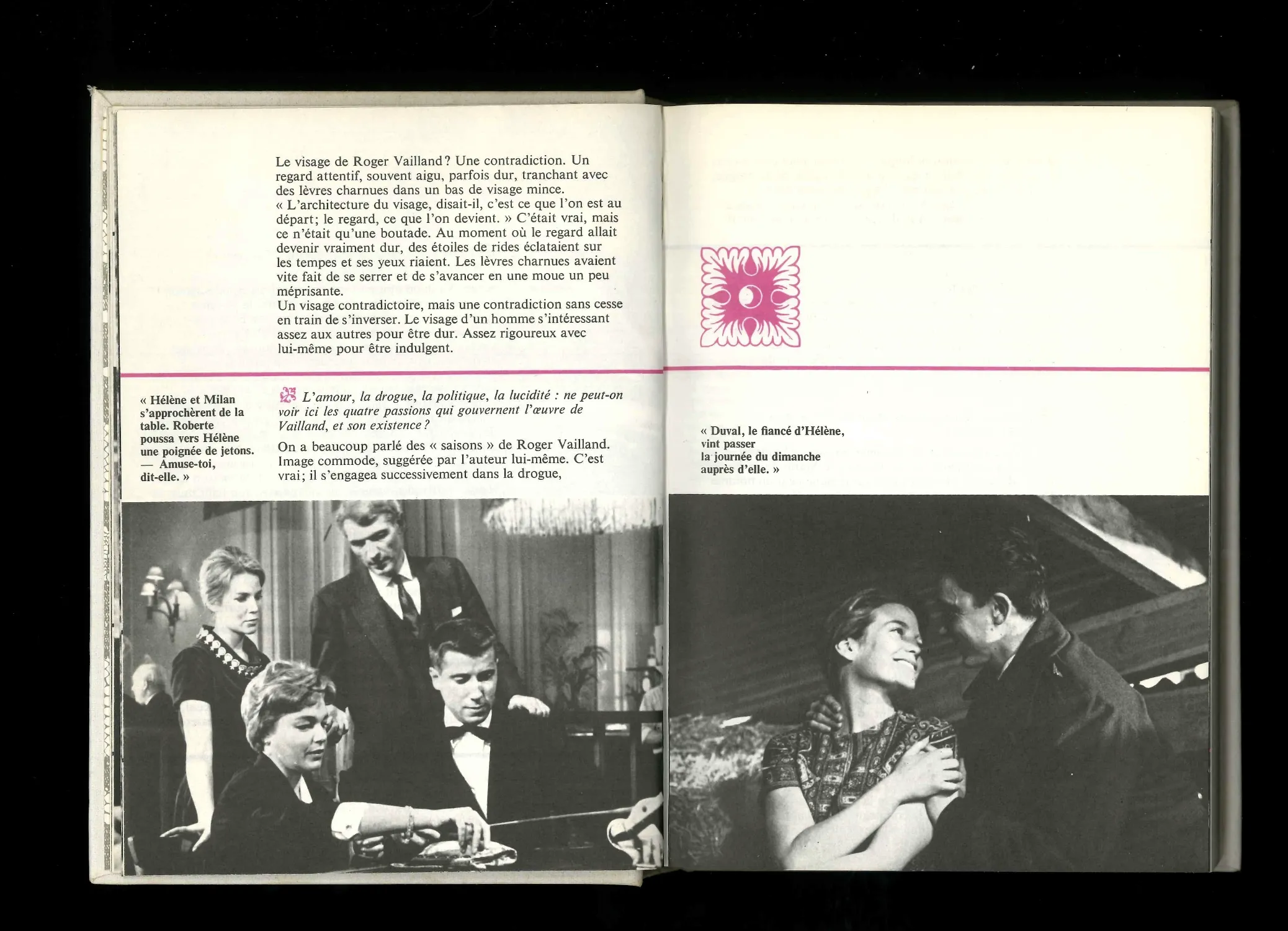
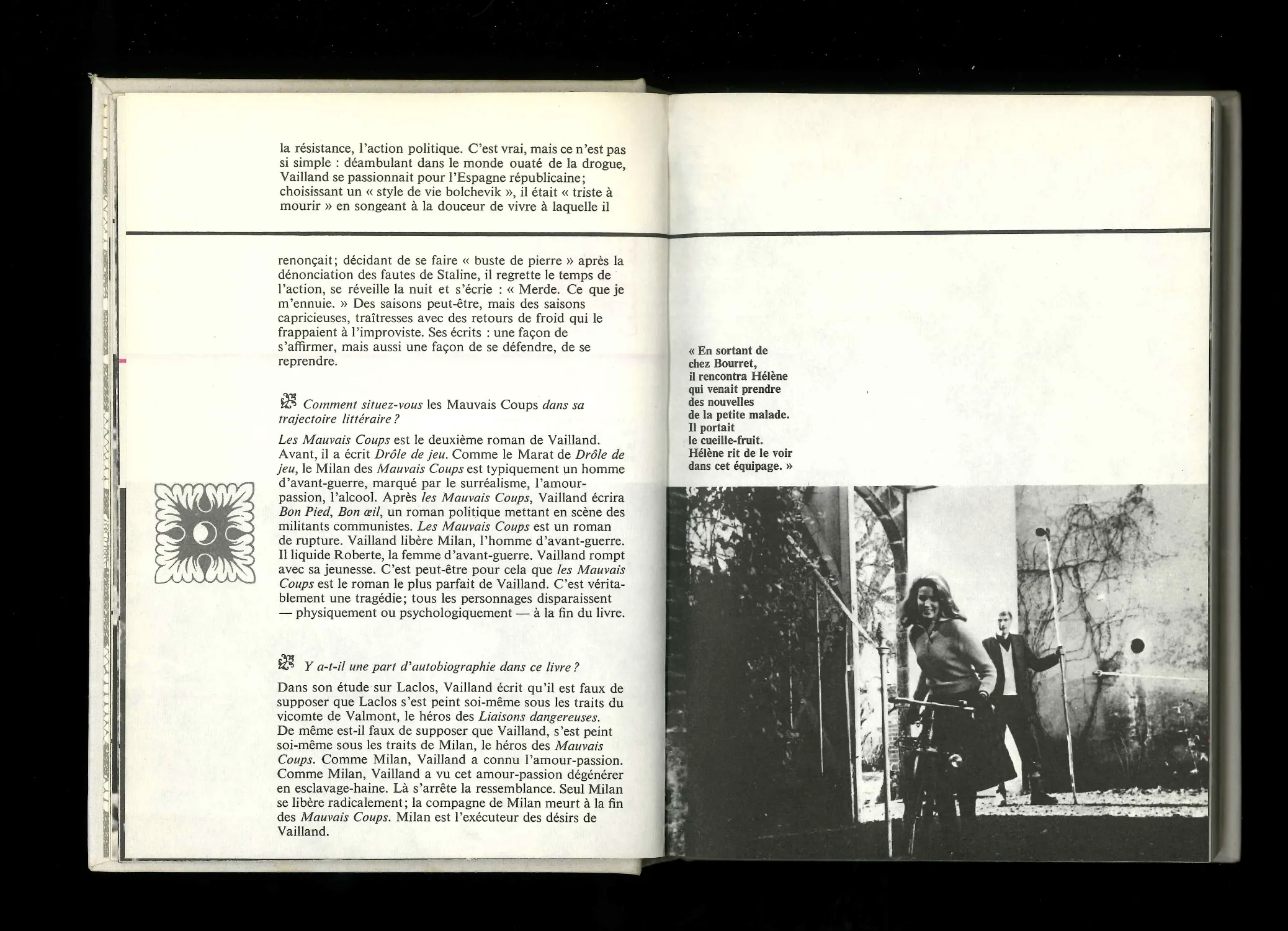
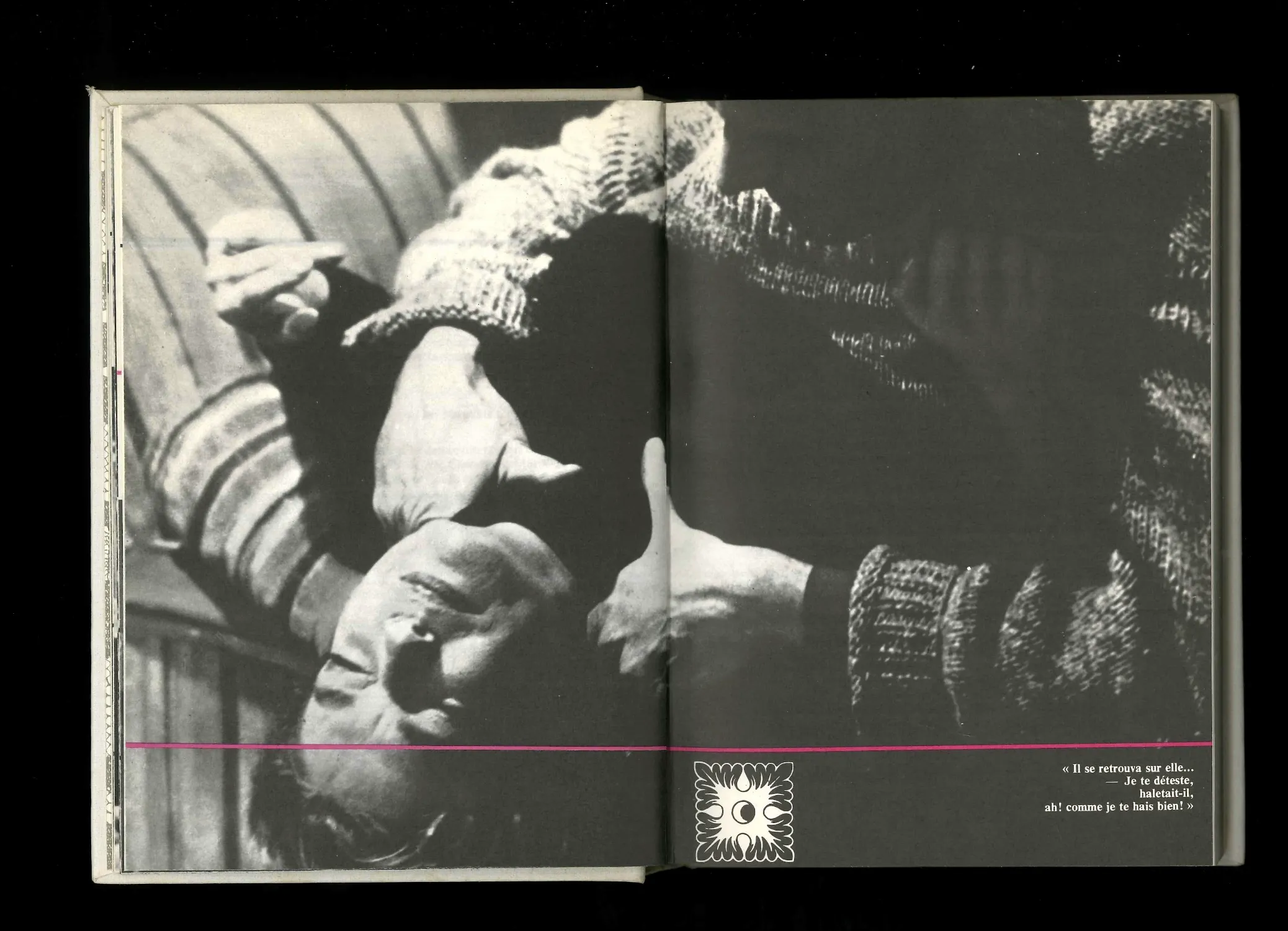
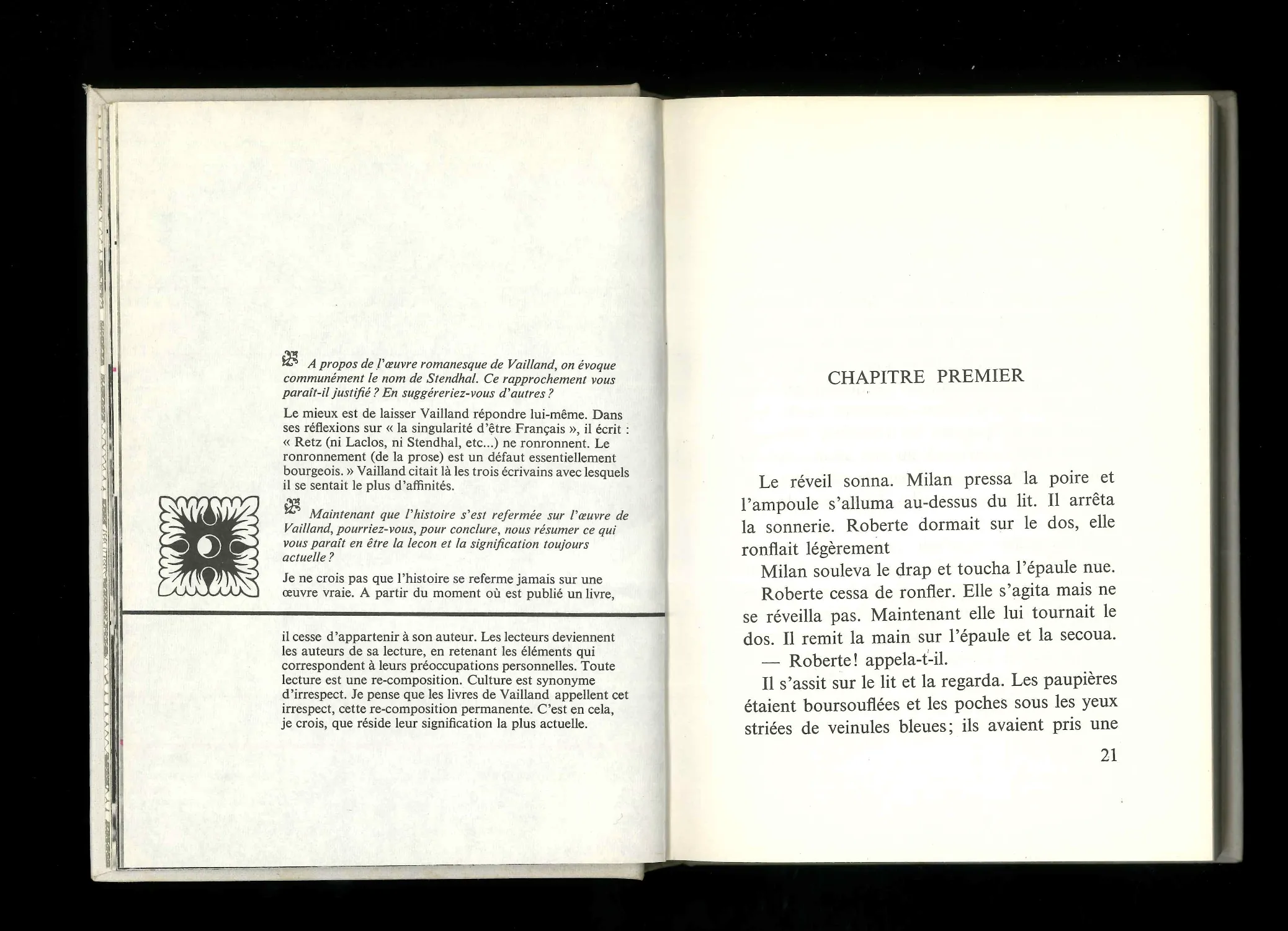
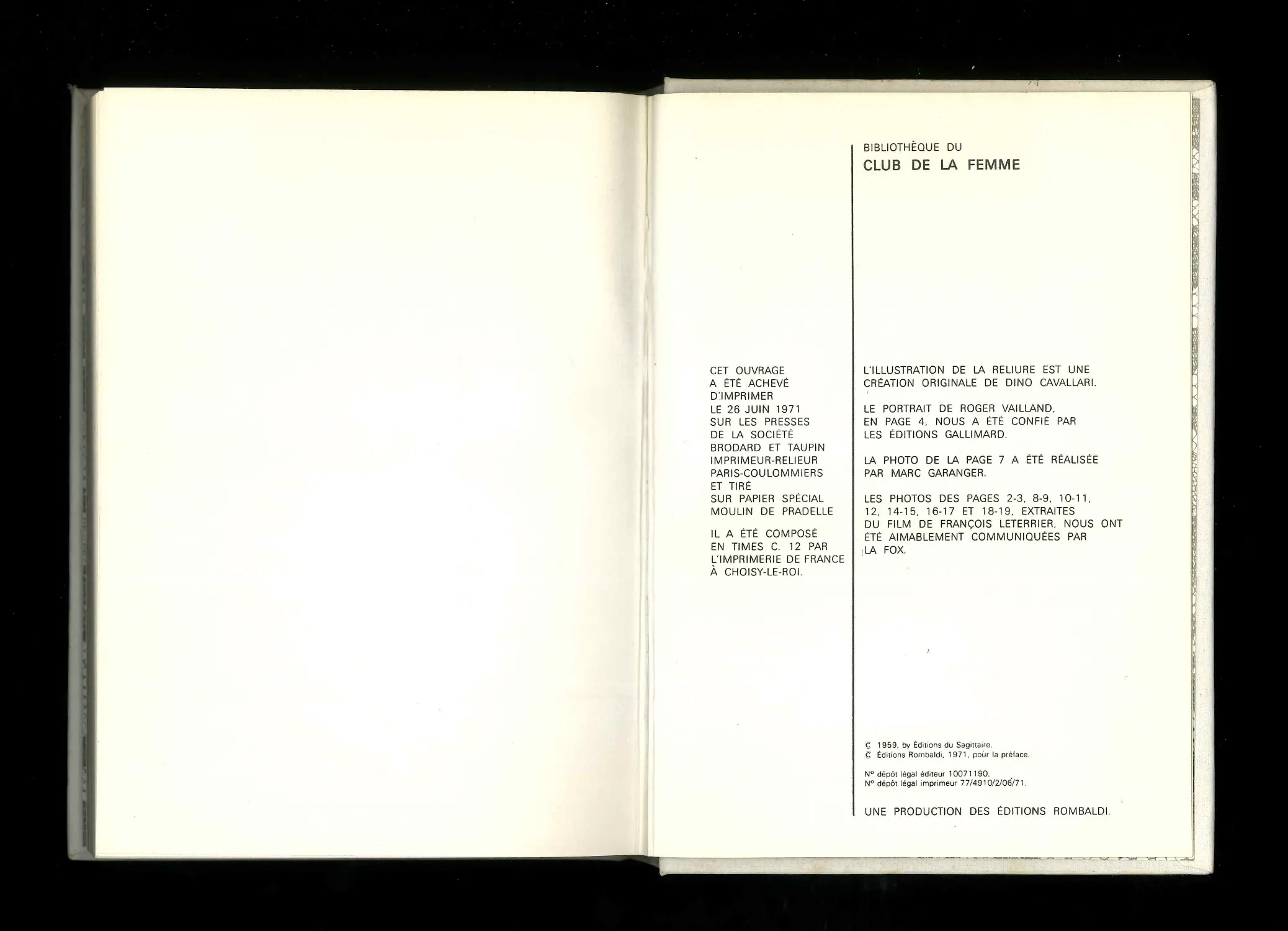
These introductory sections stand out within an editorial context where literary works and their commentaries are usually assigned to rigorously distinct sites — as if the work should be left intact, undisturbed or undistorted by other voices — unless one takes schoolbooks and critical or commented editions published for pedagogical purposes into consideration. Indeed, one may wonder whether the choice of these introductory contents arose from a didactic concern, paired with a definitely paternalistic approach, toward the Club de la Femme readership. This approach is also somewhat sentimentalist or moralistic albeit being probably conceived as appealing and enriching: would the experience of reading a novel be more complete if the reader — especially a 1960s female reader as imagined by a “man of letters” of the time — was told about its author, their life experiences, their opinions on their own work, their times, and even humankind? In that respect, the Club de la Femme collection predates the Barthesian death of the author. 9
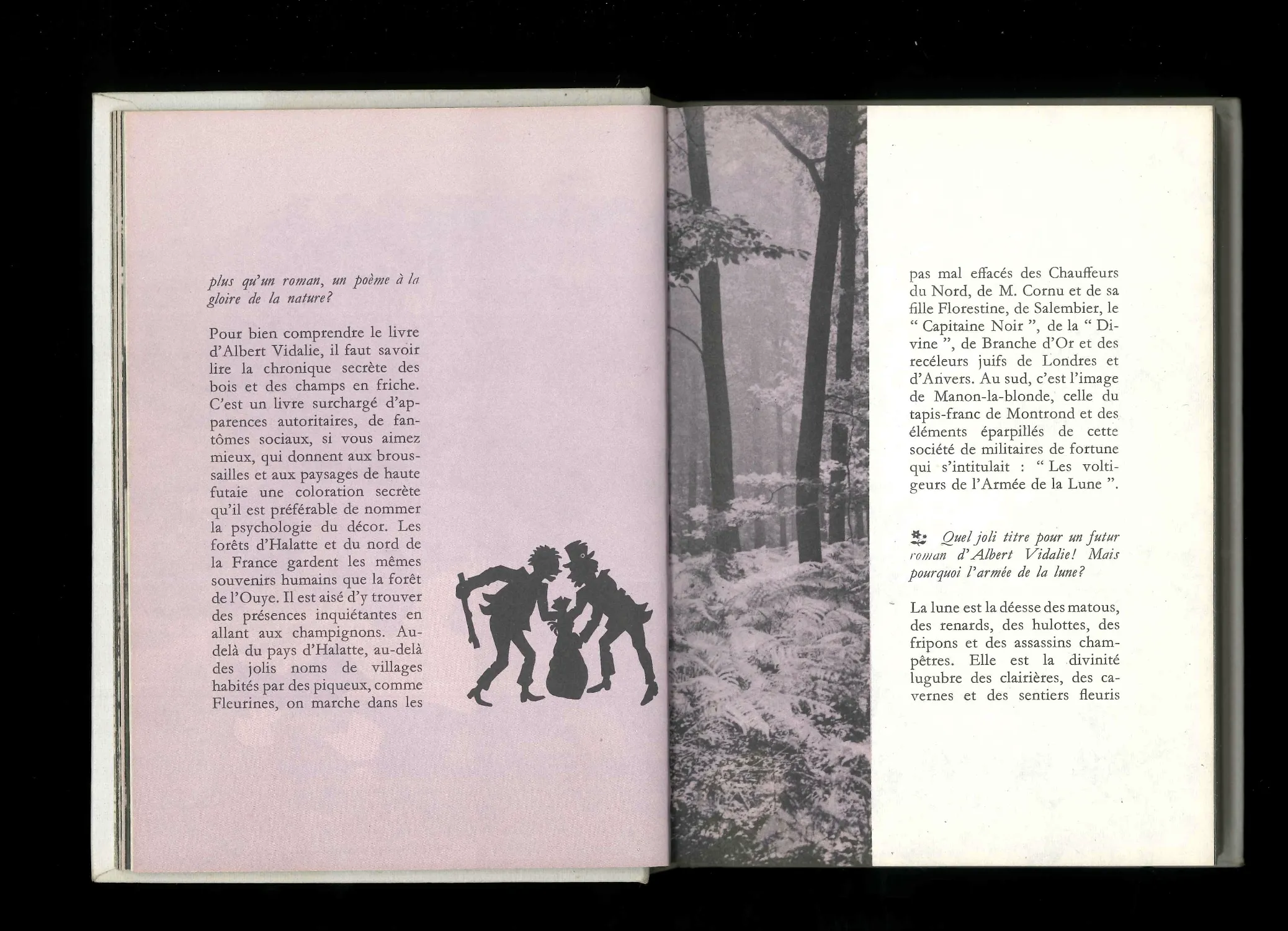
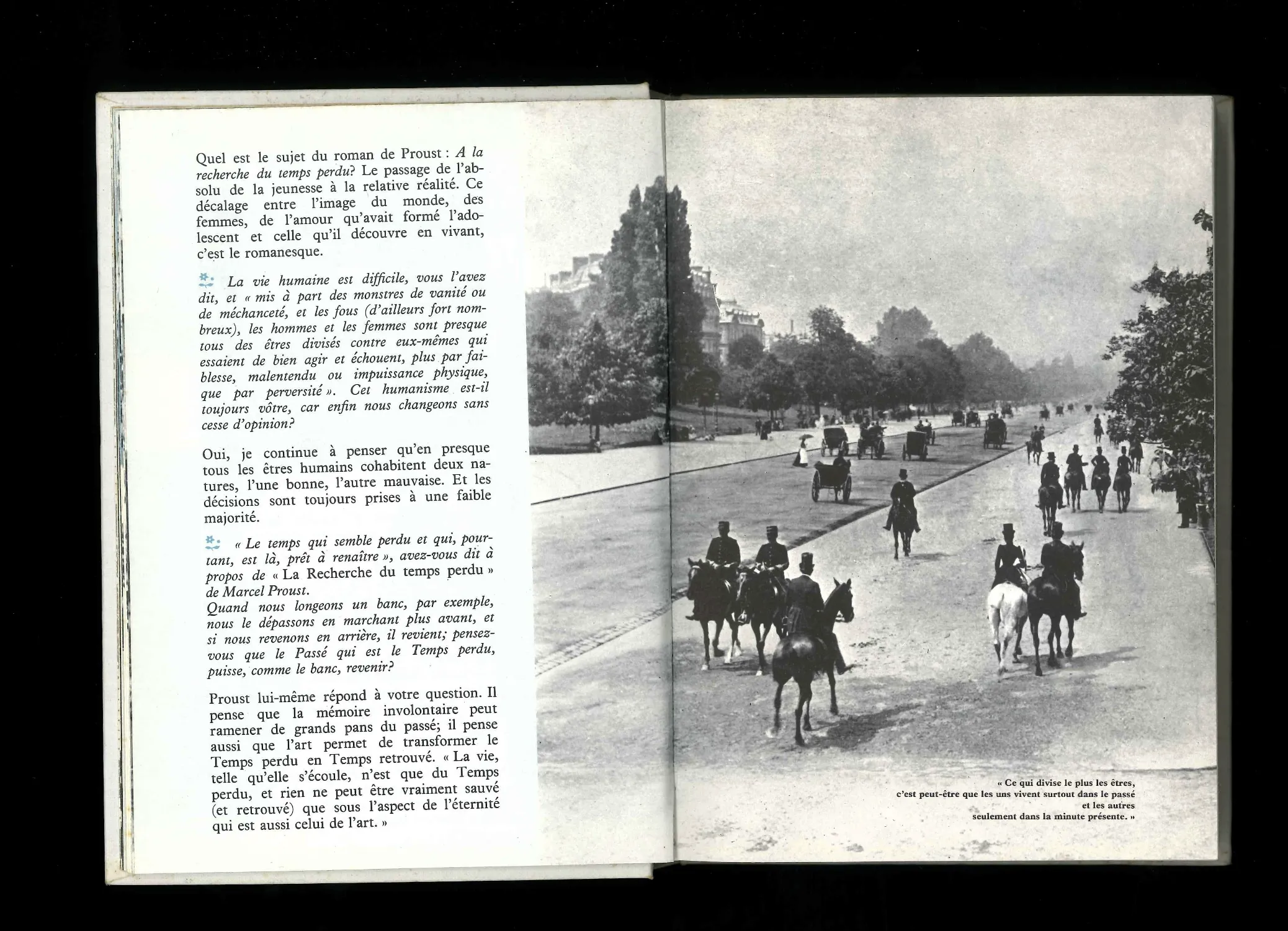
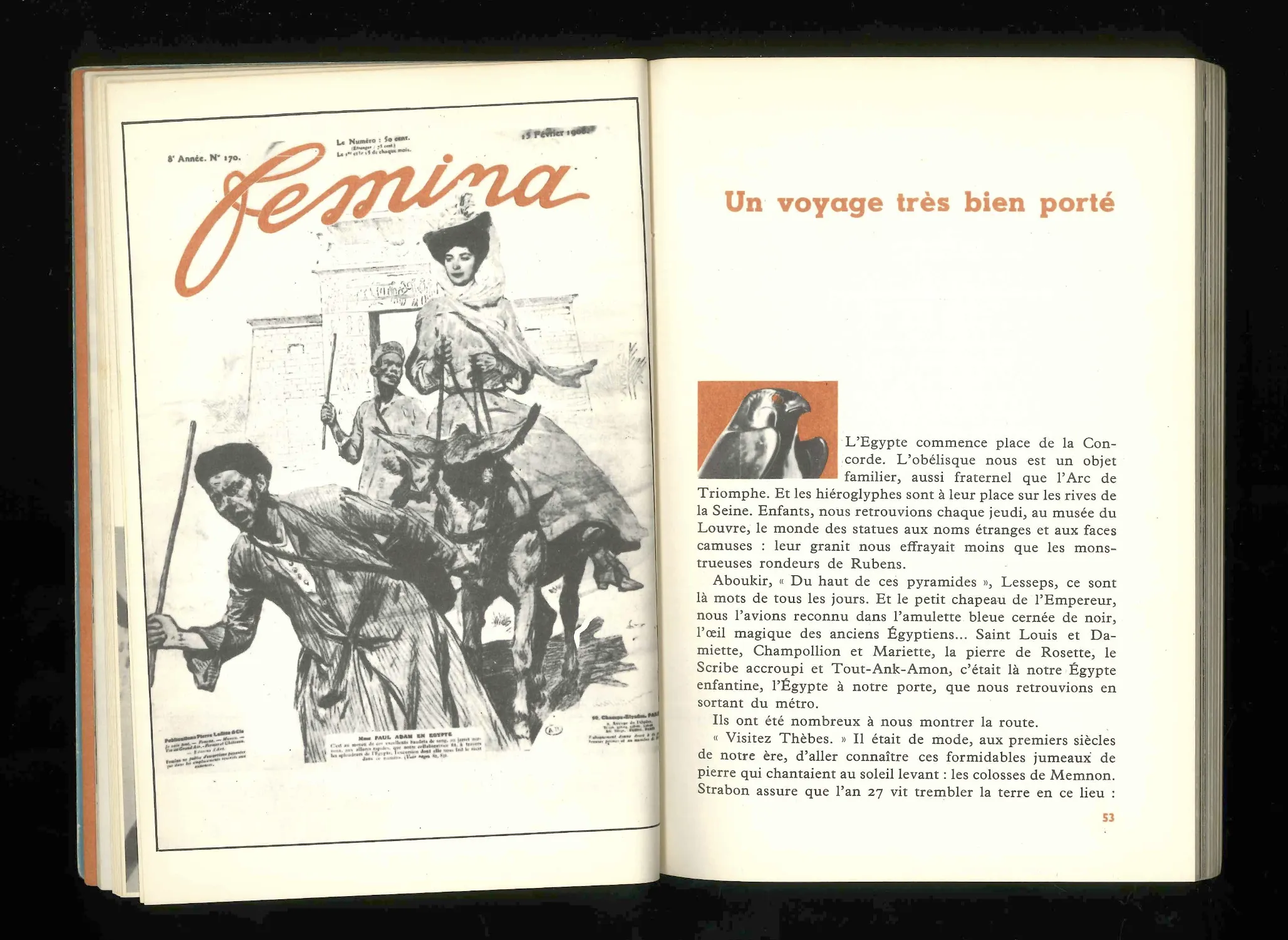
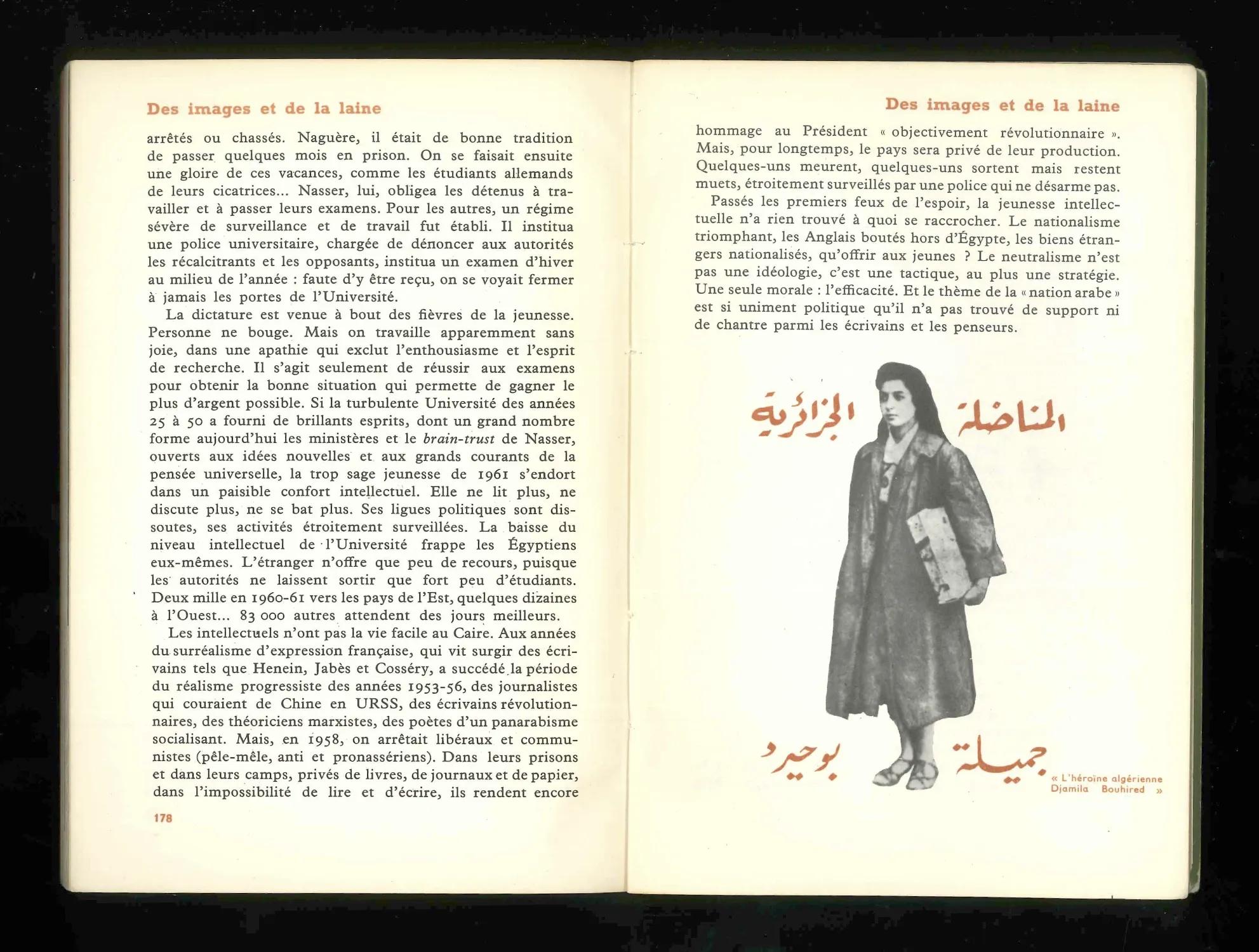
Yet — particularly from a contemporary perspective — it is the appearance of the pages, rather than their contents, that catches the attention. While the novels are characterized by their unsophisticated and at times unsubtle layout, the introductory sections stand out by their variegation and their graphic fancifulness. Their title typefaces are expressive, and while the text uses typefaces traditionally associated with novels, they are often printed against a colored background, between rules, accompanied by drop caps, etc.
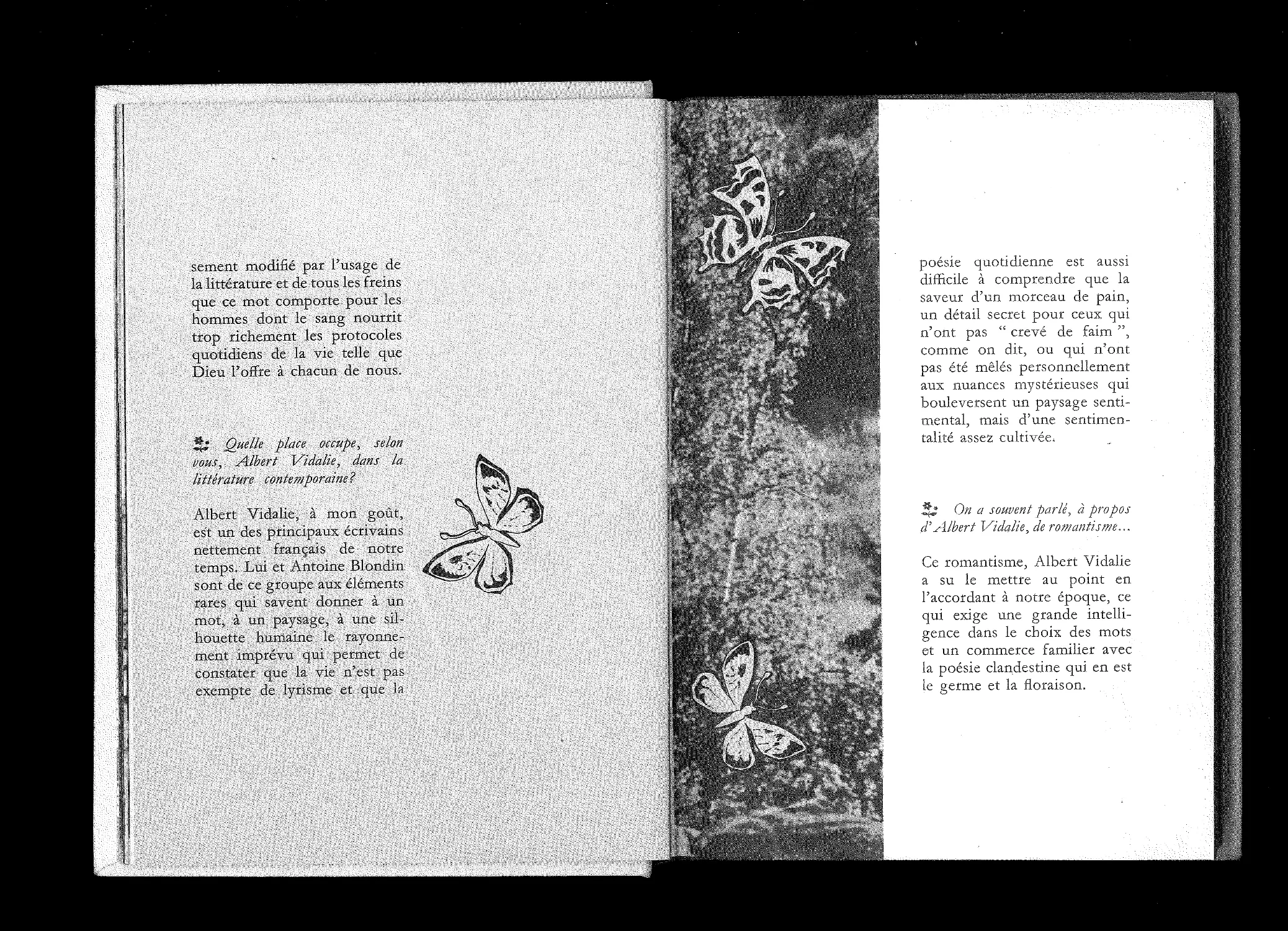
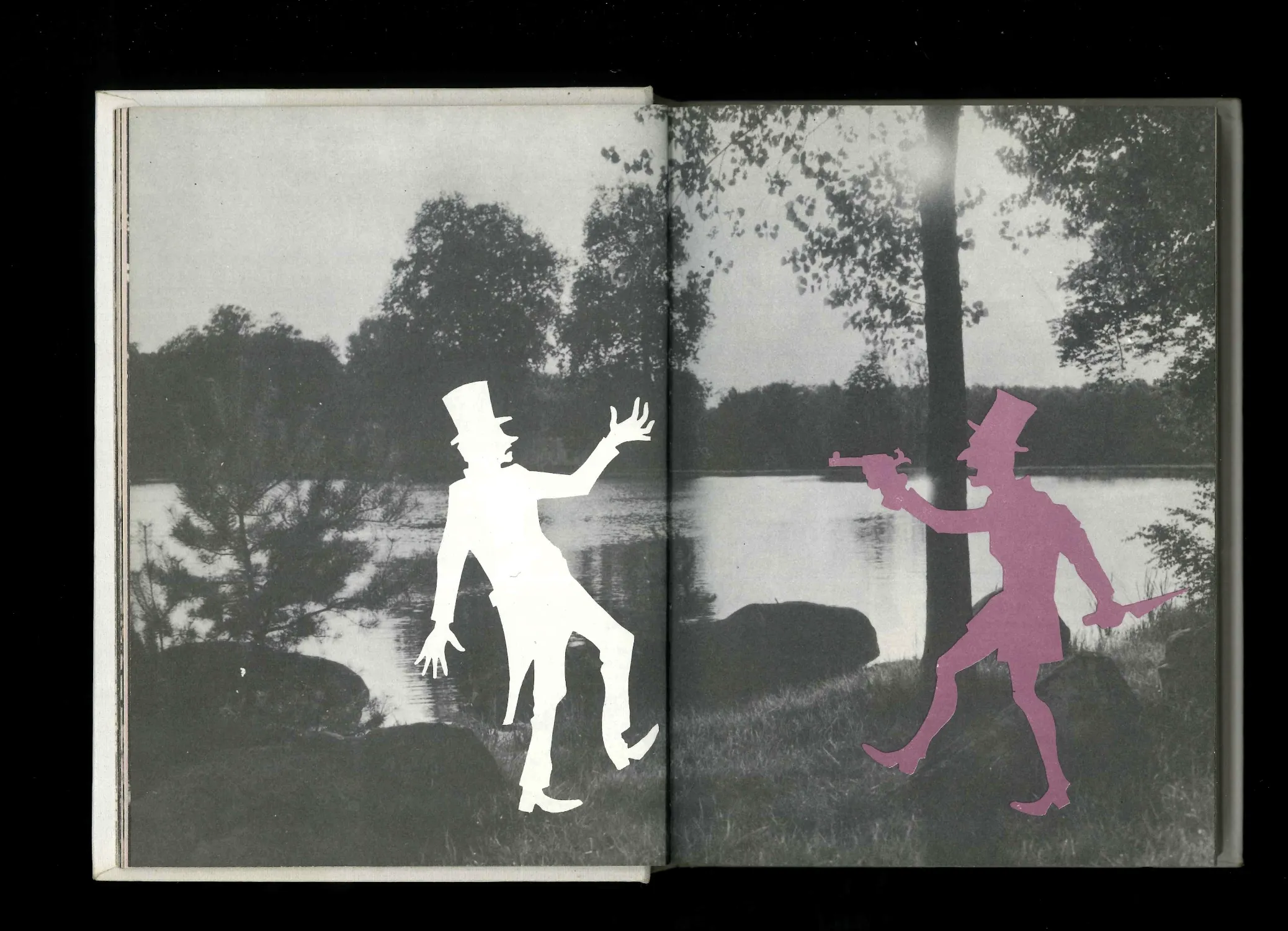
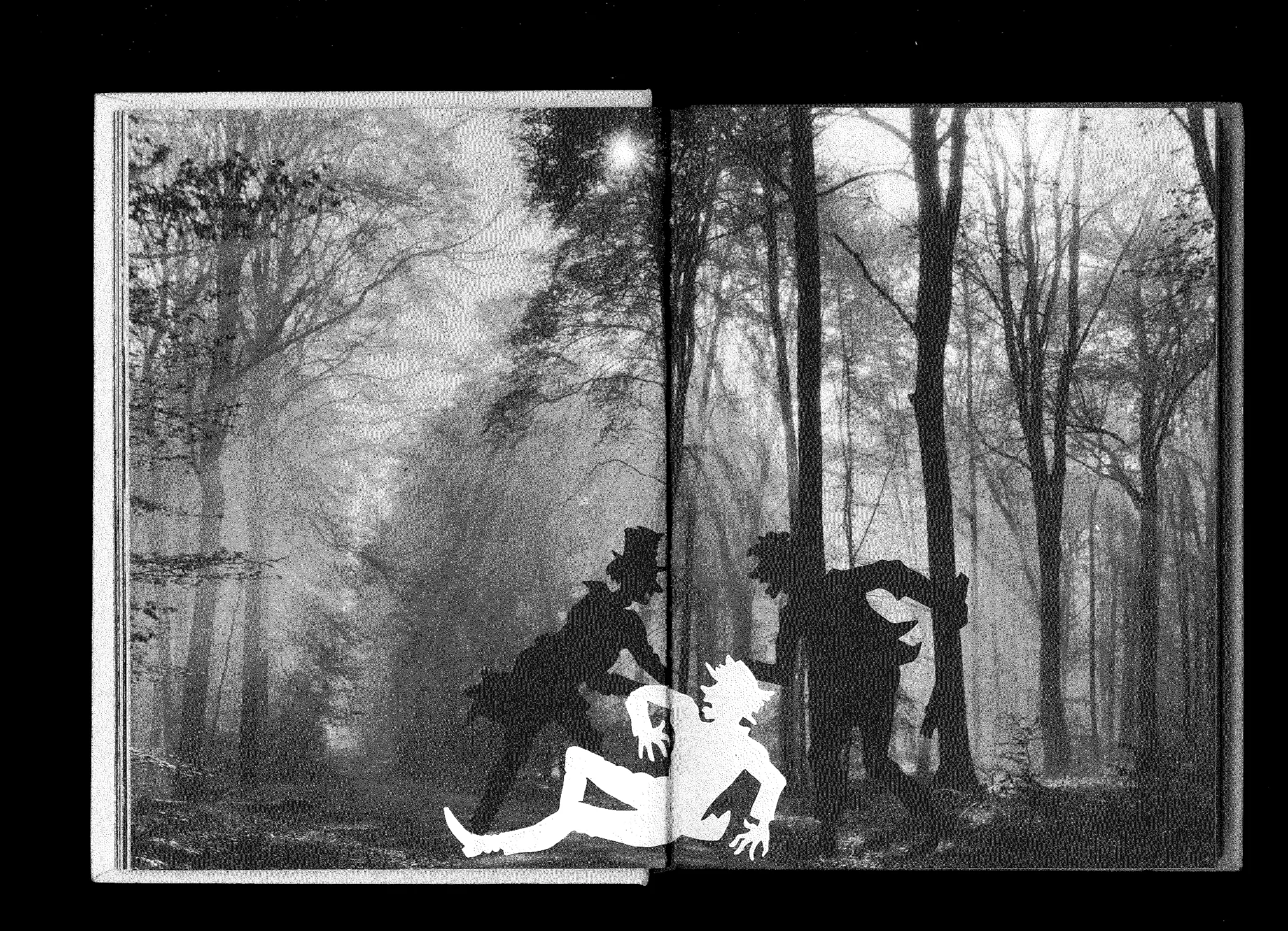
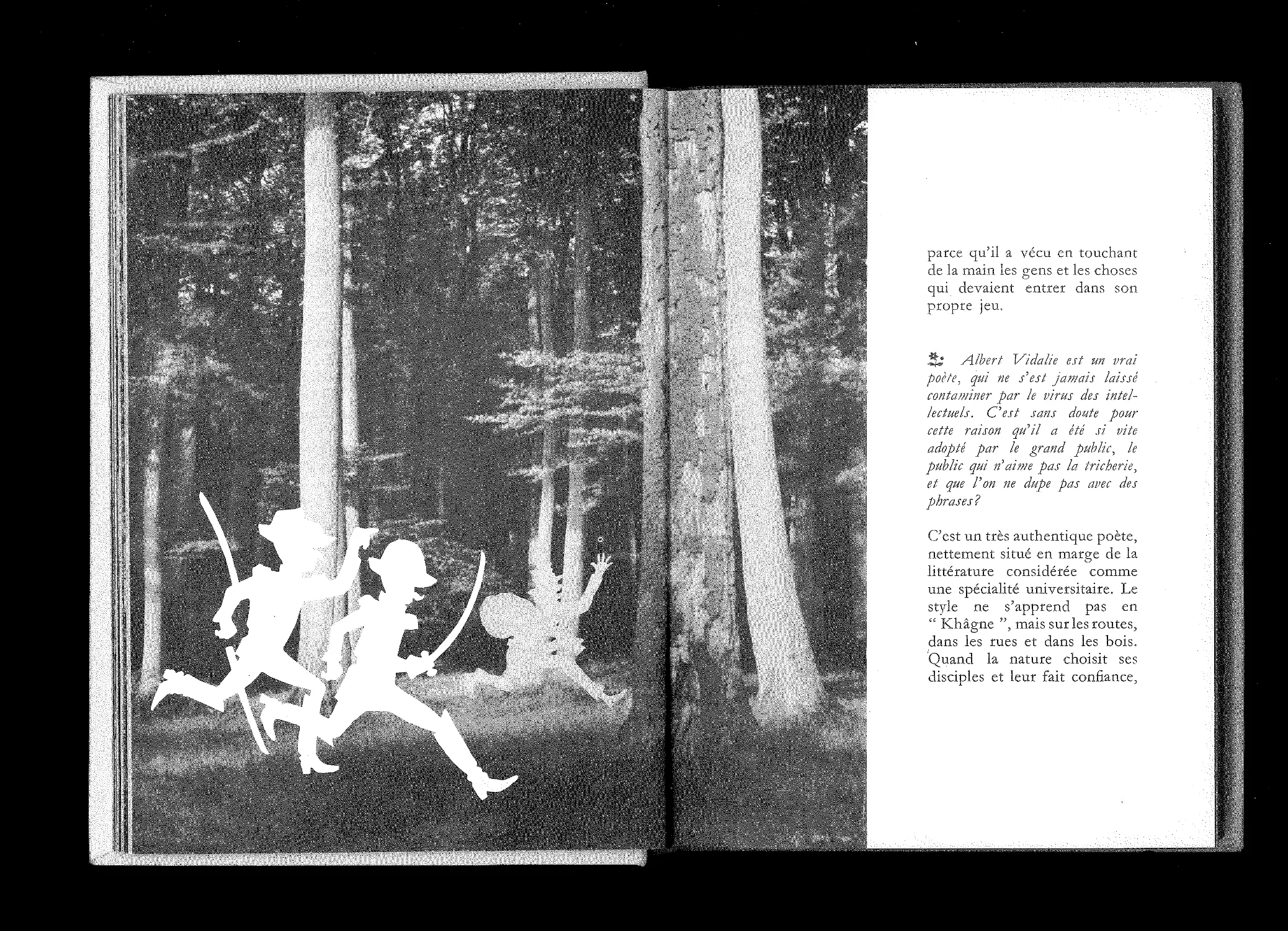
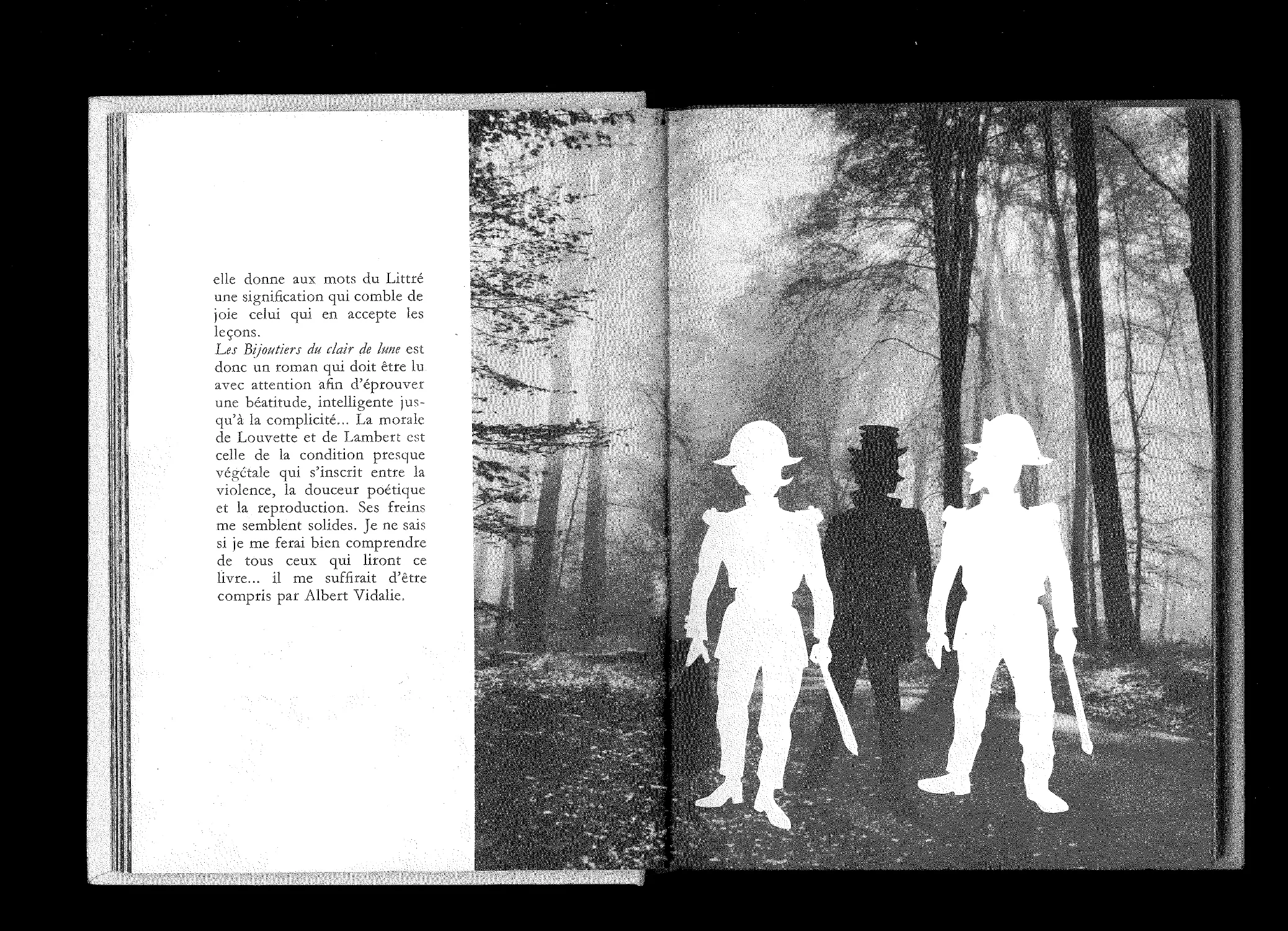
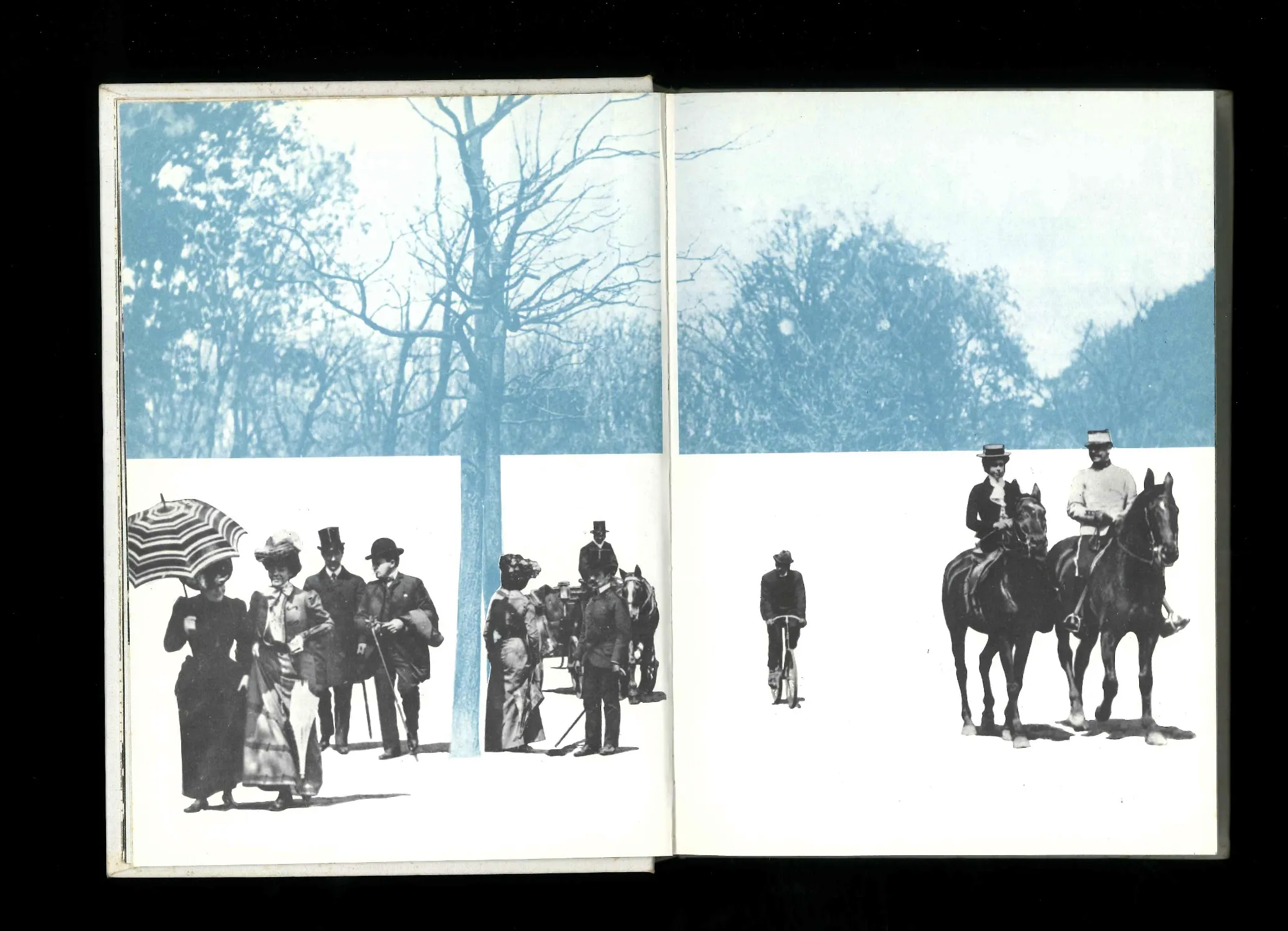
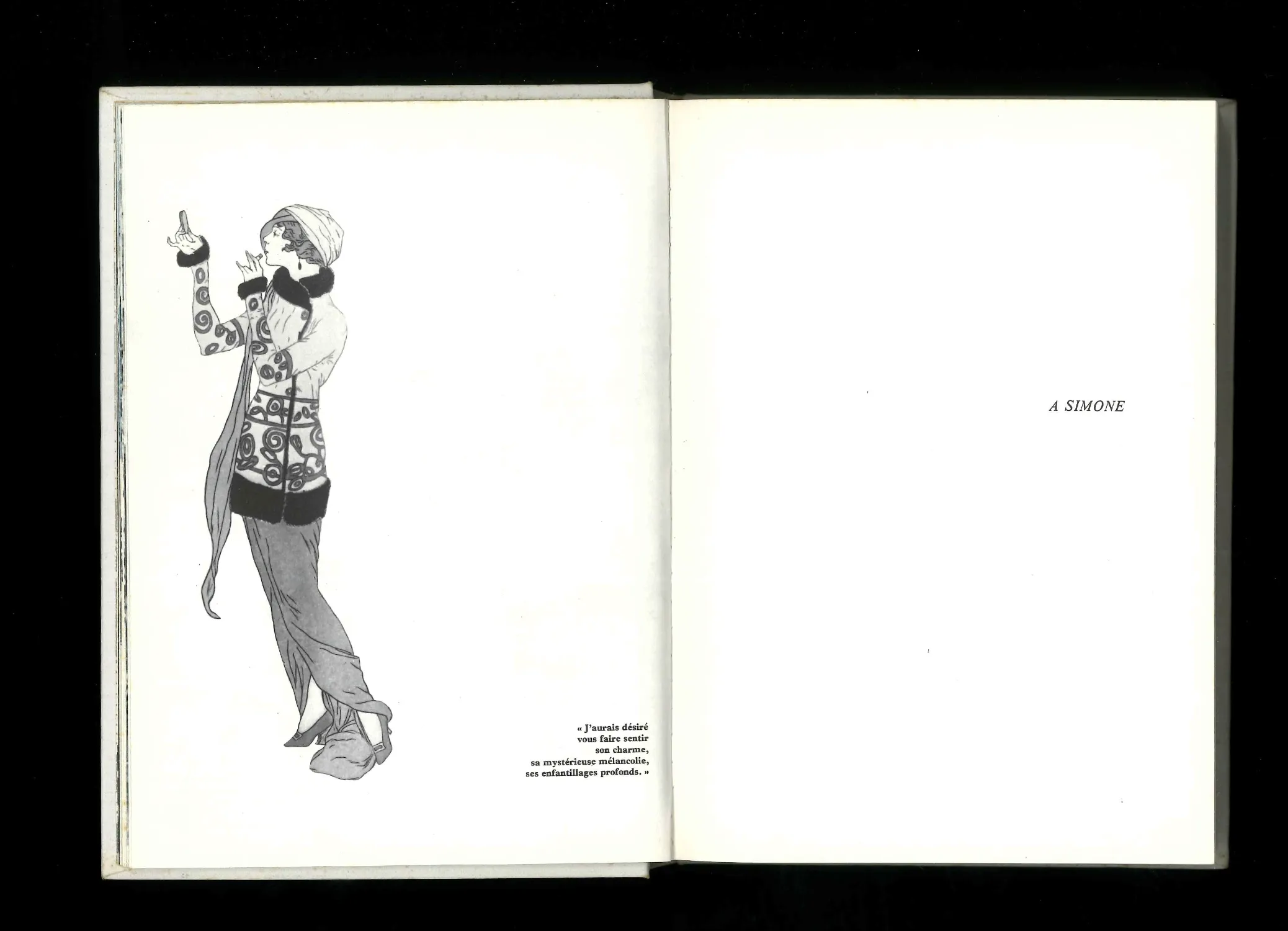
Illustrations are abundant and come from various sources: archival pictures, press photos, drawings, fashion plates, stills and set photos in the case of film adaptations, etc. These are, moreover, subjected to recurring graphic manipulations: coloring, cutting-out, fragmentation, and even montage. Thus, in André Maurois’ Climats, a double page in the introductory section shows a group of strollers, elegantly dressed in Belle Époque fashion, whose outlines are cut out and reproduced on the white background of the lower half of the page, while the canopy of a blue-color, sylvan landscape occupies the upper half. One of the trees, whose trunk has been kept visible, acts as a junction between the two areas of the page.


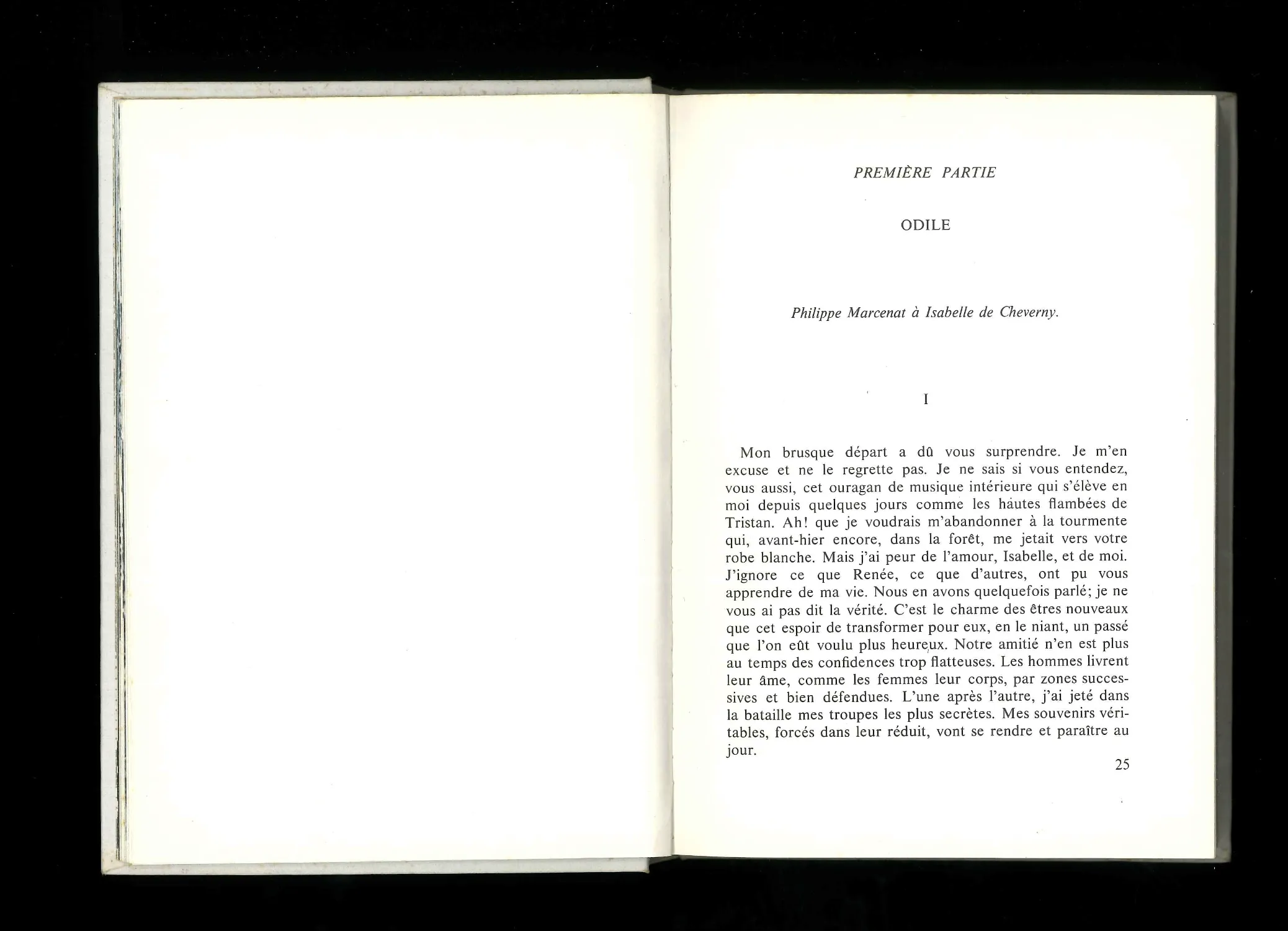
In Albert Vidalie’s Les Bijoutiers du clair de Lune, drawn outlines of bandits and butterflies are superimposed with photographic landscapes and extend beyond the margins of the text.
In Michel Butor’s La Modification, black and white film stills, sometimes partially colorized, integrate an arrangement that seems indirectly inspired by László Moholy-Nagy’s Dynamic of the Metropolis (Dynamik der Gross-stadt, 1921) and Chris Marker’s Commentaires (Le Seuil, 1961). Scale relations and effects of repetition suggest a sense of movement between the images, the sequencing of which places the reader in the center of a complex interplay of gazes: the leading actors’ shared, convergent, or divergent stares in Michel Worms’ film adaptation of the novel.
While nearly all the graphic designers who worked on these volumes are systematically uncredited, the profile of director of collection Louis Pauwels may explain some of the graphic choices that define the introductory pages of the Club de la Femme / Cercle du bibliophile books. A well-known writer in his time, Pauwels was originally a print media professional: the editor-in-chief of former French Resistance clandestine paper Combat (from 1950) and director of woman’s monthly Marie-France, he later founded (in 1978) and directed (until 1993) Le Figaro Magazine. He was also the founder of Retz, a structure through which he published several magazines that forged his reputation while contributing to 1960s-70s (counter)culture, most notably Planète (1961-71), a bimonthly publication imagined as a continuation of The Morning of the Magicians, a book written by Pauwels and Jacques Bergier. Planète was the mouthpiece of fantastic realism, a movement navigating between science and the paranormal, and philosophy and esotericism. From this magazine emerged two others, conceived by the same editorial team: bimonthly Plexus (1966-70), “la revue qui décomplexe”, devoted to humor and eroticism, and Pénéla (1967-73), “the first women’s bookshelf magazine”.
The ambition behind these magazines was to create editorial objects that lasted beyond instant consumption, as enduring as books: magazines for bookshelves, carefully designed and produced, whose square back made them easy to store in bookcases.
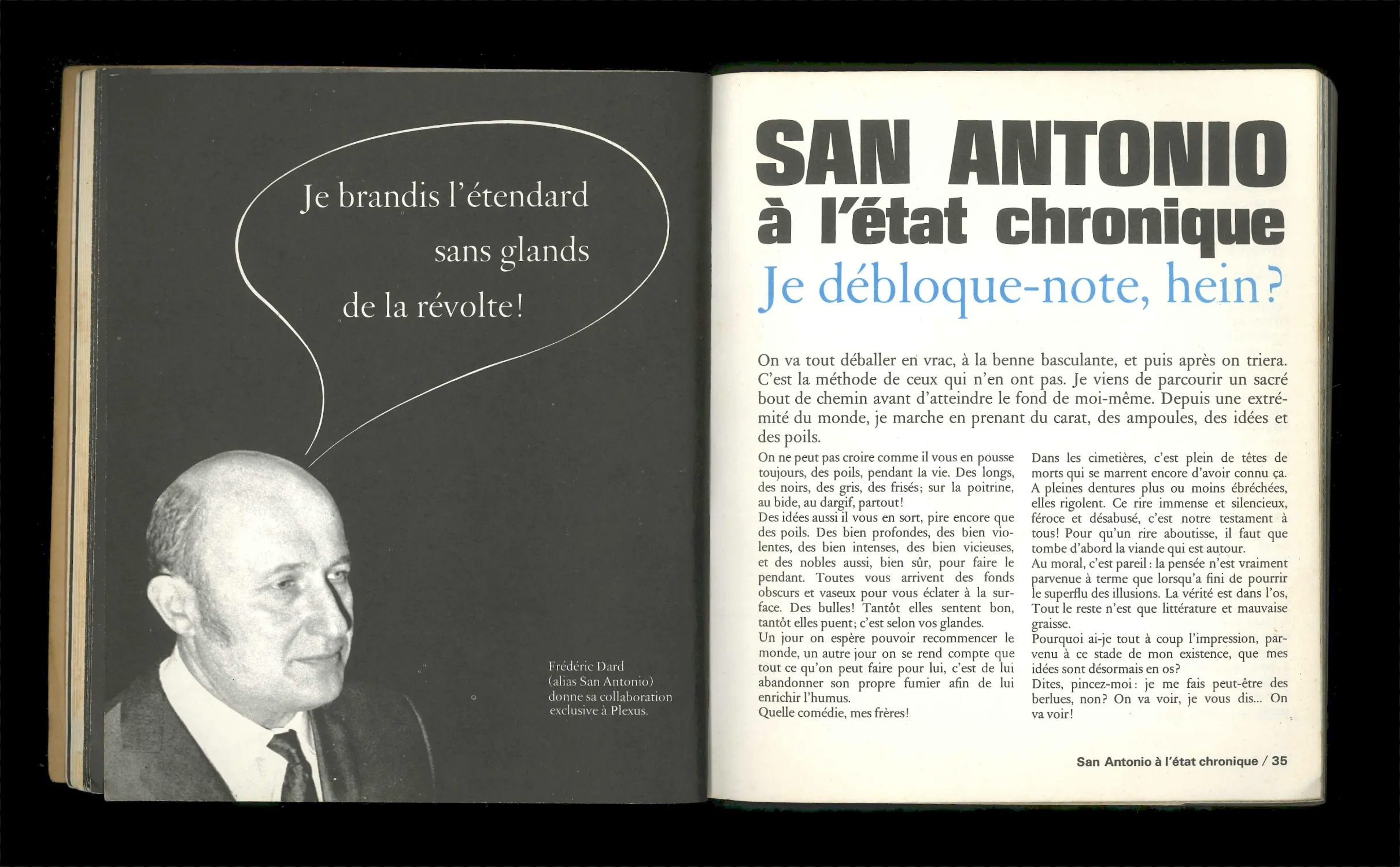
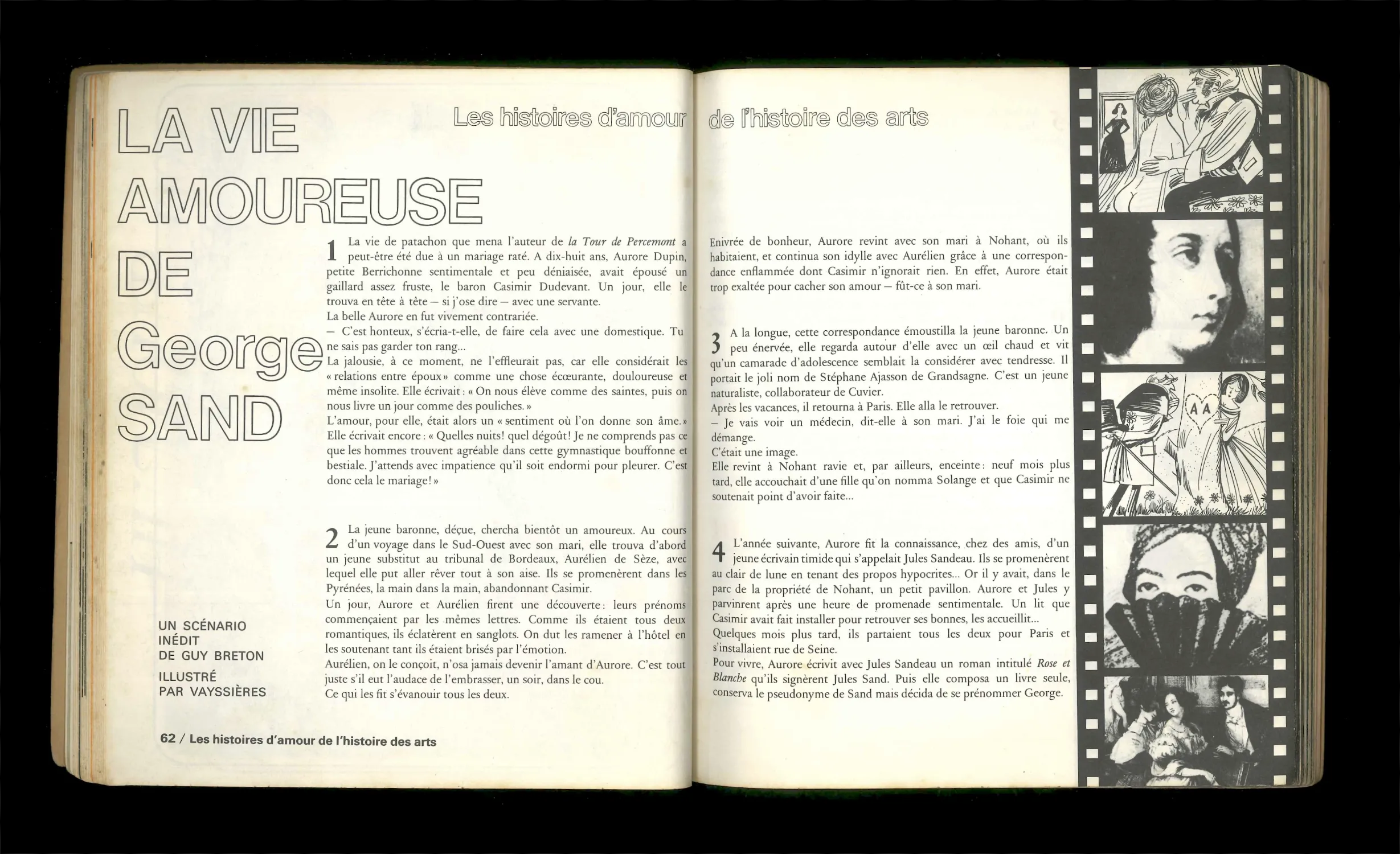
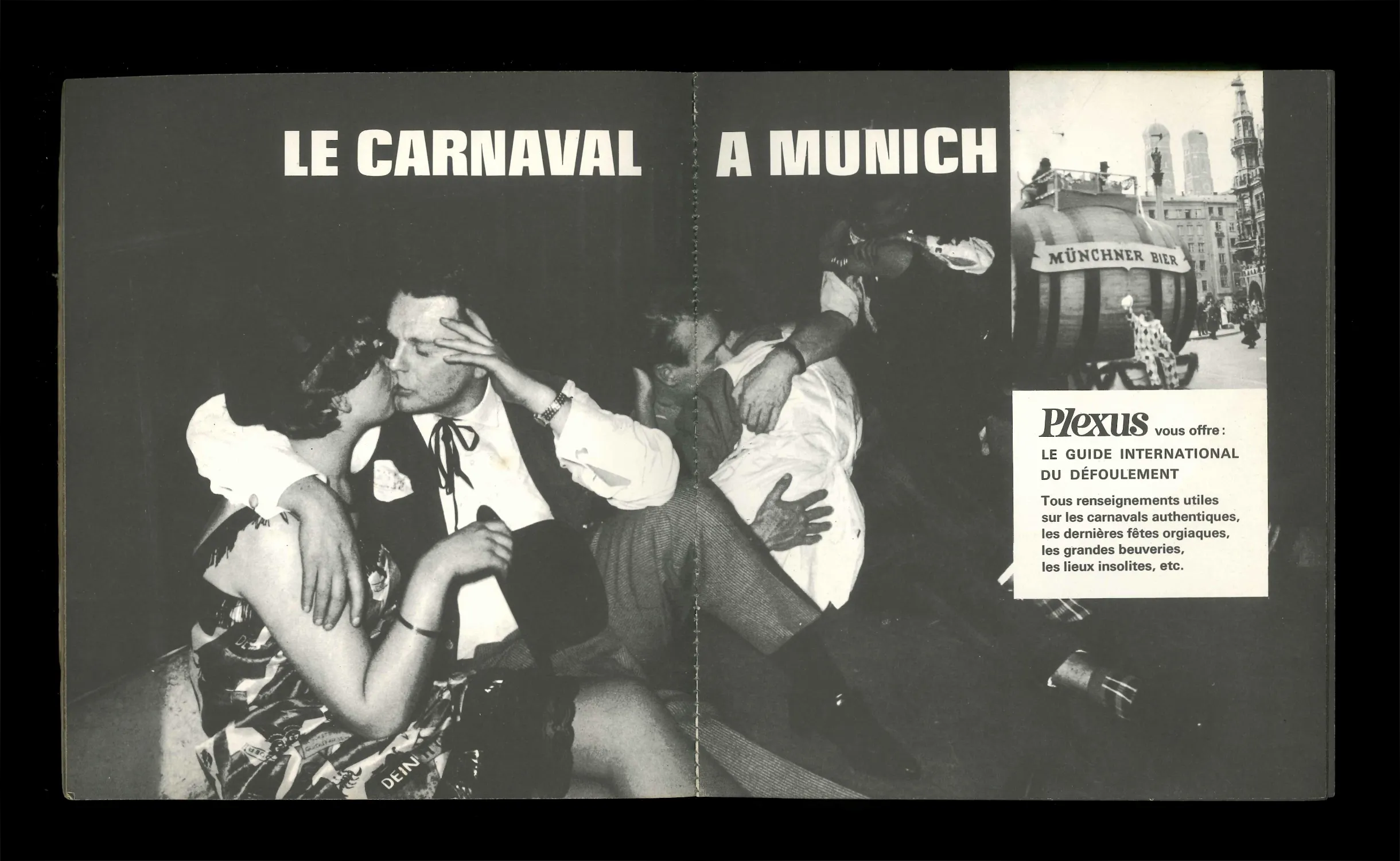
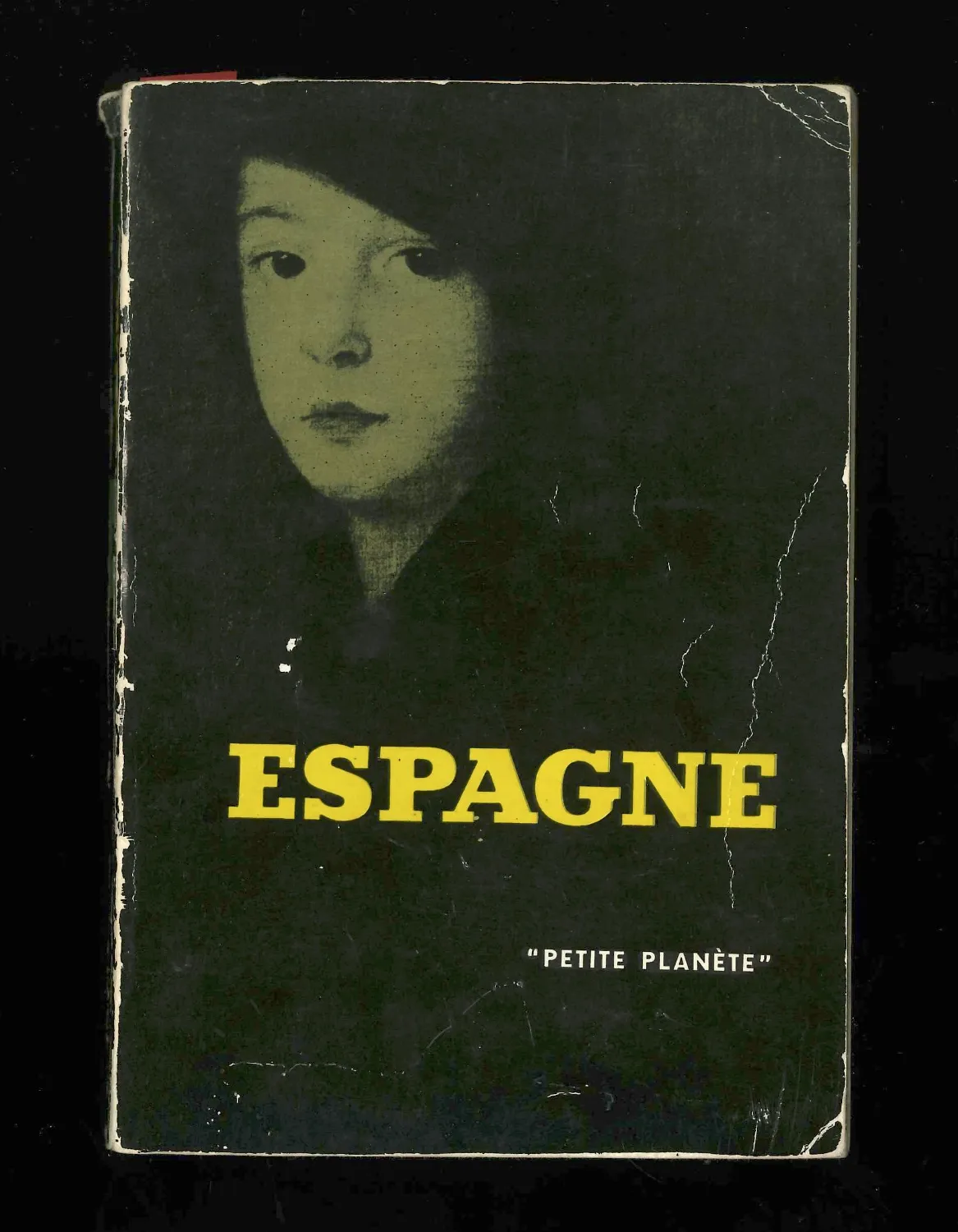
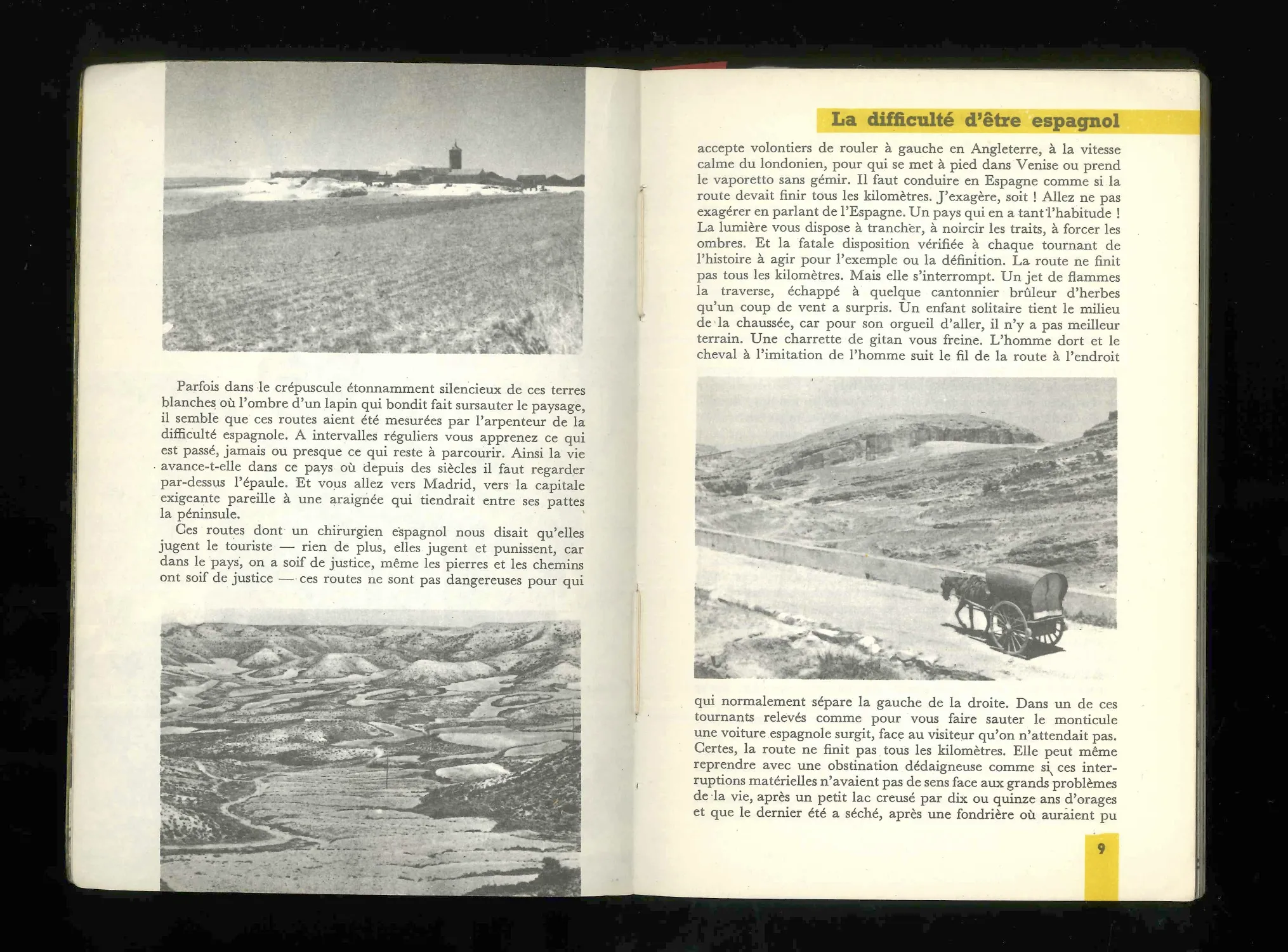
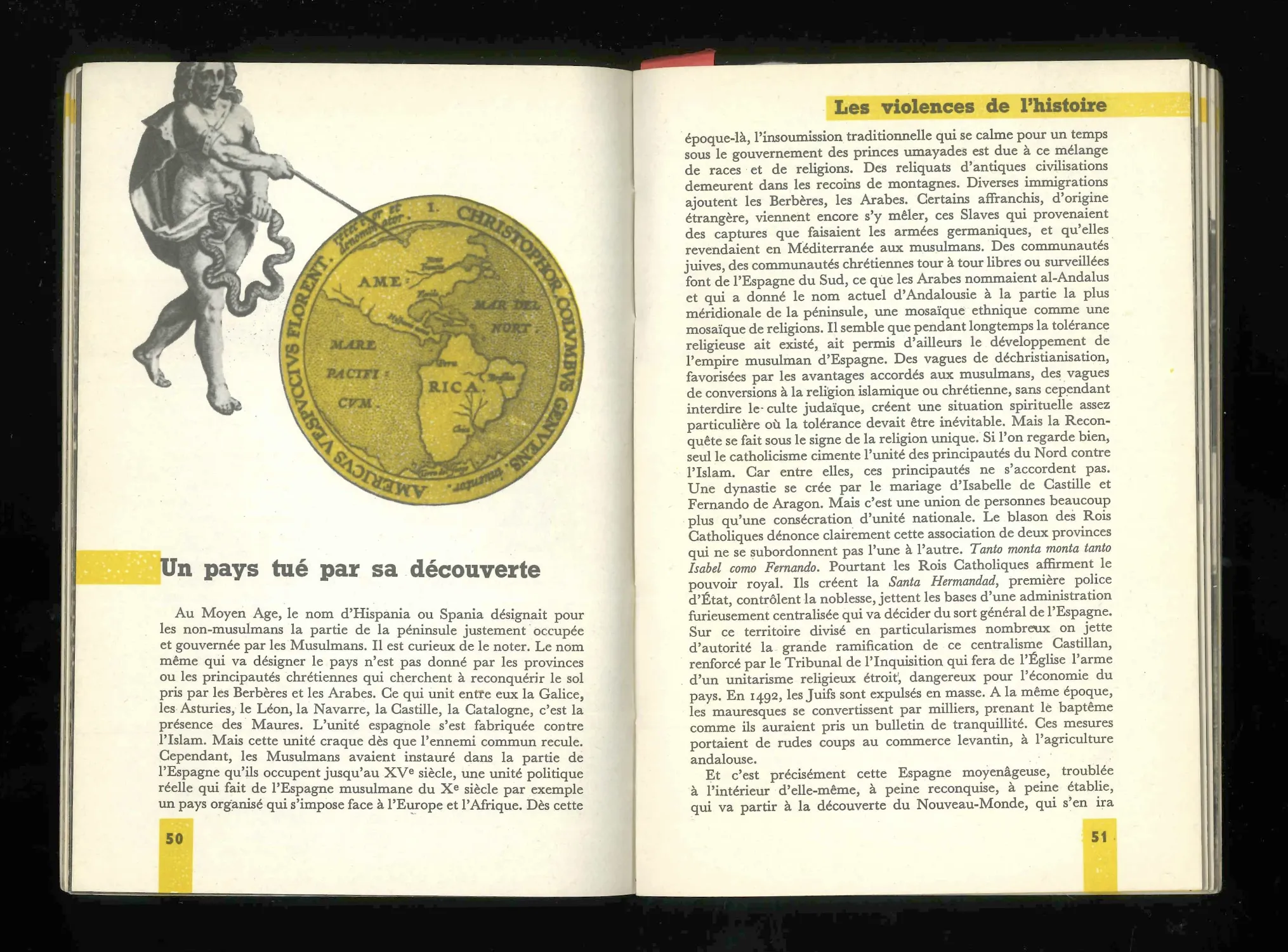
Just as these magazines sought to be taken as full-fledged books, the Club de la Femme books seem to have taken the exact opposite route a couple of years prior, presenting themselves, at least within their opening pages, not as literary books, but as magazines, at a time when this format was flourishing and rejuvenating text-image culture. While other books may come to mind, they were outside the literary category: the reference books and illustrated editions such as the “Petite Planète” series (directed by Chris Marker then Juliette Caputo, Le Seuil, 1954-64) 10 or the children’s books published by the “Enfants du monde” collection (photography: Dominique Darbois, Nathan, 1952-75) 11. Cut-out silhouettes, colors, montages, dynamic text-image relations were the lingua franca of these editorial adventures that came to typify the 1950s-70s, of which the Club de la Femme and the Cercle du bibliophile appear as a — sometimes slightly messy — sounding board.


Constructing the female reader
Outside of their marketing strategies, one may assume that the Club de la Femme, and by extension the Club du bibliophile, invented their readership through their graphic choices. Perhaps these readers turned toward contemporary literature because they sought a visual and symbolic space that differed from the classicism of the French publishing world, which many other Clubs already challenged. Looking at its catalogue, the Club de la Femme is indeed devoid of strictly feminine dimensions. While the very first books ticked all the expected boxes of the genre, with the eminently patriarchal Cours de bonheur conjugal [“Lesson of Conjugal Happiness”] by André Maurois, and a novel by François Brigneau entitled Deux Femmes [“Two Women”], the collection quickly started to offer 20th-century literary works written by (a majority of) male and female (Colette, Françoise d’Eaubonne) authors, of extremely varied allegiances, classified as the “general literature” of their time, from novels by academicians (Mauriac, Maurois) to proponents of the Nouveau Roman (Butor) to travel writing (Herzog, Schweitzer, or Alexandra David-Neel).
Therefore, it was not a matter of publishing books whose contents were aimed at a specific readership, but to propose general interest literature to an imagined readership, books with which female — and occasionally male — readers would forge a relationship of their own, thus aligning with an approach that sometimes tacitly characterized other Clubs. In one of the CFL newsletters, a subscriber named Mrs. Mézier wrote:
“There are young people among the Club’s ‘general audience’! Your books are indeed very lovely and make for great presents. Parents looking to reward good results at school, to celebrate a birthday or Easter, etc., could very well offer their children one of these books as a gift. But will they find something for young people in your selection? Alas, they won’t… Will they find novels aimed at young girls? You may decide the Club is above such ‘sentimental’ works. But this kind of literature is more than just a bunch of nonsense. It offers spiritual, lively content that could please our young girls, entertain their mothers and charm their grandmothers.”
The publishers answered as follows:
“Please don’t be so sure, you will find novels that may be offered to young girls in our selections. Here is a random list of books published by the Club: Le Grand Meaulnes, Les Clés du Royaume, Le Capitaine Pamphile, Raboliot, Spirite, Notre-Dame de Paris, Arènes Sanglantes, La Nymphe au Cœur Fidèle, Gosta Berling, L’Ancre de Miséricorde, Mon amie Flicka, Sarn, La Renarde, etc.” 12
“Woman” does not exist, but the Club de la Femme tried to invent her through modes of address that need to be regarded with a rather critical distance: these richly colored illustrations, lace patterns, and author statements put into images seem to betray the ways the publishers and the director of collection — all men — regarded women.
Dubious in some regards, this endeavor generated a family of graphic objects that are exemplary not because they are exceptional, but precisely because they are not. A comparison between the Club de la Femme / Club du bibliophile books and other Clubs from the same period allows one to draw attention to the visual and material, fluctuating yet instantly recognizable foundations of “Club” books. However, it also stresses a kind of devaluation, because of the standardization or homogenization of a format that needed to remain tangible but not fixed, of a style that needed to be felt but not defined. In this perspective, the Club de la Femme walked a thin line between success and the book clubs’ predictable decline, which Rombaldi tried to delay as much as possible by adapting the Club de la Femme / Cercle du bibliophile editorial format to other collections. Indeed, when the two series were discontinued in 1972-73, Rombaldi launched a variety of literary and documentary collections aimed at a general readership throughout the 1970 and until the early 1980s: “Bibliothèque du temps présent”, “Dossiers du temps présent”, “Les grandes aventures de la mer”, “Classiques de notre temps”. In each collection, the books were bound with a red, green or blue leather cover, with the name of the author and the title of the work printed in gilded lettering, accompanied by an ornamental pattern specific to each collection. Strangely enough, the evolution of these volumes’ appearance seems to go against the grain of their times, their covers looking more outdated than their counterparts at the Club de la Femme and the Cercle du bibliophile. Like these two collections, however, each series displays a specific pattern on its endpapers, and each book begins with an illustrated documentary section accompanied by an interview or a critical text arranged with images according to heterogeneous formats, constantly different yet strongly similar in spirit to the Club de la Femme. A remnant surviving until exhaustion.